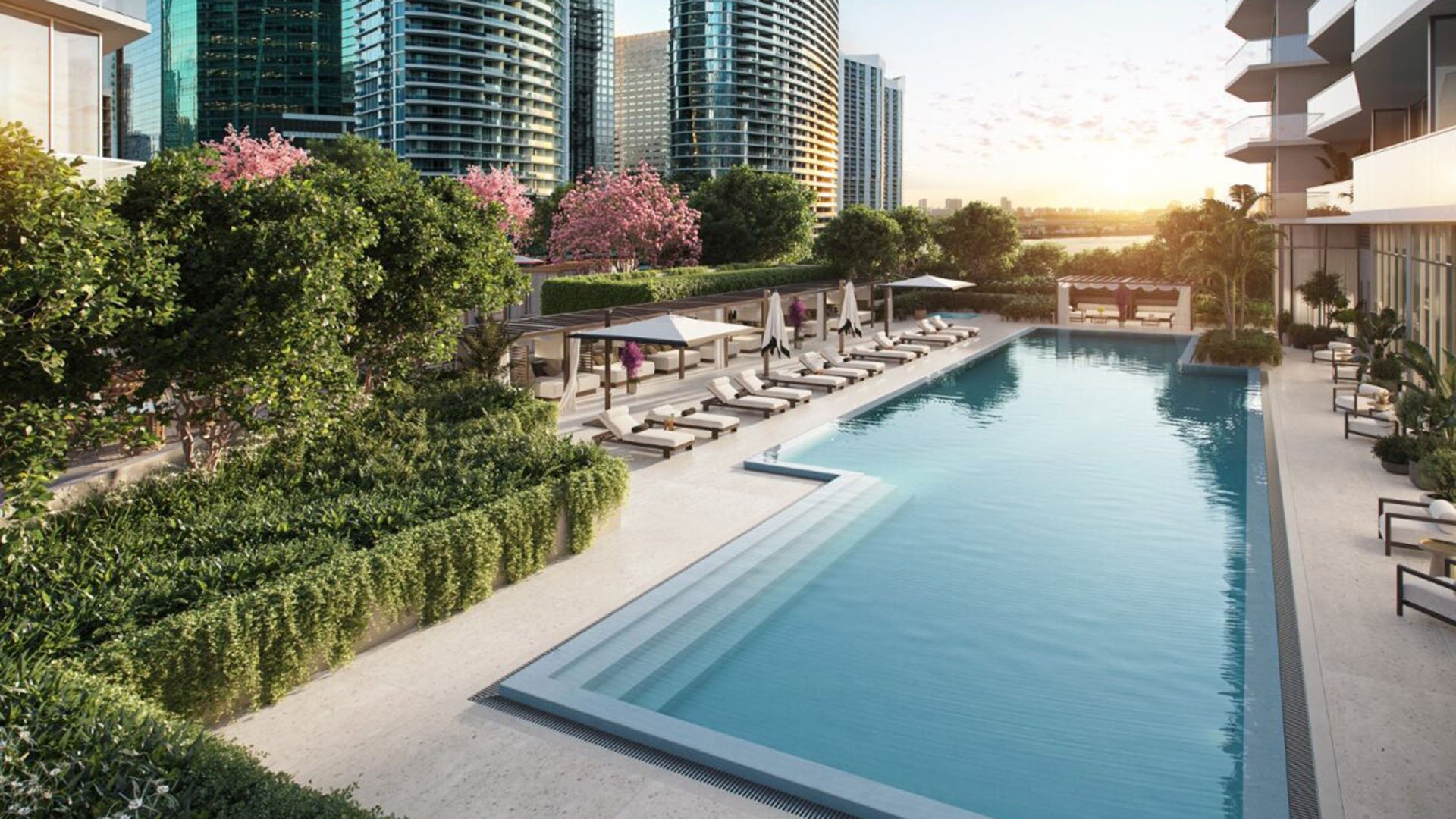
Brickell vs. Wynwood: Miami’s Luxury Condo Split, and What It Means for 2026 Buyers
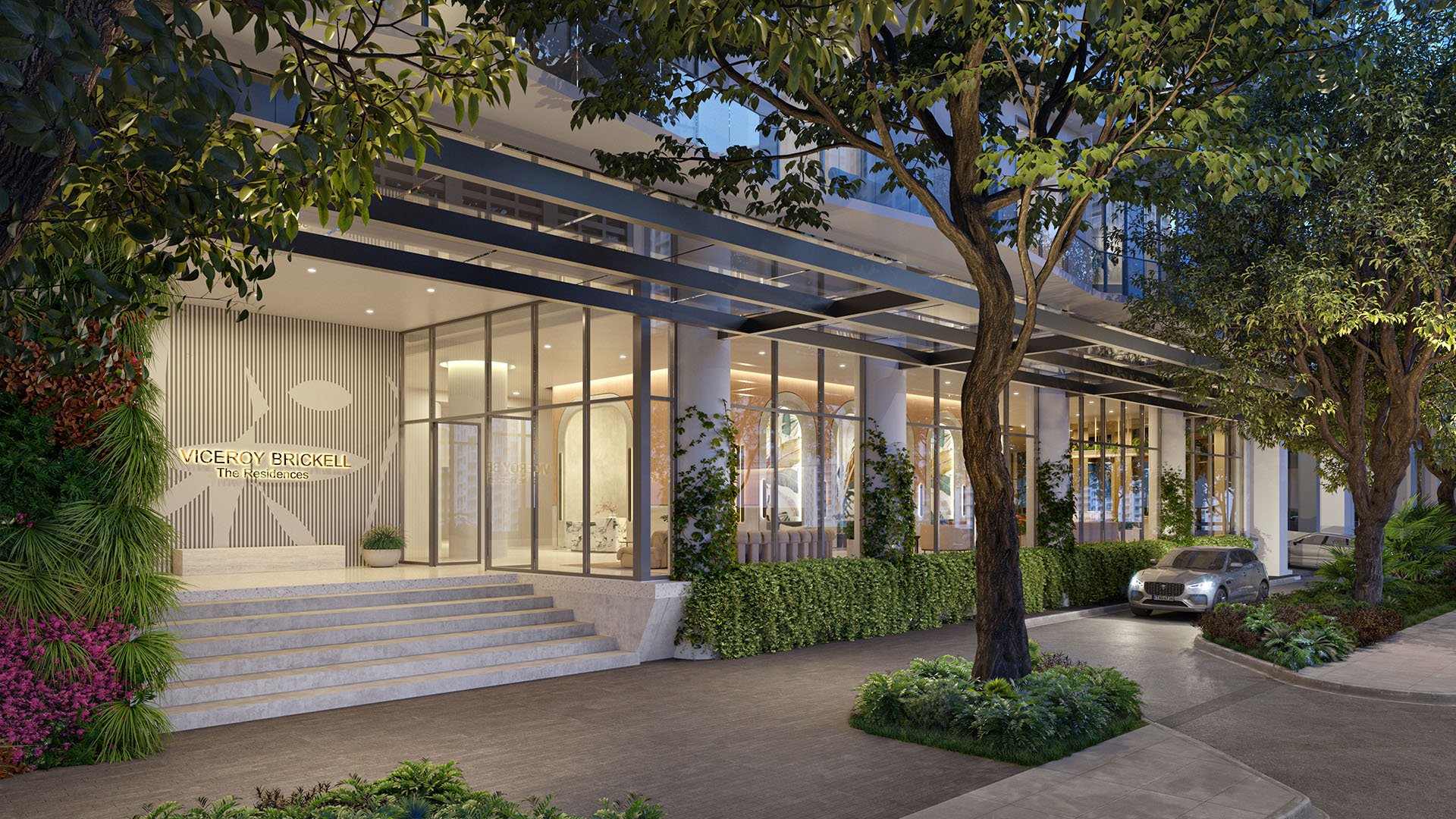
Brickell and Wynwood are no longer competing on the same terms. Brickell is Miami’s established, brand-forward vertical neighborhood: liquid, internationally recognized, and increasingly defined by amenity-rich towers. Wynwood, by contrast, is evolving from a cultural destination into a live-work district, with office growth and design-led residential inventory that tends to enter at a lower price point than Brickell’s new-build pipeline. For buyers, the choice is less about which neighborhood is “hot” and more about aligning a purchase with how you plan to use the home: as a primary residence with daily transit convenience, as a pied-à-terre with hospitality-style service, or as a flexible asset where rental rules and future neighborhood maturation matter.

Brickell vs. Sunny Isles Beach: Choosing a Luxury Condo Address for 2026
For buyers weighing Miami’s urban core against the Atlantic edge, Brickell and Sunny Isles Beach offer two distinct definitions of luxury: one powered by walkable city infrastructure and global finance, the other by direct Oceanfront living and resort-grade towers. Using recent market signals and on-the-ground lifestyle realities, this guide helps you match address to intent, whether you prioritize liquidity, views, amenities, or a second-home rhythm.

A Weaker Dollar, A Stronger Bid: How FX Is Re-shaping South Florida Luxury Real Estate in 2026
As currency markets tilt away from peak-dollar conditions, South Florida’s ultra-luxury corridor is being repriced in real time for global buyers. The story is not simply that a softer greenback makes Miami “cheaper.” It is that currency moves, cash-heavy international demand, and the region’s deep new-development pipeline are converging into a distinctly 2026 playbook: secure best-in-class assets, manage transaction eligibility and carrying costs, and treat FX as a material part of underwriting.

The “Mamdani Effect”: Why NYC Luxury Buyers Are Repricing Freedom in South Florida Condos
A discreet, buyer-oriented look at the renewed New York to South Florida migration, the friction points of co-op ownership, and why Miami’s luxury condo market is capturing privacy-minded, time-sensitive capital.

Miami’s F1 Runway Through 2041: What the Grand Prix Signals for South Florida Luxury Real Estate
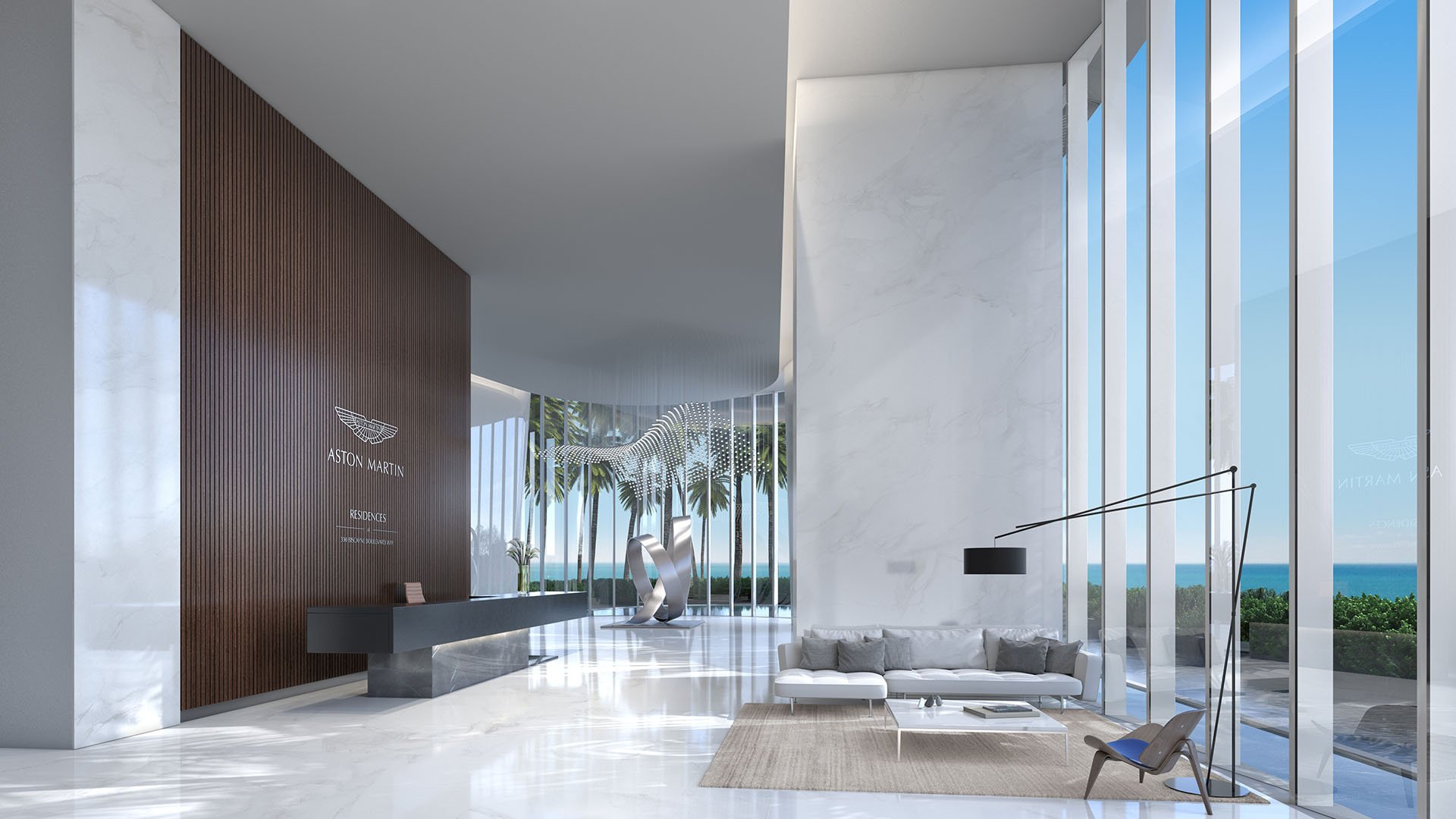
With Formula 1’s Miami Grand Prix extended through 2041, South Florida gains a rare long-horizon visibility event that reshapes where VIP demand concentrates, how developers program amenities, and how buyers underwrite lifestyle and resale. The race’s physical anchor at the Hard Rock Stadium complex in Miami Gardens matters as much as the global broadcast: it creates a durable northward gravity for hospitality, transportation, and premium short-stay demand, while Downtown and Brickell monetize the after-hours and waterfront brand halo. In parallel, Miami’s luxury condo sector continues to lean into experiential and branded living, from auto culture to F1-style simulators, adding a new layer to the region’s trophy-inventory competition.

Post-Surfside, Post-Status-Quo: How Florida’s Condo Safety Era Is Repricing Waterfront Living
Florida’s waterfront condominium market is being recalibrated by a new, compliance-forward reality. After the 2021 Surfside collapse, milestone inspections and Structural Integrity Reserve Studies have moved from industry jargon to household terms, reshaping carrying costs, buyer diligence, and the redevelopment calculus along prized coastal corridors. For owners in older towers, the conversation is no longer only about view and amenities, but also about structural timelines, reserve funding, and governance. For buyers, it is a chance to separate truly resilient buildings from those facing expensive catch-up. And for developers, it has intensified a trend already underway: paying premiums to control scarce waterfront land and deliver a new generation of ultra-luxury, engineered-to-today’s-standards residences.