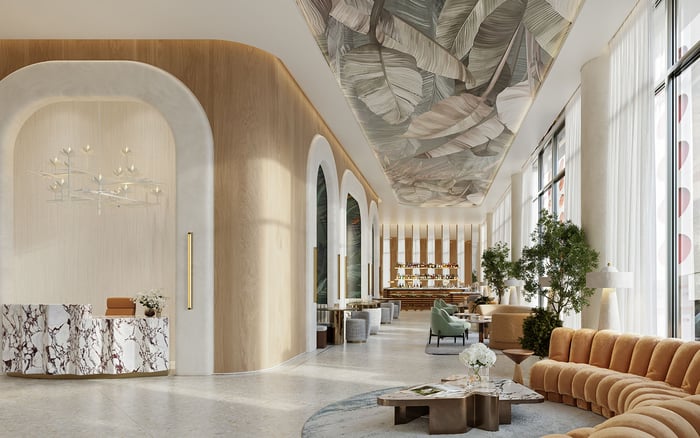
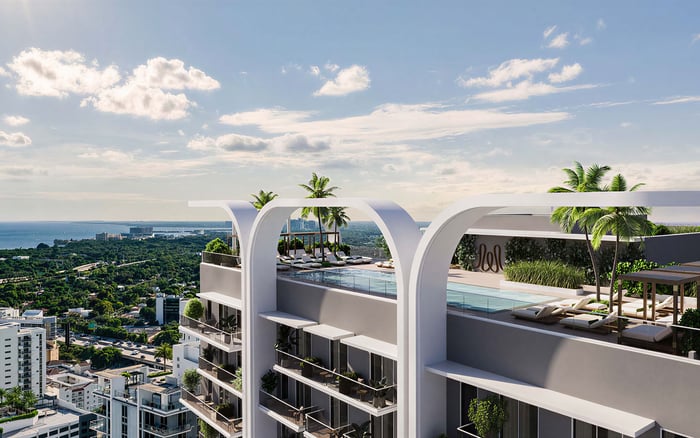
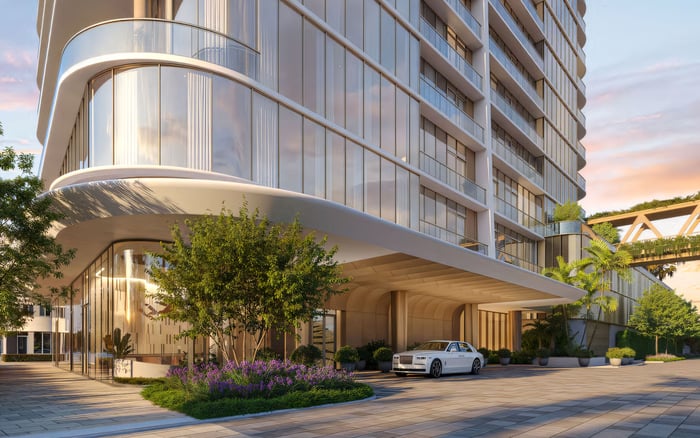
In Brickell, “boutique” can mean very different things. Some buyers want a quieter residential cadence, fewer touchpoints, and a sense that the building is an extension of a private home. Others want intimacy, but with a more theatrical service culture and a recognizable flag that signals a particular lifestyle. This comparison frames Colette Residences Brickell and Cipriani Residences Brickell through the lens that matters most to ultra-premium end users: how intimate the day-to-day experience feels, and what tradeoffs come with it.
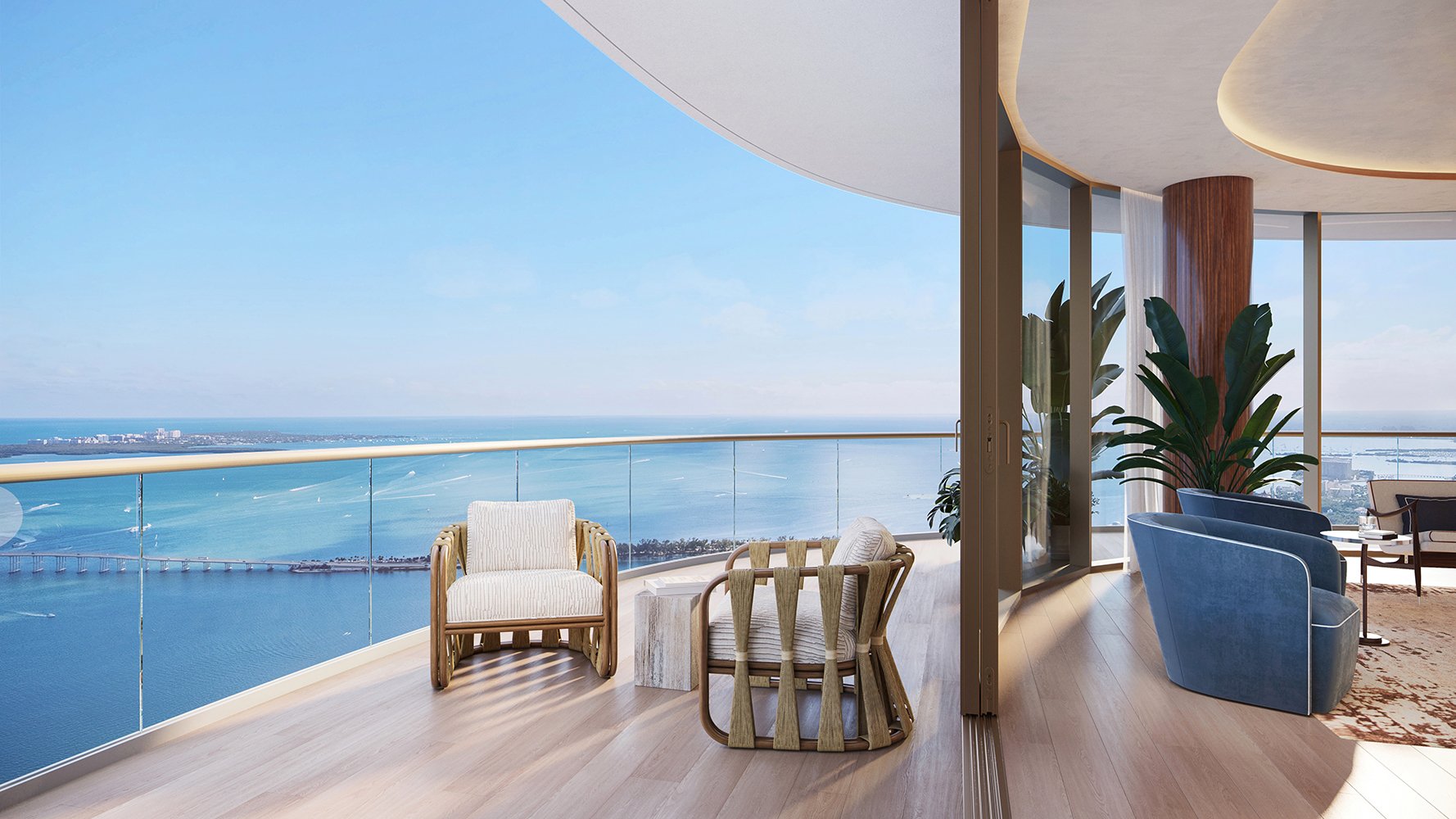
In today’s Brickell, intimacy is rarely about being removed from the city. It’s about controlling how the city meets you. The most sophisticated buyers aren’t simply asking for fewer residences; they’re asking for fewer frictions: shorter distances between car door and front door, calmer lobbies, more predictable amenity usage, and a service approach that feels attentive without feeling performative.
That’s why comparing Colette Residences Brickell and Cipriani Residences Brickell is useful. Both speak the language of elevated living in Brickell, yet their interpretations of boutique intimacy can feel very different once you translate them into day-to-day life.
For buyers tracking other Brickell product, it can help to triangulate the spectrum: a more design-forward statement like 888 Brickell by Dolce & Gabbana will read as inherently more public-facing, while a more classically positioned residential tower such as 2200 Brickell can feel quieter and more neighborhood-oriented. Colette and Cipriani sit within that same continuum, each with its own social temperature.
Colette’s appeal for buyers who prioritize intimacy is the promise of a more residential mood. In practice, “residential” isn’t décor-it’s operational. It’s arrivals that don’t feel like a hotel check-in, elevators that don’t become a social bottleneck, and amenity planning that doesn’t funnel everyone through the same highly visible corridor.
When a building is conceived for owners who value discretion, the most telling feature is often what you don’t see. Less “stage.” Fewer reasons for outsiders to circulate. A lighter footprint of programming that demands attention. The result can read closer to a private home in the sky-even in the center of Brickell.
For buyers using Brickell as a primary residence, that calm can matter. If your week is already filled with high-stimulation environments, a quieter building becomes a form of luxury. If you entertain selectively, a more subdued common-area culture can make home feel like a personal sanctuary rather than a node in the neighborhood’s social network.
To calibrate this style of boutique living, it can be helpful to compare it with other projects that emphasize a controlled residential experience over spectacle, such as Una Residences Brickell. The point isn’t architectural similarity-it’s shared intent: keep daily life elegant, effortless, and private.
Cipriani Residences Brickell plays a different card: intimacy that still has presence. For many ultra-premium buyers, a branded or legacy hospitality name isn’t about trend-it’s about certainty. You’re buying into a world with an established code of behavior and a clear point of view on service.
The intimacy here can feel more curated-and more social. Rather than minimizing the “scene,” this approach refines it. The goal is to make shared spaces read like a private club, where the building becomes an extension of your hosting life, your calendar, and your sense of occasion.
That can be ideal for residents who treat their home as a hub. If you entertain frequently, if you like the rhythm of meeting friends for a drink without leaving the building, or if you simply want a lobby with energy you can opt into, Cipriani’s personality may align.
In Brickell, this style of intimacy sits naturally alongside other hospitality-adjacent concepts. A buyer considering Cipriani may also be looking at lifestyle-forward towers like Baccarat Residences Brickell-not because they’re interchangeable, but because the decision often comes down to how “clubby” you want home to feel.
Most luxury-building comparisons overemphasize finishes and underemphasize flow. For boutique living, flow is the point. Your lived experience is shaped by the choreography of arrival, the privacy of the transition from public to private, and the predictability of elevator usage.
A discreet boutique experience tends to prioritize:
Arrivals that don’t create a long public pause
A lobby that reads residential rather than transactional
A sense that your path to your front door is yours, not a shared stage
A more club-like boutique experience tends to prioritize:
A memorable arrival sequence that signals the brand’s culture
Social visibility for residents who enjoy it
Service touchpoints that feel like a well-run private venue
Neither is universally better. The difference is whether you want your building to disappear behind you-or to greet you with a lifestyle you can step into.
Buyers often ask, “What amenities are there?” For boutique living, the better question is, “Where do they sit-and how do they feel when used?” Intimacy diminishes when amenities force collisions. It increases when you can use them without feeling watched, rushed, or placed on display.
In a quieter, residential-leaning tower, amenities typically feel like extensions of private life: places you use because they serve you, not because they impress. In a more socially oriented tower, amenities can feel like destinations within the building-designed to play a role in your public-facing identity.
For end users with tight schedules, calm amenity flow is a real value proposition. For buyers who enjoy a more event-driven routine, the magnetism of a branded atmosphere can be the point.
At the ultra-premium tier, service isn’t an add-on. It’s a daily interface. The most important variable is posture-how service behaves when you’re tired, when you’re in a rush, or when you want privacy.
A discreet posture tends to feel like:
Recognition without performance
Help without commentary
Privacy as a default setting
A choreographed hospitality posture tends to feel like:
A more formal welcome
An environment where staff presence is part of the ambience
A sense that the building is always “on,” as a venue would be
Your preference here is personal. Some buyers find choreography reassuring. Others experience it as friction. The right fit is the one that aligns with your temperament-and your tolerance for being perceived.
Boutique intimacy is also neighbor-driven. The smaller the community, the more its culture matters. In a quieter building, residents may self-select for discretion, creating a calmer baseline. In a clubbier building, residents may self-select for social connection, creating more visible activity in shared spaces.
This is especially relevant in Brickell, where many owners maintain multiple homes. If your Brickell residence is a second home or a pied-à-terre, you may value a building that delivers an immediate lifestyle upon arrival. If it’s your daily residence, you may prioritize predictability-and the ability to disappear into your own routine.
Rather than focusing on a checklist, evaluate Colette Residences Brickell and Cipriani Residences Brickell through four buyer-oriented questions:
If you need decompression, lean toward the more discreet, residential cadence. If you want energy on demand, the curated social signature may fit.
If you host privately and selectively, intimacy often means fewer eyes and fewer collisions. If you host as a ritual, a more club-like environment can elevate the experience.
If you want service to be nearly invisible, prioritize discretion. If you enjoy hospitality as part of the lifestyle, prioritize a branded, choreographed feel.
Some buyers want their building to signal their taste publicly. Others want the opposite: excellence that reads as understatement.
In Brickell, there is no single definition of boutique luxury. The smartest purchase is the one that matches your daily rhythm-not the one that wins a debate on paper.
Which building feels more “boutique” in day-to-day life? Boutique is less about labels and more about flow, privacy, and social temperature.
Is Colette Residences Brickell better for full-time living? Many full-time buyers prefer quieter, more residential rhythms, depending on lifestyle.
Is Cipriani Residences Brickell better for entertaining? If you like a curated, club-like atmosphere, it can complement a hosting-forward life.
What does “intimacy” mean in a Brickell high-rise? It typically means controlled arrival, fewer frictions, and privacy in shared spaces.
Should I prioritize amenities or layout of amenities? Layout often matters more because it determines how private and usable spaces feel.
How important is service style in choosing between the two? Very important, since service posture shapes daily comfort, privacy, and ease.
Do branded residences always feel more public? Not always, but branding often introduces a more defined social and hospitality culture.
Which is better if I want minimal interaction with neighbors? A more discreet building culture generally supports a lower-contact daily routine.
Which is better if I want a strong “arrival moment”? A hospitality-leaning concept typically emphasizes a more memorable, curated arrival.
Can I compare these with other Brickell luxury projects to calibrate fit? Yes, touring multiple concepts helps you identify your preferred privacy and energy level.
To compare the best-fit options with clarity, connect with MILLION Luxury.
If branded residences are on your mind — as a home or as an allocation — we would be glad to share what we are seeing, privately.
Begin a quiet conversation