Top 5 Luxury Condo Buildings in Miami for Boating Enthusiasts
For buyers who measure waterfront living in minutes-to-open-water and slip availability, Miami’s marina-equipped condo towers offer a rare blend of lock-and-leave ease with true yachting access. This MILLION Luxury editorial ranks five standout residential options with private marina or dockage components, then breaks down what to evaluate before you buy: draft, tidal constraints, river versus bay positioning, and how a building’s scale shapes the day-to-day boating experience.
Waldorf Astoria Residences Miami: The Tallest New Symbol of Miami Luxury
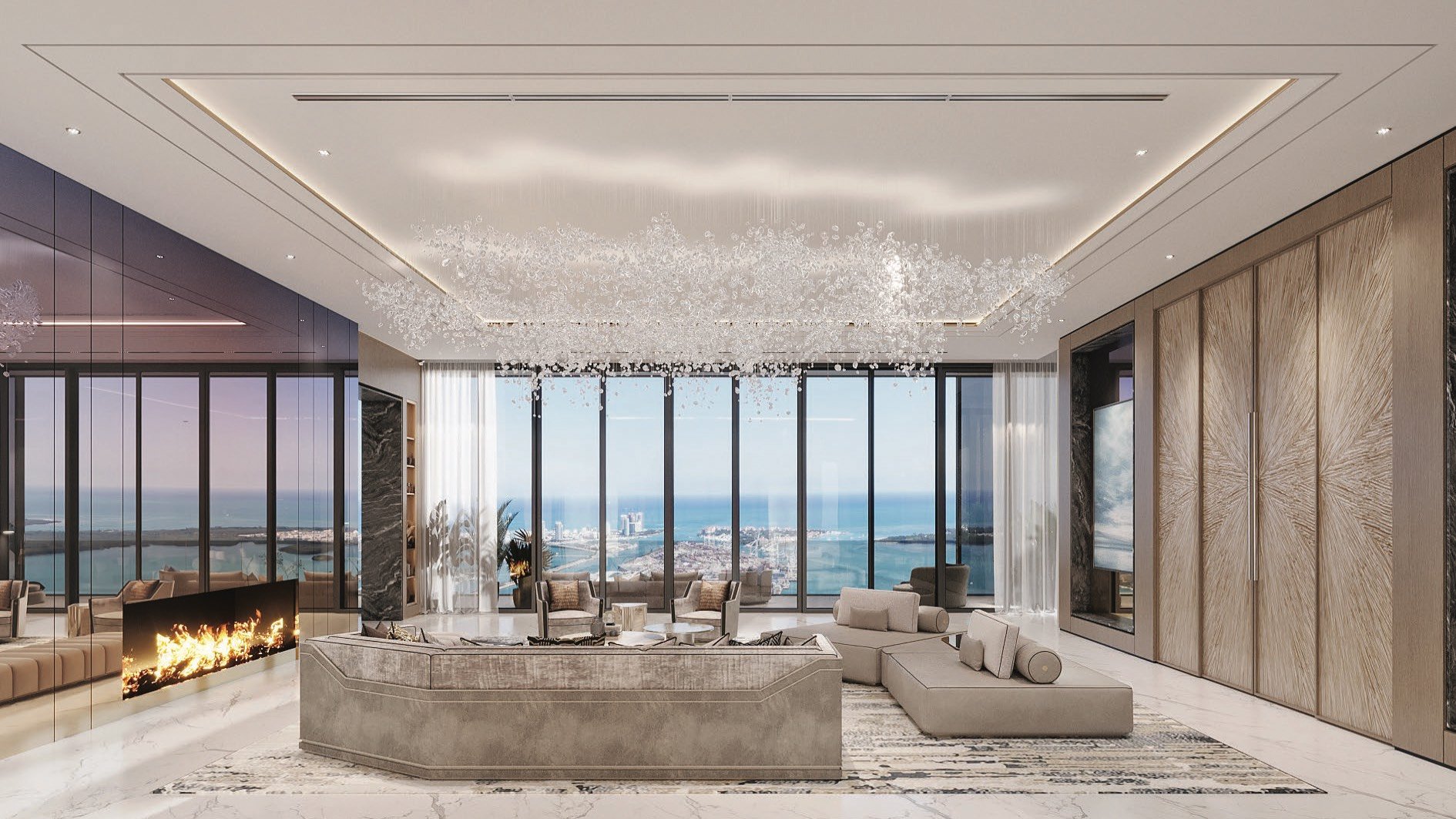
Miami’s next era of luxury is being written in vertical form. Waldorf Astoria Hotel & Residences Miami is planned as a 100 story mixed use supertall, conceived as nine stacked, offset glass cubes that spiral upward above Downtown. Beyond its silhouette, the project is a case study in how branded residences, construction execution, and true hotel service are converging into a single buyer proposition for South Florida.

Work-from-Home in Style: How Miami’s Luxury Buildings Create Office-Ready Spaces
Miami’s luxury market has moved past the improvised desk. Today’s buyers are evaluating buildings for legitimate work infrastructure: acoustic privacy, enterprise-grade connectivity, resident-only business centers, and amenity programs that let “office hours” and “resort hours” coexist in the same address.

Walkable Luxury: The Appeal of Miami’s Urban Condos for Dining, Shopping, and Work Proximity
Brickell and Downtown Miami have evolved into a true live-work-leisure core where luxury residences, hospitality-grade amenities, and walkable dining converge. For high-performing buyers, the differentiator is no longer square footage alone, but frictionless access: curated retail, private wellness, discreet meeting space, and transit that reduces decision fatigue. This guide ranks the most practical lifestyle drivers and maps them to the residential addresses that best complement an executive routine.
Aston Martin Residences vs. St. Regis Residences Brickell: Competing for Downtown Miami’s Luxury Crown
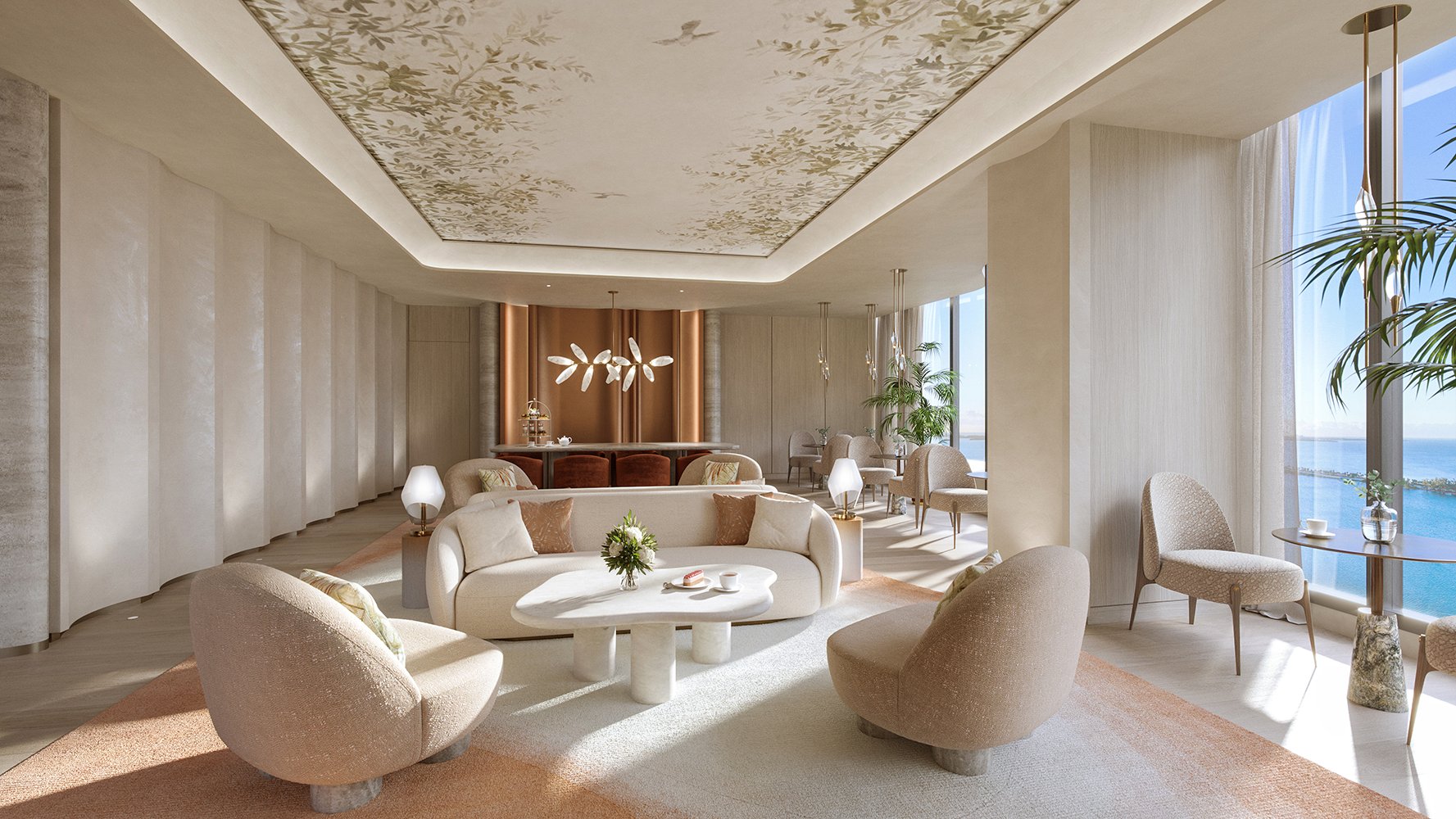
Miami’s next chapter of trophy living is increasingly written in brand language: design codes, service playbooks, and amenity ecosystems that feel closer to private clubs than condo common areas. Two projects clarify the moment. Aston Martin Residences has opened in Downtown, translating automotive precision into a finished waterfront tower with a dramatic stack of sky-level experiences and a superyacht-forward posture. St. Regis Residences Miami is rising in Brickell, promising a quieter, legacy-hotel sensibility anchored by signature service and a residential scale that reads more like a boutique tower than a mega-development. For buyers weighing lifestyle, privacy, and long-term positioning, the comparison is less about logos and more about operating philosophy. One is already delivering a completed, highly programmed vertical resort. The other is selling the idea of a managed, service-rich home that borrows from a storied hospitality culture, with architecture and interiors teams that are designed to age well. Here is how to think about both, through the lens of an ultra-premium South Florida buyer.

Furniture Package vs. Custom Interior: Should You Opt for a Turnkey Designer Look or Personalize Your Luxury Condo?
In South Florida’s luxury market, the interior is no longer just a finish schedule. For many Miami buyers, it is a decision about time, operational simplicity, and lifestyle certainty: arrive to a home that is ready on day one, or build a highly personal environment through a custom process. Turnkey residences win when speed matters, when a home needs to perform immediately as a second residence, and when ownership is meant to feel managed, not micromanaged. Custom interiors still lead when the buyer wants a one of one expression, a highly tailored floor plan, or a collection driven home that cannot be replicated through a curated package. The most common outcome is a hybrid strategy: purchasing a finished base with a coherent design language, then personalizing with removable layers like art, lighting, textiles, and selective bespoke pieces. That approach keeps the home livable quickly while protecting flexibility for future resale.