Designing for the View: Architectural Innovations to Maximize Water Vistas in Miami Homes
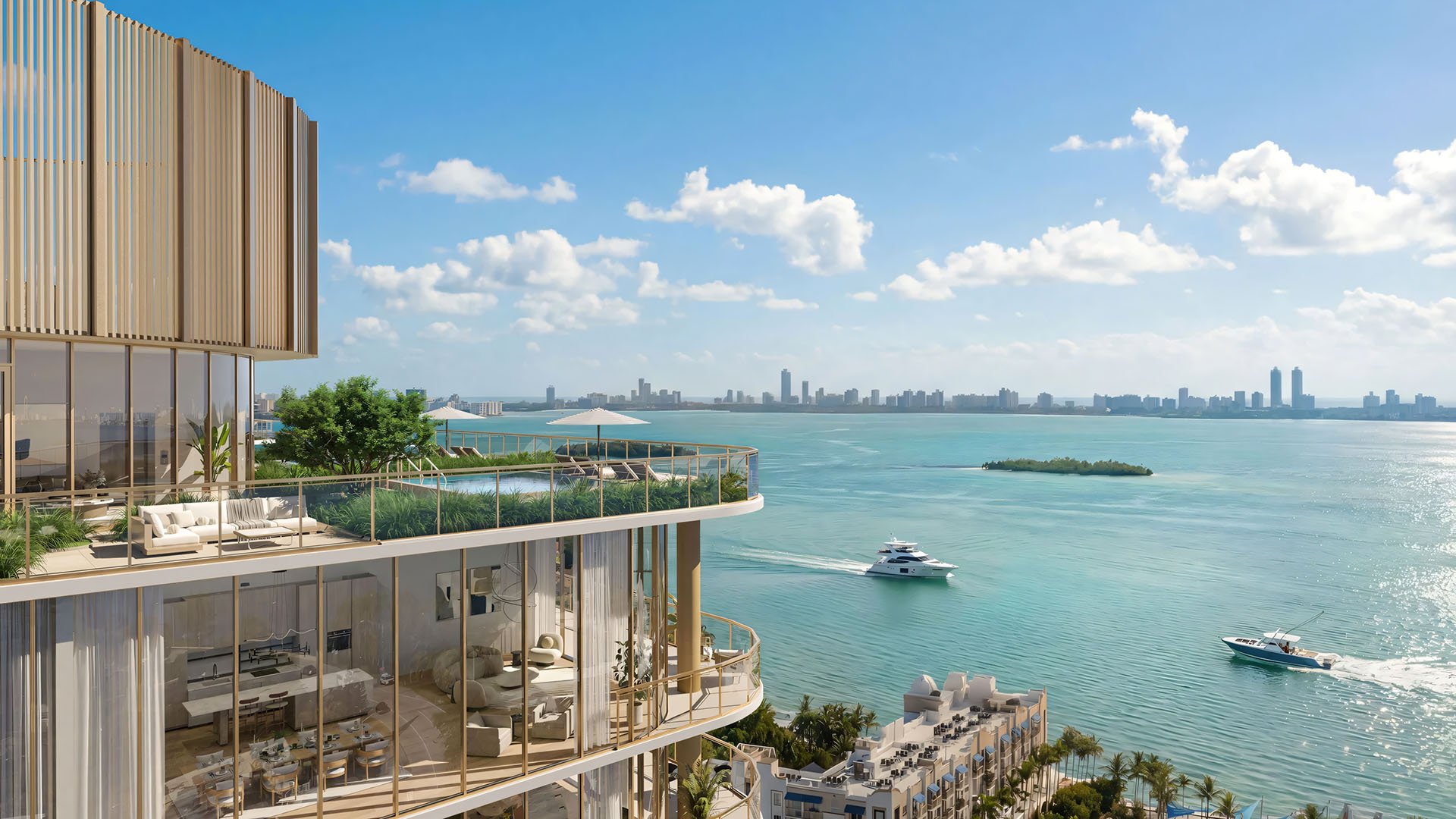
From Biscayne Bay to the Intracoastal, South Florida’s most coveted addresses are defined by their horizons. Yet in a climate shaped by intense sun, salt air, and hurricane engineering, “more glass” is never the whole answer. The most successful waterfront residences treat glazing as a system: heat management, wind performance, privacy, and interior planning all coordinated so the view reads as effortless. This MILLION Luxury editorial outlines the design moves that preserve sightlines while improving comfort: low‑E glass that controls infrared heat, laminated impact glazing that holds together under debris impact, shading that mitigates water glare, and outdoor details like near-frameless railings that keep the terrace from cutting the horizon line. Just as important, we look at how plans, kitchens, furniture layouts, and smart shading routines can protect the vista from inside, not only at the glass.

The Billionaire Buyer Playbook for South Florida Trophy Real Estate
South Florida’s ultra-luxury market is no longer defined by simple “best views” narratives. At eight and nine figures, the decision framework tightens around scarcity, discretion, security, and operational ease. From record waterfront sales in Miami-Dade to headline listings on Indian Creek and legacy-scale assembly in Palm Beach, the market is increasingly set by buyers who treat real estate as long-horizon infrastructure.

South Florida Trophy-Home Pricing When There Are No Comps
In a market where nine-figure sales can reset expectations overnight, the hardest part of buying or selling a trophy home is often proving the price. Here is how South Florida’s micro-markets, waterfront premiums, and branded condominium benchmarks shape value when traditional comparables fall short.

South Florida Luxury Real Estate in 2026: A Buyer’s Guide to Scarcity, Negotiation, and Next-Gen Towers
As Florida enters 2026, the broad housing market looks steadier, while the condo segment shows a clearer buyer advantage driven by elevated inventory. For luxury buyers, this is not a contradiction. It is a sorting mechanism: older condo product faces higher friction from safety and reserve funding pressures, while irreplaceable waterfront, branded residences, and landmark land plays continue to command attention. This guide frames what is actually moving, what is negotiating, and how to underwrite a purchase when the market is no longer one-speed.

Miami vs. the Caribbean: The New Second-Home Equation for Ultra-Wealthy Buyers
Miami’s second-home story has shifted from lifestyle upgrade to strategic positioning. In recent residential real estate analysis, Miami was ranked as the global epicenter for ultra-wealthy second homes, with roughly 13,200 ultra-high-net-worth individuals reported to own second homes here. At the same time, tax policy headlines, including a proposed California “Billionaire Tax Act” framework described as a one-time 5% excise tax on worldwide net worth above $1 billion, have sharpened the contrast between U.S. metros and offshore alternatives. For South Florida buyers, the real comparison is not “Miami or an island.” It is “Miami plus an island,” or “Miami as the operational base with optionality elsewhere.” The Caribbean remains compelling for privacy, seclusion, and residency pathways in certain jurisdictions. Yet Miami’s advantage is institutional: depth of healthcare, market liquidity and transparency, aviation and marine services, and a year-round social and cultural calendar. This is why the conversation has become less about pure escape and more about building a second-home portfolio that performs under scrutiny, whether that scrutiny is financial, familial, or geopolitical.

Inside Miami’s Mega-Mansions: The Features That Separate Ultra-Luxury From Ordinary
Miami’s most rarefied single-family estates are engineered for privacy, waterfront life, and hospitality on a scale that still feels effortless. In the ultra-luxury tier, value is shaped less by flashy finishes and more by planning: how you arrive, how staff and guests move through the home, how outdoor rooms perform in the climate, and how technology disappears into the architecture. This guide breaks down the defining features buyers expect across Miami-beach, Coconut-grove, and beyond, plus what to verify before you commit.