In South Florida luxury real estate, true residential quality reveals itself mid-week, not during a polished showing. This article examines the design, operations, and policy choices that make a tower feel composed on an ordinary Wednesday afternoon: quiet mechanical systems, private circulation, daylight, delivery management, amenity scheduling, and disciplined guest controls. For buyers comparing premier addresses from Miami Beach to Brickell and Surfside, calm is not a soft concept. It is a measurable form of livability.
A dazzling tower can perform beautifully for 40 minutes. It can scent the lobby, soften the lighting, slow elevator arrival, and frame a spectacular view. But the true measure of residential luxury is not the tour. It is the lived rhythm of a Wednesday at 3 p.m., when deliveries are arriving, staff is moving through back-of-house corridors, a few residents are taking calls from home, and the building has to prove it can remain composed without theatrical assistance.
That is when buyers begin to recognize the difference between visual luxury and operational luxury. The most satisfying buildings mute the low-grade irritations that accumulate in daily life: mechanical hum, elevator congestion, drifting temperatures, overbooked amenities, too many unfamiliar guests, and common areas that feel busier than they did on a carefully staged visit. In South Florida, where many towers compete on views, finishes, and branded storytelling, calm has become one of the clearest markers of value.
This is part of why residences such as Arte Surfside or The Perigon Miami Beach are often described in terms that extend beyond aesthetics. Buyers at this level are not simply purchasing a panorama. They are purchasing the absence of friction.
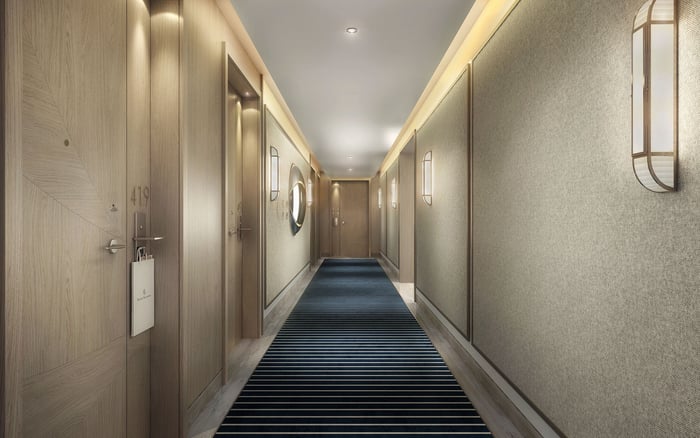
A calm tower usually starts with acoustics. Not the obvious kind, such as whether a unit hears street traffic, but the subtler sounds that emerge only after move-in: elevator machinery, pump vibration, HVAC cycling, service activity, and the background drone of appliances. These are the noises that disappear during a polished showing and become unforgettable during ownership.
The most livable towers treat acoustic comfort as a core design discipline. High-performance building envelopes matter, but so does the placement of mechanical rooms away from residences, along with isolation systems that prevent vibration from traveling through the structure. Separate HVAC zones also make a meaningful difference. Residents can maintain temperature and humidity without hearing neighboring systems switch on and off through shared duct paths.
For buyers in places like Surfside, Miami Beach, or Sunny Isles, this is where refinement becomes tangible. It is one thing for a residence to look serene. It is another for the bedroom to remain free of a faint low-frequency hum at night, or for a home office to stay quiet enough for uninterrupted work on a weekday morning. The best towers make silence feel effortless because so much engineering has gone into creating it.
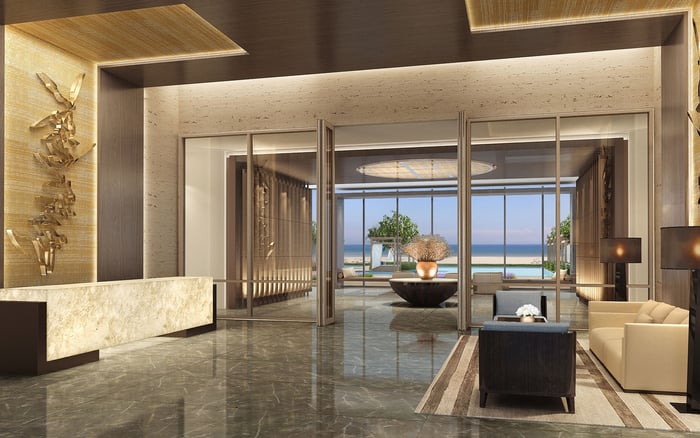
The next layer of calm is circulation. A residential tower feels very different when arrivals are reserved for residents and invited guests, rather than shared with hotel patrons, restaurant traffic, or public retail movement. Distinct lobbies and dedicated elevator banks create a sense of order that owners notice most when the building is busy.
This is especially relevant in mixed-use districts such as Brickell and Downtown, where energy can be a virtue until it spills into daily residential life. A glamorous address can still feel agitating if elevators are delayed by service traffic or if the ground floor functions more like a public concourse than a private home. By contrast, a building that controls who moves where, and when, tends to feel settled from the moment one enters.
That distinction helps explain the appeal of projects such as 2200 Brickell and The Residences at 1428 Brickell. In a neighborhood defined by pace, buyers often pay a premium for addresses that preserve residential privacy within an active urban setting.
Many tours emphasize dramatic lighting: sculptural fixtures, evening ambience, and cinematic arrival moments. Yet the buildings that tend to feel best during the week are often the ones with gentler strengths. Strong daylight, circadian-friendly illumination, and, where climate and engineering allow, access to operable windows or natural ventilation can reduce the subtle stress that sealed, overly theatrical interiors sometimes create.
Views matter in a similar way. Not all views calm the mind equally. Waterfront outlooks and nature-oriented perspectives often feel more restorative over time than purely skyline-based spectacle. The difference is less about status than about physiology. Looking at water, greenery, and horizon tends to create a quieter daily experience than facing only motion, density, and urban glare.
This is one reason certain Bayfront and Oceanfront residences remain so compelling long after the first impression fades. A building like 57 Ocean Miami Beach benefits from the intrinsic softness of water views, sea light, and outdoor connection. These are not merely visual amenities. They help define how a residence feels at noon on a workday.
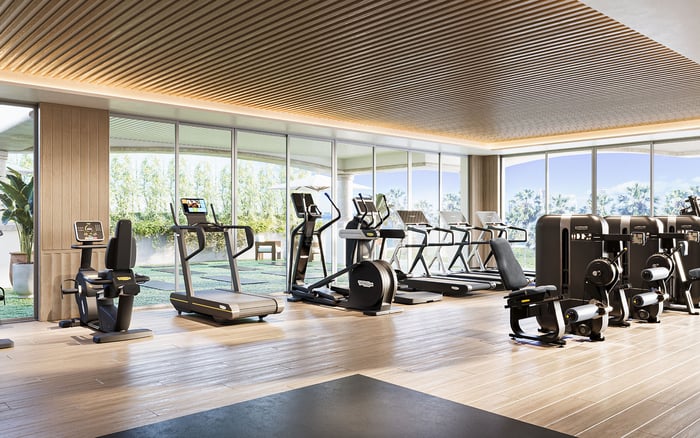
Luxury towers often compete by adding more: another treatment room, another lounge, another pool deck, another wellness concept. But abundance alone does not produce calm. Programming does. A spa that uses appointments intelligently can feel private even in a well-occupied building. A fitness center with staggered use patterns feels gracious in a way that a crowded, over-photographed gym never will.
The same principle applies outdoors. Landscaped terraces and quiet garden zones generally support everyday decompression better than hardscaped plazas designed primarily for visual impact. Shade, planting, acoustic softness, and places to sit without performance all matter. The best amenity floors allow residents to disappear for 20 minutes, not just entertain for two hours.
In Coconut-grove and Bay-harbor settings, where buyers often seek a more residential cadence, this distinction is especially important. Projects such as The Well Coconut Grove speak to a wider shift in luxury expectations: wellness is no longer about the quantity of amenities, but the quality of use.
If design creates the possibility of calm, operations make it real. Mid-week serenity depends heavily on what residents never want to think about: package handling, service elevator choreography, maintenance timing, housekeeping routes, guest screening, and the staff culture that keeps all of it coherent.
Concierge systems that pre-sort deliveries reduce lobby clutter and elevator competition. On-site management during business hours adds a quiet but noticeable sense of control. Even occupancy balance plays a role. A tower that is too empty can feel cold and unsupervised; a tower that is too full can make every shared space feel like a club rather than a residence.
Policy matters as well. Restricting short-term rentals and managing guest access often makes a building feel more secure and more settled during the week. Quiet-hours rules, and the willingness to enforce them, are not glamorous sales material. But they are central to the lived experience of ownership. Buyers looking at top project addresses often focus on stone selection, ceiling heights, and brand association. The wiser question is simpler: who is running the building, and how disciplined are they on an ordinary Wednesday?
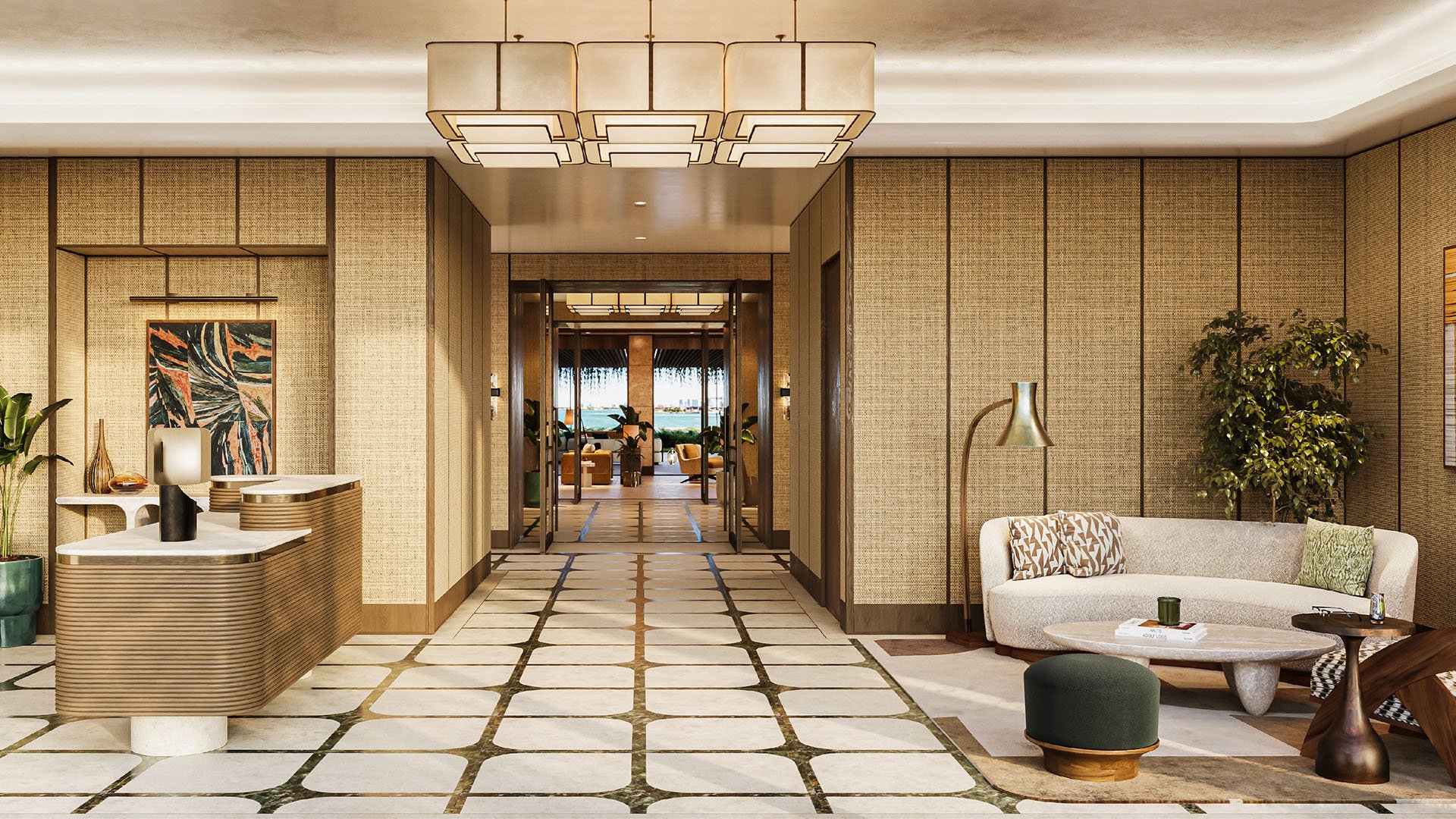
The best way to judge calm is to visit when the building is not performing for you. Mid-afternoon on a weekday is ideal. Watch how quickly the elevator arrives when service traffic is active. Listen for mechanical noise in corridors and inside the residence with the conversation paused. Ask how deliveries are handled, whether amenity use is scheduled, and how guest access is managed. Notice whether the lobby feels residential or transactional.
Then look beyond the unit. Does the outdoor space invite quiet use, or only visual admiration? Does the light feel healthy in the middle of the day? Is the building insulated from retail commotion, or does weekday foot traffic leak into the residential mood? These are the details that distinguish a property that dazzles briefly from one that supports a very high standard of living.
In the end, Wednesday calm is not a marketing flourish. It is the result of hundreds of decisions, most of them invisible, all of them consequential.
Why do some luxury towers feel quieter after move-in than others? Because acoustic comfort depends on envelope quality, mechanical isolation, HVAC design, and appliance noise, not just thick glass or a polished lobby.
Why is a weekday tour better than a weekend showing? Tuesday through Thursday reveals deliveries, maintenance flow, elevator demand, and amenity use patterns that staged tours often conceal.
Do mixed-use buildings usually feel less calm? They can, especially when hotel, retail, or public traffic shares arrival areas and elevator systems with residents.
What should I listen for inside a unit? Pause the conversation and listen for low-frequency hum from HVAC, elevators, pumps, and nearby service activity.
Are water views actually more calming than skyline views? Often yes. Water and nature outlooks tend to feel more restorative in daily life than views centered only on urban drama.
Do operable windows matter in luxury towers? When engineering and climate allow, they can improve perceived comfort and give residents more control over air and atmosphere.
Why does amenity scheduling matter so much? Because a well-programmed spa or fitness floor feels private and usable, while unscheduled peak times can make premium spaces feel crowded.
How do rental policies affect the mood of a building? Stricter controls on short-term rentals and guest access often make a tower feel more settled, secure, and residential.
Is strong management really as important as design? Yes. Delivery coordination, maintenance timing, staffing presence, and rule enforcement shape the lived experience every day.
What is the simplest test for a calm tower? Visit mid-week, linger longer than the formal tour, and pay attention to noise, elevator flow, daylight, and how the building handles routine activity.
To compare the best-fit options with clarity, connect with MILLION.
If branded residences are on your mind — as a home or as an allocation — we would be glad to share what we are seeing, privately.
Begin a quiet conversation