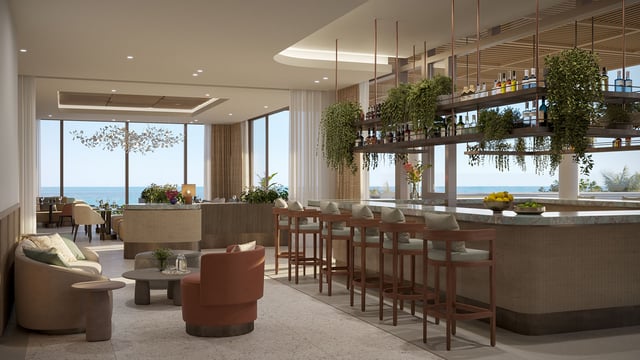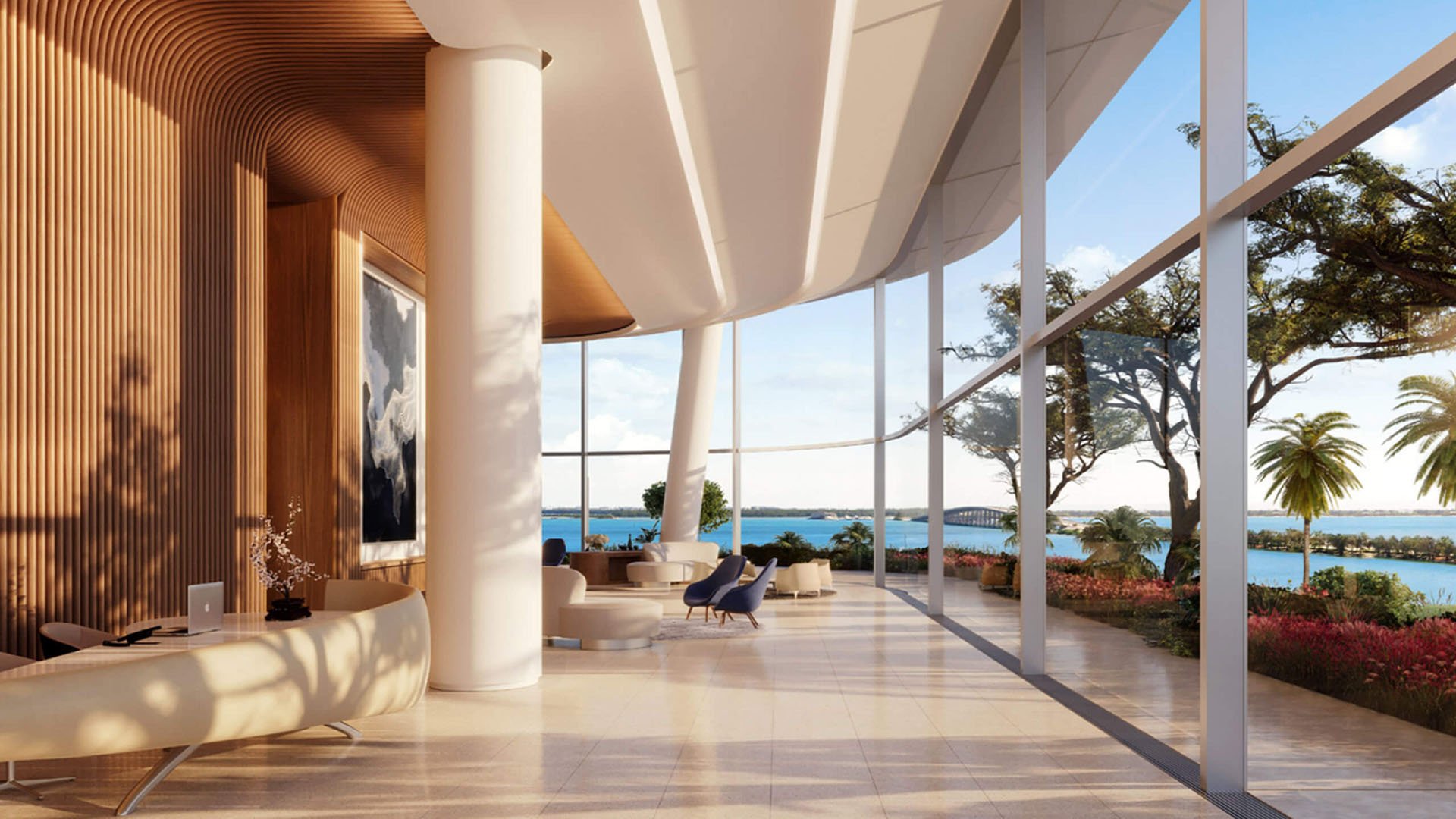
Behind the Sales Gallery at Una Residences Brickell: Questions Buyers Should Ask Before Choosing a Line
Choosing a line at Una Residences Brickell requires scrutiny of orientation, elevation, privacy, floor-plan utility, recurring costs, terrace conditions, and potential changes to surrounding parcels before a buyer commits.
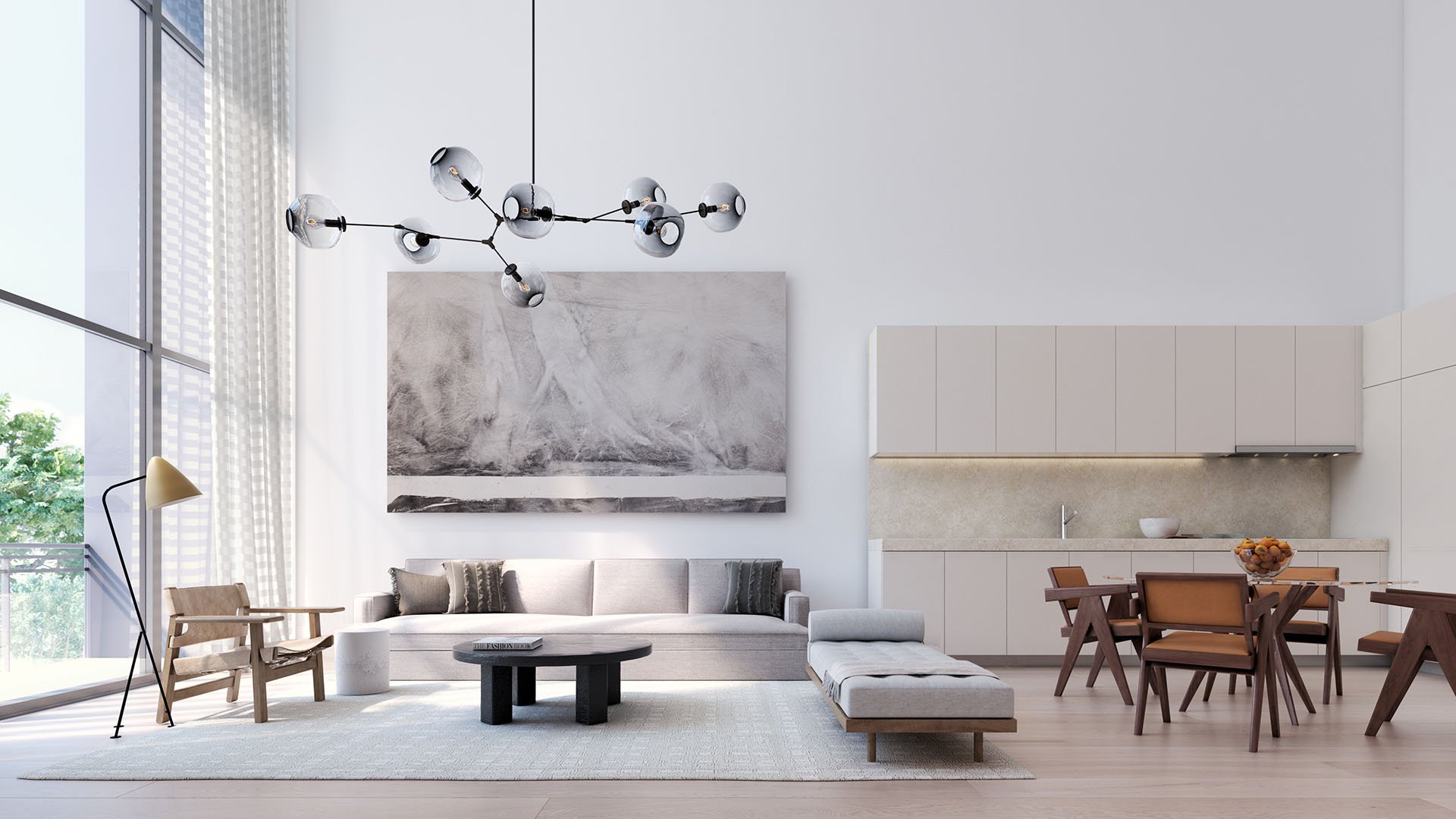
Design Package Choices at Arbor Coconut Grove: How Customization Can Affect Timing and Resale
At Arbor Coconut Grove, finish decisions deserve the same discipline as the floor plan. This buyer-focused guide examines how to evaluate design packages, manage customization decisions, protect execution, and preserve broad resale appeal without assuming project-specific options that must be confirmed in the purchase documents.
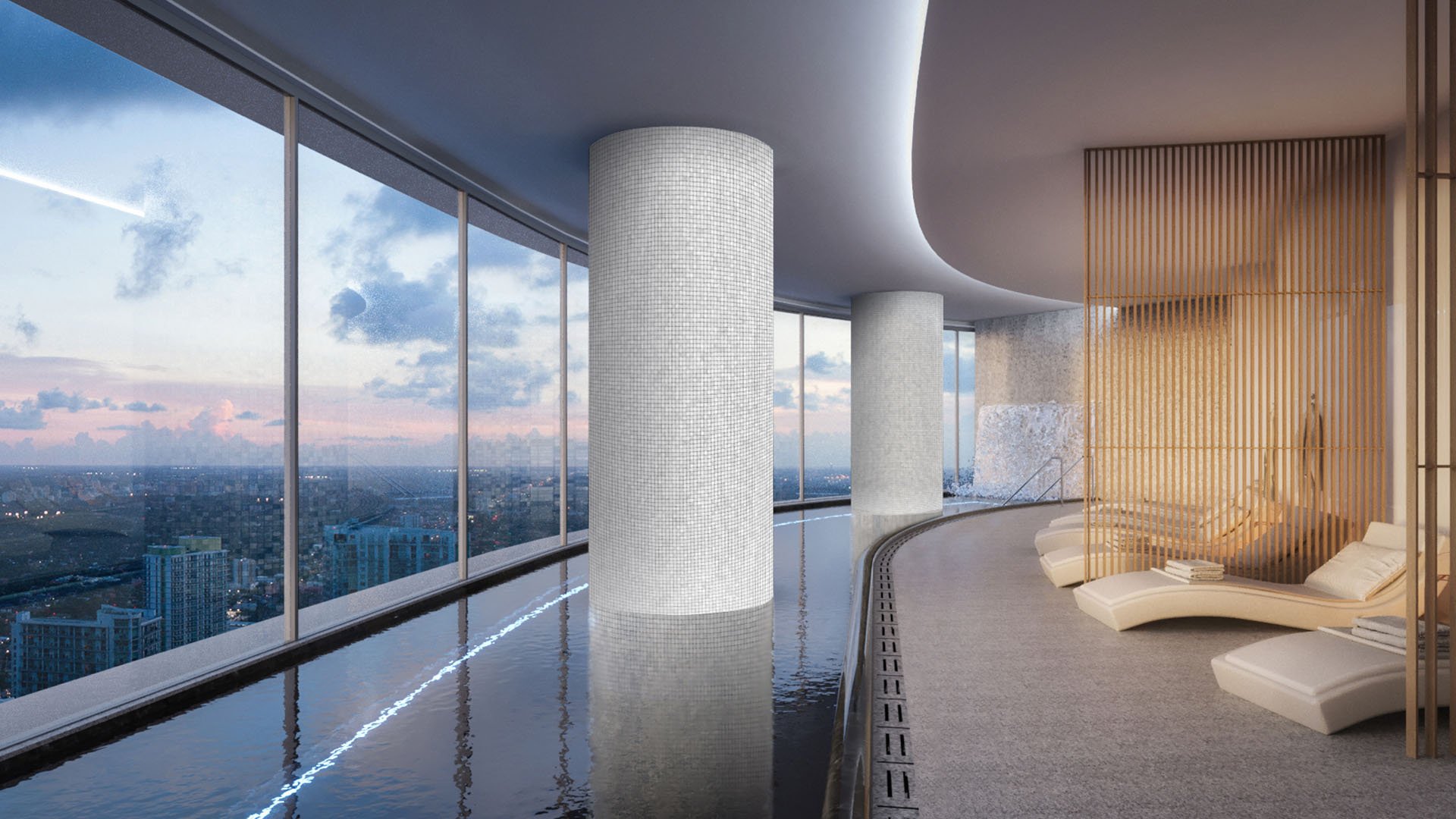
Primary Residence Potential at Aston Martin Residences Downtown Miami: How to Test Space, Storage, and Neighborhood Fit
A disciplined framework for determining whether a residence at Aston Martin Residences Downtown Miami can support full-time living, from room-by-room measurements and storage capacity to daily routes, building operations, and neighborhood fit.
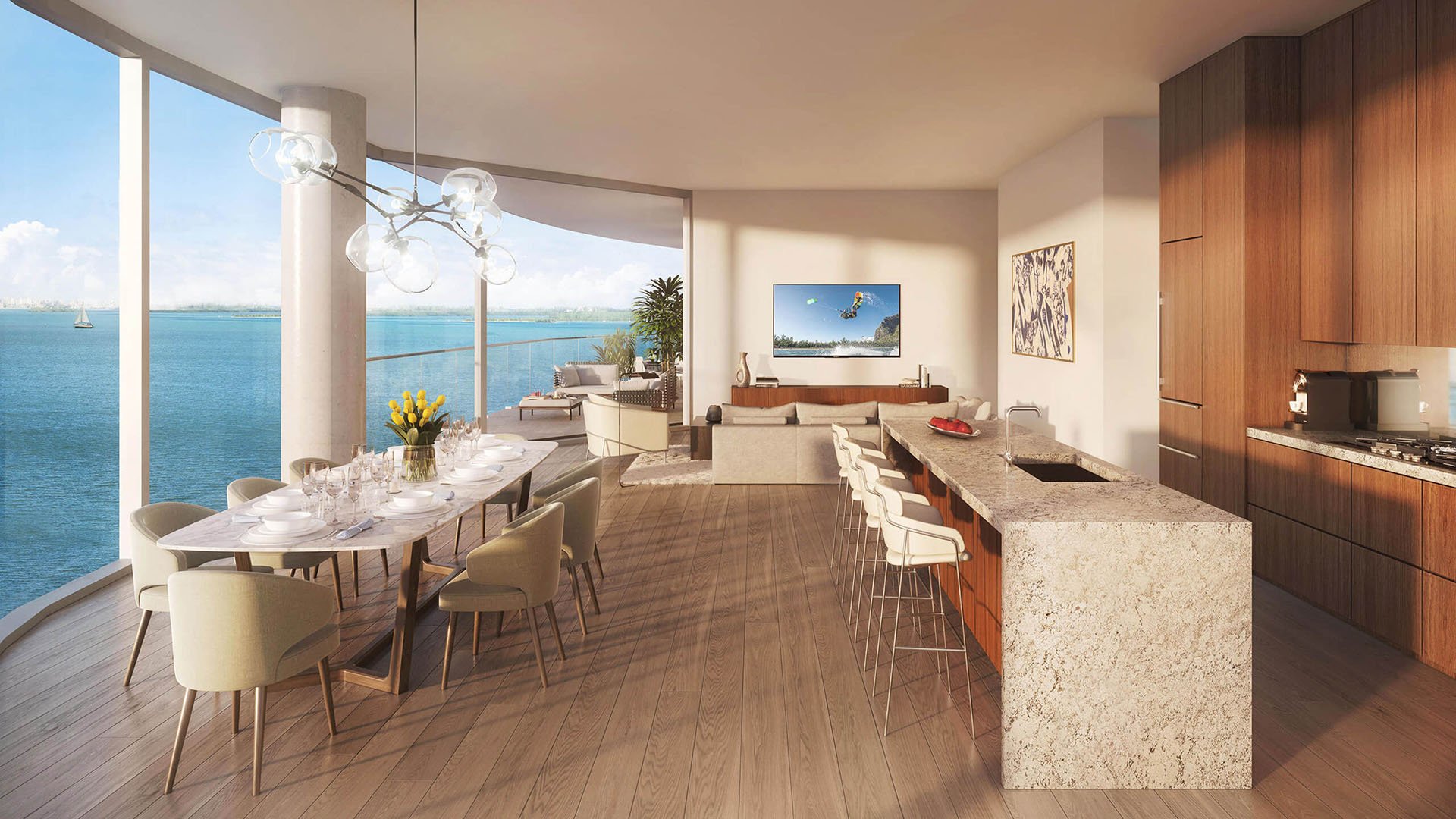
Walkthrough Strategy at 888 Brickell by Dolce & Gabbana: What to Inspect Beyond Finishes, Fixtures, and Views
A disciplined luxury-condominium walkthrough examines performance, documentation, tolerances, acoustics, exterior transitions, and the path from observed issue to verified correction.

Best New Construction Residences in South Florida for Buyers Who Want Walkability without Sacrificing Discretion
A buyer-focused guide to balancing pedestrian convenience with residential privacy across South Florida’s most compelling luxury districts.
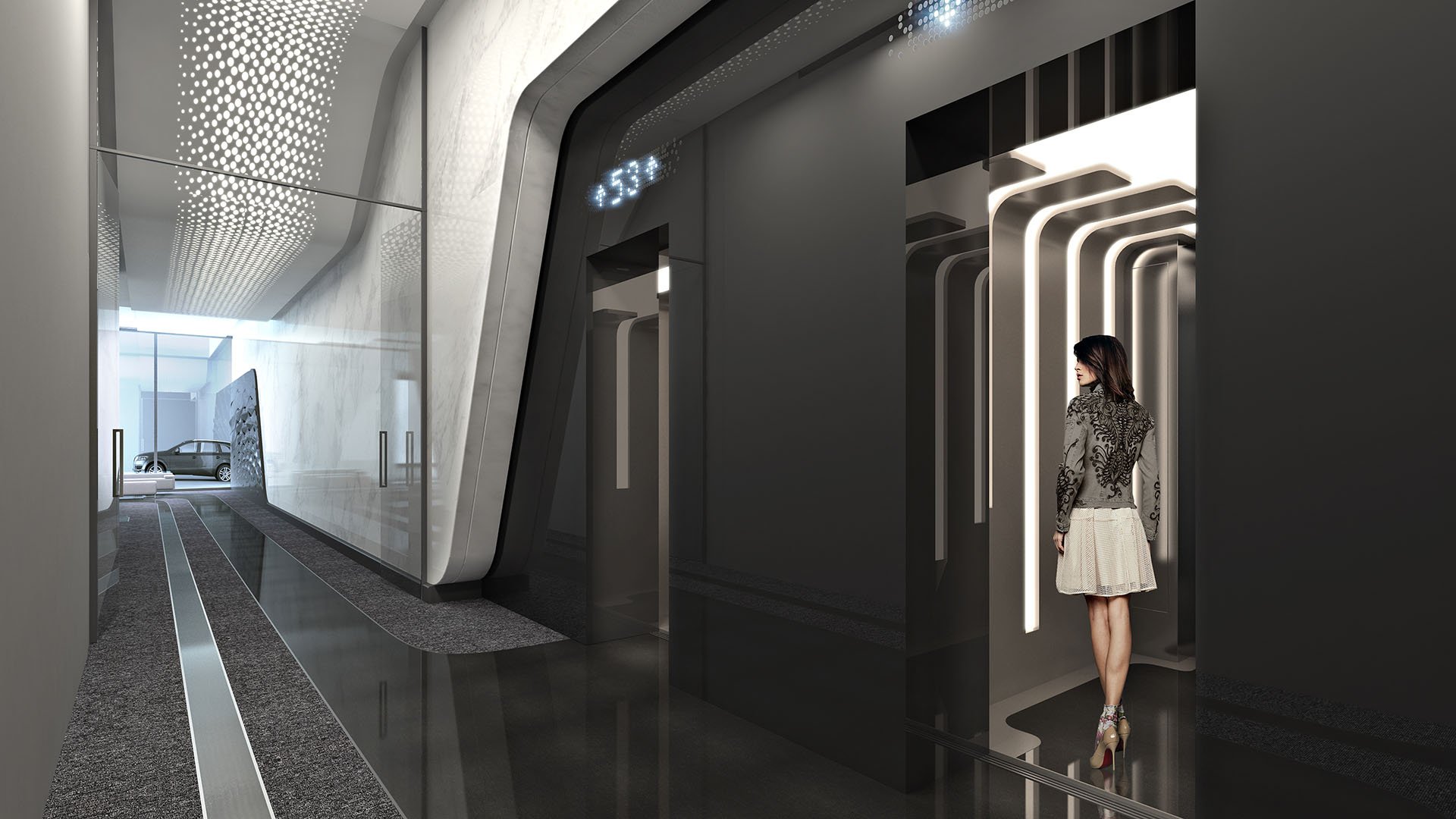
The 2026 Buyer’s Lens on 888 Brickell by Dolce & Gabbana: Elevator Privacy in a Vertical Neighborhood Without Losing Ownership Discipline
At 888 Brickell, buyers can evaluate privacy by reviewing circulation plans, access protocols, ownership documents, governance terms, and cost allocations. The disciplined approach is to verify how residential, guest, staff, service, and any hotel-related functions would interact before assigning value to the branded experience.