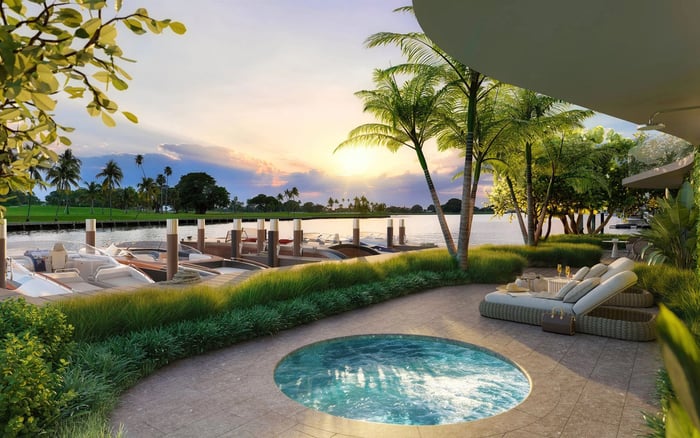
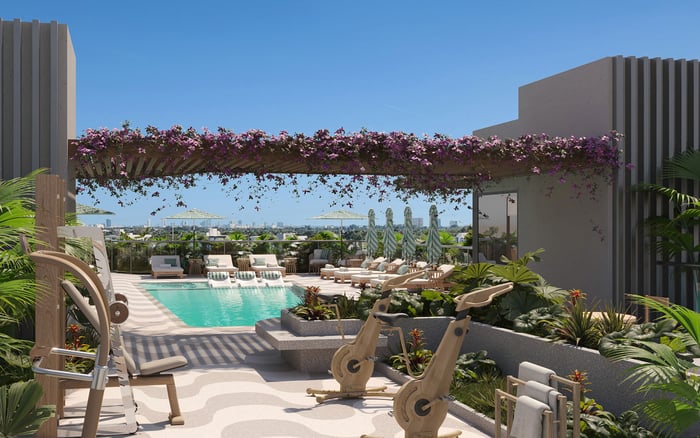
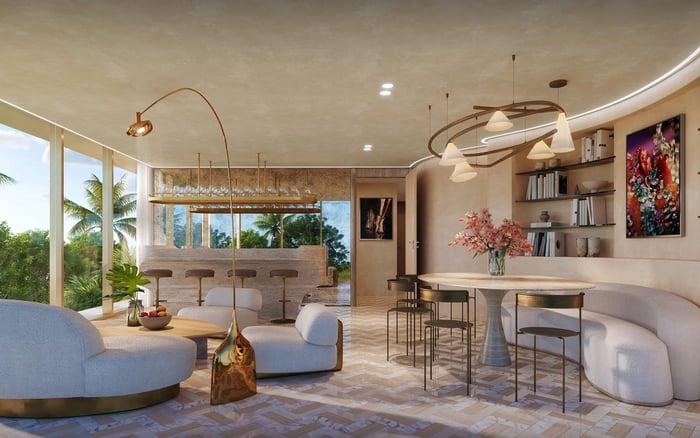
At Ponce Park Coral Gables, layout is not only a plan decision, it is an aesthetic one. Open concept interiors read as luminous, gallery-like and social; zoned living feels composed, private, and furniture-driven. This editorial compares how each approach looks and lives in a luxury context, with practical cues for buyers weighing entertaining, family rhythms, work-from-home, and long-term resale.
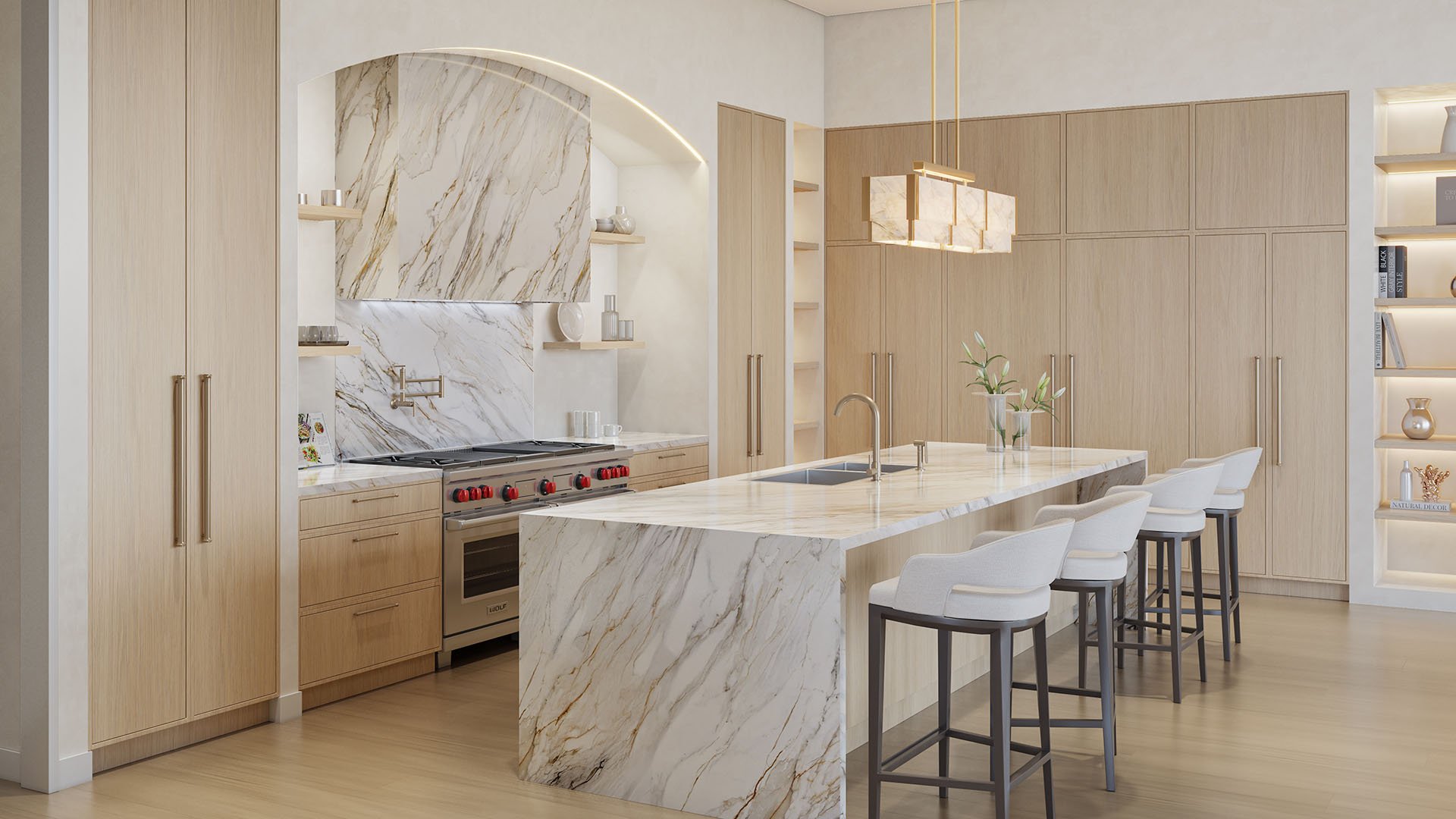
In Coral Gables, a floor plan is rarely judged on efficiency alone. It’s judged on presentation: what you take in the moment the elevator opens, how daylight moves through the home, where conversation naturally gathers, and whether the residence reads as one continuous “scene” or a sequence of composed rooms. At Ponce Park Coral Gables, the open concept versus zoned living conversation is ultimately an aesthetic choice-with clear lifestyle implications.
Open concept and zoned living are often treated as opposites. In practice, the most elevated residences borrow from both. The distinction isn’t simply whether a wall exists; it’s whether the home’s visual rhythm is uninterrupted or intentionally edited, and whether the interiors are meant to be absorbed at once or experienced in deliberate chapters.
At its best, an open concept layout feels like a private gallery. It leans on uninterrupted sightlines, long planes of floor and ceiling, and a continuous wash of natural light. Visually, that can be especially compelling in South Florida, where brightness is part of the design language. A well-proportioned great room makes art read larger, furniture feel more sculptural, and views behave like a central element of the interior composition.
Aesthetically, open concept rewards restraint: fewer moves, made with more conviction. When the kitchen, dining, and living areas are legible from a single vantage point, the room demands coherence. Materials have to speak the same language, and visual clutter has nowhere to recede. Done well, the result is a serene, modern composition that still feels expansive.
Open concept also favors architectural “quiet.” Instead of drama created through corridors and doorways, the drama is in proportion: a longer dining axis, a more generous window wall, a cleaner line to the terrace. For buyers who entertain often, the look is inherently social-hosts remain visually connected to guests, and the space reads as a single luminous setting.
Zoned living is less about openness and more about orchestration. A zoned home feels curated because each room can hold a distinct identity: a dining room with deeper color and lower light, a living room with a tighter seating geometry, a library or den with softer materials and improved acoustics.
Design-wise, zoning enables layering. Rather than one dominant “great room” statement, you can build multiple moods. That can be particularly appealing to buyers who collect books, host formal dinners, or prefer a sense of arrival and progression. The home becomes a sequence-entry, salon, dining, retreat.
Zoned plans can also feel more discreet. In an actively used residence, separation prevents day-to-day life from defining the first impression. Catering, children’s toys, and work-from-home equipment can live in secondary rooms. For many luxury buyers, that discretion is the feature. The home can remain composed even while it’s being lived in.
The “best” layout is the one that matches how you want the home to perform.
Open concept excels when the priority is entertaining and informal luxury. If you imagine larger gatherings, an open plan keeps circulation intuitive and guests within a shared visual field. It also complements the contemporary South Florida preference for indoor-outdoor living, where the terrace reads as an extension of the main room rather than a separate destination.
Zoned living excels when the priority is privacy and parallel activity. For households where someone is on a call while others are watching a film-or where early risers and late sleepers share the same residence-zoning becomes a form of acoustic design. It also suits owners who prefer a more traditional sense of “rooms,” even if the finishes and detailing are thoroughly modern.
A practical tell: if you want your home to feel like a hotel suite, open concept often aligns. If you want it to feel like a residence built around distinct rituals, zoned living tends to fit.
Many of the most livable luxury plans in Coral Gables are neither fully open nor classically compartmentalized. They’re softly zoned.
Soft zoning uses thresholds that register visually without functioning as barriers. Think:
A shift in ceiling height over the kitchen or dining area.
A change in flooring tone or rug scale to define seating zones.
A millwork “spine” that frames the kitchen while preserving sightlines.
A pocket door or panel that can close a room without making it feel sealed.
The advantage is control. You can keep the gallery-like light of open concept while giving the home a clearer cadence. Soft zoning also tends to age well: it can feel current now and still feel right if preferences swing back toward more defined rooms.
Open concept interiors require furniture to do architectural work. Without walls, the sofa, dining table, and console become the primary organizers of the space. The aesthetic risk is “float,” where pieces feel adrift and the room loses hierarchy.
To prevent that, open plans typically benefit from:
Strong anchoring rugs sized to the seating group.
Consistent sightline heights so the room reads level and calm.
Fewer, larger pieces rather than many small ones.
Integrated storage, so surfaces stay visually quiet.
Zoned living is more forgiving. Smaller rooms can handle more pattern, more collected objects, and more varied lighting. Expression stays contained, rather than washing across the entire home at once.
In open concept, the kitchen is always “on,” and that has real aesthetic consequences. Finishes need to be refined, appliances ideally integrated, and everyday mess managed. If you like the energy of a kitchen participating in the room, open concept is compelling. If you prefer the kitchen to recede, zoning becomes a luxury feature.
Zoned living also supports a more ceremonial dining experience. A dining room that isn’t visually tethered to the kitchen can feel calmer and more formal-even with contemporary furnishings.
For buyers cross-shopping other lifestyle-forward projects, it can be useful to notice how different neighborhoods interpret this decision. In Brickell, for example, many residences lean into open, view-driven great rooms. Seeing how an urban tower approaches openness can help clarify your own preferences. A quick comparison point is 2200 Brickell, where the visual logic of open living often centers on a single, continuous social space.
The most immediate advantage of zoned living today isn’t purely aesthetic at first glance, but it becomes aesthetic in everyday use: sound control. A dedicated den, library, or secondary lounge helps keep calls and focused work from overtaking the visual identity of primary entertaining areas.
Open concept can still support work-from-home-especially when the plan includes a true study or a bedroom that comfortably converts to office use. The aesthetic goal is straightforward: keep the “tools” of work from becoming the dominant visual story.
Wellness follows similar logic. If you want morning quiet, meditation, or a separate media environment, zoning makes those experiences feel designed rather than improvised.
In ultra-premium markets, resale tends to be less about chasing a trend and more about preserving flexibility. Open concept has broad appeal because it photographs well and reads as immediately spacious. Zoned living holds lasting appeal for buyers who prioritize privacy, family functionality, and a more classical sense of composition.
Often, the most durable choice is a plan that can shift. Soft zoning, sliding panels, and adaptable dens can protect value by allowing a future owner to rebalance openness and privacy without a full reconfiguration.
If you’re also considering beachfront living, it’s instructive to see how oceanfront residences manage sightlines and separation. Many coastal homes maximize the “one-room” view experience, yet still carve out quiet retreats. Projects like 57 Ocean Miami Beach provide a helpful mental reference for how openness and privacy can coexist when the view is the anchor.
Coral Gables is not only a location-it’s an aesthetic posture. Buyers often seek interiors that feel refined, calm, and residential rather than purely dramatic. That can tilt preferences toward zoning, or at least toward a more edited version of open concept.
At the same time, modern luxury in the Gables increasingly embraces lightness and fluidity, particularly in homes designed for entertaining across indoor and outdoor settings. The question becomes: do you want the residence to read as one composed panorama, or as a series of intimate, well-dressed rooms?
If you want to see how a neighborhood with a more resort-forward sensibility approaches zoning, Bay Harbor Islands can be a useful contrast. Consider the way The Well Bay Harbor Islands positions lifestyle spaces; it can help clarify whether you prefer a single social volume or a more compartmentalized daily rhythm.
When you evaluate layouts at Ponce Park Coral Gables, focus on the aesthetics you’ll live with every day:
First impression from the entry. Do you want an immediate view through the residence, or a moment of arrival before the main rooms reveal themselves?
The role of the kitchen. Are you comfortable with it being part of the visual foreground?
Acoustic expectations. Will multiple people use the home simultaneously, with different schedules and sound tolerances?
Your furnishing style. Do you prefer fewer, larger pieces and a restrained palette (open concept), or do you enjoy layered rooms with distinct identities (zoned)?
Entertaining style. Do you host larger, more fluid gatherings, or smaller, more formal dinners?
The most sophisticated answer is often not either-or. It’s a plan that reads cleanly open where you want glamour and light, and quietly zoned where you want privacy and calm.
Which layout feels more luxurious: open concept or zoned living? Both can feel luxurious; it depends on proportions, detailing, and how intentionally the spaces are composed.
Does open concept always feel larger? Often yes, because sightlines are longer, but a well-zoned plan can feel expansive if corridors are minimized.
Is zoned living better for families? Typically, yes; it supports parallel activities and gives bedrooms and studies more separation from social areas.
Do open layouts make noise worse? They can, since sound travels; look for design features like separated dens, heavier doors, and thoughtful finishes.
What is “soft zoning”? It is defining areas with millwork, ceiling changes, or sliding panels instead of permanent walls.
Which layout is better for art collections? Open concept favors large-scale works and clean walls, while zoned living offers more wall surface and varied lighting.
How does kitchen design affect the decision? If you want the kitchen visually discreet, zoned plans help; if you like a social kitchen, open plans shine.
Will an open plan date faster than a zoned plan? Not necessarily; adaptable plans with subtle thresholds tend to remain timeless regardless of trend cycles.
What should I prioritize when touring Ponce Park Coral Gables? Prioritize entry experience, kitchen visibility, acoustic privacy, and how naturally furniture could define the space.
Can a residence be both open and private? Yes; the best luxury layouts combine generous social areas with secluded retreats and closeable rooms.
For a confidential assessment and a building-by-building shortlist, connect with MILLION Luxury.
If branded residences are on your mind — as a home or as an allocation — we would be glad to share what we are seeing, privately.
Begin a quiet conversation