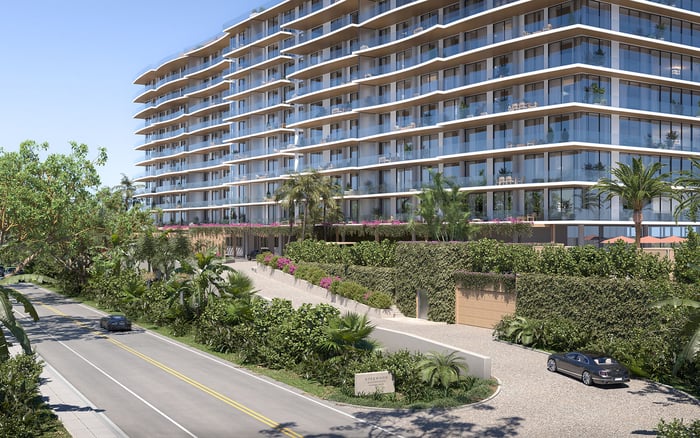
In South Florida’s most design-literate households, the dedicated toddler playroom has quietly evolved from a nice-to-have into a true planning decision. At The Village at Coral Gables, the question is not simply whether a playroom fits, but what its footprint should be, where it belongs in the plan, and how it can mature gracefully as children grow. This editorial looks at playroom sizing through a luxury lens: circulation, storage, acoustics, sightlines, and long-term flexibility. The goal is a room that feels intentional in year one, not improvised by year three, and never at odds with the architecture that drew you to Coral Gables in the first place.
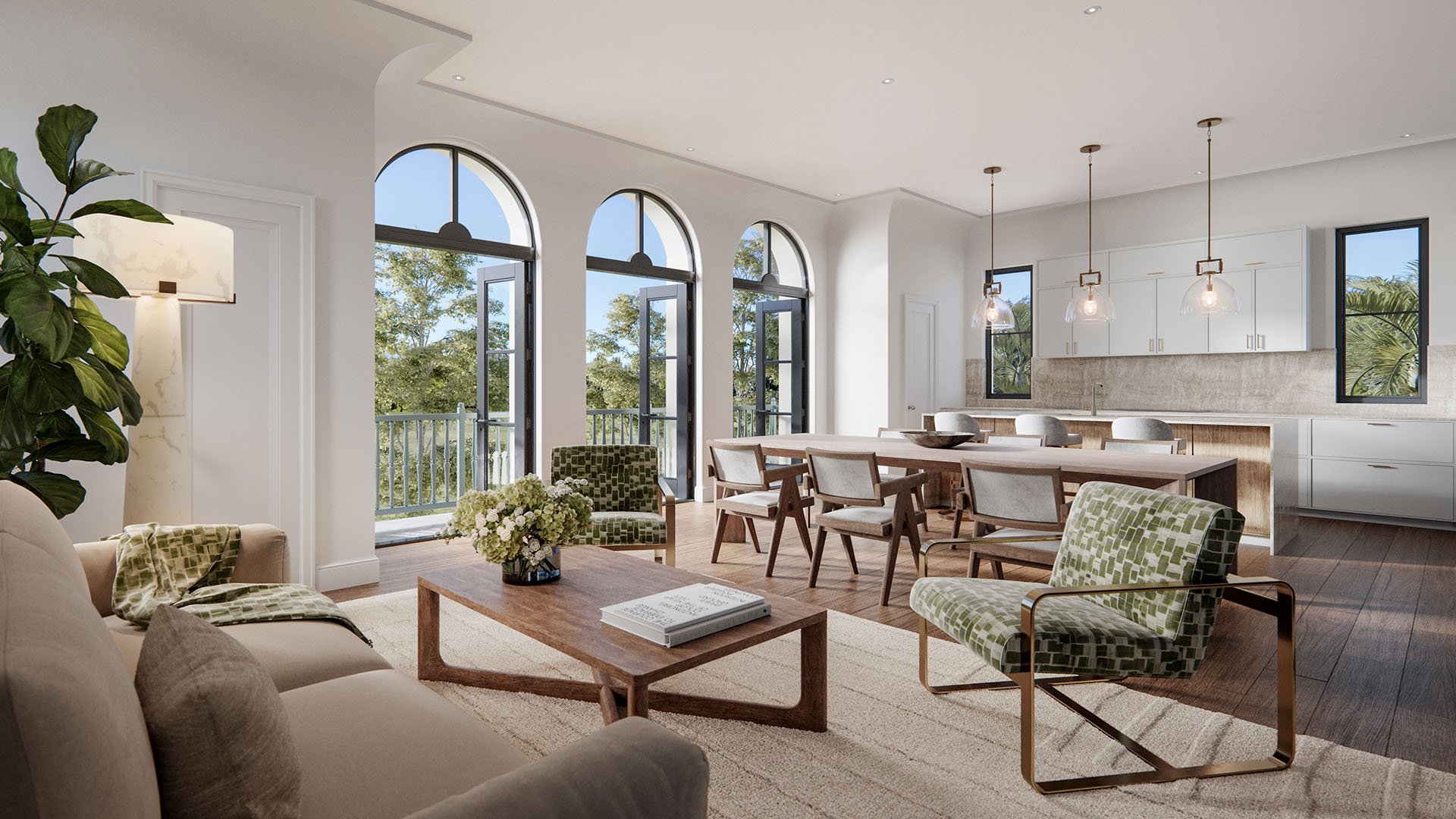
In Coral Gables, space is rarely accidental. Whether you are prioritizing walkability, school proximity, or the enduring appeal of Mediterranean Revival streetscapes, the most satisfying residences are the ones whose interiors feel edited-not merely enlarged. A dedicated toddler playroom sits at the center of that philosophy: it is a practical room, but also a lifestyle decision that shapes daily rhythm, hosting, and long-term resale.
At The Village at Coral Gables, the “right” playroom size is less about an abstract number and more about what the room is expected to do. If it is the primary daytime destination, it needs clear zones and durable performance. If it is an overflow space that allows a living room to remain intentionally pristine, it can be more compact-provided it is ruthlessly efficient.
The discreet luxury approach is a playroom that reads as part of the home’s architecture, not a temporary containment strategy.
A toddler playroom that functions elegantly usually includes a handful of recurring zones. The more of these you truly need, the more footprint you should allocate.
1) Active zone.
Floor-first: tumbling, blocks, ride-on toys. It benefits from a clear center and forgiving finishes.
2) Quiet zone.
A reading corner, small sofa, or built-in bench that signals a downshift. This is where a playroom starts to feel like a room-not storage.
3) Maker zone.
A toddler-height table, a washable surface, and a place where crayons and kinetic sand can exist without negotiating with the dining room.
4) Caregiver perch.
Not an afterthought. If a parent or nanny can sit comfortably with a sightline that reaches the doorway, the room gets used more-and argued about less.
5) Hidden storage wall.
The luxury version of a playroom is the one that can close at 5:30 pm and still look composed.
When buyers force all five into a footprint that is too tight, circulation is the first casualty. When circulation fails, the playroom starts to bleed into hallways, kitchens, and formal living areas.
In premium residences, playroom placement should reduce friction. The ideal adjacency depends on how your household actually operates.
Near the kitchen
Favors everyday use. It keeps snack logistics simple and supports supervision while cooking or entertaining. The tradeoff is noise and visual spill, which can be mitigated with pocket doors, acoustical treatments, and storage that truly closes.
Near the primary living room
Can protect a more formal entertaining area by relocating toys into a dedicated zone-but only if the playroom offers a clean sightline and a door that seals.
Near bedrooms
Can help with nap transitions, but it also risks turning the playroom into an energy source right next to sleep. If you choose this layout, lighting control and sound absorption become non-negotiable.
In Coral Gables, where indoor-outdoor living often defines weekends, consider whether the playroom should have a natural path to a terrace or outdoor area. The goal is not constant outdoor access, but an easy loop between messy play and fresh air without crossing your most public rooms.
A toddler playroom’s footprint is only half the story. The other half is how the room behaves-acoustically and visually.
Acoustics.
Softness is sophistication. Wall-to-wall carpet is not required, but absorption matters: a rug with substantial pad, upholstered seating, drapery where appropriate, and even acoustical wall panels disguised as art. A playroom that sounds calmer reads larger-and more luxurious.
Surfaces.
Choose finishes that anticipate impact. Matte paint that can be touched up, stain-resistant textiles, and rounded edges where small heads meet furniture. If the room includes built-ins, specify hardware and door mechanisms that can take constant use.
Lighting.
Layer it. Ambient lighting for general use, task lighting for crafts, and a dimmable option for quiet time. If the playroom is meant to flex into a future study, prioritize a lighting plan that already reads “grown.”
The quickest way for a dedicated playroom to undermine a luxury interior is visible clutter. The most effective strategy is a single, continuous storage concept that reads architectural.
Full-height cabinetry with a mix of closed doors and a few curated open niches.
Deep drawers for bulky toys that do not stack politely.
A concealed “staging” zone near the door: shoes, sun hats, and a small basket for items headed elsewhere.
If you are debating footprint, it is often wiser to allocate space to storage than to more open floor area. A slightly smaller room with exceptional storage typically functions better than a larger room that never truly resets.
A dedicated toddler room performs best when it is not permanently themed. The room should mature with minimal construction.
Plan the playroom as a future study, media lounge, or guest overflow by building in:
A wall that can accept art, shelving, or a larger screen later
Electrical placed for flexible furniture layouts
Storage that can hold toys now and files later
The same logic applies across South Florida, from waterfront towers to walkable villages. For instance, newer luxury planning in Brickell often emphasizes amenity variety and smaller in-residence footprints, which changes what “dedicated” means. If your lifestyle is vertical and service-forward, you may prefer an amenity playroom complemented by a compact in-unit zone-similar in spirit to how residents evaluate buildings like 2200 Brickell for overall livability rather than a single oversized room.
A toddler playroom inside the home is about immediacy: spontaneous use, nap-to-play transitions, and predictable cleanup. Amenity play spaces are about scale and socializing.
The right balance depends on how you host and how frequently you want toys present in your private rooms. In some buildings, the amenity environment is compelling enough that an in-residence playroom can be sized more like a “family alcove” with excellent storage. In others, especially when you value privacy or have a consistent caregiver routine, the in-home playroom remains the anchor.
If you split the difference, prioritize the in-residence playroom for quiet play and organization, while using amenity spaces for high-energy activities. That approach tends to preserve the calm of your home.
Luxury family living in South Florida comes with a few predictable realities: humidity, sunscreen, and sand. Even in Coral Gables, many families’ weekends involve the beach, boating, or pool time-and the playroom often becomes the reset room.
If your household rhythm includes frequent coastal days, borrow an idea from oceanfront living: a controlled entry moment where mess is expected. In beachfront markets, residents often plan storage and transition spaces with the same seriousness as views. That mindset is familiar in places like 57 Ocean Miami Beach, where the daily loop between outdoors and interiors shapes how residents think about finishes and durability.
For Coral Gables, translate that into a playroom that can accept wet swimsuits in a bin, handle sandy feet without panic, and still present as composed when guests arrive.
Because your inputs and priorities are personal, the footprint decision usually comes down to what you refuse to compromise.
Protect:
Circulation: a playroom must be easy to enter, exit, and tidy.
Sightlines: if adults cannot supervise comfortably, the room becomes performative.
Storage volume: without it, you will “borrow” closets throughout the home.
Trade (if needed):
Extra open floor area, if you can still deliver active play with a clearer center zone
A separate craft surface, if you can integrate a fold-down desk or a cabinet-ready table
Decorative theming, which ages quickly and is rarely compatible with resale
A thoughtful playroom feels inevitable-like it was always part of the plan. A poorly sized one feels like an annex.
When touring with MILLION Luxury-level expectations, buyers tend to clock a playroom’s success in minutes.
Does the room smell clean and look calm even with toys present? That is storage and ventilation.
Can an adult sit comfortably? If not, the room is sized for children only, which is a short-lived concept.
Does it disrupt the home’s “front-of-house” experience? A playroom should not dominate arrival views.
This is also where neighborhood character matters. Coral Gables buyers often value architectural continuity and interiors that respect proportion. A playroom that reads like a well-designed library with concealed toy capacity will usually outperform a brightly colored room that cannot evolve.
Playrooms increasingly borrow cues from wellness design: calmer palettes, tactile materials, and fewer overstimulating visuals. If wellness is part of your broader buying thesis, you may also be drawn to projects that emphasize that sensibility at the building level, such as The Well Coconut Grove, even if your primary search is centered in Coral Gables. The takeaway is not to replicate any single aesthetic, but to recognize that a serene playroom often gets used more-and photographs better.
What is the primary benefit of a dedicated toddler playroom? It contains daily mess and noise in one predictable zone while protecting more formal rooms.
Should a playroom be near the kitchen or the bedrooms? Near the kitchen supports supervision and daily use; near bedrooms can help transitions but needs stronger acoustic control.
How do I keep a playroom from looking cluttered? Prioritize closed storage, deep drawers, and a simple reset routine that returns toys to concealed zones.
Is open shelving ever appropriate in a toddler playroom? Yes, but limit it to a few curated niches and keep most storage behind doors for a calmer visual field.
What finishes feel luxurious but still child-proof? Matte, touch-up-friendly paint, stain-resistant textiles, and rounded-edge furniture deliver durability without looking utilitarian.
How important are acoustics in a playroom? Extremely important; absorption through rugs, upholstery, and soft treatments makes the room feel calmer and more usable.
Can a playroom double as a guest space? It can, if you plan for flexible furniture and keep a portion of storage available for non-toy items.
How do I plan a playroom that will age well? Avoid heavy theming, use neutral built-ins, and design lighting and outlets as if it were a future study or lounge.
Is an amenity playroom enough in a luxury building? It depends on your routine; many families still prefer a smaller in-residence play zone for everyday convenience.
What is the biggest sizing mistake buyers make? They under-allocate storage and circulation, then lose functionality as soon as toys multiply.
To compare the best-fit options with clarity, connect with MILLION Luxury.
If branded residences are on your mind — as a home or as an allocation — we would be glad to share what we are seeing, privately.
Begin a quiet conversation