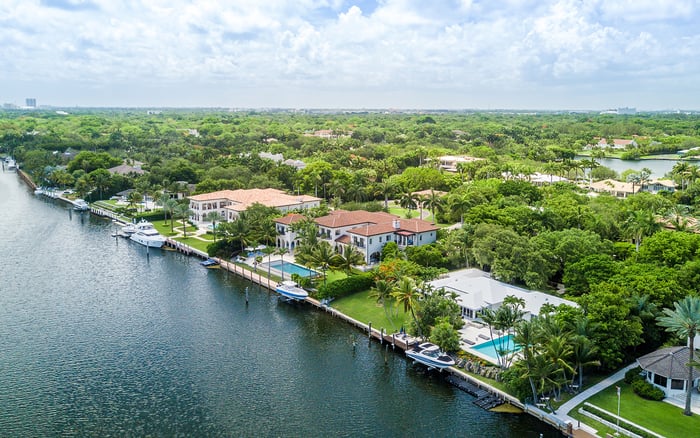
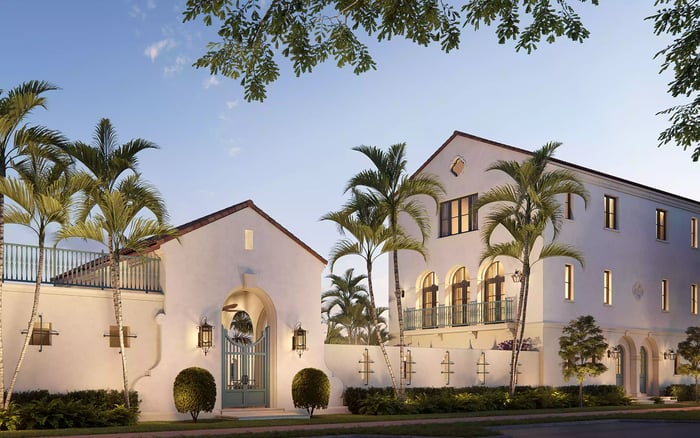
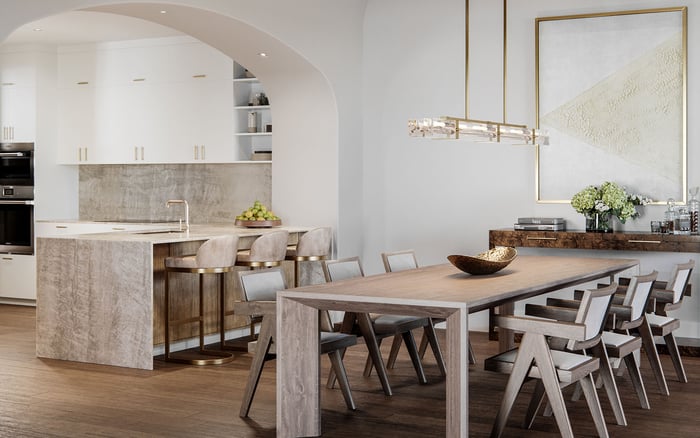
For families calibrating school logistics in Miami’s inner ring, the difference between living in Coral Gables proper and on Grove Isle is less about miles than it is about how your mornings stack up: bridges, choke points, and where you can recover time with walkability and on-site convenience. This MILLION Luxury comparison frames the Ransom Everglades commute as a practical, repeatable routine, then layers in the lifestyle tradeoffs that often matter just as much as the drive itself.
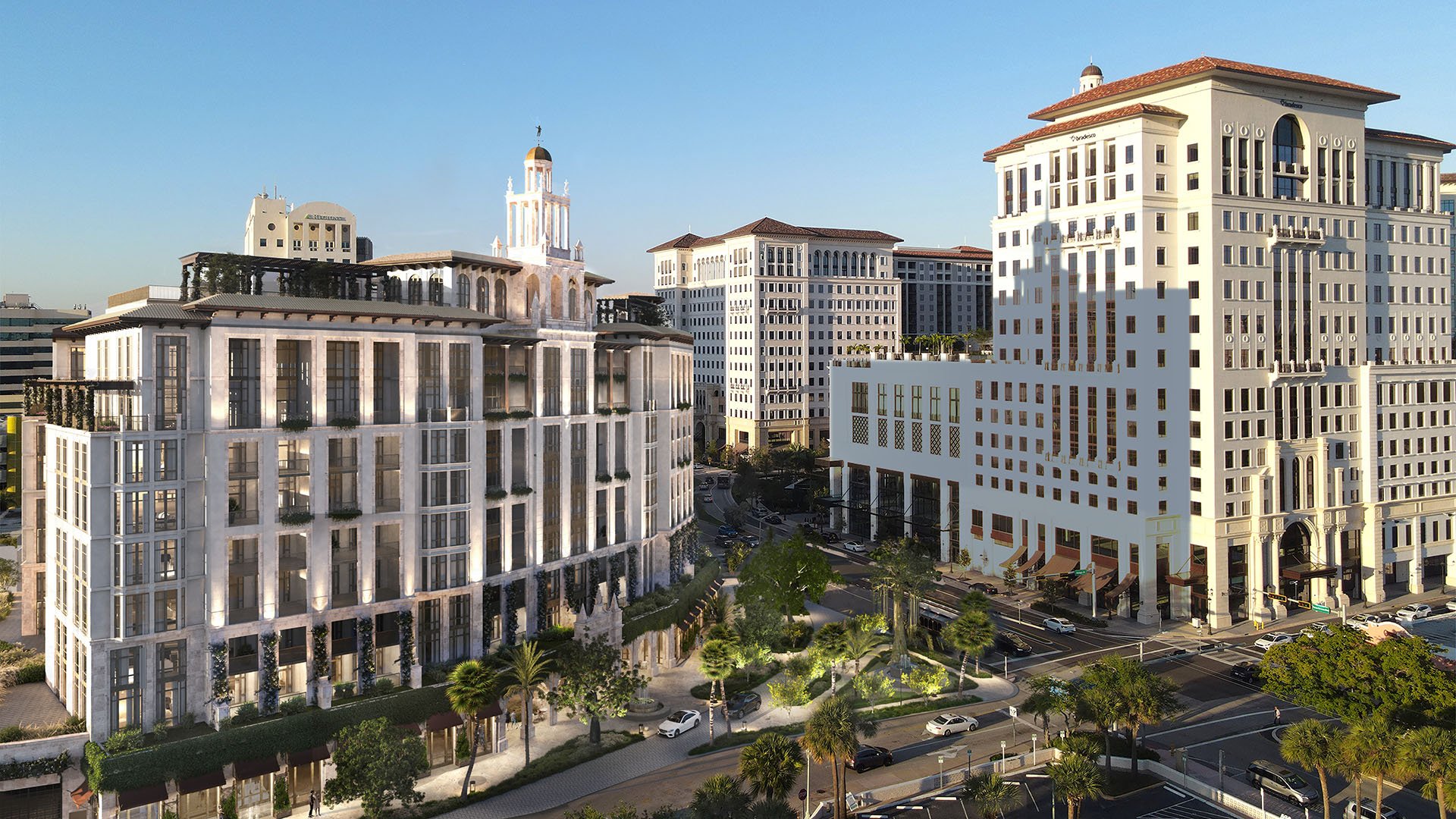
For many South Florida families, Ransom Everglades is not simply a destination. It is the anchor that sets morning cadence, after-school logistics, and how much of your weekday is spent in motion. Comparing commute times from Ponce Park Coral Gables versus Vita at Grove Isle is less a debate over a map pin and more a decision about how you want the school run to feel: direct and urban, or slightly more layered-buffered by a private-island setting.
Because there is no single “always true” minute count across school-year traffic patterns, weather, and construction cycles, the more useful lens is reliability: how many decision points sit between your front door and the campus gate, and how easily you can pivot when the city does what the city does.
Ransom Everglades sits in Coconut Grove, which means most approaches funnel into a limited set of north-south and east-west corridors-routes that can compress quickly during peak school hours. Your commute time is typically dictated by three things:
How quickly you reach a major connector from your building’s immediate street network.
Whether your route depends on bridges or constrained intersections that are difficult to bypass.
How many “last-mile” slow zones you encounter near campus, where drop-off patterns, pedestrian crossings, and neighborhood traffic can stack.
From Coral Gables, the drive is usually a straightforward urban sequence along established arterials. From Grove Isle, the journey typically begins with a bridge movement, introducing an additional “gate” in the routine. That does not automatically mean longer, but it can mean less flexibility if the bridge approach slows at exactly the wrong time.
Coral Gables is prized for a reason that rarely makes brochures: its street grid and arterial hierarchy can provide multiple viable paths to the same destination. Living at Ponce Park Coral Gables places you in a mature, centrally connected environment where your morning plan can adjust in real time.
When a familiar corridor bogs down or an intersection is unexpectedly constrained, you can often “shed” congestion by shifting to an alternate sequence of streets without fundamentally changing the character of the drive. For school families, that flexibility delivers two practical advantages. First, it lowers the mental load, because you are not held hostage by a single chokepoint. Second, it supports more consistent household timing-especially when multiple children have different start times or after-school commitments.
Coral Gables also supports a particular kind of weekday luxury: consolidating errands without a major detour. When the day calls for groceries, a last-minute uniform issue, or a meeting before pickup, being able to stack tasks in one area becomes a quiet, compounding advantage.
Vita at Grove Isle delivers a setting that feels deliberately separated from the city. For many buyers, that is the appeal: an island address, a calmer arrival home, and the sense that your residence is a retreat-not an extension of the street.
From a commute standpoint, the island adds an extra movement before you are fully on the mainland network. Bridges are not inherently slow, but they are binary: when the approach or crossing congests, bypass options are limited. For families who prioritize a tranquil residential environment, the tradeoff is learning the rhythm of island ingress and egress-and building a small buffer into the school routine.
The upside is emotional, and it is real. A school run that begins and ends with water views and a more private residential approach can feel less like “city driving” and more like a contained ritual. The key is matching the home to your household’s tolerance for variability during peak windows.
Even for buyers who prefer precision, school commutes in Miami are shaped by conditions that do not show up in a sales gallery:
Departure timing within the peak window. Leaving ten minutes earlier can be the difference between flow and friction.
Weather events. Heavy rain can reduce speeds and increase caution at key intersections.
Seasonality. Certain weeks in the school calendar produce notably heavier drop-off activity.
Neighborhood “last mile.” The final approach to campus is often the slowest segment, regardless of where you start.
This is why a luxury comparison should emphasize repeatability. Coral Gables often wins on rerouting optionality. Grove Isle often wins on the lived experience of coming home-even if you occasionally absorb a bridge-related delay.
For many families, the school run is one route among several: office, airport, training, wellness, and dining. A buyer optimizing solely for Ransom Everglades can still be disappointed if everything else in the week feels inefficient.
Consider how your week actually behaves. If you do frequent Brickell meetings, for example, a second home base like 2200 Brickell can reframe planning, but for most households the goal is not to “add buildings”-it is to reduce back-and-forth across the bay. If your lifestyle is anchored in the Grove and adjacent neighborhoods, Grove Isle can feel naturally aligned.
Similarly, if your wellness and weekend rhythm runs through Coconut Grove’s residential enclaves, a neighboring option such as Park Grove Coconut Grove helps illustrate the broader appeal of this side of Miami: a sense of neighborhood identity distinct from the higher-tempo cores.
To decide between these two, avoid treating the commute as a one-time test drive. Treat it as a repeated performance.
Multiple route options and the ability to adapt on the fly.
A more integrated urban routine, where errands and appointments stack efficiently.
Predictable timing as a baseline, even if the drive feels more “city.”
A distinct separation between residence and the surrounding street fabric.
A quieter arrival and departure experience that can make the day feel more controlled.
A lifestyle that prioritizes privacy and retreat, with the understanding that a bridge can be a variable.
Both are luxury answers-they simply optimize different definitions of ease.
If you are making this decision for the long term, the best validation is experiential and timed. Run a few real-world drives during the exact windows you will live, not the times you wish you would leave.
Test the morning drop-off approach, then the return trip to your next commitment. Repeat for pickup. If your household uses a driver or alternates parents, test both scenarios. The “winner” is the option that feels stable against your actual calendar, not an idealized one.
The difference between Ponce Park in Coral Gables and Vita at Grove Isle is not simply which is closer to Ransom Everglades in a straight line. It is whether you want the school run to behave like a flexible city route with multiple release valves, or a more curated, island-based lifestyle that adds one extra variable while delivering a deeper sense of residential calm.
For many families, the better choice is the one that protects the morning: fewer surprises, fewer decisions, and a home that makes the rest of the day easier.
Is Coral Gables generally a convenient starting point for Ransom Everglades? Yes. Coral Gables often provides direct access to key corridors leading into Coconut Grove.
Does living on Grove Isle automatically mean a longer commute? Not automatically. The bridge and island access add a variable, but timing can offset it.
Which option tends to offer better rerouting if traffic spikes? Coral Gables typically offers more alternate street patterns for quick adjustments.
What time-of-day factor matters most for school commutes in this area? Your departure time within the peak school window often matters more than distance.
Is the final approach to campus usually the slowest part of the drive? Often, yes. Drop-off congestion and neighborhood speeds can compress the last mile.
Should buyers test the commute only once before deciding? No. A few runs on different weekdays provide a more realistic view of variability.
Can an island setting improve the daily experience even with traffic variables? Yes. Many buyers value the calm of coming home as much as the drive itself.
Do errands and daily services affect the true “commute burden”? Absolutely. If errands stack near home, the overall weekly driving load can drop.
Are these commutes mostly about miles on a map? Not really. Choke points and intersection dynamics are usually the real determinants.
What is the simplest decision rule between these two addresses? Choose Coral Gables for route flexibility; choose Grove Isle for retreat-like living.
When you're ready to tour or underwrite the options, connect with MILLION Luxury.
If branded residences are on your mind — as a home or as an allocation — we would be glad to share what we are seeing, privately.
Begin a quiet conversation