What to ask about HOA governance, reserve studies, and special-assessment culture before you close
Before closing on a South Florida condominium or branded residence, buyers should look past finishes and views to understand how the association governs, funds reserves, and handles capital risk. The most useful due diligence is practical: review the full reserve study, verify how much of recommended reserves is actually funded, inspect recent budgets and audited financials, and trace the property’s special-assessment history. In coastal markets where salt air, humidity, and storm exposure accelerate wear on façades, roofs, waterproofing, and elevators, governance quality can shape ownership experience as much as design or services. MILLION Luxury outlines the questions that matter most before you sign.
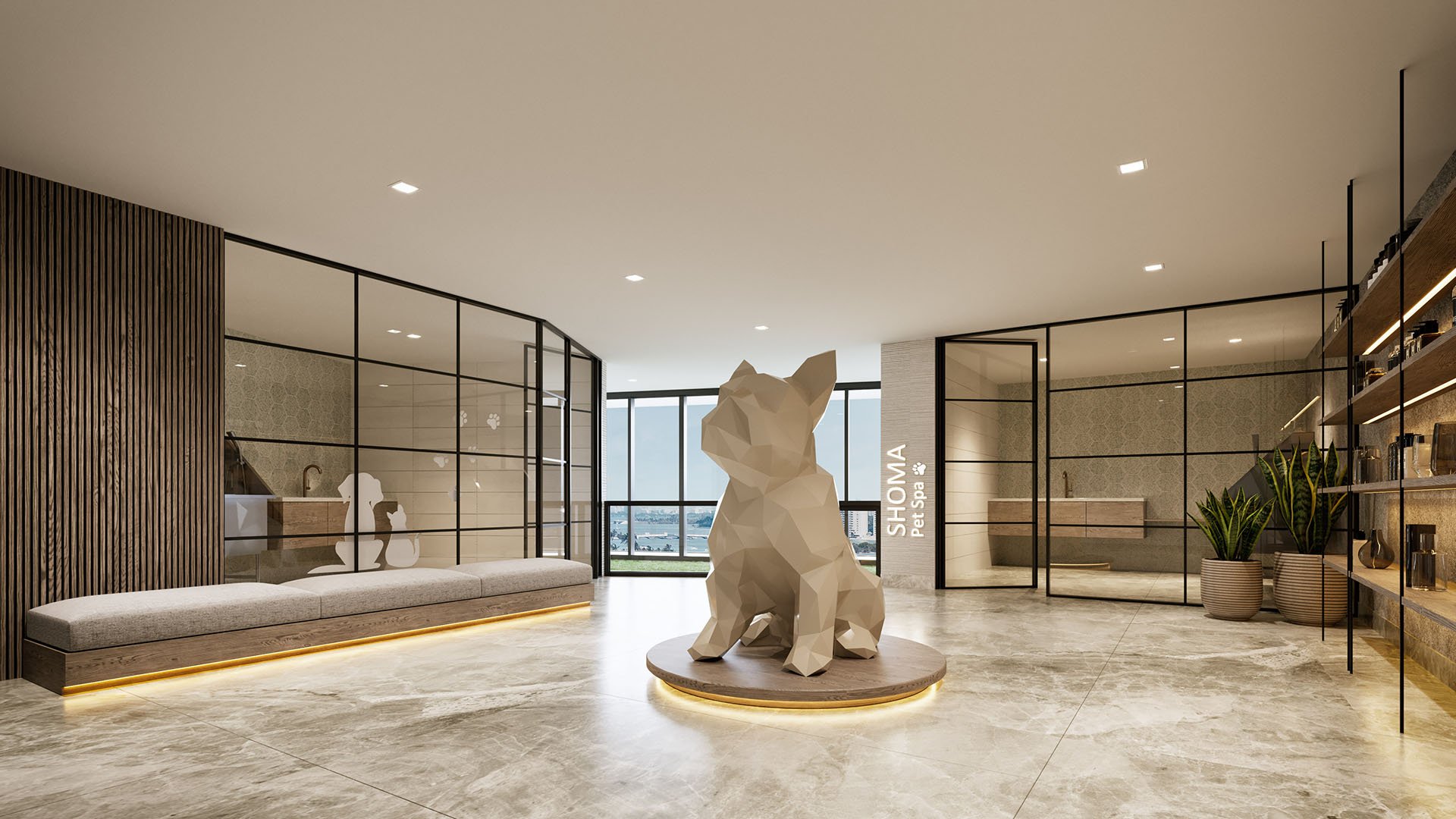
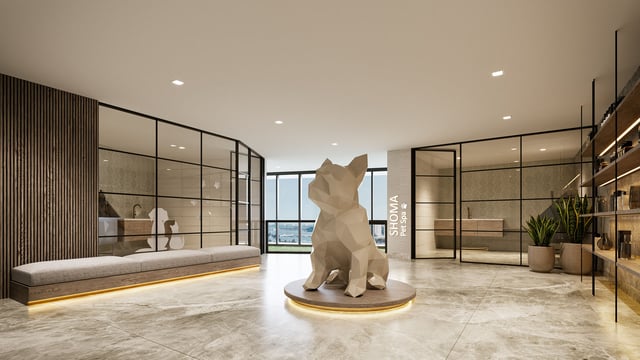
Best South Florida buildings for pet owners who want polished service and practical routines
A buyer-focused guide to South Florida luxury buildings where pet ownership is supported by polished service, thoughtful design, and routines that work for daily life.
Best South Florida towers for multigenerational visits without sacrificing privacy
A buyer-focused look at the South Florida towers best suited to multigenerational stays, where privacy, low density, service, and flexible bedroom layouts matter as much as views.

What HNWI buyers should ask about condo reserve funding before signing in Florida
For affluent condo buyers in Florida, reserve funding is no longer a back-office detail. It is a frontline due-diligence issue that shapes future assessments, carrying costs, financing options, and eventual resale liquidity. This MILLION Luxury guide outlines the questions sophisticated buyers should ask before signing, from funded percentages and reserve-study dates to restricted accounts, capital plans, and pending assessments.
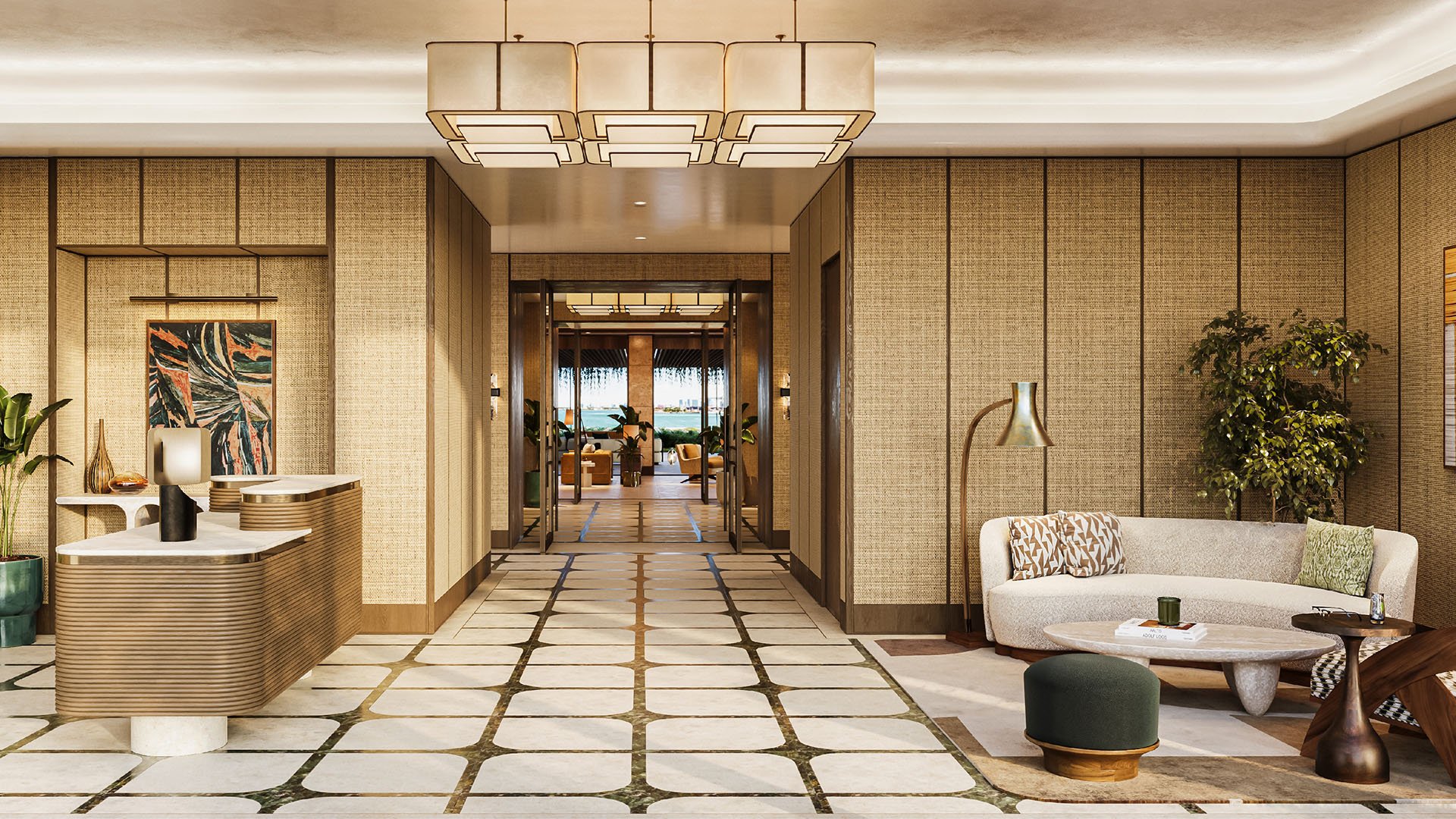
Staffed lobbies versus smart-access buildings: Security and convenience tradeoffs for HNWIs
For South Florida HNWIs, the choice between a staffed lobby and smart-access entry is less about fashion than risk allocation. Human oversight still excels at judgment, discretion, and service, while digital systems win on speed, remote control, and auditability. In today’s ultra-luxury market, the strongest answer is increasingly a hybrid model that combines concierge presence at the front door with app-based access at secondary points.
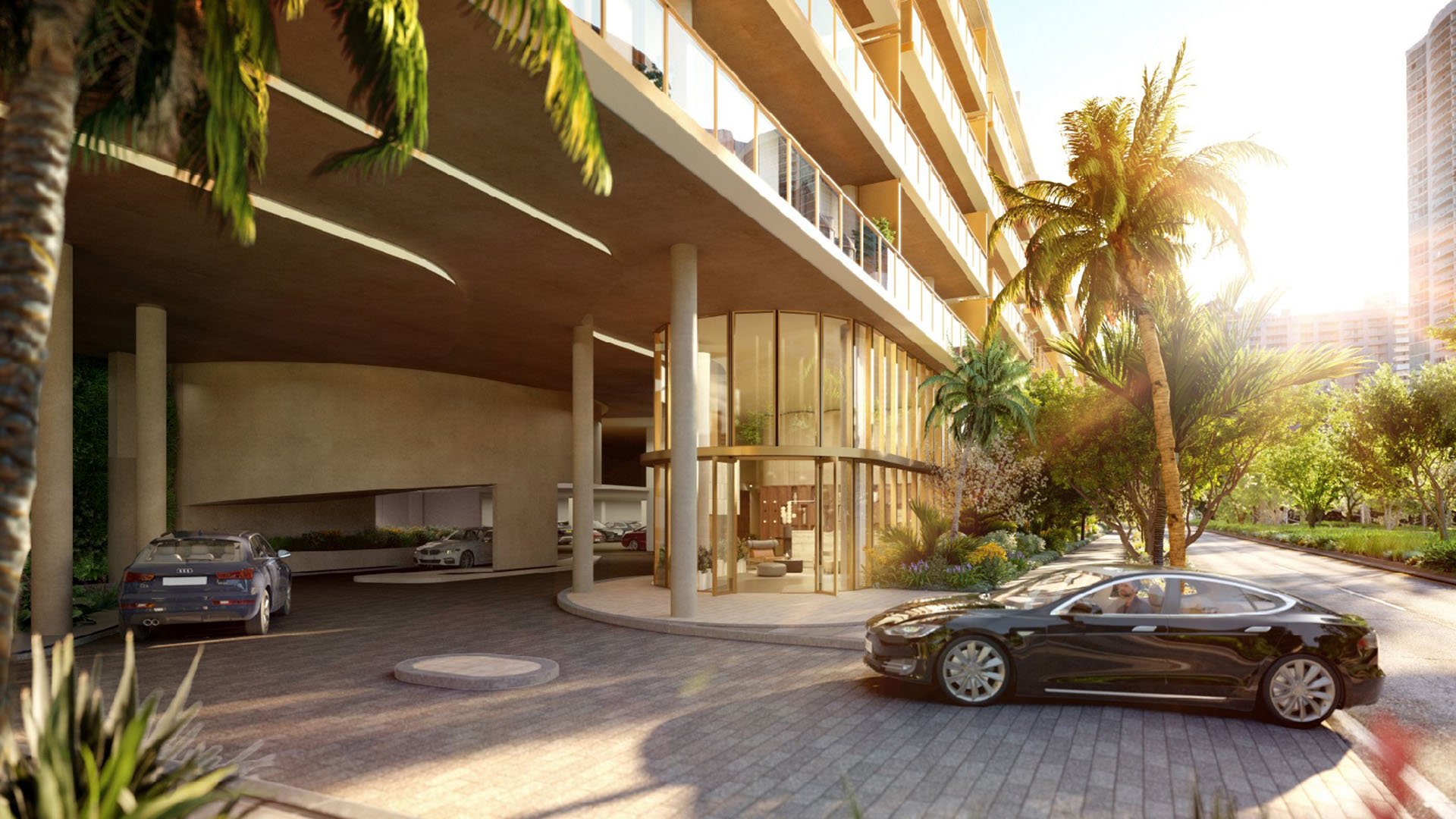
What buyers miss when they focus on lobby glamour instead of resident circulation
In South Florida luxury real estate, the most revealing design test is often not the lobby but the route a resident takes every day. Elevator capacity, corridor width, acoustics, ventilation, service adjacencies, accessibility, and the path from parking to private residence shape comfort far more durably than arrival theatrics. For discerning buyers in markets such as Brickell, Miami Beach, Sunny Isles, and West Palm Beach, circulation is not a secondary detail. It is a practical measure of privacy, ease, long-term operating performance, and resale resilience.