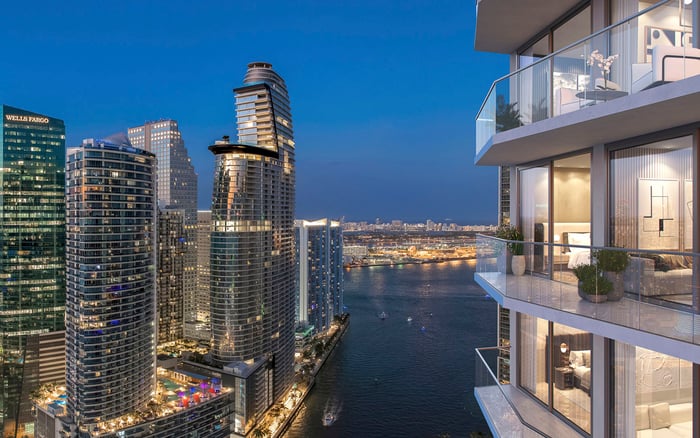
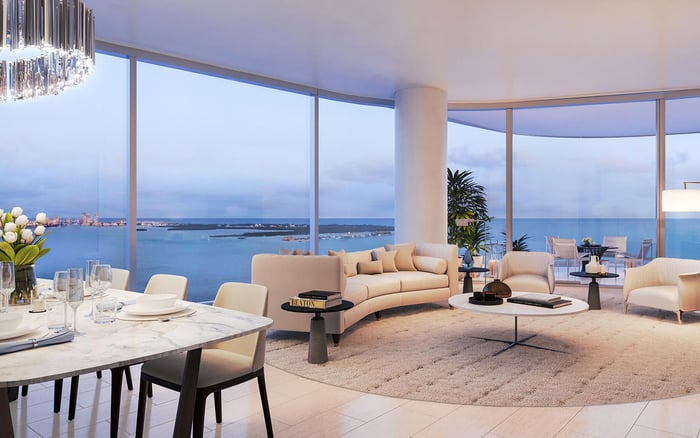
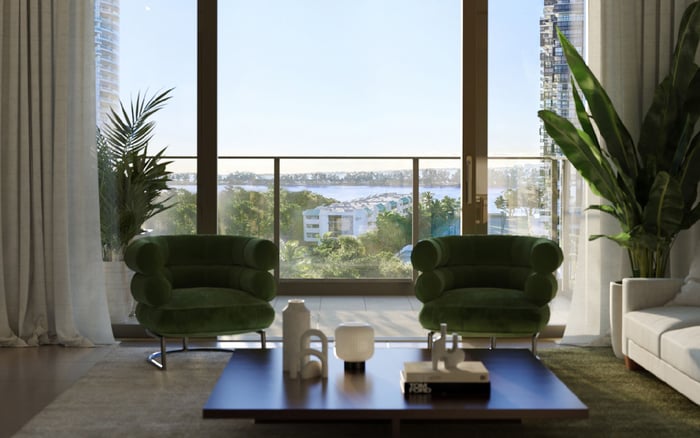
In South Florida luxury real estate, the most revealing design test is often not the lobby but the route a resident takes every day. Elevator capacity, corridor width, acoustics, ventilation, service adjacencies, accessibility, and the path from parking to private residence shape comfort far more durably than arrival theatrics. For discerning buyers in markets such as Brickell, Miami Beach, Sunny Isles, and West Palm Beach, circulation is not a secondary detail. It is a practical measure of privacy, ease, long-term operating performance, and resale resilience.
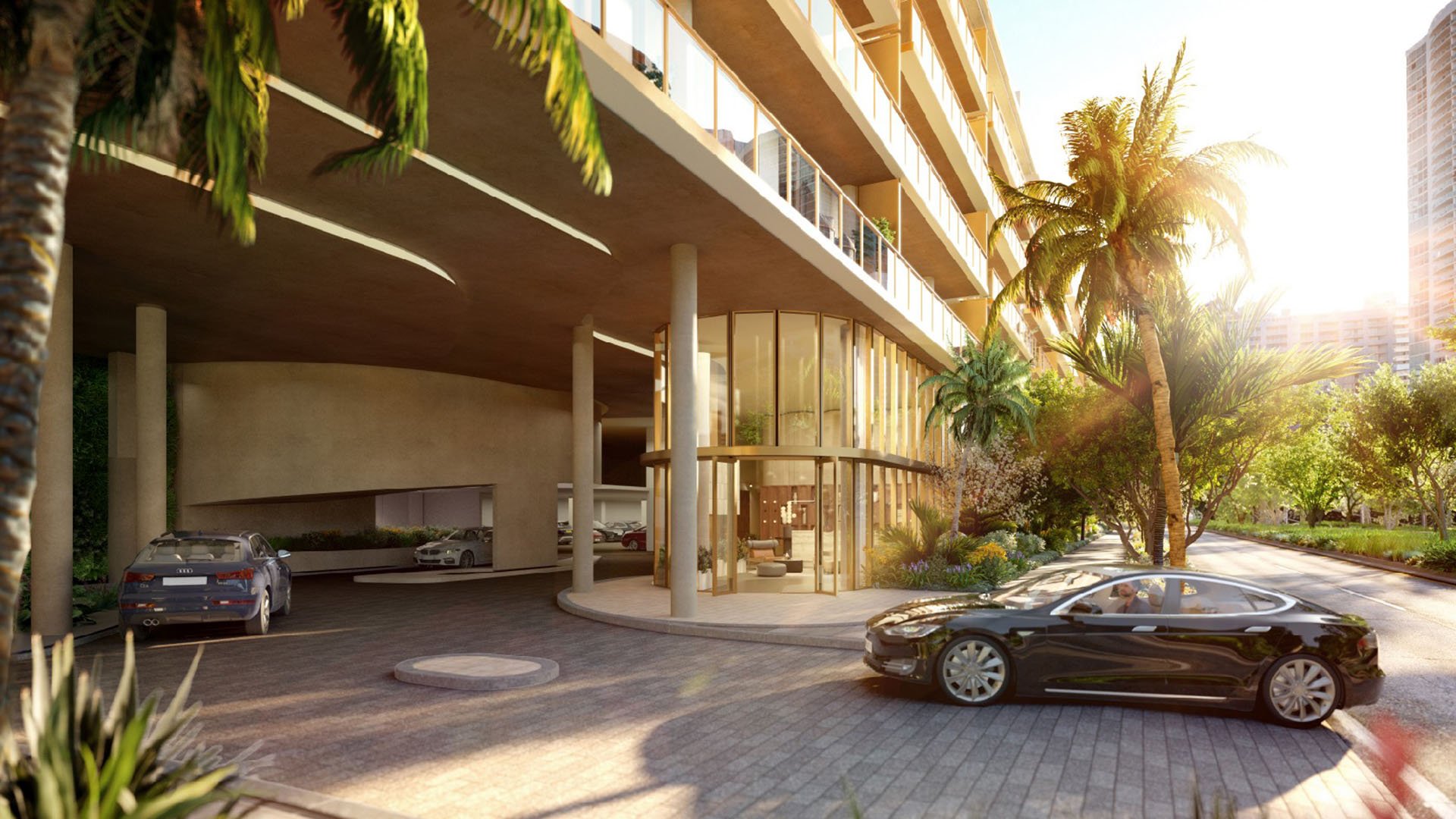
A memorable arrival has marketing value. Stone floors, sculptural lighting, fragrance, art placement, and a polished concierge desk can create a compelling first impression. Yet for an owner moving through the building several times a day, the more consequential question is simpler: how does the residence truly connect to the rest of the property?
That is where many buyers, especially on fast-moving tours, leave value on the table. Daily experience is shaped less by the entry sequence than by circulation: the elevator bank, the width and brightness of corridors, the distance from drop-off or parking to the front door, the relationship between resident routes and service routes, and the ease of reaching amenities without crossing awkward or crowded thresholds.
In South Florida, where presentation is often exceptional, the contrast can be stark. A glamorous lobby may coexist with bottlenecked elevator adjacencies, narrow hallways, under-ventilated passages, or a parking-to-unit route that feels unexpectedly utilitarian. For buyers comparing towers in Brickell, Miami Beach, Sunny Isles, or West Palm Beach, circulation deserves the same level of scrutiny as views, finishes, and amenity programming.
A lobby is experienced in moments. Circulation is experienced in repetition. That distinction matters because luxury is ultimately measured by the quality of repeat use.
If a resident encounters a slow elevator sequence every weekday morning, the inconvenience becomes part of the property’s identity. During tours, small delays can seem easy to dismiss, but over time they read very differently, especially in taller towers or in households with staff, children, or frequent guests.
The same principle applies to hallways. Corridors that feel tight can undermine an otherwise premium building. Even without lavish finishes, wider, brighter passageways tend to feel calmer, more expensive, and more private. Buyers sense this instinctively, yet many do not spend enough time on residential floors to test that impression.
This is one reason projects that emphasize a more holistic residential experience merit closer attention. In Brickell, for example, a buyer considering The Residences at 1428 Brickell or St. Regis® Residences Brickell should evaluate not only the arrival statement, but also the lived sequence from curb to elevator to private entry.
First, test elevator sufficiency at the wrong time, not the right one. Midday private tours rarely reveal stress points. If possible, revisit around school-run hours, early evening arrivals, or weekend amenity peaks. Watch whether the elevator bank clears efficiently or whether residents begin to queue.
Second, walk the entire route from parking to residence. The path from garage to elevator can matter as much as the front-door arrival. Separate elevator banks, awkward transfers, long unprogrammed walks, or confusing level changes add friction every single day.
Third, assess corridor proportion and light. A luxury hallway should feel composed rather than compressed. Width, ceiling height, sightlines, and lighting temperature all shape whether a residential floor feels private or dense.
Fourth, listen. Poor corridor acoustics can carry conversations, doors, carts, and neighbor activity into common passages. Noise transmission is one of the fastest ways for exclusivity to erode after move-in.
Fifth, look for service adjacency. When trash rooms, service elevators, or back-of-house circulation sit too close to main residential halls, the result can be noise, odor, or a diminished sense of separation.
Sixth, ask about ventilation and enclosure quality. In humid coastal markets, corridor HVAC is not cosmetic. It influences odor control, comfort, and long-term durability. A beautiful lobby cannot compensate for a residential floor that feels stuffy in late summer.
South Florida’s newest luxury inventory often excels at staging an arrival. But this market’s climate and vertical density make circulation quality especially important.
Windowless or poorly ventilated corridors can feel stagnant, and moisture-related risks become more consequential in humid conditions. Weak multi-level planning can also make a building feel more crowded than its unit count suggests. In practice, that means an elegant tower can still feel less serene than expected once amenity traffic, guest arrivals, service movement, and peak elevator demand begin to overlap.
For buyers focused on waterfront or oceanfront product, this becomes a subtle but critical differentiator. In Sunny Isles, buyers comparing towers like The Ritz-Carlton Residences® Sunny Isles should apply the same discipline to vertical movement, service separation, and daily route clarity. In West Palm Beach, a buyer looking at Alba West Palm Beach should weigh circulation and accessibility with the same seriousness as water views, amenity decks, and finish packages.
The market may forgive a dated chandelier before it forgives a frustrating floor plate.
Long, dead-end, or inefficient lobby-to-unit routes can reduce perceived value over time and may eventually require costly upgrades funded through shared expenses. Tight hallways and inflexible elevator cores also limit future adaptability. That can matter later if a building wants to reconfigure common areas, update service logistics, or maintain competitiveness against newer product.
Accessibility belongs in this conversation as well. Hallway clearances, ramp placement, elevator usability, signage legibility, and stairwell lighting affect not only move-in convenience but also guest comfort and eventual resale appeal. A building that functions gracefully across different life stages typically retains broader demand.
A discreet buyer can learn a great deal without asking for anything exotic. Ask how many elevators serve the stack and whether any are shared with service functions. Ask whether residents commonly use a separate bank from guests or amenities. Ask to walk from garage entry to unit, and from unit to the spaces you expect to use most often, whether that is the fitness center, pool, spa, lounge, or marina access.
Also ask practical questions that reveal operational reality: when peak elevator periods occur, how deliveries are handled, where trash and service rooms are located relative to residential halls, and whether any circulation upgrades are anticipated in the near term. None of these questions diminishes the romance of a purchase. They protect it.
The most sophisticated buyers understand that glamour is easiest to photograph at the front door. Comfort is harder to market because it is embedded in movement, silence, proportion, and ease. That is precisely why it holds such value.
Why do buyers overlook circulation in luxury buildings? Tours usually emphasize arrival spaces and amenities, while everyday routes are experienced too briefly to reveal friction.
What is the biggest circulation red flag in a high-rise? Consistent elevator delays are often the clearest warning because they affect daily life and can signal broader planning issues.
How should a luxury corridor feel? In premium buildings, hallways should feel calm, bright, and private rather than narrow or compressed.
Does the parking-to-unit route really matter that much? Yes. Long walks, awkward transfers, or separate elevator sequences add inconvenience every single day.
Why is corridor ventilation so important in South Florida? Humidity makes comfort, odor control, and moisture resilience more dependent on strong enclosure and HVAC performance.
Can poor circulation hurt resale value? Yes. Frustrating routes, weak accessibility, and underperforming elevators can narrow buyer appeal over time.
Should buyers inspect service areas too? They should at least understand where service elevators and trash rooms sit in relation to residential corridors.
Are acoustics part of circulation quality? Absolutely. A quiet hallway supports privacy, while noise transmission can make a premium building feel denser.
Do safety features belong in this evaluation? Yes. Stairwell lighting, signage, and clear egress routes contribute to confidence and overall building performance.
What is the smartest final step before committing? Revisit during a busy hour and walk every route you expect to use regularly, not just the polished arrival sequence.
For a discreet conversation and a curated building-by-building shortlist, connect with MILLION Luxury.
If branded residences are on your mind — as a home or as an allocation — we would be glad to share what we are seeing, privately.
Begin a quiet conversation