Miami vs. Singapore: Competing Tropical Hubs for Ultra-Luxury Real Estate
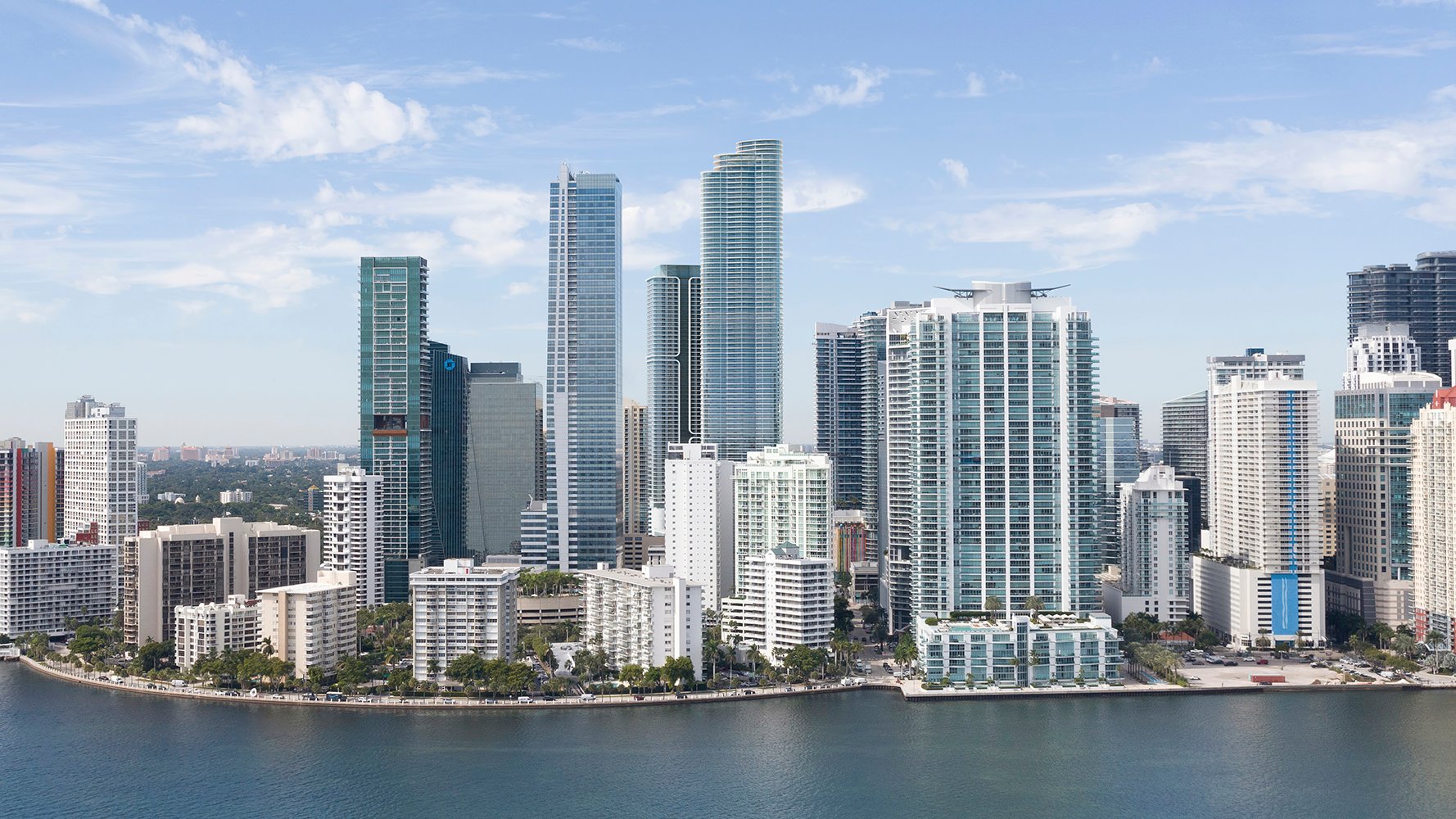
In 2026, ultra-luxury buyers are comparing global safe-harbor markets through a sharper lens: liquidity, taxes, inventory depth, and the friction embedded in each transaction. South Florida and Singapore sit at the center of that conversation, but they reward different strategies. Miami offers a uniquely cash-heavy closing environment and a tax structure that many high earners find efficient. Singapore offers institutional-grade governance and a tightly controlled prime landed segment, but foreign buyers face meaningful stamp-duty headwinds. For South Florida’s luxury real estate audience, the takeaway is not that one market “wins.” It is that each city has become a different kind of wealth instrument: Miami as a lifestyle-forward, inventory-rich coastal platform with powerful cash velocity; Singapore as a scarcity-driven, policy-shaped store of value where access is often the primary differentiator. Understanding how these characteristics translate into negotiation, timing, and portfolio construction is the edge in 2026.

Branded Residences: The Future of Luxury Real Estate
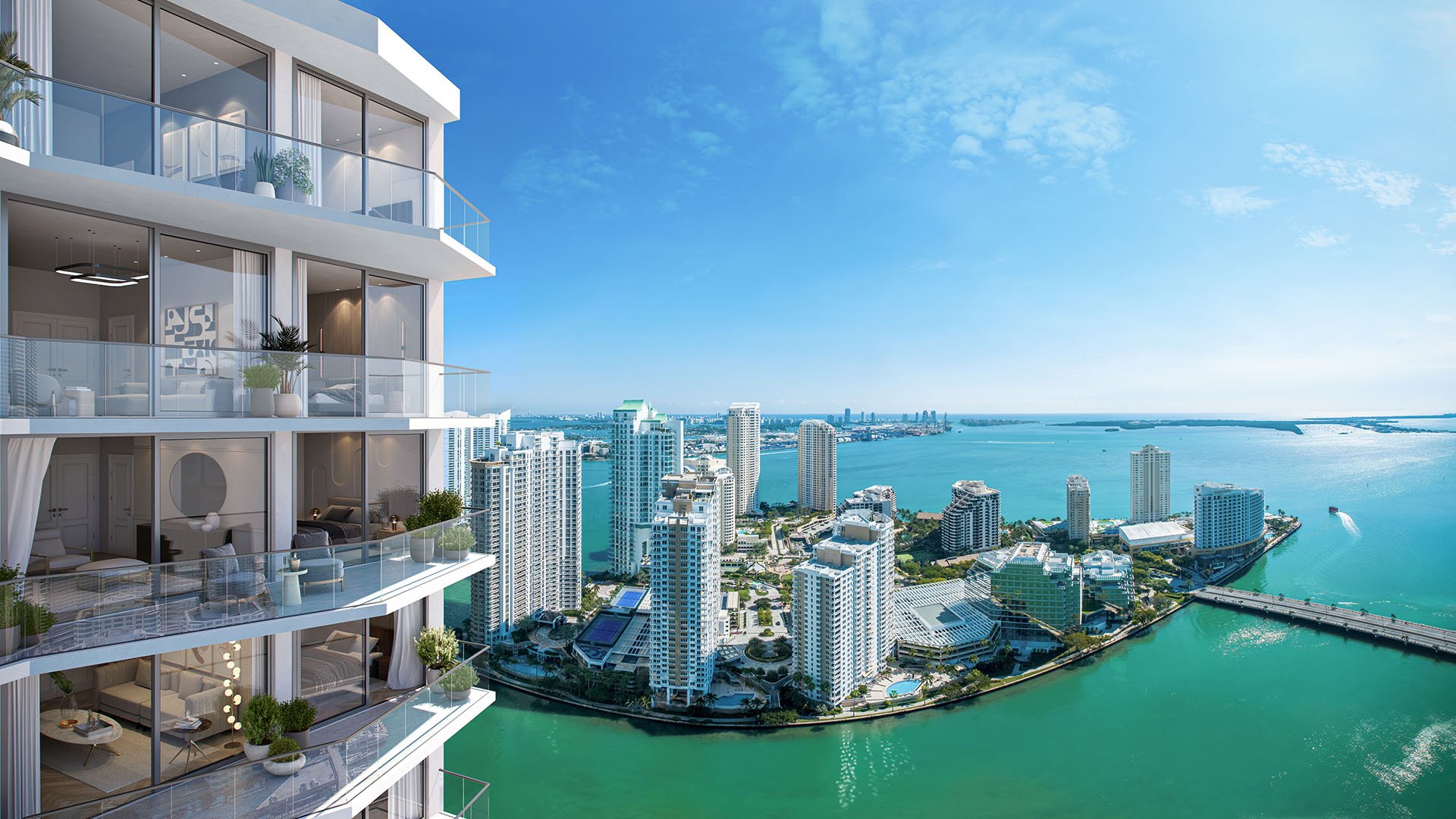
Branded residences have moved from niche hotel-adjacent offerings into a defining category of South Florida ultra-luxury. Buyers pay more not only for a logo, but for a service system, a predictable standard of finish, and a low-friction ownership model that suits multi-home, frequent-travel lives. In a market where international demand remains influential and inventory has normalized, brand trust, wellness programming, and tech-forward operations are increasingly central to value.

Strong Dollar Effect: Is Miami Real Estate a Bargain for Foreign Buyers in 2026?
A weaker U.S. dollar can make South Florida pricing feel materially different to overseas capital, but “bargain” is more nuanced than the headline FX rate. In a market where international buyers represent an outsized share of dollar volume and new-development absorption, timing, carrying costs, and exit frictions matter as much as the entry price.

Is South Florida’s Luxury Condo Market Overbuilt? How to Spot an Oversaturated Neighborhood
South Florida’s condo market has shifted into buyer-market territory, but the experience is highly uneven by neighborhood, building age, and fee structure. With inventory elevated and pricing expectations still adjusting, sophisticated buyers can negotiate meaningfully, especially in oversupplied urban cores and older towers facing inspection and reserve realities. At the same time, ultra-luxury continues to transact with a heavy cash profile, underscoring that scarcity, location, and product quality still command attention. This MILLION Luxury playbook outlines where leverage is strongest, what to underwrite before you write an offer, and how to distinguish lasting value from temporary noise.

Real Estate vs. Stocks: Why Billionaires See South Florida Property as a Safe Haven
Policy uncertainty on the West Coast, paired with Florida’s tax profile and lifestyle fundamentals, is accelerating a familiar pattern: ultra-wealthy buyers treating South Florida as a primary base, not a seasonal outpost. Recent nine-figure moves, record-setting condo trades, and resilient $10M-plus activity point to a market that is increasingly defined by scarcity, discretion, and a preference for controllable, low-friction assets.

NFT Mansions: How Blockchain Technology is Beginning to Transform Luxury Real Estate Deals in Miami
From landmark crypto-funded penthouse deals to stablecoin-settled commercial trades and NFT-tethered “digital twins,” South Florida has become a proving ground for how digital assets can enter real estate. This MILLION Luxury editorial explains what is real, what is mostly marketing, and what sophisticated buyers should evaluate in 2026, from payment rails and title to tax reporting and volatility management.