Brickell vs Downtown Miami: Vertical Luxury Living for Buyers Who Want Walkability Without Suburbia
A buyer-focused comparison of Brickell and Downtown Miami for luxury condominium purchasers who value walkability, vertical living, privacy, and an urban South Florida rhythm.
Evaluating the Efficiency of Destination Dispatch Elevators in Downtown Miami Supertalls
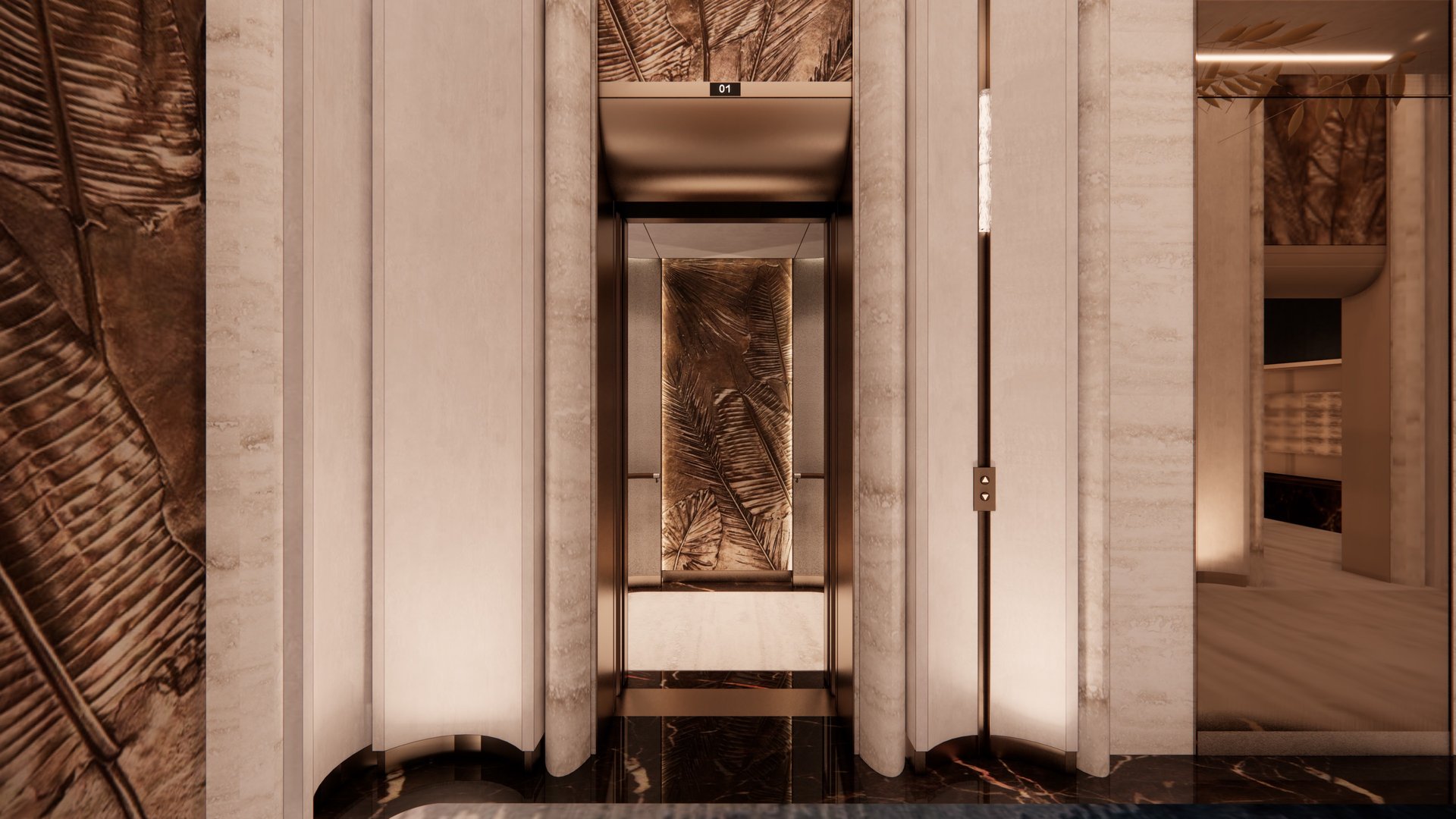
In Downtown Miami supertalls, elevator performance is not a technical footnote. It is a daily quality-of-life metric that shapes privacy, arrival rituals, and the lived value of the highest floors. Destination dispatch, a system that groups riders by selected floors before they enter the cab, has become a defining strategy for managing vertical traffic where residential, hotel, and amenity programs share a single tower. For buyers, the question is not whether destination dispatch exists, but how it is deployed. The best systems feel invisible: short waits, calm lobbies, predictable rides, and fewer intermediate stops. Poorly tuned systems can do the opposite, introducing friction precisely where luxury should feel effortless. This editorial translates elevator strategy into buyer-centric signals to watch for in Downtown Miami.
Evaluating the Pedestrian Experience from Cipriani Residences Brickell to City Centre
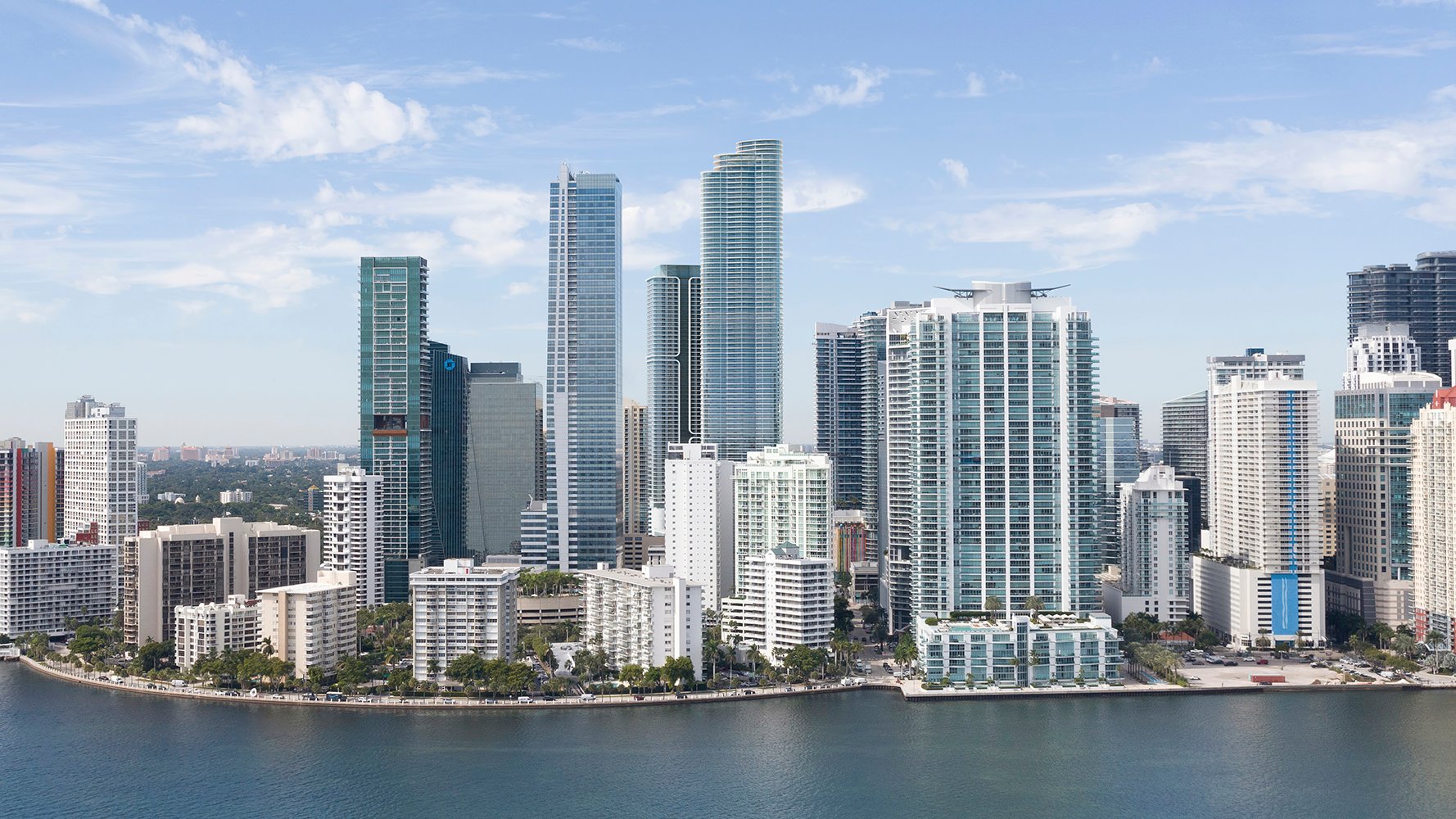
A discreet, buyer-oriented walkability assessment from Cipriani Residences Brickell to Miami’s downtown core, focusing on comfort, safety, and day-to-night usability for luxury owners.

Evaluating the Strictness of Guest Parking Allowances at The Residences at 1428 Brickell
Guest parking is one of the quiet determinants of daily luxury: it shapes entertaining, staffing, and even how “easy” a building feels over time. For buyers considering The Residences at 1428 Brickell, the right question is not only whether guest spaces exist, but how tightly they are managed and how that management will align with your lifestyle in Brickell.
Evaluating the Efficiency of Destination Dispatch Elevators at Waldorf Astoria Residences Downtown Miami
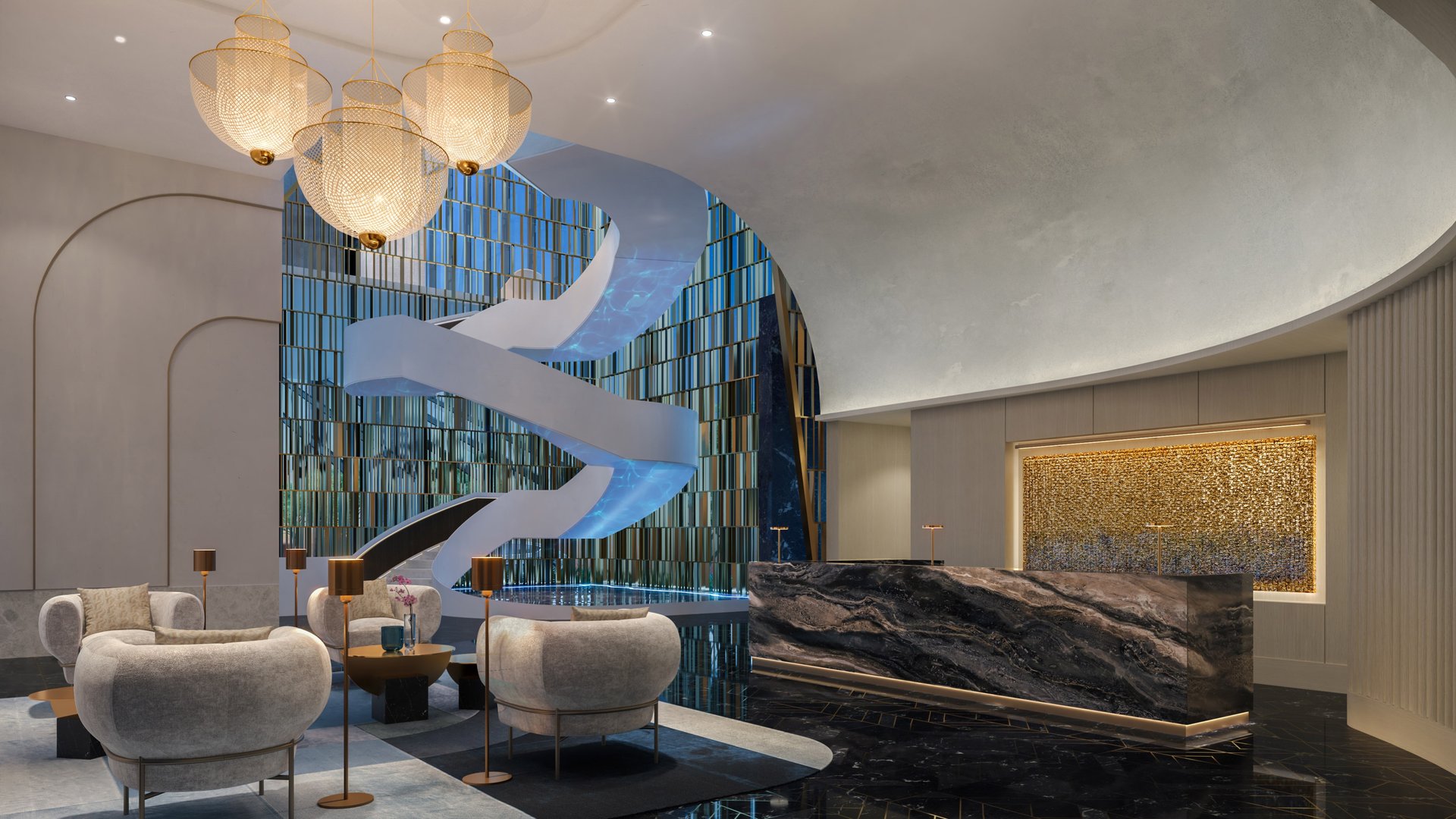
Destination dispatch systems are increasingly common in ultra-luxury towers because they reframe vertical travel as a managed experience: quieter lobbies, fewer stops, and smoother peak-hour flow. For buyers considering Waldorf Astoria Residences Downtown Miami, the key question is not whether the technology is “advanced,” but whether it is operationally efficient in the real conditions of a hotel-and-residential environment, with privacy expectations that rival single-family living. This MILLION Luxury editorial breaks down what to evaluate: how dispatch logic works, where friction appears, what metrics matter to residents, and which design choices typically separate a seamless experience from daily micro-irritations. With limited project-specific technical disclosures publicly available, the most useful approach is a buyer’s due diligence framework that translates elevator design into lifestyle outcomes.
Analyzing the 183-Day Residency Audit Defense for Buyers at Waldorf Astoria Residences Downtown Miami
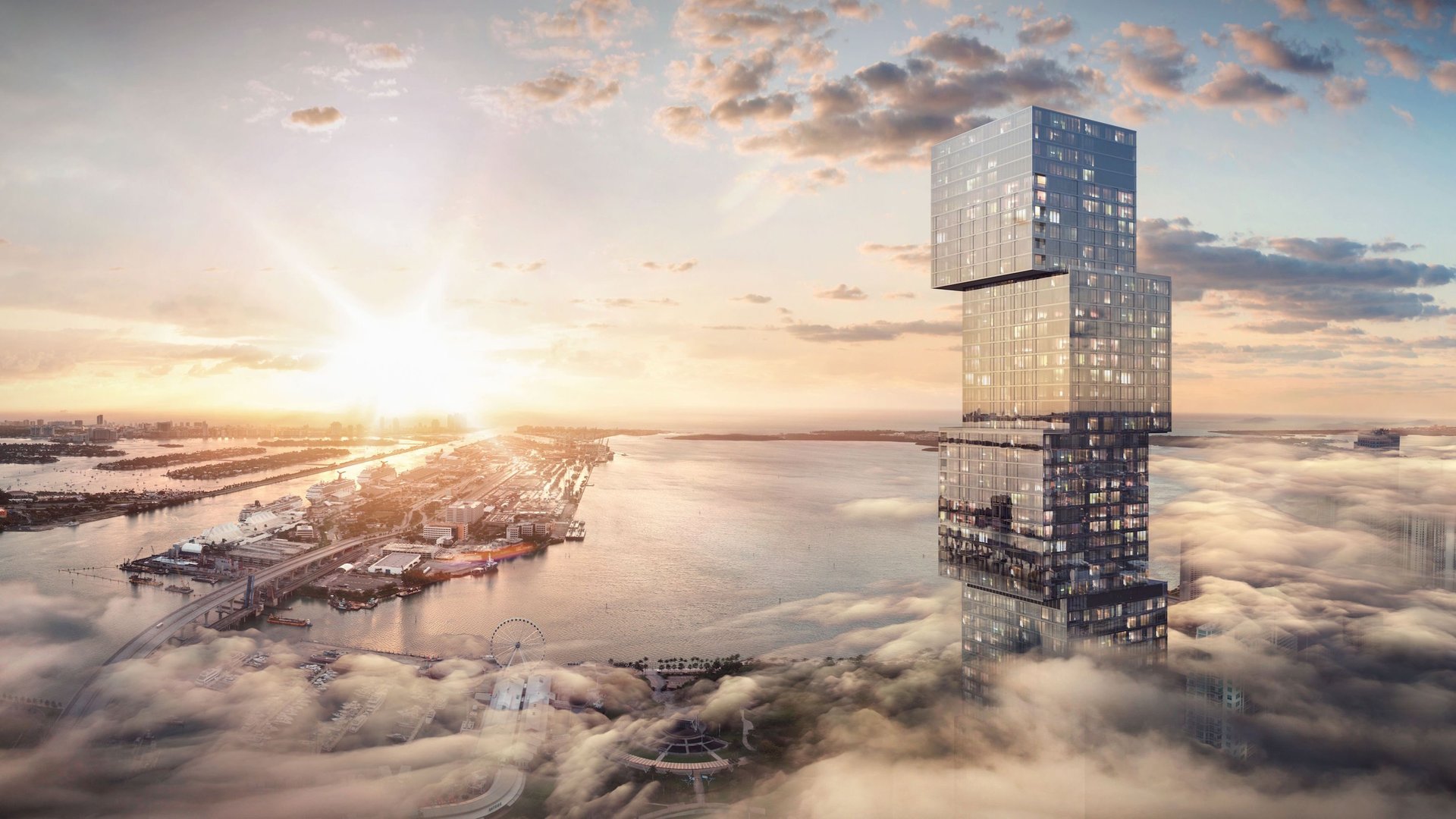
A discreet, buyer-oriented framework for understanding the 183-day residency narrative: how it is tested, how it is documented, and how to align a luxury Miami lifestyle with defensible records.