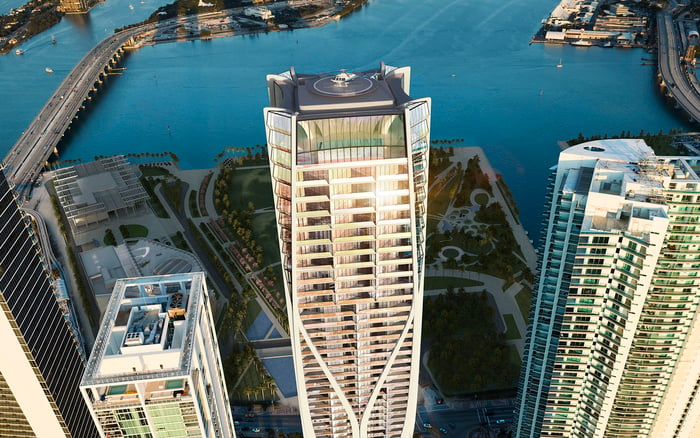
A discreet, buyer-oriented walkability assessment from Cipriani Residences Brickell to Miami’s downtown core, focusing on comfort, safety, and day-to-night usability for luxury owners.
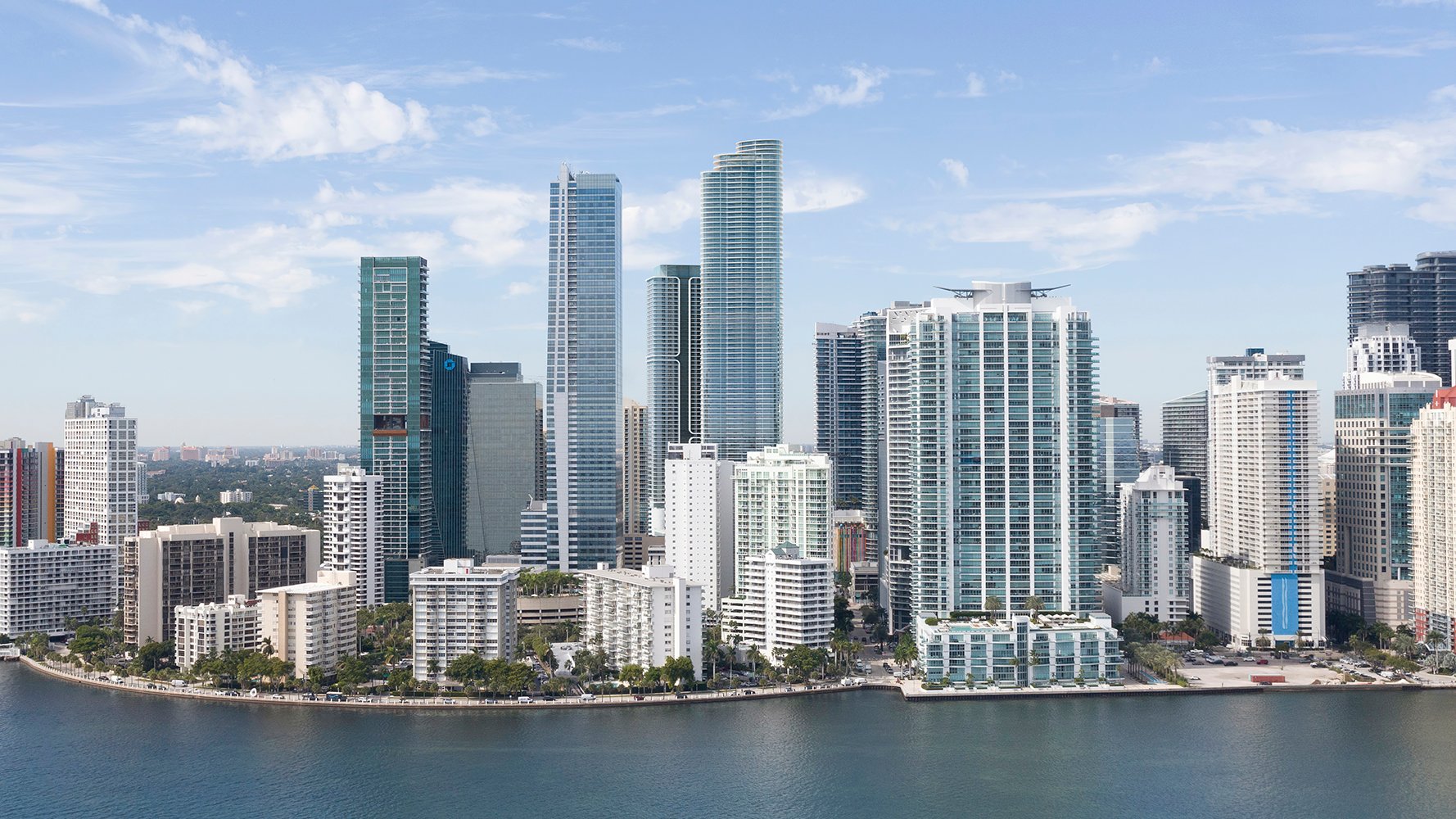
For many Brickell buyers, “walkable” is less about steps and more about friction: can you leave the lobby without planning, cross streets without stress, and arrive looking composed rather than sun-warmed and hurried? The stretch between Cipriani Residences Brickell and the broader City Centre orbit is a revealing test because it sits at the intersection of Brickell’s residential calm and the pulse of Downtown.
This is not a hike. It is the kind of everyday move that defines real usability-coffee, a midday meeting, an early dinner, an evening errand. Here, the pedestrian experience is shaped by curb design, shade, signal timing, and the subtle psychology of streets that feel designed for people, not just vehicles.
In Brickell, the value proposition of walking is also privacy. A strong walking environment lets you move quietly-without depending on valet lines, rideshare pickups, or the lobby theater of constant arrivals.
From the Cipriani side of Brickell, the walk typically begins with polished sidewalks and an urban cadence that feels intentional. The first few blocks can read like a luxury “front-of-house” zone: cleaner edges, active ground floors, and a sense that pedestrians are expected.
As you move toward the City Centre energy, conditions can shift quickly. Even when sidewalks remain continuous, the experience can oscillate between:
Comfortable, shaded segments that support an unhurried pace.
Intersections that feel oversized, with turning movements that demand attention.
Mid-block zones where driveway cuts, curb ramps, and pickup activity interrupt flow.
What luxury buyers notice most is not whether a sidewalk exists, but whether it reads as a promenade-or a concession.
South Florida walkability is seasonal and diurnal. The same route that feels effortless at 8:15 a.m. can feel punitive at 2:30 p.m. The “heat tax” is paid in glare, humidity, and exposure between shade pockets.
In Brickell, the strongest pedestrian segments share three traits: consistent shade, clean paving with predictable grades, and a buffer from traffic. When any of those traits disappear, you feel it immediately-in posture and pace.
A practical buyer lens is simple: would you do this walk in summer wearing what you would actually wear to a meeting or dinner? If the answer is “only with a car waiting,” the neighborhood is functionally less walkable than it looks on a map.
If your lifestyle prioritizes a quieter residential edge while staying within reach of the core, compare how the streetscape feels around 2200 Brickell versus more overtly commercial blocks. In Brickell, two buildings can be minutes apart yet feel like different climates at street level.
The defining moments on this walk are the crossings. Brickell has avenues that can read as corridors for cars first, people second-and one intersection can decide whether the route feels relaxed or vigilant.
Luxury buyers tend to key in on three crossing dynamics:
Turning vehicles and “right-on-green” pressure. Even with a walk signal, fast turns create a feeling of competing claims.
Signal timing that rewards speed. If you need to accelerate to clear a crossing comfortably, the street is communicating priority.
Corner geometry. Wide curb radii invite faster turns. Tighter corners slow vehicles and make the pedestrian feel expected.
If you are evaluating a residence for true day-to-day walkability, walk the route twice: once when traffic is light, and once when it is not. That contrast can separate a pleasant ritual from an occasional compromise.
Pedestrian comfort is sensory. In Brickell and Downtown, sound and wind can be more decisive than distance.
Noise: The loudest sections are typically those with higher speeds, frequent acceleration, or heavy pickup and delivery activity. A constant roar makes even a short walk feel longer.
Wind corridors: Tall towers can create gusty channels, especially at corners and between buildings. On a warm day, a breeze can be welcome. On a humid day, it can become a hair-and-jacket problem-undermining the polished arrival a luxury buyer expects.
Air quality: Dense traffic lanes and idling zones can make certain corners feel less inviting for lingering.
A refined pedestrian environment gives you the option to slow down. Where you cannot comfortably pause to take a call, check a message, or wait for a companion, the street is operating more like infrastructure than place.
A walk feels safer and more pleasant when it is framed by active edges-storefronts, lobbies, cafes, and curated landscaping. Brickell has pockets where this is executed well, and other pockets where blank walls, garage entrances, and service drives dominate.
For buyers, the question is not simply security. It is also discretion. Active ground floors create natural surveillance while still allowing you to blend into the city rather than stand out. The most successful luxury corridors are those where you can be anonymous-but not isolated.
This is also where new development matters. Projects that treat the street as an amenity can raise the pedestrian standard for an entire block. Even if you are not buying there, it changes the experience of walking nearby. In that context, it is worth noticing how the urban ambition around ORA by Casa Tua Brickell and The Residences at 1428 Brickell signals a continued push toward a more layered, pedestrian-minded Brickell.
Many Brickell walks start elegantly and then degrade at the end-usually where curb cuts, drop-off zones, and multilane crossings converge. That final segment is where luxury buyers feel the difference between a city built for occasional walking and one built for daily living.
To evaluate the last 10 minutes objectively, look for:
Continuous shade: not just a tree here and there, but a reliable rhythm.
Predictable curb behavior: fewer surprise driveways and fewer conflicts with vehicles.
Comfortable waiting zones: corners with enough space to stand without feeling in the way.
If the last segment feels improvised, you may still love the location-but you will likely default to car service more often than you expect.
Luxury owners who truly walk Brickell do not necessarily take the shortest path. They take the path that preserves composure.
A few discreet rules of thumb:
Time-shift when possible. Morning and early evening are the sweet spots for comfort.
Choose shade over speed. A slightly longer route can feel shorter if it stays cooler.
Prioritize calmer crossings. A less direct intersection with better signal cadence can be worth it.
Dress for optionality. If your wardrobe assumes valet-to-door, you will perceive the neighborhood as less walkable-even when it is.
This is not about athleticism. It is about whether the city’s design supports a luxury routine without constant micro-stress.
When touring in Brickell and Downtown, do not only evaluate the tower. Evaluate the 500-foot radius.
Consider:
Lobby-to-sidewalk transition: Is the entry calm, or does it spill into curb chaos.
Sidewalk width and continuity: Is there space for two people to walk side by side.
Intersection comfort: Do you feel rushed, exposed, or in control.
Street-level aesthetics: Landscaping, lighting, and the presence of inviting edges.
Convenience without spectacle: Can you run an errand without a production.
If your definition of City Centre includes a broader Downtown lifestyle, you may also compare how it feels to arrive on foot in other nearby districts. For instance, the waterfront setting near Aston Martin Residences Downtown Miami can create a very different rhythm of arrival than a purely interior commercial corridor.
The pedestrian experience from Cipriani Residences Brickell toward the City Centre ecosystem can be genuinely workable-but it is not uniform. The best segments feel like an extension of a high-end lobby: orderly, shaded, and intuitive. The weaker segments ask you to negotiate with turning traffic and curb activity.
For the luxury buyer, the decision is rarely binary. It is about frequency. If the walk feels composed, you will do it daily. If it feels like a series of negotiations, you will reserve it for select times and rely on a vehicle the rest of the week.
In Brickell, the difference between “walkable” and “pleasantly walkable” is where lifestyle value is created.
Is the walk from Cipriani Residences Brickell to City Centre practical day-to-day? It can be-especially in the morning or early evening-but comfort varies by intersection and shade.
What is the biggest deterrent to walking this route regularly? Oversized crossings and turning-vehicle conflicts tend to be the most fatiguing elements.
Does sidewalk quality stay consistent the whole way? It often changes block by block, with curb cuts and service zones interrupting the flow.
When does this walk feel most “luxury-friendly”? Cooler hours with lower glare make the route feel calmer and more composed.
Is the shortest route always the best route? Not necessarily; a slightly longer path with better shade and crossings can feel easier.
How should buyers test pedestrian comfort before purchasing? Walk it twice, including one peak-traffic window, to understand the real friction points.
What should I look for at street level near the building? A calm lobby-to-sidewalk transition, continuous sidewalks, and corners that feel predictable.
How important is ground-floor retail or activation for walkability? Very; active edges improve comfort, perceived safety, and the overall pleasure of walking.
Will I still need a car service even if the area is walkable? Yes. Most owners still mix walking with rides, but a better route increases walking frequency.
Can nearby new development improve the pedestrian experience over time? Often, yes; projects that prioritize street-level design can elevate the feel of entire blocks.
To compare the best-fit options with clarity, connect with MILLION Luxury.
If branded residences are on your mind — as a home or as an allocation — we would be glad to share what we are seeing, privately.
Begin a quiet conversation