
2200 Brickell, The Cove Residences Edgewater, and Faena Residences Miami Downtown Miami: Which Ownership Model Best Fits Buyers Who Want a Quieter Hospitality Brand Rather Than a Public-Facing Scene
For buyers who want elevated service without becoming part of a visible hospitality circuit, 2200 Brickell reads as the most residentially aligned option, while Faena Residences Miami Downtown Miami offers a more public-facing cultural brand environment. The Cove Residences Edgewater belongs in the middle of the diligence conversation, especially for buyers weighing boutique resort character against day-to-day privacy.
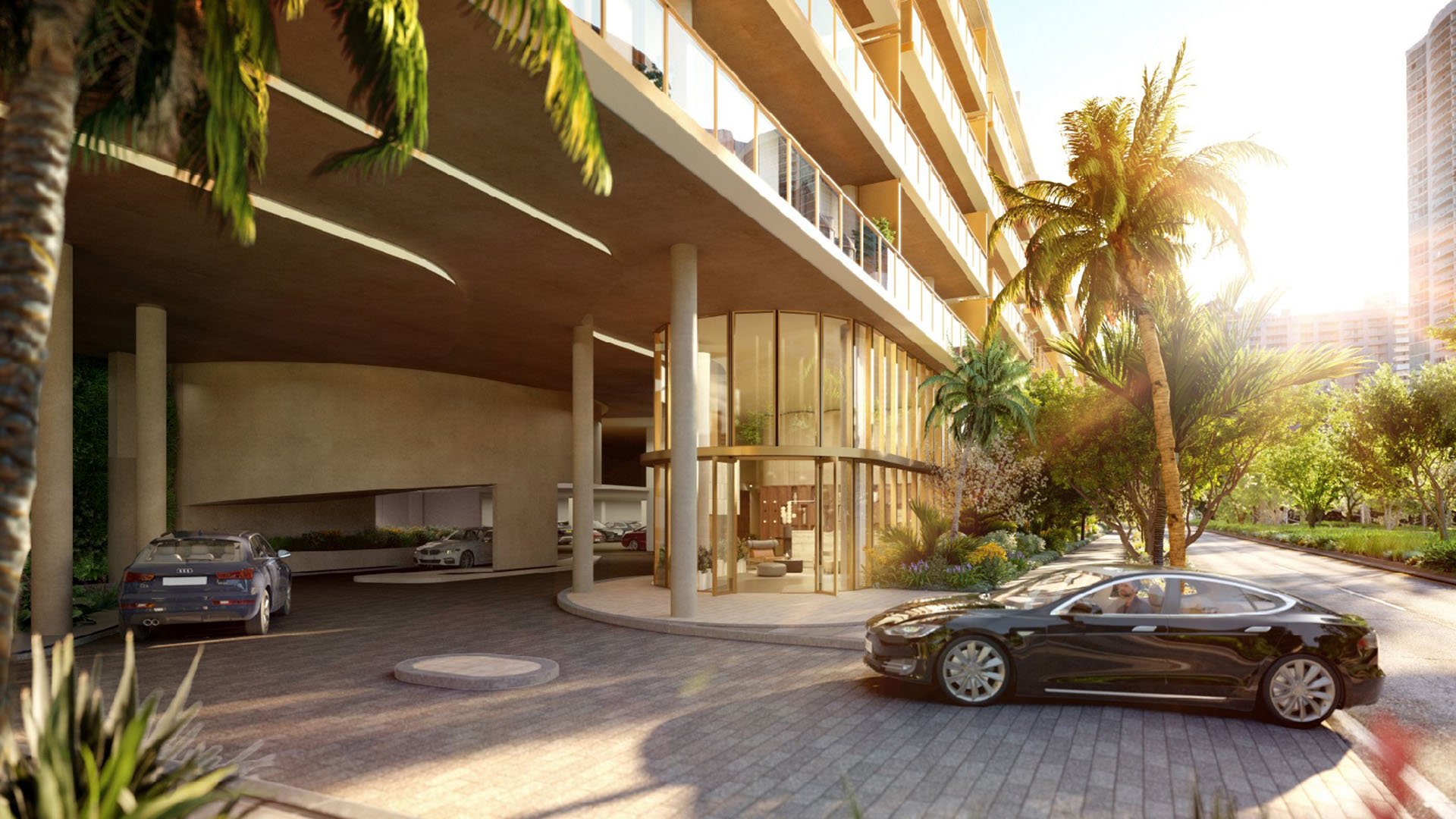
Brickell vs Downtown Miami: Vertical Luxury Living for Buyers Who Want Walkability Without Suburbia
A buyer-focused comparison of Brickell and Downtown Miami for luxury condominium purchasers who value walkability, vertical living, privacy, and an urban South Florida rhythm.

Evaluating the Efficiency of Destination Dispatch Elevators in Downtown Miami Supertalls
In Downtown Miami supertalls, elevator performance is not a technical footnote. It is a daily quality-of-life metric that shapes privacy, arrival rituals, and the lived value of the highest floors. Destination dispatch, a system that groups riders by selected floors before they enter the cab, has become a defining strategy for managing vertical traffic where residential, hotel, and amenity programs share a single tower. For buyers, the question is not whether destination dispatch exists, but how it is deployed. The best systems feel invisible: short waits, calm lobbies, predictable rides, and fewer intermediate stops. Poorly tuned systems can do the opposite, introducing friction precisely where luxury should feel effortless. This editorial translates elevator strategy into buyer-centric signals to watch for in Downtown Miami.
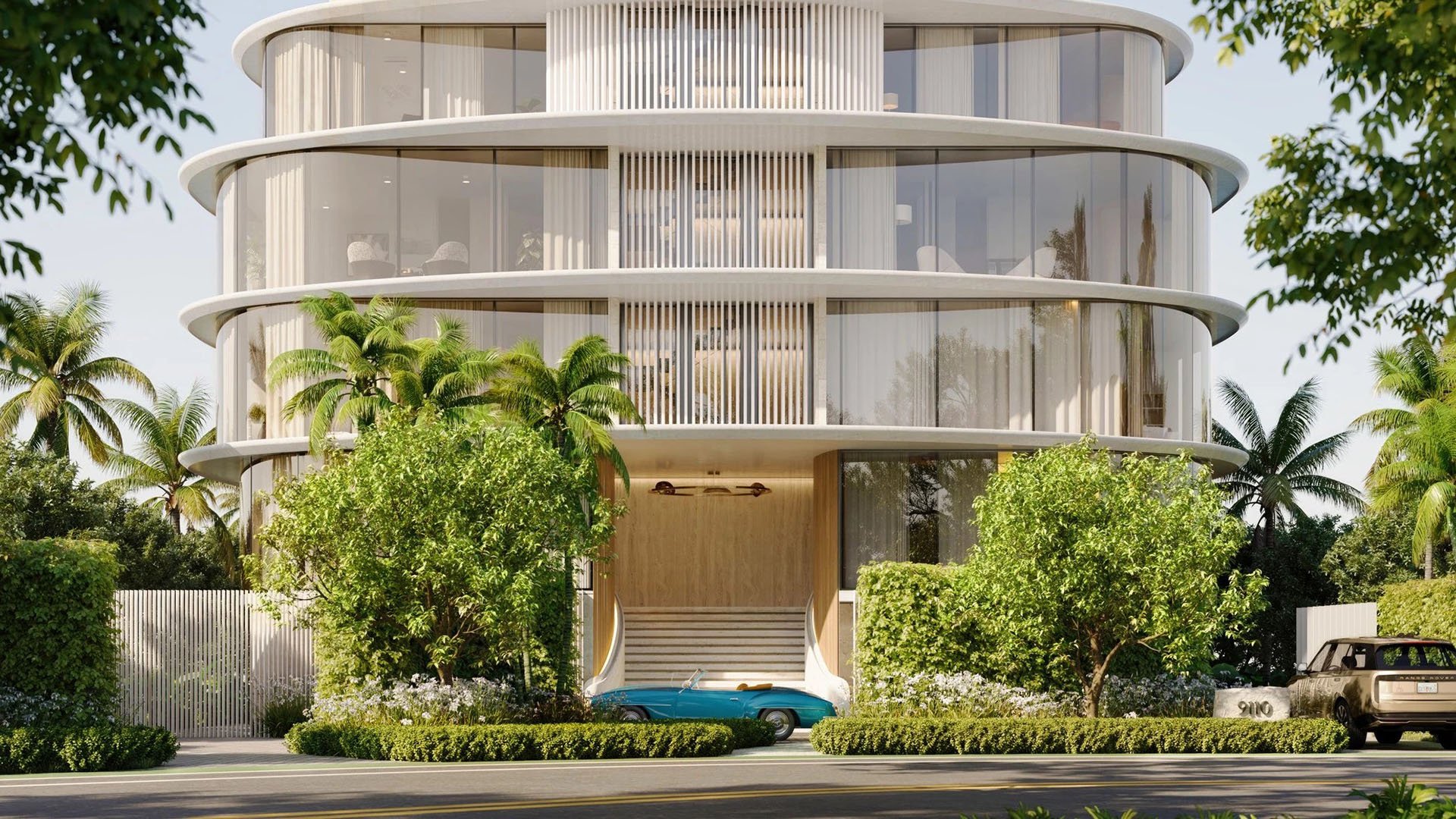
How Advanced Biometric Security Systems are Replacing Key Fobs in South Florida
South Florida’s newest luxury residences are shifting from key fobs to biometric access that can feel frictionless to residents yet more controlled for staff, vendors, and guests. For buyers, the conversation is no longer just about a “smart building,” but about identity, privacy, redundancy, and how seamlessly access policies can follow a lifestyle that moves between primary homes, pieds-à-terre, and waterfront weekends. This editorial breaks down what biometric security actually changes at the lobby, elevator, amenity deck, and unit door, and what sophisticated purchasers should ask before they trade plastic credentials for their own face, fingerprint, or palm.

How to Identify High Rise Developments with Discreet Celebrity Entrances in Miami
A discreet, buyer-oriented guide to evaluating high-rise arrivals in Miami, from porte-cochères and service corridors to valet choreography, garage access, and staff protocols that protect privacy without sacrificing ease.

Evaluating the Efficiency of High-Speed Elevators in Supertalls at Waldorf Astoria Residences Miami
In a supertall, the elevator is not a utility. It is the building’s real transportation network, shaping how owners experience privacy, punctuality, and daily ease from lobby arrival to front door. For buyers considering Waldorf Astoria Residences Miami, “efficiency” means more than speed. It is the choreography of dispatching software, destination controls, zoning strategy, security, and redundancy that determines whether vertical living feels effortless or constantly negotiated. This MILLION Luxury editorial outlines the practical levers that make high speed elevator systems succeed in supertall residential environments, what to ask for during due diligence, and how to interpret marketing language without relying on unverified performance numbers. The goal is straightforward: translate vertical-transport design into buyer-grade signals you can evaluate.