A buyer-oriented comparison of three of Miami-Dade’s most sought-after beach communities, with a focus on family lifestyle, housing choice, recreation, commute realities, and ownership considerations.
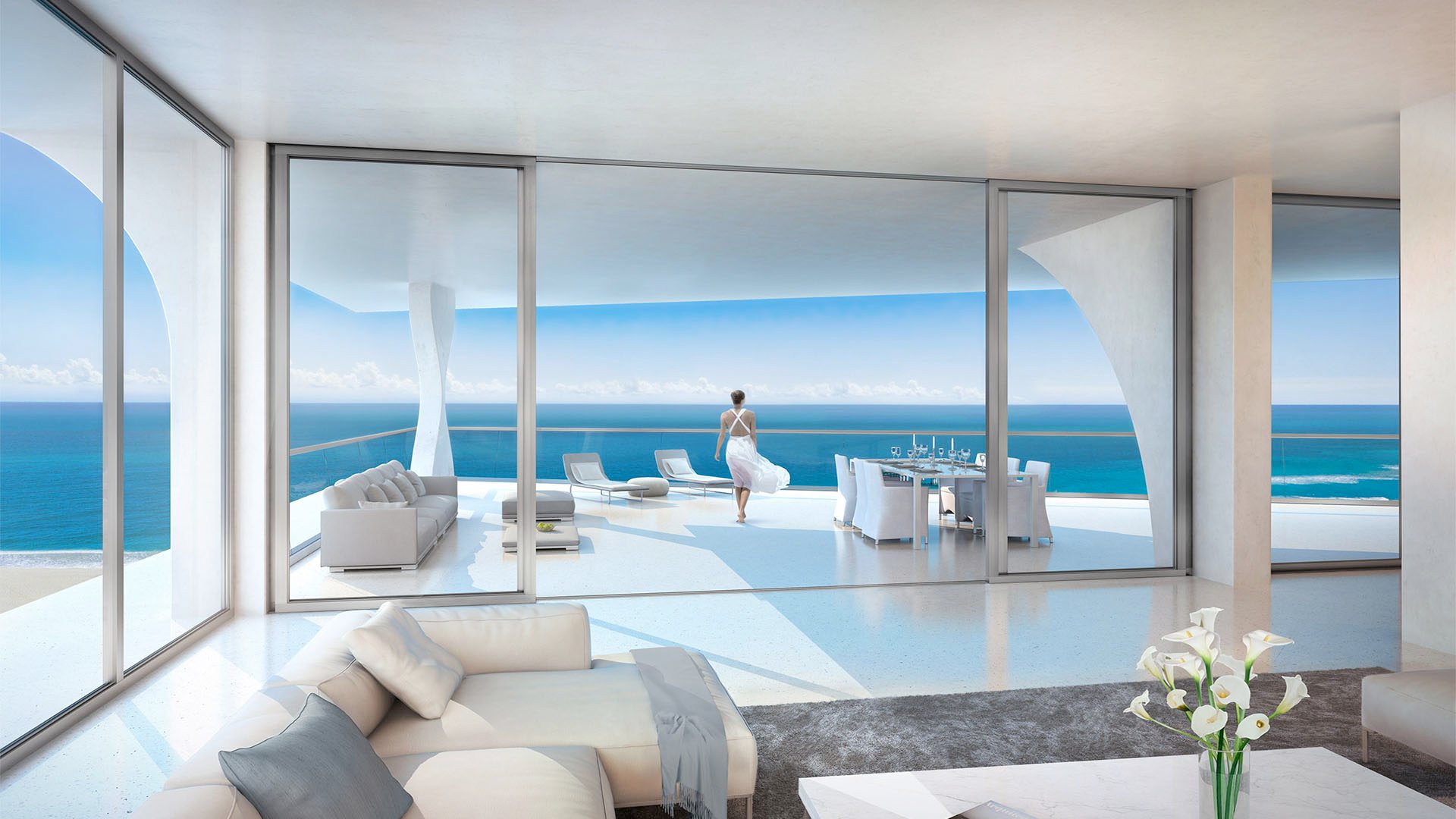
For affluent buyers seeking a primary residence by the water, Sunny Isles, Surfside, and Key Biscayne each offer a compelling but distinct version of South Florida family life. The right choice is rarely about the beach alone. It is about the rhythm of daily living: how children move through the week, how much privacy a household wants, how often outdoor recreation matters, and whether a buyer prefers a service-rich tower or a more intimate neighborhood setting.
At a high level, the contrast is clear. Sunny Isles is the most urban and amenity-dense of the three. Surfside is the most intimate and low-rise in character. Key Biscayne is the most recreation-oriented and enclave-like. For MILLION Luxury readers, that means the decision often comes down to which form of convenience matters most: building services, neighborhood calm, or open-air island living.
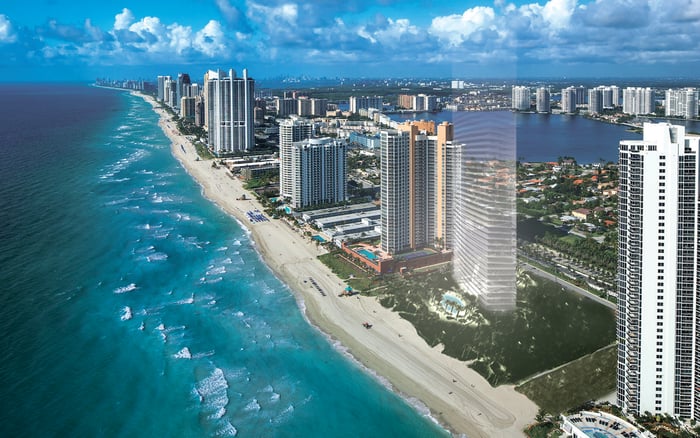
Sunny Isles Beach has more than 20,000 residents and a distinctly cosmopolitan profile. It is the most condo-heavy of the three markets, and for many families that translates into one practical advantage above all others: choice. Buyers can typically find a broader range of inventory, from older units at comparatively lower entry points to newer oceanfront towers at the upper end of the market.
That range matters for family planning. A household relocating from another major city may prioritize full-service living, security staff, fitness facilities, multiple pools, valet, and the ease of a lock-and-leave residence. In Sunny Isles, that product type is abundant. Buildings such as Jade Signature Sunny Isles Beach, Turnberry Ocean Club Sunny Isles, and The Ritz-Carlton Residences® Sunny Isles capture the area’s appeal for buyers who want oceanfront living paired with highly programmed amenities.
The trade-off is equally clear. Sunny Isles is not subtle. It is a vertical beachfront environment with a more urban cadence, greater traffic concentration, and a stronger resort sensibility than the other two towns. Families who value walkability to restaurants and services often see that as a meaningful advantage. Families seeking a quieter streetscape and a more neighborhood-scaled feel may find it less natural.
For resale-minded buyers, the broader inventory can cut both ways. There is typically more choice on the way in and, in many cases, a more legible condo market on the way out. That does not eliminate the need for disciplined underwriting, but it can make Sunny Isles attractive for families who want flexibility over time.
Surfside is much smaller, with roughly 5,500 residents, and it feels that way. The town’s low-rise profile and quieter beachfront identity create a more intimate experience than the denser coastal corridors nearby. For many families, Surfside’s advantage is emotional before it is financial: it feels less performative and more domestic.
Supply is constrained, and that scarcity shapes the market. Listings tend to skew expensive, whether in single-family homes or upscale condominiums, simply because there is less of everything. Buyers who want a more discreet setting often accept that constraint as part of the town’s value proposition.
Surfside also carries a due-diligence burden that sophisticated buyers should take seriously. Building condition, reserves, and long-term capital planning deserve especially close review in the condo segment. In a market where boutique buildings can be deeply appealing, families should be careful not to let aesthetics outrun fundamentals.
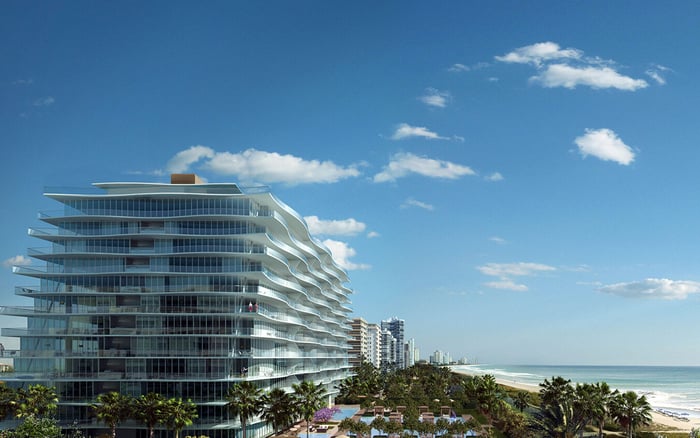
For those drawn to Surfside’s top-tier residential product, projects such as Fendi Château Residences Surfside, The Surf Club Four Seasons Surfside, and Ocean House Surfside illustrate the town’s polished but comparatively restrained luxury profile. Surfside works best for buyers who want the beach within daily reach without living inside a high-rise district.
Key Biscayne is an island municipality of about 12,000 residents, accessed via the Rickenbacker Causeway. That geography shapes everything. Even though it is relatively close to downtown Miami, it feels apart from it. For many households, that separation is the point.
Key Biscayne stands apart because family life here is not defined primarily by private tower amenities. It is defined by the outdoors. Bill Baggs Cape Florida State Park, spanning more than 1,000 acres, brings beaches, trails, and the historic lighthouse into ordinary weekend life. Crandon Park expands the recreation offering further with beach access, marinas, and golf. For parents who want children outside as much as possible, that mix is unusually compelling.
Housing, however, reflects island scarcity. Inventory is limited, and pricing trends expensive across both condos and houses. Buyers are paying not only for waterfront access but also for a specific way of living: more insulated, more recreation-driven, and often more community-oriented than mainland alternatives. For readers considering the upper tier of the market, Oceana Key Biscayne is a natural point of reference for the island’s luxury residential positioning.
The principal compromise is access. Causeway dependency can be manageable for some households and frustrating for others, especially when school, office, and social schedules all converge. Families choosing Key Biscayne are often choosing a more self-contained lifestyle by design.
All three communities are served by Miami-Dade County Public Schools, so families should compare specific school assignments, program availability, and commute fit rather than assume one town has a universal school advantage over the others. In practice, many high-net-worth buyers evaluate public options and private-school logistics at the same time, then work backward toward the town that best supports the school day.
Safety deserves the same disciplined approach. Reputation alone is not enough. Families should review local crime patterns at the neighborhood level and evaluate the difference between a quiet residential block, a busy condo corridor, and an island setting with different traffic and usage patterns.
From an ownership perspective, property-tax treatment is broadly similar because all three sit within the same county framework, including common exemptions available to primary residents. The more meaningful variable is often total carrying cost. Insurance, reserves, maintenance, and future resilience-related expenditures can materially affect annual ownership economics, particularly in older coastal buildings.
Choose Sunny Isles if your family values convenience, service, and the broadest resale and condo selection. It is especially appealing for buyers who prefer staffed towers, full amenities, and a more cosmopolitan day-to-day experience.
Choose Surfside if your family wants a smaller-scale beachfront setting with a quieter, more residential feel. It is ideal for households that value discretion and are comfortable competing for limited supply.
Choose Key Biscayne if your family wants beach living anchored by parks, outdoor recreation, and an island atmosphere that feels intentionally apart from the city. It is the strongest fit for buyers who see lifestyle not as private amenity consumption, but as access to nature and space.
Which town is best for families who want condo amenities? Sunny Isles is generally the strongest fit for buyers who want pools, gyms, staffed buildings, and a wide range of tower options.
Which town feels the quietest and most residential? Surfside usually offers the most intimate and low-rise atmosphere of the three.
Which area is best for outdoor recreation with children? Key Biscayne stands out for its combination of beaches, parkland, trails, marina access, and golf.
Are schools materially different by town? All three are served by the same county public school system, so families should compare assigned schools and specific programs.
Is Sunny Isles easier for condo buyers to shop? In most cases, yes. It tends to offer the broadest condo inventory and the largest range of product types.
Is Surfside inventory harder to find? Yes. Its smaller size and limited buildout often mean tighter supply and stronger competition.
Does Key Biscayne feel isolated? It can feel secluded in a positive sense, but buyers should be comfortable with causeway-dependent access.
Should condo due diligence differ in Surfside? Buyers should be especially thorough there on reserves, building condition, and long-term capital planning.
Are property taxes dramatically different among the three towns? Not usually at the rule level, since all three fall under the same county structure and common exemptions.
What is the simplest way to choose among them? Match the town to your family’s daily rhythm: amenities in Sunny Isles, intimacy in Surfside, or outdoor island life in Key Biscayne.
For a discreet conversation and a curated building-by-building shortlist, connect with MILLION Luxury.
If branded residences are on your mind — as a home or as an allocation — we would be glad to share what we are seeing, privately.
Begin a quiet conversation