In Sunny Isles, the choice between St. Regis and Ritz-Carlton branded living is less about a logo and more about how you want your beachfront days to feel. Both names signal a hospitality-rooted standard, yet their buyer appeal often diverges: one leans toward heritage, ceremony, and a more theatrical sense of arrival, while the other tends to read as polished, contemporary, and quietly efficient. This guide frames the comparison through lifestyle, privacy, operations, and long-term ownership priorities, with an emphasis on what to verify before you buy.
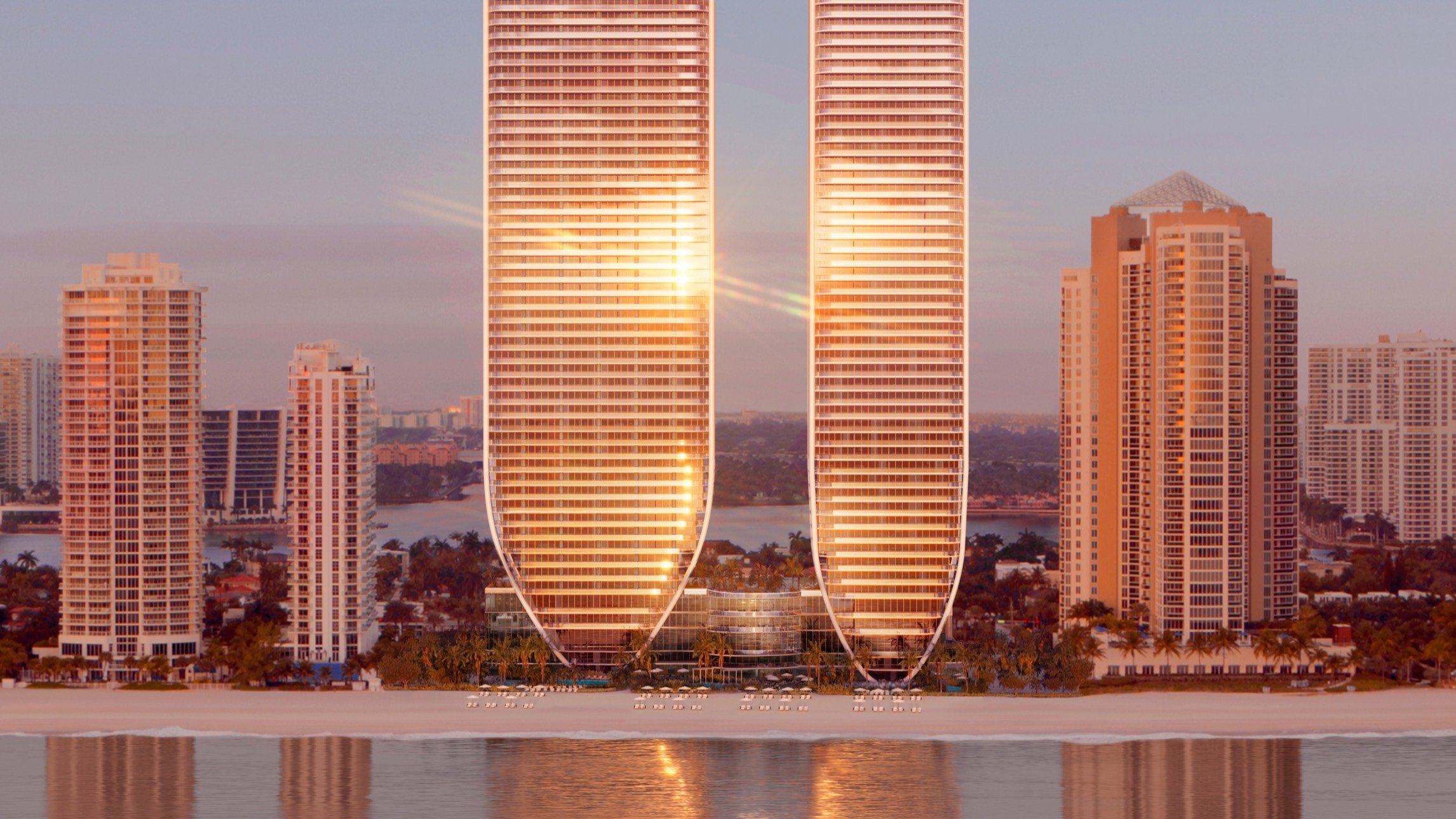
Sunny Isles has become one of South Florida’s most visible showcases for branded residential living, where the oceanfront skyline reads like a roster of global hospitality names. Buyers comparing St. Regis® Residences Sunny Isles and The Ritz-Carlton Residences® Sunny Isles are rarely debating whether the Atlantic views can be spectacular or whether the buildings can be beautifully executed. The real decision is more personal and more practical: what kind of day-to-day experience you want, and how much of that experience should be managed, curated, and anticipated by someone else.
At their best, branded residences function as lifestyle infrastructure. They offer a clear service standard, a coherent aesthetic point of view, and an operational baseline that can be difficult to reproduce in a non-branded condominium, particularly for owners with multiple homes or frequent travel schedules. The category also comes with real trade-offs. Staffing expectations can be higher, rules can be tighter, and the brand’s “house style” can feel either reassuringly consistent or overly prescriptive, depending on your preferences.
Because no two buildings run exactly the same way, and because policies can evolve as boards change and agreements are updated, the cleanest way to compare these options is to separate the brand halo from the ownership reality. Start by defining what you need an oceanfront home in Miami-Dade to do for you, then work backward into the building’s culture, governance, and daily rhythm.
Seasoned luxury buyers tend to return to the same themes when they talk about branded residences.
First is service philosophy. In a branded environment, hospitality is not a side feature. It is the organizing principle, shaping everything from how arrivals are handled to how requests are prioritized and communicated. The key question is not whether service exists, but whether the style of service matches your temperament. Some owners want a high-touch, highly orchestrated experience. Others want help that is available, capable, and largely invisible.
Second is operational continuity. A major brand can bring training frameworks, staffing standards, and a culture of accountability that supports consistent execution. In coastal South Florida, where salt air, humidity, and storm readiness make maintenance discipline non-negotiable, that continuity can feel like a form of asset protection. Still, a brand is not a substitute for due diligence. The lived experience is shaped by the condominium association, the management team, and the specific agreements governing what is included, what is optional, and what is outsourced.
Third is identity. Strong branded buildings create a quiet signal. Your address carries an understood set of expectations without requiring explanation. For many buyers, this is not about status in a loud sense. It is about choosing an ecosystem where aesthetics are curated, operations are predictable, and residents tend to share a similar approach to privacy, presentation, and lifestyle.
Finally, there is resale narrative. Luxury buyers do not only purchase square footage. They purchase a story that can be told again when it is time to sell. A recognized brand can provide shorthand credibility in global buyer pools. The market, however, still rewards the fundamentals: layout quality, building condition, governance, and financial stewardship.
St. Regis, as a concept, often evokes ritual. Even without relying on building-specific promises, many buyers associate the St. Regis world with a legacy mood: formality when it matters, classic hospitality cues, and a sense that the home participates in a longer tradition.
In a residential setting, that sensibility can appeal to owners who want their home to feel composed and elevated, almost like a private club, but without the social obligations that come with club life. The ideal St. Regis-leaning buyer is not necessarily looking for constant interaction. They value the option of being hosted, and they want that hosting to feel deliberate, graceful, and consistent.
If you are drawn to St. Regis® Residences Sunny Isles, focus on the emotional details that shape your experience over time.
Do you prefer a pronounced sense of arrival, where the transition from public to private space is designed to slow you down and set a tone?
Do you enjoy service that feels bespoke, with a language of hospitality that reads more ceremonial than casual?
Do you gravitate toward a residential atmosphere that feels refined and enduring rather than trend-driven?
These questions do not guarantee how any one property will operate. They simply sharpen your lens so that when you tour, interview, and review documents, you know what to measure: staffing culture, responsiveness, and the community’s expectations for how the building should feel.
In many buyers’ minds, The Ritz-Carlton brand reads as impeccably managed and broadly modern. The association is often with a certain efficiency that still feels luxurious: smooth execution, crisp presentation, and a tone that can be sociable without becoming intrusive.
For owners evaluating The Ritz-Carlton Residences® Sunny Isles, the appeal often sits at the intersection of discretion and clarity. Many luxury buyers want a home that runs like a well-managed operation. They value systems that work, communication that is direct, and a service cadence that feels elevated but not performative.
This sensibility often resonates with:
Owners who use their South Florida residence as a high-function base for travel, business, and family logistics.
Buyers who appreciate hospitality, but prefer it to be quietly anticipatory rather than visibly ceremonial.
Residents who want a residential environment that reads contemporary and internationally legible.
As with any branded residence, the important caveat is that the real-world experience is shaped by governance, staffing, and operational agreements. A brand influences culture, but it does not replace the need to review rules, budgets, and the boundaries between what is included, what is optional, and what may be handled through third-party providers.
In Sunny Isles, many owners are not choosing a “vacation home” in the traditional sense. They are choosing a second headquarters. That makes lifestyle fit more nuanced than comparing amenity lists.
For full-time residents, daily rhythm is everything. You will feel every operational decision: how packages are received and stored, how contractors are scheduled and supervised, how noise and renovation rules are enforced, and how the building balances resident privacy with the reality of staff and vendors moving through common areas. Small friction points that seem minor in a weekend visit can become meaningful when you live in the building.
For seasonal owners, predictability is the luxury. You want confidence that your home can be prepared before you arrive and secured when you leave, and that any issues in your absence will be handled with calm competence. Branded buildings often cultivate a stronger expectation that these routines are part of the operating culture, but you still want to see how it plays out in practice.
For lock-and-leave owners, discreet security and seamless maintenance are typically the priority. The home should feel effortless, but not generic. The more you travel, the more attention you should pay to communication style, after-hours responsiveness, and how the building documents requests and resolutions.
Where the St. Regis versus Ritz-Carlton comparison becomes practical is in how you respond to different “service temperatures.” Some owners want to feel hosted. Others want to feel protected and unbothered. Neither preference is more sophisticated. The sophistication is knowing which one is yours, and selecting a building whose culture supports it.
Branded residences are often discussed as if the brand alone dictates the interior experience. In practice, your sense of home comes from a mix of architecture, proportion, light, and the emotional tone set by the shared spaces you pass through every day.
When evaluating oceanfront living in Miami-Dade, look beyond the headline view and study how the residence frames water, sky, and shoreline in real use. A home can have extraordinary vistas and still feel restless if circulation is awkward, if outdoor space is underutilized, or if glazing choices amplify heat and glare at the wrong hours. Conversely, a well-composed plan can make even modest square footage feel expansive and settled.
Because this guide is not relying on building-specific specifications, use timeless evaluation points that apply to any luxury high-rise:
How does the residence transition from entry to living areas? If the entry is too exposed, you may feel on display every time the door opens.
Is there true separation between entertaining spaces and private sleeping quarters? Many buyers underestimate how much this matters during holidays, staff visits, and multi-generational stays.
How usable is the outdoor space in real life? A terrace is only a lifestyle asset if it can be comfortably furnished and accessed in a way that complements the interior.
How does the soundscape feel? Oceanfront can mean waves, wind, and activity. You want to understand what you hear with doors closed and what you hear with doors open.
Brand identity can influence materials and mood, but your day-to-day experience will be shaped by layout, orientation, and practical details: storage, service access, and whether the home supports calm or requires constant management.
Sunny Isles can be glamorous, but not every buyer wants a glamorous life. Many owners want privacy that feels effortless, not defensive. In that context, the “social temperature” of a building matters as much as its finishes.
In branded residences, a recognized name can create a specific type of visibility. Guests, vendors, and service providers may treat the address differently. That can be a positive if it elevates professionalism and consistency. It can also feel like a drawback if it increases foot traffic or creates a hotel-like energy, depending on how the building is run.
When you tour and when you ask questions, pay attention to signals that reveal how the building actually lives:
How do residents move through common areas? Do people linger and socialize, or do they move through quietly and purposefully?
How do staff interact with owners? Is the tone formal and warm, or minimal but highly competent?
How is guest access handled? If you entertain, you want the process to feel welcoming and secure, not cumbersome.
How does the building manage the overlap between privacy and service? The best environments can deliver high-touch support while still allowing owners to feel invisible when they want to be.
This is where the St. Regis versus Ritz-Carlton choice becomes personal. If you enjoy a slightly more theatrical hospitality cadence, you may lean one way. If you prefer quieter, contemporary efficiency, you may lean the other. The goal is simple: match the building’s social energy to your own.
In ultra-premium condominiums, the costliest mistakes are rarely about finishes. They are about assumptions.
Before committing to either St. Regis® Residences Sunny Isles or The Ritz-Carlton Residences® Sunny Isles, verify the ownership realities that shape daily life and long-term flexibility. These elements vary by building and can change, so confirm them through condominium documents, the association, and management.
Rental rules and leasing cadence. If you intend to rent, even occasionally, understand minimum lease terms, approval processes, and whether there are brand-related expectations around resident conduct and building culture.
Move-in and renovation policies. Luxury towers often enforce strict scheduling, elevator reservations, and vendor requirements. These rules protect common elements, but they also affect how easily you can customize, repair, and maintain your residence.
Budget posture and reserves. “Branded” does not automatically mean financially conservative. Review budgets, reserve information if available, and recent meeting minutes to understand how the community approaches maintenance, capital planning, and assessment risk.
Inclusions and optional services. In some luxury environments, certain services are included while others are available a la carte through preferred partners. Clarity here prevents resentment later.
Insurance and coastal resilience. Oceanfront ownership has a unique risk profile. Make sure your advisors evaluate how the building plans for storms, salt exposure, and long-term capital needs.
A brand can raise expectations, but documents define reality. Treat the brand as a lens, not a substitute for verification.
When comparing branded homes in Sunny Isles, it helps to anchor your thinking with one neutral reference point, even if it is not your final choice. For a closer look at one of the headline options, explore St. Regis® Residences Sunny Isles as a starting place for mapping layouts, clarifying lifestyle priorities, and building a list of questions to bring to your advisor.
The point is not to fall in love with a brochure. It is to organize your decision-making: what is truly non-negotiable, what is a nice-to-have, and what is simply marketing language that does not affect your lived experience.
A disciplined luxury purchase process often looks less romantic than people expect. That is a good thing. Romance is what you get to enjoy after you close.
Use the framework below to choose between St. Regis® Residences Sunny Isles and The Ritz-Carlton Residences® Sunny Isles in a way that is aligned with how you live.
Define your primary use case. Are you here for long weekends, an extended season, or year-round living? A building that feels perfect for seasonal ownership can feel overly structured as a full-time residence, and the reverse can be true.
Choose your service temperature. Decide whether you prefer a hosted atmosphere or a quietly efficient one. Then test that preference in person by observing staff interaction, tone, and how residents behave in shared spaces.
Prioritize privacy mechanics. Look at entry experience, elevator flow, guest protocols, and how you feel moving through the building. In top-tier oceanfront living, true luxury is often the ability to opt out.
Evaluate the residence like a house. Ignore staging and focus on plan, storage, light, and how your day moves from morning to evening. Views are emotional, but lifestyle is functional.
Interrogate the rules. Read them carefully. Ask what owners complain about. Ask what management wishes owners understood. Policies are where your future happiness often lives.
Stress-test your resale narrative. Picture the next buyer. What will they value? How will the building’s story read to someone who does not share your taste? A brand helps, but condition, governance, and operational stability matter just as much.
The most compelling branded residences in Sunny Isles succeed when they make luxury feel lighter: less friction, more privacy, and daily rituals that are elevated without becoming complicated.
What documents should I review before buying in a branded condo? Review the declaration, bylaws, rules and regulations, current budget, recent financial statements, and recent meeting minutes. Confirm any brand-related agreements that affect operations, services, and fees, and make sure what you expect to be included is clearly documented.
How do rental restrictions typically differ between luxury towers? They can differ in minimum lease terms, approval processes, and how strictly the building controls leasing frequency and resident conduct. If rental flexibility matters to you, verify the exact leasing cadence, screening requirements, and any limits that could affect your plans.
What should I listen for during a tour of an Oceanfront building? Listen for the building’s everyday soundscape: wind, waves, mechanical systems, hallway noise, and the feel of privacy when doors close. Also pay attention to operational noise, such as service activity in corridors or loading areas, since that often reveals how smoothly the building runs.
How can I evaluate whether the “service culture” fits me? Observe how staff greet residents, how requests are handled, and whether interactions feel warm and formal or discreet and efficient. Pair that with a review of policies and included services, since culture is expressed through both people and process.
For a discreet, buyer-aligned comparison and private touring strategy in Sunny Isles, connect with MILLION Luxury.
If branded residences are on your mind — as a home or as an allocation — we would be glad to share what we are seeing, privately.
Begin a quiet conversation