Branded residences can feel like an instant shortcut to luxury, but the smartest buyers treat the brand as only one layer in a larger decision. In Miami, the real differentiators are service structure, governance, privacy, lifestyle fit, and long term flexibility. This guide offers a disciplined comparison framework you can use across Brickell, Downtown, and Miami-beach, including what to verify in documents, how to weigh hotel style conveniences against ownership control, and how to build a shortlist that protects both enjoyment and resale appeal.

In South Florida, branded residences have become a common shorthand for a particular version of luxury: curated, design-led, and engineered to feel effortless. Sophisticated buyers, however, treat the name at the entrance as only one layer of the decision. A logo on the porte cochere does not automatically produce the right ownership experience.
“Best” is not a universal ranking. It is the alignment between a building’s operating model and the way you actually live.
At their best, branded residences can deliver advantages that are difficult to replicate in a conventional condominium: a clear aesthetic language, hospitality-trained staffing, and a reputation that reads instantly when you entertain or, eventually, resell. The brand can also influence the tone of the resident experience, from how arrivals feel to how issues are handled.
But branding can introduce complexity. Service standards may vary depending on who is actually managing the building. Fees can evolve as staffing and amenities mature. Certain conveniences can come with rules that matter more than the marketing implies. A polished narrative is not the same thing as operational clarity.
That is why a disciplined comparison matters. Buyers evaluating options across Brickell, Downtown, and Miami-beach should approach branded residences the way they would evaluate a private club: with clear expectations, document-based verification, and an eye for what feels discreetly easy day to day.
Before another tour or another sales presentation, define your buyer profile in plain language. The same residence can be exceptional for one household and frustrating for another.
Start with four fundamentals:
Primary home, second home, or pied-à-terre If you will live full-time, day-to-day function often matters most: storage, predictable parking, and the quiet continuity of a building that runs smoothly year-round. If you will use the home seasonally, prioritize lock-and-leave simplicity and a service culture that remains consistent when you are away.
The “privacy threshold” Some buyers want visible energy and a social atmosphere. Others want a residence that feels like a private collection: calm, predictable, and not performative. Your privacy threshold should guide everything from lobby flow to guest access policies.
Service appetite Hospitality-adjacent service can be a genuine advantage, but only if it matches your comfort level. Some owners want a turnkey lifestyle with a high-touch team. Others prefer a lighter touch, more autonomy with vendors, and fewer touchpoints.
Flexibility horizon Plans change. The question is whether the building can support that change without friction. If you anticipate periods of non-use, evolving family needs, or the possibility of renting, compare governance and policy with the same rigor you apply to finishes and views.
Once your profile is clear, “best” becomes a process: matching lifestyle priorities to a building’s design intent and operational reality.
Use the questions below as a consistent scorecard for every branded residence you consider. The purpose is to look past staging and into the ownership mechanics that shape daily life.
What, exactly, is the brand promising? A brand may represent design, wellness, dining culture, discretion, or a specific aesthetic. Ask what the brand is responsible for in practice. Is it involved in operations, or is it primarily licensing and creative direction? If the answer is vague, treat that uncertainty as risk to your expectations.
Who manages the residence experience? Operations will define your lived reality more than any lobby. Ask how resident services are delivered, who hires and trains staff, and how requests are tracked and resolved. The goal is not “more service.” The goal is the right service, delivered consistently.
How is the building governed? Every condominium has rules. The differentiator is governance culture and how it aligns with your temperament. Some buildings are highly structured, with strict policies designed to protect consistency. Others allow more latitude. Neither is inherently better, but a mismatch can become the most common source of friction over time.
What is the relationship between residents and any hotel component? Some branded residences are closely affiliated with hospitality operations; others are fully residential. Where a hotel component exists, verify how spaces are shared, how privacy is protected, and how peak-season activity is managed. If calm is part of your definition of luxury, you need clarity here.
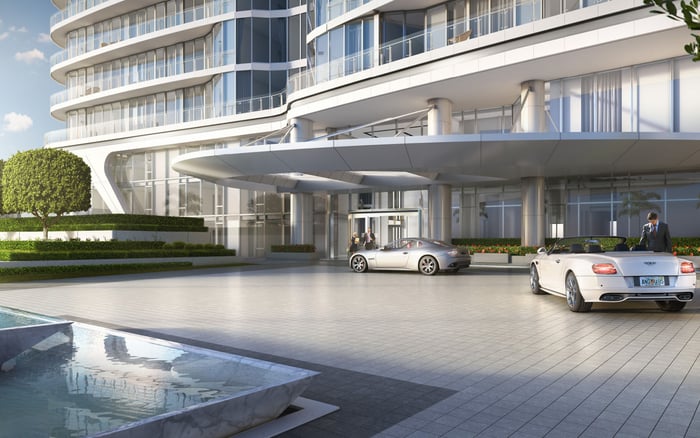
How are arrivals, deliveries, and privacy handled? Luxury is often defined by what you do not have to notice. Ask how vendors enter, how packages are stored, and how resident privacy is protected in common areas. Even in the most architecturally impressive buildings, small operational inefficiencies can quietly erode the experience.
What is the real cost of “turnkey”? Branded residences can include additional layers of cost that buyers do not always model correctly. Understand what is included, what is optional, and what tends to change over time. You are not only buying a home; you are buying a service ecosystem.
What is the design intent, and does it age well? Some design languages are timeless; others are strongly tied to the moment. There is no rule that quieter design is “better,” but resale markets often favor residences that photograph well for years, not just for a season. Compare materials, detailing, and durability, not only visual impact.
How does the building treat customization? If you anticipate upgrades, clarify what is allowed and what approvals are required. Branded residences sometimes protect cohesion more tightly than conventional condos. If personalization matters, confirm that your plans align with the building’s governance.
What are the usage and rental rules? Policies shape flexibility. Even if you do not plan to rent, understand how the building views rentals, visitor stays, and any managed program options. Rules can differ materially across communities and can influence future buyer demand.
What is the exit story? Be honest about your likely future buyer. A residence can be perfectly aligned with your lifestyle and still be harder to resell if it is too niche. The strongest branded residences tend to combine identity with broad appeal.
This framework is deliberately practical. The more romantic the marketing, the more you should insist on operational specifics.
In Miami-Dade, neighborhood is not just a backdrop. It is part of the product, especially in branded living. Compare projects within their micro-markets, because lifestyle patterns can shift dramatically over a short drive.
In Brickell, buyers often seek walkable convenience, polished social energy, and the sense of being centered in finance, dining, and waterfront views. If your schedule is dense and you want a seamless weekday rhythm, Brickell can be compelling. When comparing branded residences here, pay special attention to lobby flow, valet execution, guest management, and how the building maintains a residential tone within a high-velocity district.
Downtown can appeal to buyers who want proximity to culture, arenas, and a more urban skyline feel. The pace can be dynamic and the product mix can vary. A branded residence in Downtown should be assessed for sound, privacy, and the practical ways the building separates residential life from surrounding activity.
Miami-beach is a different proposition. Here, luxury often centers on atmosphere, sand-and-sea proximity, and a sense of escape that begins the moment you cross the causeway. When comparing branded residences in Miami-beach, prioritize privacy protocols, guest policies, and how the building performs during peak seasonal demand. If you entertain frequently, confirm how arrivals and visitor access are handled so your home remains a refuge.
The takeaway is simple: do not compare a Brickell lifestyle to a Miami-beach lifestyle as if they are interchangeable. Choose the setting that fits your daily rituals, then evaluate the building within that context.
Branded residences can be especially alluring because they appear complete and fully curated. The most important work, however, happens in documents, not in renderings.
Approach due diligence with a luxury mindset: discreet, thorough, and focused on what is enforceable.
Confirm, in writing, the following categories with your attorney and brokerage team:
Fees and what they cover Do not ask only for a monthly number. Ask what services and reserves the fees are designed to fund, and which categories are subject to change. Model ownership as a long-term pattern, not a snapshot.
House rules and lifestyle constraints Pets, frequent guests, staff, and entertaining style can be affected by rules as much as by the floor plan. Ensure your daily habits do not sit in a gray area.
Renovation, move-in, and delivery procedures Even luxury renovations can be constrained by condominium processes. If customization matters, clarify approval pathways, timelines, and common restrictions early.
Parking and storage realities Do not assume convenience. Verify the practical reality of resident parking, guest parking, and any storage allocations. In a high-end building, friction around basics is especially frustrating.
Insurance and risk posture Ownership responsibilities can vary. Ask what the building covers, what the owner covers, and where gray areas typically arise. In waterfront environments, clarity supports peace of mind.
Because the Fact Table provided for this article contains no project-specific policies, treat every rule as building-specific and confirm directly with condominium documents and management before you commit.
The essence of branded residences is experience design. For comparison, break the product into three layers: design, operations, and community culture.
Design layer Look beyond statement moments and evaluate what you touch every day. Door hardware, sound attenuation, elevator lobbies, and lighting quality often matter more than a dramatic sales-center feature. Assess whether interiors feel coherent and whether the palette is likely to remain elegant after years of sun, salt air, and daily use.
Operations layer True luxury feels almost invisible. If you have lived in a building where deliveries were chaotic or staff turnover was obvious, you know how quickly “beautiful” can become “inconvenient.” Ask how the residence handles the unglamorous realities: packages, repairs, and vendor access. These are not minor details. They are the foundation of a calm home.
Community culture layer Branded residences can attract a very specific owner profile. That can be a benefit if it matches your expectations. Some communities are quietly serious, prioritizing discretion and consistency. Others are more social, with a visible scene and greater day-to-day interaction. Ask your agent to help you understand the building’s rhythm and norms, and decide whether you want to be part of that culture.
Then evaluate the quiet costs of prestige.
Paying for an elevated experience is not the issue. The only question is what, precisely, you are paying for. In some cases, the premium supports curated staffing, brand-aligned materials, and common-area maintenance designed to look new longer. In other cases, much of the premium is simply association with a name.
A sophisticated comparison separates those scenarios. The goal is not to avoid premium pricing. The goal is to confirm that the premium is tied to durable value.
To translate the framework into action, consider how a buyer might build a shortlist across well-known Miami options without assuming any one label is automatically superior.
Step 1: Anchor the shortlist with one reference property Choose one branded residence as your baseline so you can compare feel, location, and operational logic consistently. For a neutral reference point in Brickell, explore Baccarat Residences Brickell. Use it as a measuring stick for what you consider “complete” in terms of arrival experience, privacy, and lifestyle positioning.
Step 2: Add a second option that tests a different lifestyle emphasis If your first option is in Brickell, add a project that challenges your assumptions, perhaps one that leans more toward waterfront escape or a different service philosophy. If Miami-beach is in your lifestyle orbit, place The Ritz-Carlton Residences® Miami Beach on your shortlist as a point of comparison for how branded living can feel when the neighborhood itself carries a resort-like tempo.
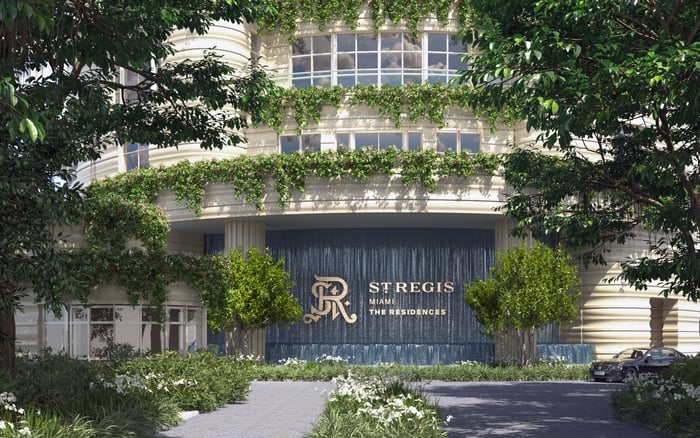
If you prefer to stay in the core while comparing brand identities within a similar district, include St. Regis® Residences Brickell as another reference point. The objective is not to crown a winner early. It is to reveal which residence aligns with your non-negotiables.
Step 3: Score each property using the same categories Create a one-page score sheet and stay disciplined:
Step 4: Tour twice, with different intent First tour: experience the building emotionally. Notice what feels calm, what feels performative, and what feels genuinely elevated.
Second tour: interrogate operations. Ask to understand package handling, see service corridors if accessible, and confirm how security and guest access are managed. Observe pace at different times of day. In luxury, timing reveals truth.
Step 5: Do not outsource your priorities In a market where branding is part of the vocabulary, it is tempting to let prestige decide for you. Resist that impulse. The most satisfied owners are typically the ones who chose a residence that supports their life quietly and consistently.
In practical terms, the “best” branded residences in Miami are the ones that do three things at once: deliver a coherent design identity, run smoothly behind the scenes, and match your personal definition of privacy and ease.
How do I compare branded residences if every sales presentation sounds the same? Use a single scorecard and force consistency across tours. Ask the same operational questions each time, and separate what is stated in marketing from what is confirmed in documents, staffing structure, and rules. When every presentation feels identical, the differentiators are almost always governance, privacy protocols, and how the building handles daily friction.
What should I verify in condo documents before assuming “hotel-level service”? Confirm who is responsible for delivering services, what is included versus optional, and how costs are assessed. Look for clarity on staffing, access to amenities, and any policies that affect usage. “Hotel-level” is a phrase; enforceable language is what matters.
How can I evaluate privacy in a building during a short tour? Treat privacy as a set of systems, not a feeling. Watch lobby traffic patterns, ask how guest access is controlled, and observe how arrivals and deliveries are routed. A second visit at a different time of day often reveals whether calm is consistent or only staged.
What questions help me understand rental flexibility without relying on marketing? Ask for the building’s written rules on minimum rental periods, guest stays, and any managed program options. Clarify how enforcement works and whether policies are strict or discretionary. Even if you do not plan to rent, rental posture can affect future demand.
When does paying for a brand add resale strength, and when is it mostly aesthetics? Brand can support resale when it is backed by consistent operations, a durable design language, and a resident experience that remains coherent over time. If the value is primarily a name without clear operational advantage, resale appeal can be more dependent on broader market conditions.
For a confidential shortlist and a document-driven comparison tailored to your lifestyle, connect with MILLION Luxury.
If branded residences are on your mind — as a home or as an allocation — we would be glad to share what we are seeing, privately.
Begin a quiet conversation