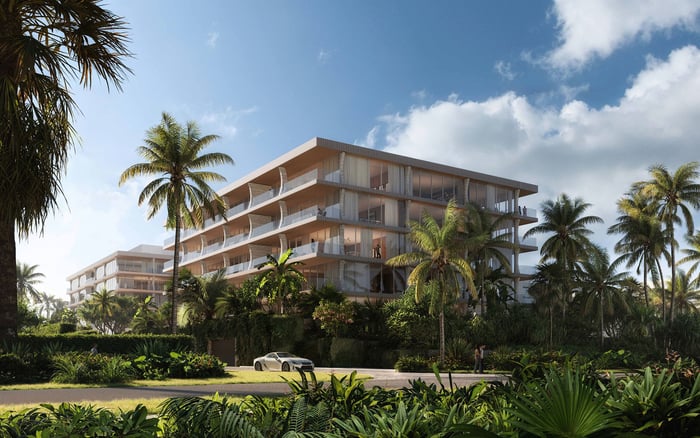
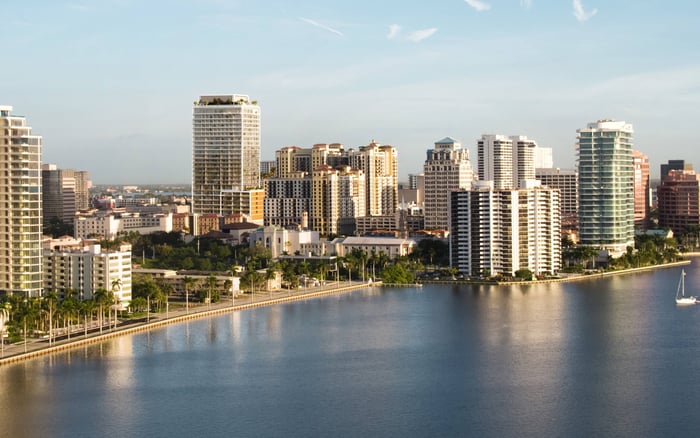
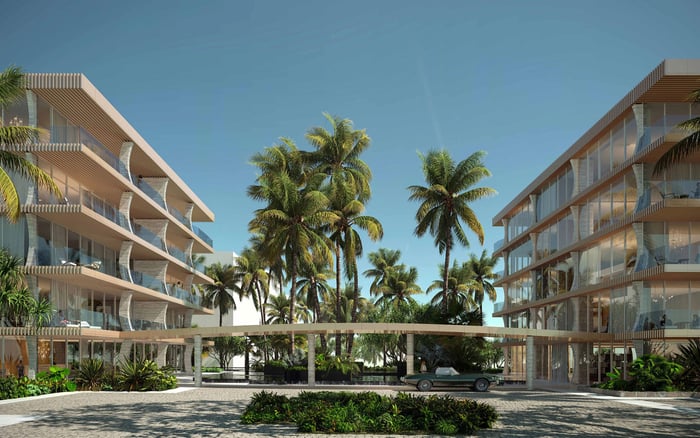
Palm Beach’s appetite for new residences is unmistakable, yet true new-construction inventory can feel exceptionally scarce. This guide frames what “new” really means locally, which design and lifestyle cues are emerging, and why certain attributes become instantly rare: privacy, boutique scale, resilient construction, and service-forward convenience. Because each project and contract can differ, the focus is on a practical buyer lens, from pre-construction diligence to comparing new offerings with legacy buildings in Palm-beach and West-palm-beach.
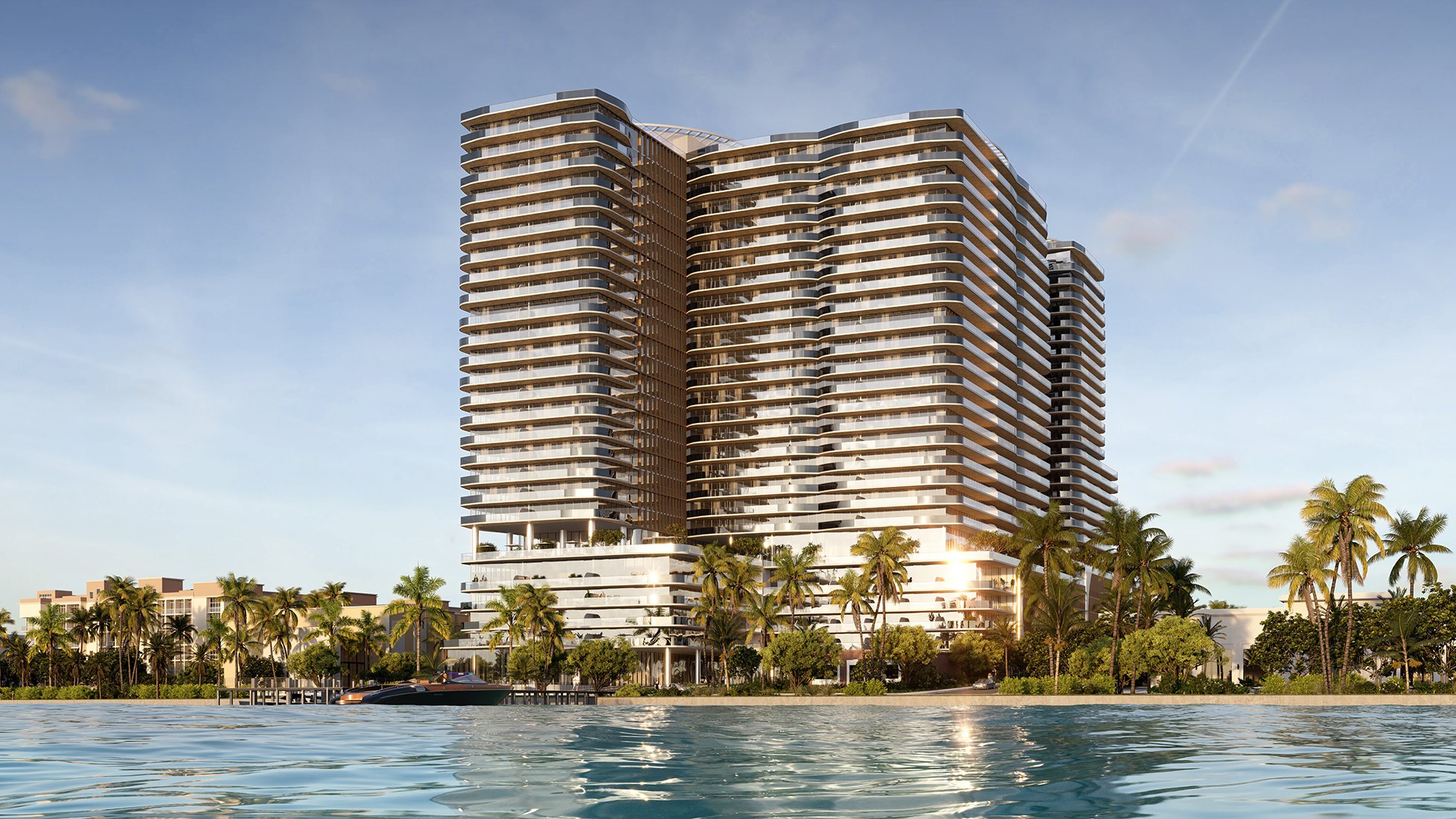
Palm Beach is defined by architectural continuity. Many buyers are drawn to the island precisely because it protects a visual rhythm: established streetscapes, discreet façades, and a sense that nothing is trying too hard to be noticed. Within that context, true new-construction opportunities can feel both thrilling and genuinely limited.
When a residence delivers new, it often delivers clarity: clean lines, updated systems, modern planning, and an ownership experience that can be closer to lock-and-leave than what legacy inventory may offer. Yet the very qualities that make Palm Beach feel stable also make ground-up new supply selective. Land is finite, the approval process can be exacting, and neighborhood context carries real weight.
For buyers, the market dynamic is less about buzz and more about alignment. “What’s new” is not only a completion date. It is the lived feeling of newness: contemporary flow, thoughtful privacy, and service that operates quietly in the background. “What’s rare” is where those expectations overlap in a location that prizes discretion.
Because the details that matter most can vary by building and contract, a practical approach is to focus on the attributes that tend to disappear first. The strongest opportunities often share a consistent theme: they support modern life while respecting Palm Beach’s understated, high-touch standard.
In Palm Beach, “New-construction” can describe several formats, and each comes with its own purchase rhythm and ownership profile.
A newly built condominium typically attracts buyers who want turnkey design, controlled access, and a simplified footprint. A townhouse or boutique multi-residence building may offer a more private arrival sequence while still benefiting from shared services. A single-family home can deliver maximum autonomy, but it often requires more day-to-day oversight and a deeper operational plan.
For many buyers, “new” can also be expressed through major renovation cycles within established buildings. That may include fully updated interiors, redesigned common areas, or refreshed building systems. Those improvements can be meaningful, but they are not identical to a ground-up delivery. The distinction matters when you compare long-term maintenance, design flexibility, building operations, and the overall feel of the property.
Rather than reducing newness to a timeline, evaluate what the building experience is designed to deliver: how the residence lives, how privacy is handled, what service looks like in practice, and how ownership feels week to week.
Without tying the conversation to a single project, several priorities are consistently shaping demand for newer luxury residences across South Florida, including Palm Beach.
First is privacy that feels calm, not cut off. Many buyers want a secure, composed sense of arrival with circulation that minimizes unnecessary exposure. Depending on the property, that can appear as fewer residences per floor, private elevator entries, or more deliberate separation between guest and service movement. The details should always be verified case by case, but the direction is clear: privacy has become a baseline expectation.
Second is livability that supports real routines. Contemporary buyers are often planning longer stays, remote work, and hosting that feels effortless. Storage, flexible rooms, and kitchens built for actual use tend to matter more than novelty features.
Third is wellness-forward thinking. At the top end, wellness is not a label. It is an integrated approach that can influence air quality, light, acoustics, fitness options, and outdoor living. Some buildings express this through amenities, others through quieter design choices. The best executions make the residence feel better to live in, not just better to market.
Finally, there is growing demand for service. Many buyers value a residence that can run with hotel-like ease while keeping the aesthetic residential and discreet. In Palm Beach, that preference aligns naturally with the local culture of polished, behind-the-scenes hospitality.
In ultra-prime submarkets, rarity is seldom a single feature. It is usually the stacking of features that are each desirable on their own, and hard to replicate in combination.
Boutique scale is a primary driver of scarcity. Buyers often want a building that feels quiet and personal, where shared spaces do not feel busy and the resident community remains limited. Boutique can mean fewer variables, a more controlled atmosphere, and a stronger sense of stewardship. It also means fewer chances to buy, which can intensify competition when the right home becomes available.
A second category is view protection and enduring light. Many buyers fall in love with a view, but a sophisticated buyer asks how resilient that exposure may be over time. In established areas, future development patterns and sightlines can be complex. A residence that stays bright and open, with a sense of permanence to its outlook, can be more valuable than one that simply photographs well.
Third is outdoor space that is genuinely usable. Terraces and balconies can transform daily life in South Florida, but not all outdoor space functions the same. Depth, orientation, wind patterns, and privacy will shape whether the space becomes part of your routine.
A fourth element is restraint in architecture and interiors. In a market where statement design can be tempting, the rarest homes often lean into timeless proportions, disciplined materials, and a calm palette that lets art and personal collections lead.
Finally, there is the rarity of a clean buying path. In Pre-construction, contract terms, deliverables, and allowances can vary widely. A transparent, well-structured deal can be rare in its own right.
Palm Beach luxury rewards confidence in understatement. New residences that resonate on the island tend to express modernity through discipline rather than spectacle.
Buyers often respond to natural materials, controlled daylighting, and a “quiet luxury” sensibility that reads as crafted, not trend-driven. The best homes feel considered at every touchpoint: hardware that feels substantial, surfaces that wear well, and kitchens and baths that rely on proportion and quality rather than gimmicks.
Just as important is acoustics, and the feeling of calm that comes with it. Silence can be one of the most valuable amenities in a high-end residence, and it is often created by decisions a buyer cannot immediately see. When assessing a new opportunity, pay attention to how sound moves between rooms, how separation is handled between neighbors, and how common areas manage foot traffic.
This is also where comparisons between newer and older properties become nuanced. Legacy buildings can offer address prestige, established scale, and a settled sense of place. Newer buildings can offer a more contemporary envelope and a plan aligned with how owners live today. The right choice is personal. It depends on your definition of luxury, not a generalized hierarchy.
Across the broader luxury market, many buyers now expect residences to operate with a hospitality mindset. That does not always require a hotel flag, but it often borrows the same promise: consistency, discretion, and the ability to simplify daily life.
This can be especially compelling for a Second-home lifestyle. If your time in South Florida is intermittent, you may value a residence that is ready on arrival and secure on departure. Service-forward living can also appeal to owners who entertain, but do not want the responsibility of a full-time personal staff.
If you are exploring how branded expectations might translate to Palm Beach, use Aman Palm Beach Residences as a reference point for high-touch, residence-first positioning. Confirm specific offerings, services, and timelines directly with the development team and your advisor, as details can evolve.
The key is to separate marketing from operations. The more valuable question is not “Is it branded?” It is “How will the building actually run?” Look for clarity on staffing philosophy, privacy protocols, owner usage, and how service is integrated without compromising a residential feel.
Pre-construction can offer first access to preferred layouts, premium exposures, and a finish package aligned with your taste. It can also require more diligence than a resale purchase. The goal is not to become overly cautious. It is to be appropriately informed.
Start with a clear definition of what you are buying. Beyond the floor plan, confirm what is included versus what is considered an upgrade, and understand how substitution clauses work. Many contracts allow certain adjustments, so you should know what may change, how changes are communicated, and what remedies exist if an element you considered central is altered.
Next, focus on timeline and dependencies. Construction schedules can shift for reasons that are not always predictable. Buyers who manage this best typically plan for interim housing, storage, and move coordination with realistic buffers.
Third, evaluate governance and cost structure. Association budgets, reserve planning, staffing, and maintenance standards influence your monthly carry and your daily experience. Even in a luxury building, financial discipline matters.
Fourth, discuss customization pathways. Some residences allow meaningful personalization, while others are designed to be delivered as a complete and cohesive product. Neither is inherently better. The better fit depends on whether you want a curated environment or a more flexible canvas.
Fifth, consider resale liquidity even if you intend to hold long term. Palm Beach buyers can be sophisticated and selective. Homes that are easy to understand and easy to live in often trade more smoothly than those that require extensive explanation.
In Palm Beach, the choice between New-construction and legacy inventory is rarely a simple price-per-square-foot exercise. It is a lifestyle decision, and it is also a risk decision.
Newer residences can offer modern planning, contemporary systems, and a sense of freshness that is difficult to replicate. For some buyers, that translates into time saved and fewer operational friction points. Others may prioritize the character of older architecture, established landscaping, and the comfort of a building with a long track record.
A practical comparison framework is to evaluate three categories.
First, daily experience: arrival, parking, privacy, elevator flow, noise, and the feel of common areas. Second, ownership experience: staffing quality, maintenance standards, responsiveness, and the rules that shape how you can use your home. Third, long-term resilience: how the residence may age, how flexible the layout remains, and whether the building’s positioning is likely to stay desirable.
If you are torn between two options, ask which one you would be proud to own without explaining it. The best luxury purchases tend to feel self-evident in their comfort and clarity.
Many buyers who come for Palm Beach widen their search radius to West Palm Beach. That is not always a tradeoff. For some, it is a deliberate lifestyle choice based on proximity to dining, cultural venues, and a preference for a more urban rhythm.
The key is to treat West Palm Beach as its own market, with its own micro-locations, building profiles, and buyer motivations. A residence that feels ideal for a full-time schedule may not be ideal for a weekend pattern, and the reverse can also be true. If you are a Second-home buyer, think through how you arrive and depart, where you spend time, and how much walkability you want on a typical day.
West Palm Beach can also be a useful lens when you evaluate New-construction availability. Newer inventory may present differently there than on the island, and that can affect both feature selection and negotiation posture. The best outcome is not about choosing one side of the bridge. It is about choosing the home that best supports the life you plan to live in South Florida.
Second-home ownership in South Florida tends to concentrate priorities around simplicity, security, and a residence that stays polished without constant attention.
Start with operations. A home that is easy to manage will feel luxurious more often than a home that is merely impressive. Ask how deliveries are handled, how the building communicates with owners, and how quickly routine issues are resolved. If you travel frequently, confirm how the property supports extended absences and what procedures are in place for monitoring and access.
Next, assess storage and utility. Second-home living still requires space for luggage, seasonal wardrobes, sports equipment, and the small items that keep day-to-day life running smoothly. In many showpiece residences, utility is where regret can quietly accumulate.
Then, think about hosting. If you entertain, the plan should allow guests to feel comfortable without crossing through private zones. Powder rooms, guest suites, and acoustic separation can matter as much as views.
Finally, consider how the residence will feel five years from now. Timeless materials, disciplined detailing, and layouts that prioritize function tend to hold their aesthetic appeal as tastes evolve.
When inventory is limited, discipline becomes a competitive advantage. Begin with a clear hierarchy of non-negotiables. In Palm Beach, that may be privacy, outdoor living, boutique scale, or a specific orientation. Decide what you will not compromise on, then identify two or three areas where you can be flexible.
Next, build a due-diligence cadence that matches the speed of the market without sacrificing rigor. In the most competitive situations, buyers who can move decisively often do best, but only when their evaluation framework is already prepared.
Stay open to the idea that “rare” is personal. For one buyer, rarity is an ocean-adjacent feeling. For another, it is a perfectly quiet bedroom wing, a graceful arrival sequence, or a building that delivers service without spectacle. When you define your version of rare in advance, you are more likely to recognize it quickly when it appears.
How do I define “new” if I only want a modern living experience? Start by separating a new build from a renewed experience. Some buyers will be fully satisfied by a comprehensive renovation within a legacy building, while others want modern planning, updated systems, and building operations that more often come with New-construction.
What makes a Palm-beach new-construction opportunity truly rare? Rarity is typically the overlap of privacy, boutique scale, usable outdoor space, and a plan that feels effortless day to day. The more of these attributes you stack, the fewer comparable alternatives you will find.
What should I watch for in a Pre-construction contract? Confirm what is included, what can change, and how changes are communicated. Clarify timelines, governance, and how finish selections are handled, since these points can differ significantly by project.
Is West-palm-beach a smart alternative for a Second-home? It can be, depending on your lifestyle and how you plan to use the home. Focus on daily convenience, operational ease, and the surrounding environment that fits your routines, then compare it honestly to island living. For a discreet tour strategy and off-market context, connect with MILLION Luxury.
If branded residences are on your mind — as a home or as an allocation — we would be glad to share what we are seeing, privately.
Begin a quiet conversation