A discreet, buyer-oriented guide to what builder warranties typically cover in new-construction condos, how condo associations affect claims, and how to protect your timeline with documentation, notice, and an 11-month inspection.
In South Florida luxury real estate, “new” is often treated as shorthand for “worry-free.” In practice, a newly delivered condo can come with multiple layers of coverage: a builder warranty, separate manufacturer warranties, plus statutory or implied rights. Each may run on a different clock, and each may require a different process.
For an ultra-premium buyer, the objective is not to expect problems. It is to preserve options. That means knowing what is covered, who controls the claim, and how leverage can be lost through missed notice requirements or quiet deadline expirations.
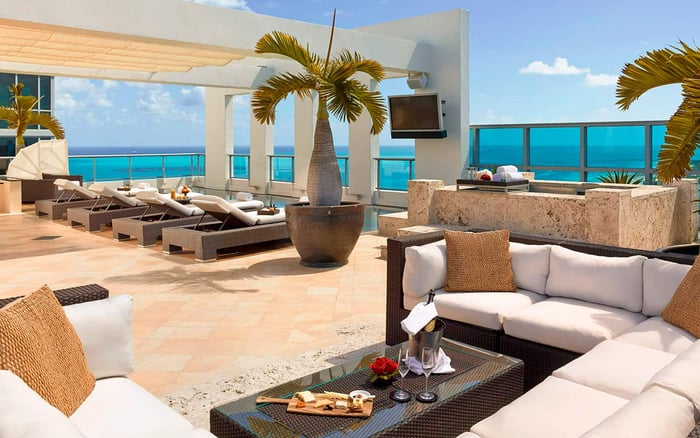
Whether you are evaluating a Miami Beach pied-à-terre at Setai Residences Miami Beach or considering an oceanfront layout where salt air, wind, and driving rain test the building envelope, treat the warranty file like a closing document. Read it early, file it properly, and calendar it.
A builder warranty is generally a promise to remedy certain construction defects, most often defects in workmanship and materials tied to the original construction. It is not homeowners insurance, which is designed for sudden losses such as fire or storm damage.
Two distinctions tend to matter most:
First, many items inside a new condo are not handled under the builder warranty. Appliances, fixtures, and equipment are commonly covered by separate manufacturer warranties. In other words, a refrigerator failure may be a manufacturer claim, while a cabinet alignment issue may be a builder claim.
Second, builder warranties commonly exclude normal wear and tear, and they often exclude conditions attributed to lack of maintenance or owner misuse. In a luxury interior, that debate can show up in expensive details such as stone, wood, and hardware, where the line between “defect” and “maintenance” can become disputed. Your best protection is early documentation of condition and consistent maintenance records.
Many buyers encounter a “1-2-10” style structure. Terms vary by contract and by state, but the framework is familiar:
In a condo, the practical takeaway is that the shortest coverage period is often the one most relevant to the daily interior experience. If you furnish immediately, host guests, and run the residence at full speed, defects can reveal themselves quickly. If the home is lightly used as a second residence, issues can stay hidden until after the most generous workmanship window has passed.
Single-family homes typically have one owner and one building envelope. Condos separate ownership into a private unit plus a shared building, and that division changes both responsibility and the claim path.
Many of the most consequential components are common elements. Exterior walls, roofs, shared mechanical systems, and structural assemblies are typically governed by association documents and state law. Owners often cannot unilaterally repair or pursue issues tied to common elements, even when the symptoms appear inside the unit.
This boundary also shapes strategy. When multiple owners report similar symptoms, coordinated reporting through the association can be more effective than isolated complaints. Conversely, if an issue is clearly within the unit scope, the owner may need to act promptly without waiting for broader action.
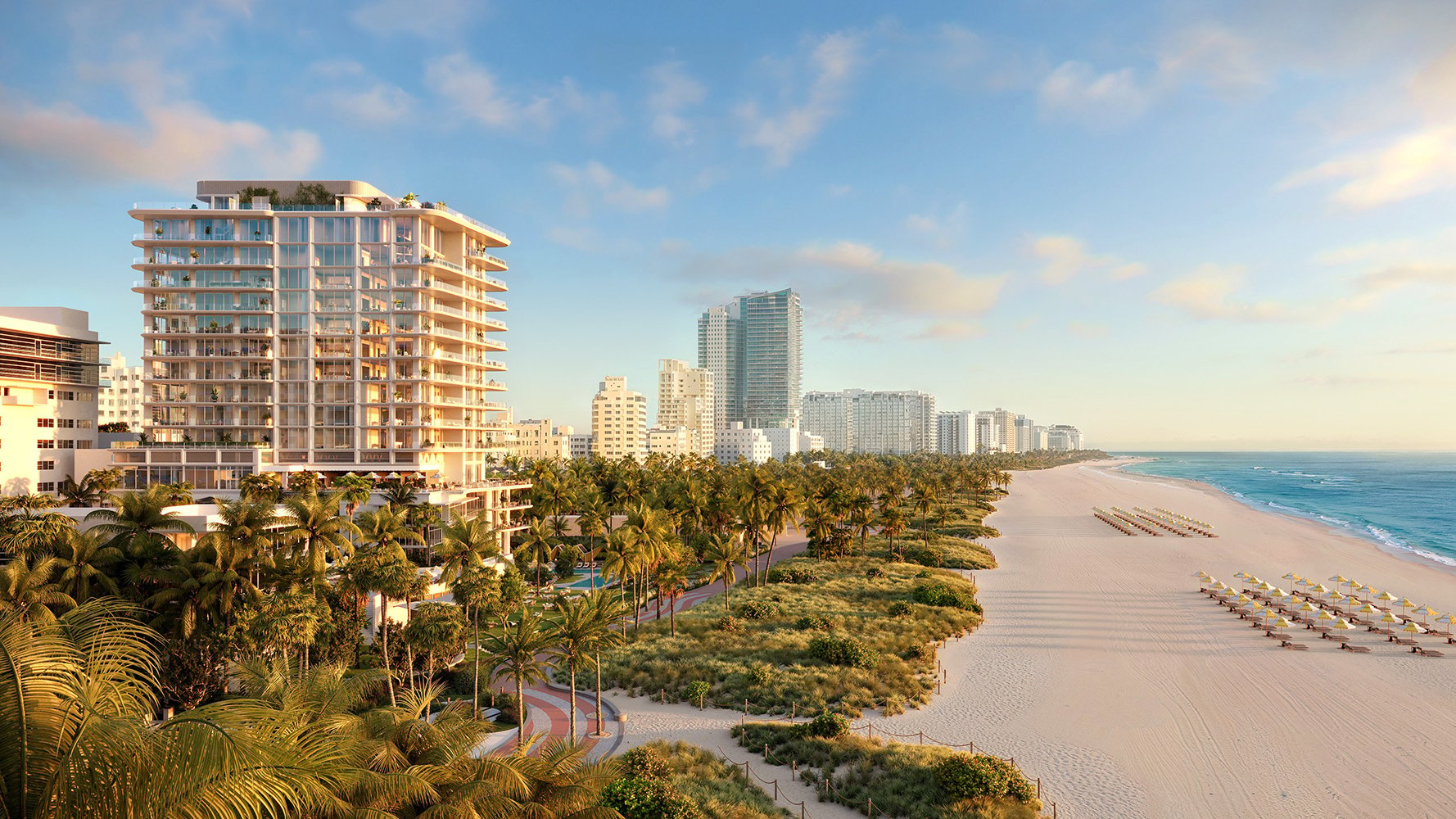
This is one reason branded, service-forward properties can feel operationally distinct, even though the legal framework remains the same. A residence such as The Ritz-Carlton Residences® Miami Beach may deliver a refined ownership experience, but warranty outcomes still depend on documents, procedures, and timing.
If there is one category that consistently strains condo buildings, it is water intrusion. From a building-science perspective, multifamily properties are often challenged at the exterior envelope: waterproofing, flashing, drainage, and the transitions where materials meet.
A useful principle is simple: water inside the building usually points to a problem outside. Leaks can originate at the exterior enclosure, but the pathway may be hidden, traveling along framing, slab edges, or penetrations before presenting in a different location.
For buyers pursuing an oceanfront lifestyle in Miami, this is not pessimism. It is prudence. Salt air and wind-driven rain elevate the importance of envelope performance and clear responsibility. Because the exterior is often a shared element, the association’s documentation and the builder’s response protocols can become decisive.
That is also why pre-delivery walkthroughs and early post-closing observation matter, even in a residence as visually calm as 57 Ocean Miami Beach. Water issues are not always immediate, and early signals can be subtle: recurring window condensation patterns, staining, or a persistent musty odor.
Not all warranties offer the same durability. Some are builder-backed, meaning the builder directly promises repairs. Others are administered or backed by a third party, sometimes described as insurance-backed.
Why it matters: if a builder is insolvent or no longer operating, a purely builder-backed promise can be harder to enforce. A third-party structure can provide a different path for administration and, potentially, continuity.
As a buyer, you do not need to become a warranty attorney. You do need to identify, in writing:
Many warranty disputes are routed into mediation or arbitration under the warranty contract. That can be faster than court, but clause details matter. Treat them as real terms, not boilerplate.
Warranty claims are frequently won or lost on procedure.
Most warranties require written notice, using a specific method, delivered to a specific address, within a defined timeframe. Calling a concierge, texting a sales contact, or mentioning an issue to building staff may not satisfy the notice requirement.
Documentation is equally important. Administrators commonly request dated photos or video, a written log of events, and any related service notes. In luxury interiors, where finishes are premium and repairs can be invasive, thorough documentation reduces scope disputes and supports a clean, fast resolution.
A simple approach that tends to work:
Many owners schedule an “11-month inspection” to capture issues before a typical one-year workmanship period expires. In condos, this can be especially valuable because problems may only become visible after months of normal use, seasonal humidity cycles, and the first full storm season.
The goal is not to create conflict. It is to surface issues while they are easier to attribute to original construction, and while the most generous workmanship coverage is still in effect.
If your residence is lightly used, an 11-month inspection can also function as a disciplined stress test of systems that may not have been exercised. Run plumbing fixtures, verify HVAC performance across rooms, check window operation, and scrutinize transitions: baseboards, wet walls, balcony thresholds, and around penetrations.
Your coverage is rarely limited to a single booklet. It is a stack of documents and rights that interact:
In Florida, condominium buyers may have implied or statutory warranty rights under Chapter 718, and disputes can hinge on how and when a statutory warranty is “triggered.” Separately, Florida created a minimum one-year statutory warranty for newly constructed single-family homes tied to material building code violations effective July 1, 2025, which is distinct from condominium rules.
If you own homes in multiple jurisdictions, note that time limits can be constrained by both statutes of limitation and statutes of repose. Repose is an absolute cutoff tied to substantial completion, while limitation periods can be discovery-based. Triggers can differ by contract and law, including closing, first occupancy, turnover, or substantial completion. The luxury-owner move is to confirm the trigger date in writing and keep it with your records.
A final nuance: optional “home warranties” (service contracts) are different from builder warranties. They generally cover breakdowns from normal wear for a fee and focus on systems and appliances. In a condo, a home warranty may only be useful for what the unit owner controls, since many major components are association responsibilities.
For buyers drawn to branded living such as Casa Cipriani Miami Beach, the service culture can feel comprehensive, but legal coverage still depends on boundary lines and whether you followed the notice and documentation process.
Is a builder warranty the same as homeowners insurance? No. A builder warranty addresses certain construction defects; insurance covers sudden losses like fire or storm damage.
What does “1-2-10” usually mean? Typically one year workmanship/materials, two years major systems, and ten years structural coverage, but terms vary by contract.
What is usually considered “structural”? Often load-bearing components such as foundation and framing, usually with the longest coverage period.
Are appliances covered by the builder warranty? Often they are covered under separate manufacturer warranties rather than the builder warranty.
What is commonly excluded? Normal wear and tear, damage from lack of maintenance, and owner misuse are frequently excluded.
Do “acts of nature” void warranty coverage? Many warranties exclude the event itself, such as flood or earthquake, though defective construction that worsens damage may still be disputed under applicable law.
In a condo, who handles exterior or roof-related problems? Those issues are commonly tied to common elements, which are typically the association’s responsibility under governing documents.
Why is water intrusion treated so seriously? Because the visible leak is often a symptom of an exterior-envelope failure, and tracing the true source can be complex.
What is the most common mistake in a warranty claim? Failing to follow the written notice procedure and deadlines in the warranty documents.
Should I schedule an 11-month inspection? Many owners do, to identify issues before the typical one-year workmanship period expires and to document conditions clearly.
For discreet guidance on South Florida luxury ownership, explore MILLION Luxury.
If branded residences are on your mind — as a home or as an allocation — we would be glad to share what we are seeing, privately.
Begin a quiet conversation