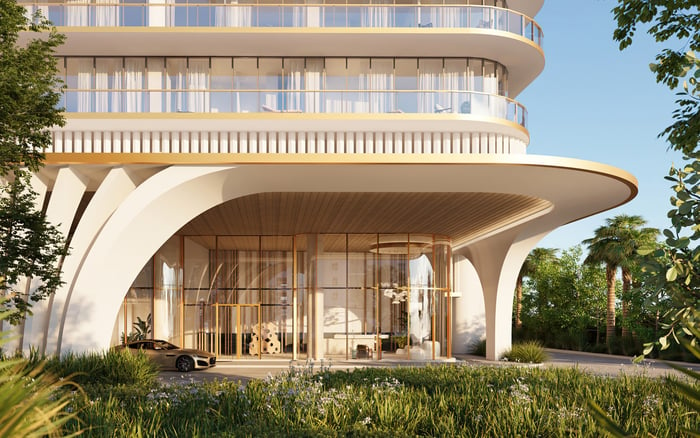
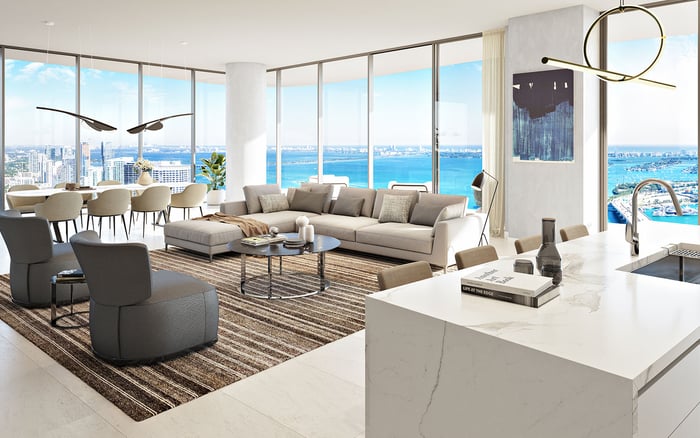
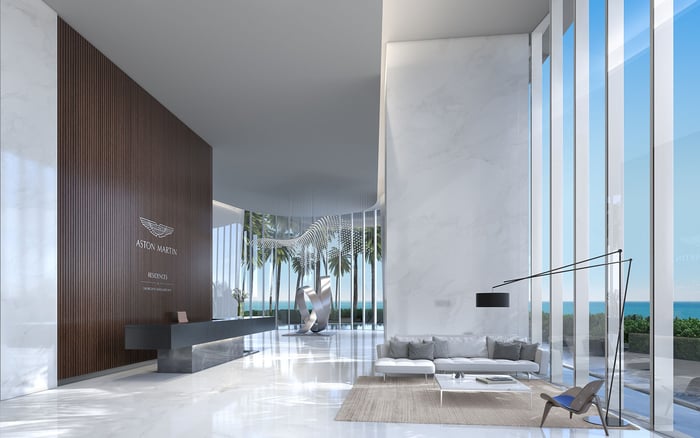
In Downtown Miami, “art” is no longer a lobby afterthought. The most persuasive towers are treating curation as part of the architecture: arrival sequences that read like gallery corridors, private salons that double as collector entertaining rooms, and amenity floors designed to hold serious work under considered light. For buyers, this is more than aesthetics. A museum-quality program signals disciplined design governance, long-term brand stewardship, and a resident culture that values quiet quality. It also changes how you live: where you host, how you circulate, and what your guests remember. Below, MILLION Luxury outlines six towers shaping this gallery-forward sensibility in Downtown Miami, then offers a buyer’s framework for evaluating what “curated” actually means inside a residential building.
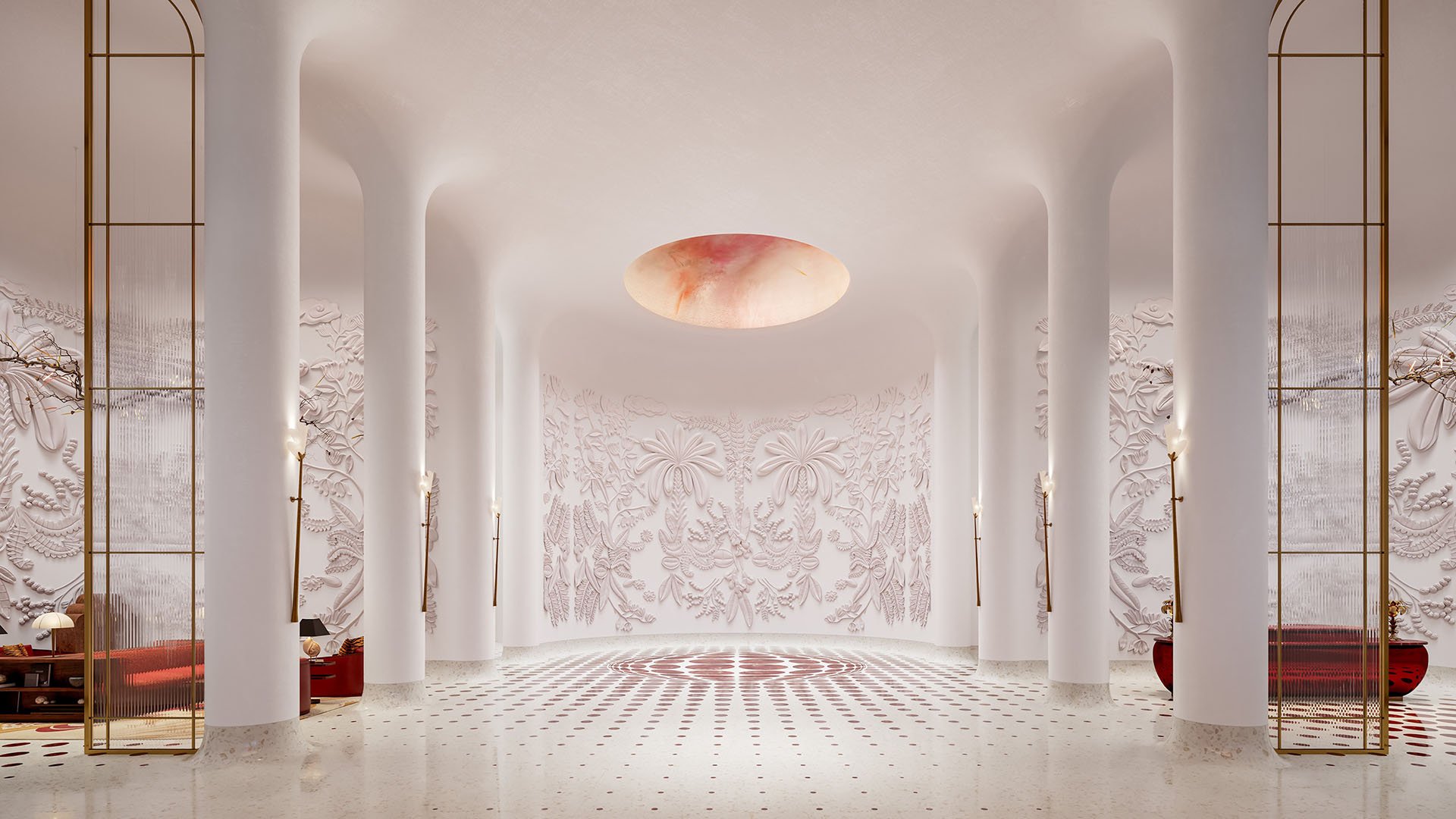
Downtown Miami has matured into a place where design is no longer simply a sales layer, but a lifestyle infrastructure. In the ultra-premium tier, the most successful towers design for collectors and visually literate residents: lobbies that operate like curated corridors, amenity levels with museum-grade calm, and private rooms intended for hosting around artwork rather than around a television.
For many buyers, “museum quality” functions as shorthand for three immediate signals. First, restraint: proportion, materiality, and lighting that allow art to lead. Second, governance: a consistent design language from porte-cochère to pool deck that suggests the building will age well. Third, operational maturity: staffing and policies that protect value, privacy, and the ability to live with significant pieces.
Downtown also offers a distinct advantage. The density of culture, dining, and waterfront movement creates a natural audience for buildings that behave like discreet art houses, especially in neighborhoods where residents entertain frequently and prefer a polished, low-friction experience.
1. One Thousand Museum - Sculptural icon with gallery-forward minimalism
The most recognizable silhouette in Downtown Miami invites a collector’s mindset by default: when a building is this architectural, every interior moment is under scrutiny. Expect a resident experience defined by clean sightlines, controlled palettes, and a measured sense of procession where art reads as integral, not applied.
Pay attention to how the building’s bold exterior language translates inside. The most gallery-like spaces stay quiet, with finishes that don’t compete with the work and circulation that gives art room to breathe.
2. Aston Martin Residences Downtown Miami - Branded elegance with a collector’s social rhythm
In branded residential environments, the strongest art moments tend to appear where residents actually gather: arrival, lounges, and private entertaining rooms. Aston Martin Residences Downtown Miami aligns with that rhythm, delivering a tailored luxury backdrop that naturally supports curated pieces and sculptural installations.
For buyers who entertain, the question isn’t whether art exists-it’s whether the spaces are composed like galleries: long walls, predictable lighting, and furniture plans that let guests circulate without crowding the work.
3. Waldorf Astoria Residences Downtown Miami - Hotel-caliber presentation with gallery discipline
A hotel-managed sensibility can be an advantage for art-forward buildings, because hospitality teams are built to maintain pristine public spaces and protect the “first impression” every day, not just at launch. Waldorf Astoria Residences Downtown Miami carries that expectation of polish-often the foundation of museum-like calm.
When evaluating this category, focus on how art is integrated into the arrival sequence and lounge zones. Museum quality is frequently a byproduct of operational consistency, not just design intent.
4. Casa Bella by B&B Italia Downtown Miami - Design-house interiors that read like a curated collection
When interiors are guided by a design house, the best outcome is cohesion: materials, textures, and proportions that feel intentional from space to space. Casa Bella by B&B Italia Downtown Miami is the kind of project where art can sit comfortably because the background is controlled and the furnishing vocabulary is already refined.
Collectors should pay attention to finish reflectivity and wall continuity in common areas. Matte, stone, and carefully toned wood often perform better than high-gloss surfaces that fight artwork through glare.
5. Faena Residences Miami Downtown Miami - Cultural attitude with theatrical restraint in the right rooms
A cultural brand can elevate a building’s social DNA, attracting residents who prefer design-forward experiences and curated programming. Faena Residences Miami Downtown Miami suggests a lifestyle where art becomes part of the atmosphere, especially in spaces designed for gathering and events.
The buyer’s filter here is clarity. Museum quality doesn’t require austerity, but it does require intentional lighting, deliberate placement, and an understanding of how people move through a room.
6. Delano Residences & Hotel Miami - Hospitality-driven spaces that can support rotating art moments
Mixed hotel-residential environments can be strong platforms for rotating art because they’re programmed, staffed, and designed to deliver a curated feel day after day. Delano Residences & Hotel Miami fits that profile, appealing to buyers who want the building to feel active and managed rather than purely residential.
If your priority is “gallery energy,” ask how the building handles seasonal refreshes, installation logistics, and the separation between public hotel zones and private resident areas.
In real estate marketing, “curated” can mean anything from a single statement sculpture to a comprehensive acquisition strategy. For an ultra-premium buyer, museum quality is best understood as a set of design and operations choices that protect art and elevate daily experience.
Key signals include:
Lighting that is intentional, not incidental. Even without quoting specifications, you can feel whether illumination is even, glare-controlled, and layered for different times of day.
Walls built for art. Look for long, uninterrupted surfaces; tight reveals; and places where hanging systems can exist discreetly without damaging finishes.
Acoustics that support contemplation. Softened sound in corridors and lounges is part of what makes a lobby feel like a gallery rather than a transit hub.
Circulation that honors work. The best buildings create pauses and sightlines, allowing pieces to be discovered in sequence.
Equally important is what museum quality is not. It isn’t maximalism for its own sake. It isn’t crowded walls. And it isn’t a promise that every piece is investment-grade. The value is the environment: a building that treats art as part of the architecture tends to treat everything else with similar discipline.
Downtown Miami buyers often focus on views, privacy, and amenities. If art is central to your lifestyle, add a collector’s due-diligence layer.
Start with the practical:
Installation permissions. Ask what’s allowed in common areas for resident events, and what’s restricted.
Elevator and delivery protocols. The most refined buildings have clear procedures for large works and discreet delivery windows.
Security posture. A gallery-like lobby should still feel private, with controlled access and staff who understand discretion.
Maintenance standards. Museum-quality spaces require consistent cleaning and careful material care. Look for finishes that can be maintained without constant replacement.
Then move to the experiential:
Does the arrival feel composed? A well-curated building makes you slow down.
Are the amenity rooms visually quiet enough to host art-centric gatherings? The best entertaining spaces are designed like salons, not like generic club rooms.
Collectors know art isn’t simply displayed; it’s lived with. In a tower designed with gallery sensibilities, you feel the difference in the small moments: the calm of an elevator lobby, the proportion of a corridor, the way a lounge frames a view without visual clutter.
This also changes entertaining. In buildings where public areas already read like curated interiors, your guests arrive in the right emotional register. Conversations shift. Hosting becomes less about spectacle and more about taste. That subtlety is often what ultra-premium buyers are actually purchasing.
Downtown Miami’s best art-forward towers also support flexibility. A residence can be serene and minimal, while the building offers more socially active spaces below. That separation lets you keep your home private while still having a public realm that feels elevated.
While this editorial focuses on Downtown, many buyers cross-shop by lifestyle rather than by map. If you spend time in Brickell, for example, you may find that 888 Brickell by Dolce & Gabbana and Una Residences Brickell offer a similarly design-governed environment, where interiors feel curated and social spaces are composed with brand-level discipline.
The point isn’t to treat all branded or design-house towers as interchangeable. It’s to recognize that the same buyer who cares about museum-quality presentation often cares about long-term stewardship, disciplined rules, and a building that feels like it will remain relevant.
What qualifies as a “curated” art program in a luxury tower? It typically implies intentional selection and placement of pieces across key public spaces, not random decorative art.
Do art-forward lobbies actually impact resale value? They can, because cohesive common areas influence first impressions and signal long-term building stewardship.
Should I expect museum-grade conservation conditions in common areas? Not always; focus on consistent lighting, material stability, and operational care rather than true museum controls.
Can residents display significant art in amenity rooms for private events? Policies vary; ask about installation permissions, staffing, and liability before assuming it is allowed.
What design detail most often separates “gallery-like” from “hotel-like”? Quiet composition: controlled lighting, fewer visual distractions, and circulation that invites lingering.
Are branded residences more likely to have curated art? Often yes, because brand standards tend to enforce cohesive interiors and consistent public-space presentation.
How can I evaluate lighting quality during a daytime tour? Look for even illumination without glare on glossy surfaces and ask to see the space in evening conditions.
Is rotating art a red flag for maintenance and consistency? Not if it is managed well; rotation can indicate active curation and strong operational planning.
What should I ask about deliveries if I collect large-scale work? Confirm service elevator dimensions, delivery windows, and any required approvals for crating and handling.
Does a gallery-like building always mean a minimalist aesthetic? No; it means the environment is intentional and supportive of art, whether the style is modern or classic.
For a tailored shortlist and next-step guidance, connect with MILLION Luxury.
If branded residences are on your mind — as a home or as an allocation — we would be glad to share what we are seeing, privately.
Begin a quiet conversation