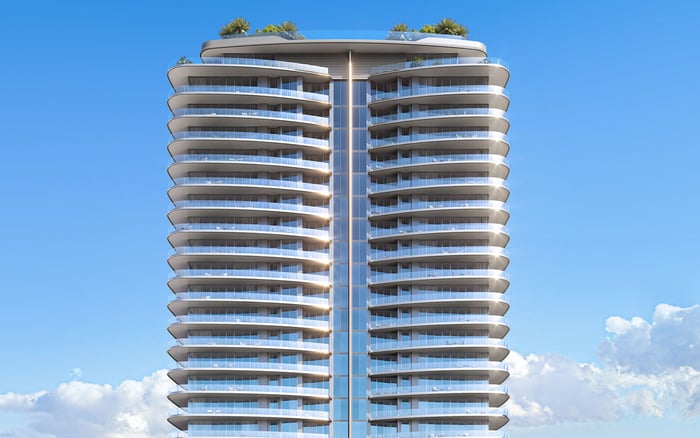
In North Bay Village, discretion is less about hiding and more about controlling access. The most privacy-forward condominium choices pair low-visibility arrivals with residential-scale service, predictable elevator patterns, and amenity programming that doesn’t broadcast your schedule. For buyers who split time between Miami Beach and the mainland, the islands’ in-between geography can feel like an intentional buffer: close enough for dinners and meetings, removed enough to keep the lens at a distance. Because privacy is a moving target, this MILLION Luxury edit focuses on the practical features that tend to minimize attention: curb-to-door choreography, separation of guest and resident circulation, marina adjacency, limited unit counts, and management cultures that default to “quiet.” Use this as a framework to tour, compare, and negotiate the right level of seclusion for the way you live.
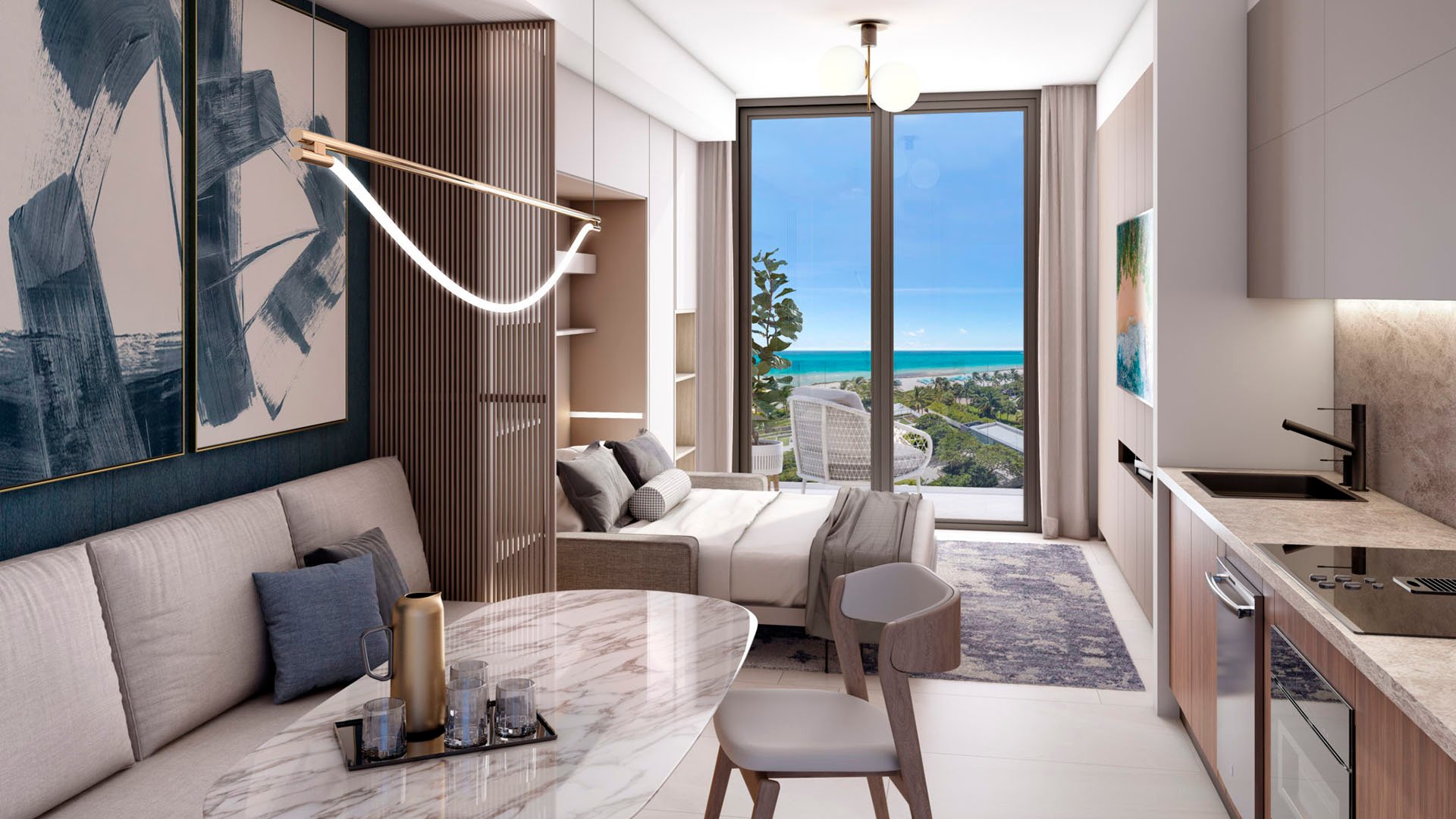
North Bay Village sits in a rare pocket of Miami where the water becomes the first line of separation. You’re close to Miami Beach, Bal Harbour, and the mainland’s business corridors, yet removed from the day-to-day foot traffic of the most photographed sidewalks. That difference shows up in the smallest moments: a drop-off that isn’t a scene, an elevator ride that doesn’t turn into a meet-and-greet, a lobby that reads as a residential threshold rather than a public venue.
For privacy-minded owners, paparazzi discretion isn’t a single feature. It’s a system. The buildings that deliver most consistently tend to align three qualities: controlled arrival, low-friction resident circulation, and a management culture trained to say less and do more.
Before we rank the best condominium options, it helps to define what “maximum discretion” looks like in practice.
First: arrival choreography. The most secure buildings shape the curb so a vehicle can pull in, pause, and clear the street quickly. Covered drop-offs, short sightlines from public sidewalks, and a valet operation that doesn’t spill into open view all help reduce exposure.
Second: vertical circulation. Privacy-forward towers limit who shares elevator banks, how guests are routed, and where service circulation intersects with resident paths. Predictability matters. Fewer surprise intersections at elevators, mailrooms, and amenity corridors generally translates into a quieter day.
Third: amenity placement. A well-planned building lets residents reach fitness, pool, and spa without crossing public-facing zones. If you can move from residence to wellness to waterfront and back without returning to the lobby, your routine stays more private.
Finally: culture. In true luxury, discretion isn’t performative. Ask who staffs the front desk after hours, how package delivery is handled, and whether access control is proactive or reactive.
If you want a broader comparison set while keeping the same privacy mindset, look at how arrival and circulation are handled in highly managed projects like The Ritz-Carlton Residences® North Bay Village, even if your final search includes resale buildings.
1. The Ritz-Carlton Residences® North Bay Village - branded, service-led privacy
A well-run branded residence often brings the strongest “quiet protocol”: trained staff, controlled access, and consistent standards that don’t shift with the season. For discretion, that consistency is the point. The goal is to minimize variability in lobby traffic, guest handling, and vendor flow.
On tours, concentrate on the transition from vehicle to lobby, how guests are checked in, and whether resident circulation stays separate and direct. A service culture that anticipates privacy needs can matter as much as the architecture.
2. Continuum Club & Residences North Bay Village - membership-like living, lower visibility
Discretion often improves when a property feels like a club rather than a spectacle. A membership-oriented approach can translate to fewer “looky-loos,” more predictable amenity use, and a resident profile that treats privacy as a shared norm.
When evaluating, ask how amenities are accessed, whether there are resident-only pathways, and how reservations and guest rules are enforced. The quietest buildings aren’t always the ones with fewer amenities-they’re the ones where amenities don’t become public theater.
3. Pagani North Bay Village - boutique-by-design energy
In paparazzi dynamics, density is destiny. Boutique projects can create a more controlled daily rhythm: fewer households, fewer deliveries, fewer guests, and fewer elevator encounters. When everything is scaled down, anonymity tends to go up.
On a site visit, look at where cars queue, how the lobby sits relative to the street, and whether residents can move through the building without stalling in shared choke points. The best boutique towers feel intentionally edited.
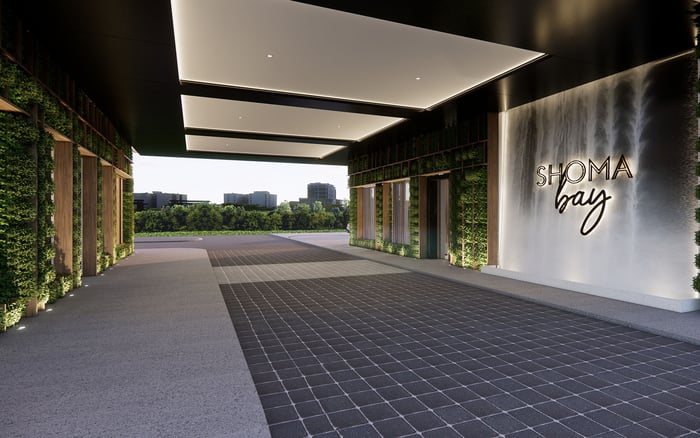
4. Shoma Bay North Bay Village - practical privacy for full-time living
For many buyers, discretion is less about celebrity-level concealment and more about eliminating daily friction. A well-planned waterfront community can make routines feel quieter through smoother parking flow, clearer security, and amenities that support living rather than performing.
Tour with your real habits in mind. Where do you go when you return from travel? How quickly can you be upstairs? Where do guests wait? Privacy is often a byproduct of logistics.
5. Continuum on South Beach - a proven privacy ecosystem nearby
Not every privacy-driven buyer wants to be directly in North Bay Village. If you prefer a more established, self-contained environment while staying close, a large, service-heavy property can function like a private world.
Assess how arrivals operate during peak weekends, where amenity traffic concentrates, and whether owner routines can remain internal to the property. In the right building, you can move through an entire day without needing to be seen.
6. Apogee South Beach - low-density luxury with controlled access
In South of Fifth, the strongest privacy performers are often the ones that keep unit counts limited and prioritize resident-only comfort. Less density can mean less incidental exposure, especially in elevators, valet lanes, and amenity spaces.
When you tour, study the lobby: is it quiet by design, or quiet by chance? The difference shows up in staffing, security posture, and how confidently the building manages guest flow.
Privacy comes in two flavors.
Sealed privacy is architectural and operational. You arrive under cover, move through controlled zones, and access amenities without crossing public areas. This is ideal if your schedule is sensitive or your household values predictable anonymity.
Soft privacy is contextual. You may still see neighbors and guests, but the broader environment is calmer and less photographed. North Bay Village can excel here because it sits outside the most obvious paparazzi circuits while keeping you close to them.
A useful exercise is to map your week. If you host, entertain, and travel often, sealed privacy usually wins. If you value spontaneity, dining, and quick access to Miami Beach while maintaining a lower profile, soft privacy may be the sweet spot.
Discretion is often won through details that never make a sales brochure.
Mailbox and package rooms should be tucked away, not positioned where every resident must linger in view. Amenity corridors shouldn’t funnel everyone back through the main lobby. Guest parking should be managed so drop-offs don’t become a curbside line.
Also: listen for sound and watch sightlines. A quiet lobby with no direct view from sidewalk to seating reduces the sense of being on display. A well-positioned concierge desk can monitor entries without creating a scene.
If you want to benchmark what highly curated resident circulation can look like in a newer context, consider how similar priorities appear in other markets, such as 2200 Brickell, where many buyers value understated arrivals and controlled access.
The most demanding buyers don’t want isolation. They want control. North Bay Village offers a compelling midpoint: close enough to step into Miami Beach’s cultural calendar, far enough to avoid becoming part of it by default.
If you maintain a pied-à-terre lifestyle, your building’s management and access protocols become your day-to-day shield. For second homes, ask how the property handles extended absences, service access, and visitor procedures. For full-time living, ask how the building manages high-traffic moments like weekends, holidays, and move-ins.
In practice, many privacy-forward owners pair North Bay Village living with carefully chosen “out-and-about” destinations that still feel controlled. For example, when you want the oceanfront feeling without the loudest curbside energy, projects like 57 Ocean Miami Beach can provide a more residential tone than the most public-facing corridors.
Discretion can be negotiated, not just purchased.
During due diligence, ask for written clarity on guest policies, short-term rental rules, lobby access procedures, and move-in protocols. Confirm how service vendors are handled, whether staff are 24/7, and how building communication is managed. The goal is to match the building’s operating habits to your personal risk tolerance.
If your privacy profile is especially high, request tours at multiple times of day. A building that feels quiet at 11 a.m. can operate very differently at 7 p.m. on a weekend.
And remember: privacy is also proximity. If you want a more resort-like escape that still offers strong management and a sense of retreat, it can be helpful to compare the “island buffer” concept with more self-contained residential environments such as 2000 Ocean Hallandale Beach, where arrival and amenity patterns can feel deliberately contained.
What does “paparazzi discretion” mean in a condominium context? It means reducing visibility at arrival, in lobbies, and along resident circulation so daily routines are less exposed.
Is North Bay Village naturally more private than Miami Beach? Often, yes-because it sits outside the most walked and photographed Miami Beach corridors while remaining nearby.
Which building feature matters most for privacy? Controlled arrival is usually the biggest driver, because it’s where most unwanted exposure begins.
Do boutique buildings always offer more discretion? Not always, but lower density can reduce chance encounters, elevator sharing, and guest spillover.
How can I evaluate privacy during a tour? Visit at different times and observe curb activity, lobby sightlines, elevator traffic, and how staff manage entry.
Are branded residences automatically more discreet? They can be, because standardized service and staffing often create consistent access control and quieter operations.
What questions should I ask about guests and visitors? Ask how guests are registered, where they wait, whether ID is required, and how after-hours access is handled.
How do amenities affect discretion? Amenities that are reachable without crossing public spaces help keep routines private and reduce visibility.
Does waterfront or marina adjacency improve privacy? It can, because alternative arrivals and less street-facing activity may reduce exposure, depending on design.
What’s the simplest way to improve discretion after purchase? Align building policies and your household routines, then use staff support to keep arrivals and visitors controlled.
When you're ready to tour or underwrite the options, connect with MILLION Luxury.
If branded residences are on your mind — as a home or as an allocation — we would be glad to share what we are seeing, privately.
Begin a quiet conversation