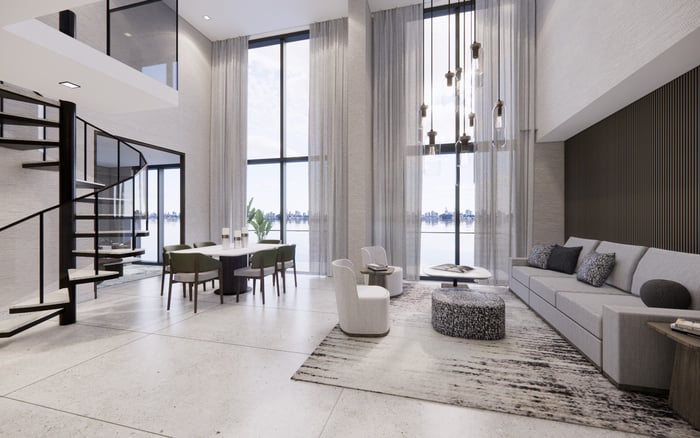
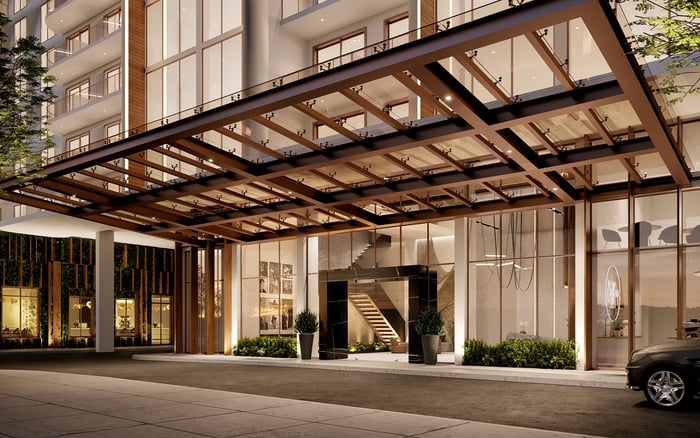
For bayfront buyers balancing serenity against city access, the choice between Edgewater and North Bay Village is less about prestige than about the kind of waterfront life each address actually delivers. Edgewater offers immediate proximity to Downtown, a dense skyline, walkability, and tower living with shared amenities. North Bay Village, by contrast, feels more insulated, with island geography, lower density, reduced through-traffic, and a housing mix that more often includes private outdoor space and boating access. Buyers focused on quiet will often find North Bay Village more aligned with that goal, while Edgewater appeals to those prioritizing convenience and urban energy.
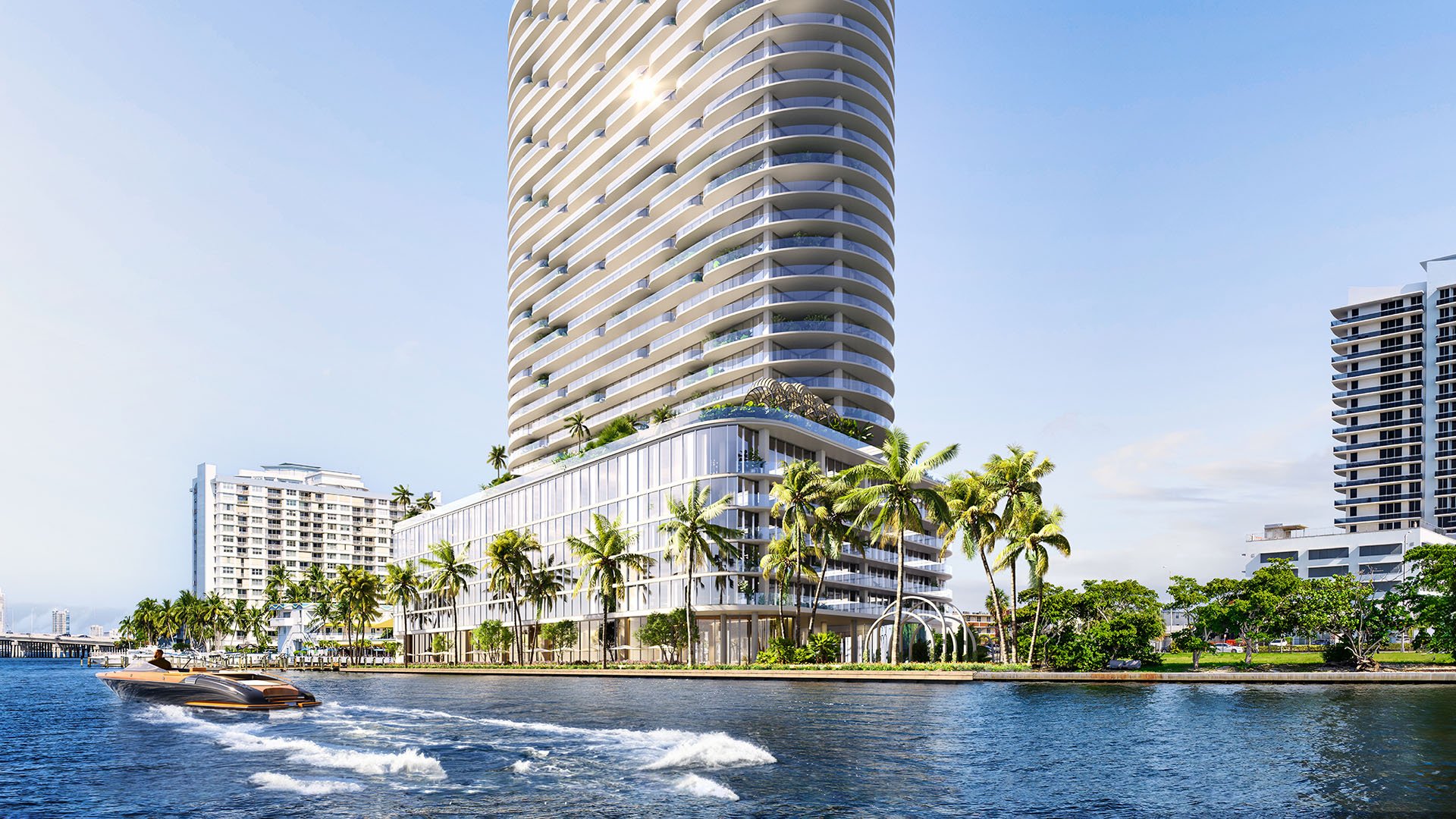
South Florida buyers rarely struggle to find water. The more refined decision is what kind of water-facing life they want to live once the view becomes familiar. In this comparison, Edgewater and North Bay Village speak to very different temperaments, even when both place Biscayne Bay at the center of the experience.
Edgewater is central, vertical, and unmistakably urban. Sitting just north of Downtown Miami, it functions as one of the city’s most connected waterfront districts, with quick access to business centers, retail, and cultural venues. That convenience comes with density. The skyline continues to rise, residential inventory is dominated by towers, and the bayfront experience often includes public parks, active shoreline use, construction activity, and more street movement than buyers seeking true calm may prefer.
North Bay Village feels different before one even steps inside a residence. As an independent municipality spread across islands, it reads as self-contained rather than as metropolitan spillover. The approach by causeway naturally limits through-traffic, and the smaller scale gives the area a more composed, residential cadence. For buyers who define luxury as privacy, lower noise, and less friction in daily life, that distinction matters.
In practical terms, this is a choice between access and insulation. Buyers considering EDITION Edgewater or Villa Miami are buying into a waterfront address with immediate city energy. Those looking at Continuum Club & Residences North Bay Village, Pagani North Bay Village, or Shoma Bay North Bay Village are more likely responding to the appeal of a quieter island setting.
Calm is not a marketing adjective. It is a lived condition shaped by traffic, access patterns, density, and the housing stock within a neighborhood.
In Edgewater, the advantages are obvious. Residents can move easily into Downtown, Design District-adjacent destinations, and the broader urban core. Biscayne Boulevard and nearby arteries keep the district highly connected. Yet that same connectivity introduces ambient traffic and a more public rhythm. Even bayfront blocks remain part of a larger urban system, rather than sheltered from it.
There is also the matter of scale. Edgewater has added substantial new residential inventory in recent years, and the neighborhood’s development momentum has intensified street activity. For some buyers, that is exciting and affirming, evidence of a district still ascending. For others, especially those seeking a home that feels restorative, a sense of constant motion can erode the very tranquility the water view appears to promise.
North Bay Village tends to perform better on the subtler indicators of peace. Island geography creates fewer reasons for outsiders to pass through. Lower density means less visual and acoustic pressure. Municipal independence reinforces the feeling that the area exists first as a residential community rather than as a city district serving multiple competing uses. The result is not total seclusion, but a noticeably softer daily tempo.
This is why North Bay Village has become such a compelling conversation for value-minded waterfront buyers. The calm is not decorative. It is embedded in the way the place functions.
If the objective is calm for the money, North Bay Village has the stronger case.
Edgewater commands a premium for centrality, tower amenities, and immediate access to urban Miami. The value proposition is clear, but serenity is not usually the core product. In Edgewater, buyers are often paying for convenience first and quiet second.
North Bay Village is often considered by buyers seeking a more forgiving relationship between lifestyle and spend. More importantly, the dollars can buy a different physical experience. Edgewater inventory is largely vertical, with shared amenities and communal circulation. North Bay Village leans more toward residences with docks, private outdoor space, and a more direct relationship to the bay. For a buyer who wants not just a view but a quieter ownership experience, that distinction can outweigh proximity to Downtown.
The premium attached to Edgewater is not irrational. It simply buys something different: urgency, movement, convenience, and a more urban expression of bayfront living.
Two properties can both be called waterfront and still deliver entirely different lives.
In Edgewater, waterfront generally means a residence in a tower. The appeal is polished and social: elevated views, staffed entries, amenity decks, and a close relationship to the city’s cultural and commercial core. That model suits buyers who want service, visibility, and a full urban calendar. Projects such as Aria Reserve Miami reinforce the neighborhood’s vertical identity and its confidence as a premier waterfront district.
In North Bay Village, waterfront more often feels personal. The housing mix leaves greater room for docks, outdoor living, and a less communal form of ownership. Even in newer luxury development, the district’s island logic keeps the atmosphere more residential than performative. For buyers who imagine stepping outside into private open air rather than descending from a tower into city movement, this is often the decisive difference.
The nuance is simple: Edgewater is where one buys a bayfront perch in the city. North Bay Village is where one buys a bayfront life with greater distance from the city’s noise.
Edgewater is the better fit for buyers who want a primary residence or pied-à-terre woven tightly into Miami’s urban core. If dining, culture, work access, and walkability matter more than controlled quiet, the neighborhood remains deeply compelling. It offers immediate legitimacy, a fast-evolving skyline, and the kind of waterfront presence that feels plugged into the city’s future.
This is especially true for buyers who are comfortable with vertical living and do not expect a bayfront address to function like a private enclave. If one wants to be near the action, not buffered from it, Edgewater earns its premium.
North Bay Village is the stronger choice for buyers who place daily calm above urban spontaneity. Its smaller scale, island access pattern, and lower density create a waterfront experience that feels noticeably more insulated. That advantage becomes even more persuasive for those who value private outdoor space, direct boating use, or simply the psychological relief of coming home to a less active setting.
It is not as walkable, and most off-island errands still require a car. But for many high-end buyers, that compromise is modest compared with the payoff: quieter streets, a more residential rhythm, and a lifestyle that often feels more serene.
For pure calm for the money, North Bay Village wins.
Edgewater remains a strong luxury buy, but its best qualities are urban access, skyline immediacy, and amenity-rich tower living. Buyers pay a premium for being at the center of Miami’s momentum, and that momentum is visible in everything from traffic patterns to development activity.
North Bay Village offers a different kind of luxury, one rooted in lower density, island geography, and a more contained daily environment. For buyers who want waterfront living to feel peaceful rather than public, it tends to deliver the better ratio of serenity to spend.
The sharpest buyers will decide not by asking which neighborhood is better known, but by asking which one allows the bay to function as intended: as a source of calm, not merely a backdrop.
Is Edgewater more urban than North Bay Village? Yes. Edgewater is more tightly connected to central Miami and has a denser, tower-driven feel.
Is North Bay Village generally quieter than Edgewater? Usually, yes. Its island setting and lower density tend to create a calmer daily environment.
What type of housing is more common in Edgewater? Edgewater is largely defined by condo towers and amenity-oriented residential buildings.
What type of housing feel is more common in North Bay Village? North Bay Village often feels more residential, with greater emphasis on private outdoor space and direct water access.
Which neighborhood is better for walkability? Edgewater is typically the stronger choice for walkability and faster access to Miami’s urban core.
Which area may appeal more to boaters? North Bay Village often stands out for buyers who prioritize boating and a closer relationship to the water.
Does Edgewater offer a quieter version of waterfront living? It can for some buyers, but the neighborhood’s appeal is usually tied more to access and energy than to total calm.
Does North Bay Village feel isolated? Not isolated, but more insulated. It feels self-contained rather than disconnected from the region.
Which neighborhood is better for buyers who want city convenience? Edgewater is generally the better fit for buyers who want to stay closely connected to Downtown and surrounding districts.
Which neighborhood is the stronger choice for calm-minded bayfront buyers? North Bay Village is usually the better match when lower density and a softer daily tempo are top priorities.
For a confidential assessment and a building-by-building shortlist, connect with MILLION Luxury.
If branded residences are on your mind — as a home or as an allocation — we would be glad to share what we are seeing, privately.
Begin a quiet conversation