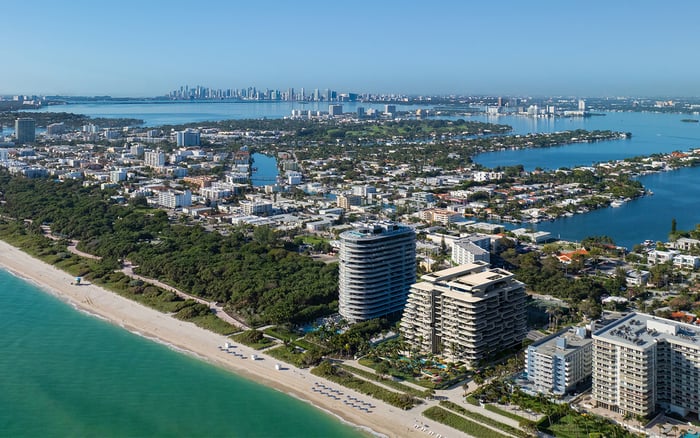
A discreet buyer’s guide to insurance planning for South Florida waterfront ownership, with emphasis on condo documents, wind and flood exposure, deductibles, advisor coordination, and closing discipline.
For many Silicon Valley buyers arriving in South Florida, waterfront ownership is less a relocation than a portfolio decision with a lifestyle dividend. The appeal is immediate: privacy, horizon lines, proximity to the water, and a residential culture fluent in service. Yet the most sophisticated buyers know the first conversation should not be about the terrace alone. It should be about risk architecture.
Insurance planning for a waterfront residence is not a back-office task to be handled after a contract is signed. It is a material part of underwriting the ownership experience. A buyer may be evaluating Surfside, Miami Beach, Sunny Isles, Fort Lauderdale, Palm Beach, or a bayfront enclave, but the same principle applies: coverage should be reviewed with the same discipline as title, financing, tax residency, estate structure, and building governance.
This is especially true for buyers accustomed to West Coast asset diligence. South Florida’s luxury market has its own vocabulary: wind, flood, named storm deductibles, association master policies, loss assessment exposure, elevation, replacement cost, personal property limits, and excess liability. None of these terms should arrive as a surprise at closing.
A condominium can feel administratively efficient because much of the exterior risk is typically addressed through the association’s master policy. But the buyer’s real task is to understand where that master policy begins, where it ends, and what personal responsibility remains inside the residence. A polished lobby and a strong service culture do not remove the need to review the declaration, bylaws, budget, reserves, insurance summaries, and any current or pending assessments.
In Surfside, buyers often focus on architectural quality and direct proximity to the Atlantic. A residence at The Delmore Surfside may enter the conversation because it sits within the kind of ultra-prime coastal setting that attracts buyers seeking discretion and scale. The insurance review, however, should still ask practical questions: what does the association cover, what interior finishes are the owner’s responsibility, how are deductibles allocated, and how would a loss assessment be handled?
The same mindset applies when considering established oceanfront addresses such as The Surf Club Four Seasons Surfside. The brand, service environment, and coastal setting may be compelling, but ownership planning still belongs in the buyer’s first round of diligence. Oceanfront living is most rewarding when the operational details are quiet because they were handled early.
The first layer is property coverage. In a condo, this often means understanding the association’s master policy and aligning an individual owner policy to cover interior elements, personal property, additional living expenses, and other owner-level exposures. In a single-family waterfront estate, the owner generally carries a broader property policy, and the diligence expands to the roof, openings, elevation, drainage, seawall condition, mechanical systems, and replacement cost assumptions.
The second layer is flood and water-related exposure. Buyers should distinguish between storm surge, rising water, wind-driven rain, plumbing events, and water intrusion. Each may be treated differently. A waterfront address can be beautiful and resilient, but insurance language is precise. The right question is not simply whether the residence is insured. It is whether the coverage responds in the scenarios the buyer actually cares about.
The third layer is liability. Waterfront homes often involve guests, staff, dock areas, pools, elevators, service vendors, and occasionally watercraft. High-net-worth buyers should evaluate personal liability and excess liability in tandem with household staffing, trust ownership, and any entity structure used to hold title.
A luxury buyer may be comfortable with a higher premium, but deductibles can be the more important line item in a meaningful event. Named storm deductibles, wind deductibles, flood deductibles, and association deductibles can affect the owner’s actual financial exposure. They also influence how a buyer thinks about reserves, liquidity, and the true annual carrying cost of a waterfront home.
This is where Silicon Valley discipline is useful. Treat the residence as both an emotional asset and an operating asset. Ask your advisor to model realistic ownership scenarios before closing. What is the out-of-pocket exposure in a covered event? What portion could be allocated by the association? Are there sublimits for personal property, art, wine, technology systems, or specialty finishes? Is the policy written to replacement cost standards appropriate for the level of build-out?
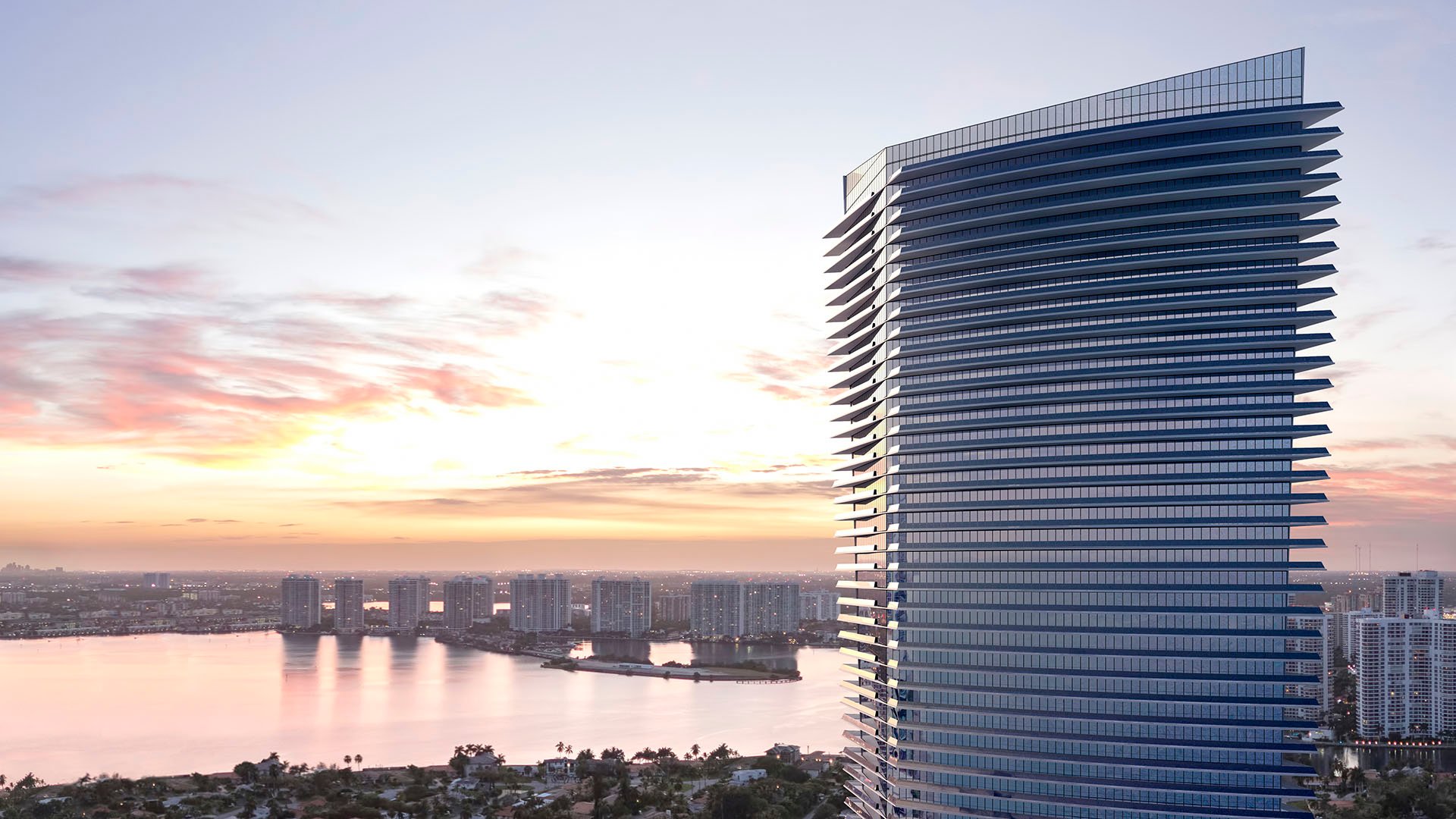
A buyer comparing Bentley Residences Sunny Isles with other high-design coastal towers may focus on architecture, arrival sequence, and views. That is understandable. Still, a waterfront purchase should be paired with a careful review of deductibles and interior coverage, especially when the residence is intended as a second home or part-time base.
Insurance should be addressed during the due-diligence window, not in the final days before closing. A buyer who waits may still obtain coverage, but late review can reduce leverage, compress decision-making, and create friction with lenders or family office processes. Early coordination gives the insurance advisor time to review building documents, request necessary summaries, identify gaps, and propose coverage before the buyer’s deposit becomes less flexible.
For financed purchases, insurance timing matters even more because lenders may require evidence of coverage before closing. For cash buyers, the discipline is still valuable. The absence of a lender does not reduce the need for risk clarity. In many luxury transactions, cash simply increases the buyer’s responsibility to self-govern the diligence process.
Fort Lauderdale offers a useful example because waterfront ownership there can involve beach, Intracoastal, marina, and boating considerations. A buyer looking at St. Regis® Residences Bahia Mar Fort Lauderdale should think beyond the unit itself and consider how coastal living, guest use, potential water access, and personal liability fit into the broader insurance plan.
Before signing, buyers should request the current insurance summary, association budget, reserve information, rules affecting alterations, and any available explanation of deductible allocation. They should also understand whether interior improvements, built-ins, appliances, flooring, and specialty materials are treated as owner responsibility.
For single-family homes, the questions shift to physical resilience. What is the condition of the roof, windows, doors, seawall, drainage, and major systems? Has the property been materially updated? Are there features that could help underwriting or create exclusions? Does the property’s replacement cost match the buyer’s intended level of finish?
The best advisors do not make insurance feel like a deterrent. They make it legible. For the right buyer, the right waterfront residence remains one of South Florida’s defining privileges. Insurance planning simply ensures the privilege is held with clarity.
The most efficient approach is to assemble the right team before touring becomes serious: real estate advisor, insurance specialist, attorney, lender if relevant, tax advisor, and family office representative when applicable. Each participant should know whether the buyer is purchasing personally, through a trust, through an entity, or with cross-border considerations. Ownership structure can influence how policies are written and how liability is coordinated.
Buyers should also be candid about use. A primary residence, seasonal home, guest-heavy retreat, and minimally occupied pied-à-terre can present different underwriting questions. If staff, art, vehicles, watercraft, or short-term guest use is involved, those details belong in the initial insurance conversation.
In the most desirable South Florida markets, the goal is not to remove all risk. It is to price it, structure it, and make it compatible with the life the buyer intends to live. For the Silicon Valley buyer trading fog for salt air, that is the real definition of luxury: not just the view, but the confidence behind it.
When should a waterfront buyer begin insurance planning? Ideally before or immediately after an offer is made, while due diligence and contract timelines still provide flexibility.
Does a condo association master policy cover everything inside the residence? Not necessarily. Buyers should confirm what the master policy covers and what must be insured through an owner policy.
Why are deductibles so important in coastal ownership? Deductibles can define the owner’s true out-of-pocket exposure after a storm or covered event, especially in waterfront settings.
Should cash buyers still complete a full insurance review? Yes. Without lender requirements, the buyer has even more responsibility to verify coverage quality and risk assumptions.
What documents should a condo buyer request? Buyers should review association insurance summaries, budgets, reserves, declarations, bylaws, and any assessment information.
Is flood coverage the same as wind coverage? No. Flood, wind, storm surge, and water intrusion can be treated differently, so policy language should be reviewed closely.
How does a second-home use pattern affect insurance? Seasonal or part-time occupancy can affect underwriting questions, monitoring needs, and the way personal property is protected.
Should art, wine, and specialty interiors be discussed separately? Yes. High-value contents and custom finishes may require scheduled coverage, higher limits, or tailored policy language.
Can ownership structure affect insurance? Yes. Trusts, entities, and family office structures should be coordinated with the insurance advisor before policies are bound.
What is the goal of insurance planning for waterfront ownership? The goal is not to eliminate every risk, but to understand exposure and align coverage with the buyer’s lifestyle and balance sheet.
To compare the best-fit options with clarity, connect with MILLION.
If branded residences are on your mind — as a home or as an allocation — we would be glad to share what we are seeing, privately.
Begin a quiet conversation