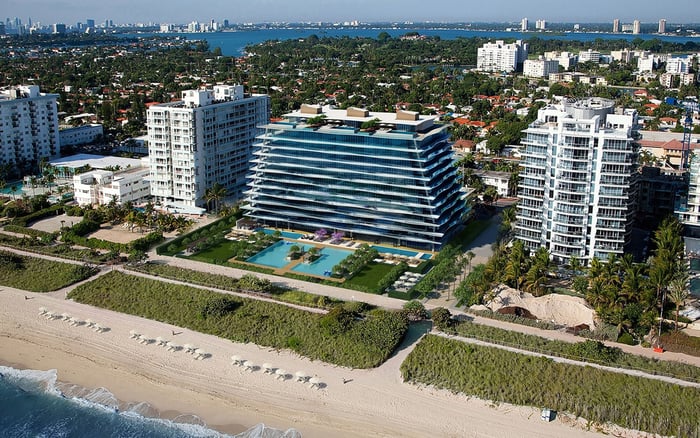
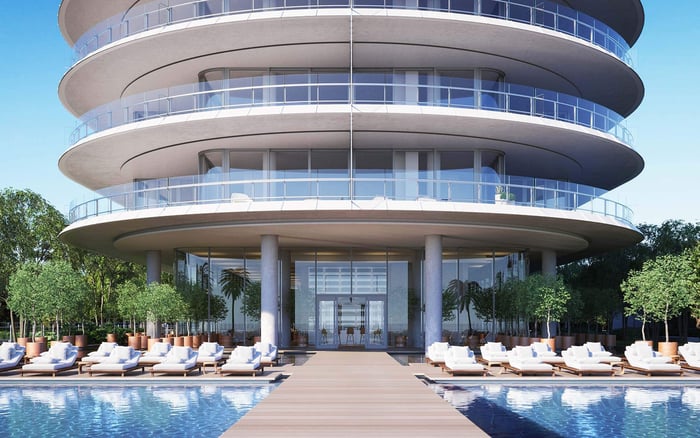
A buyer’s guide to evaluating boutique residences in Surfside with discipline, from floor plans and privacy to terrace usability, service culture, governance, and resale poise.
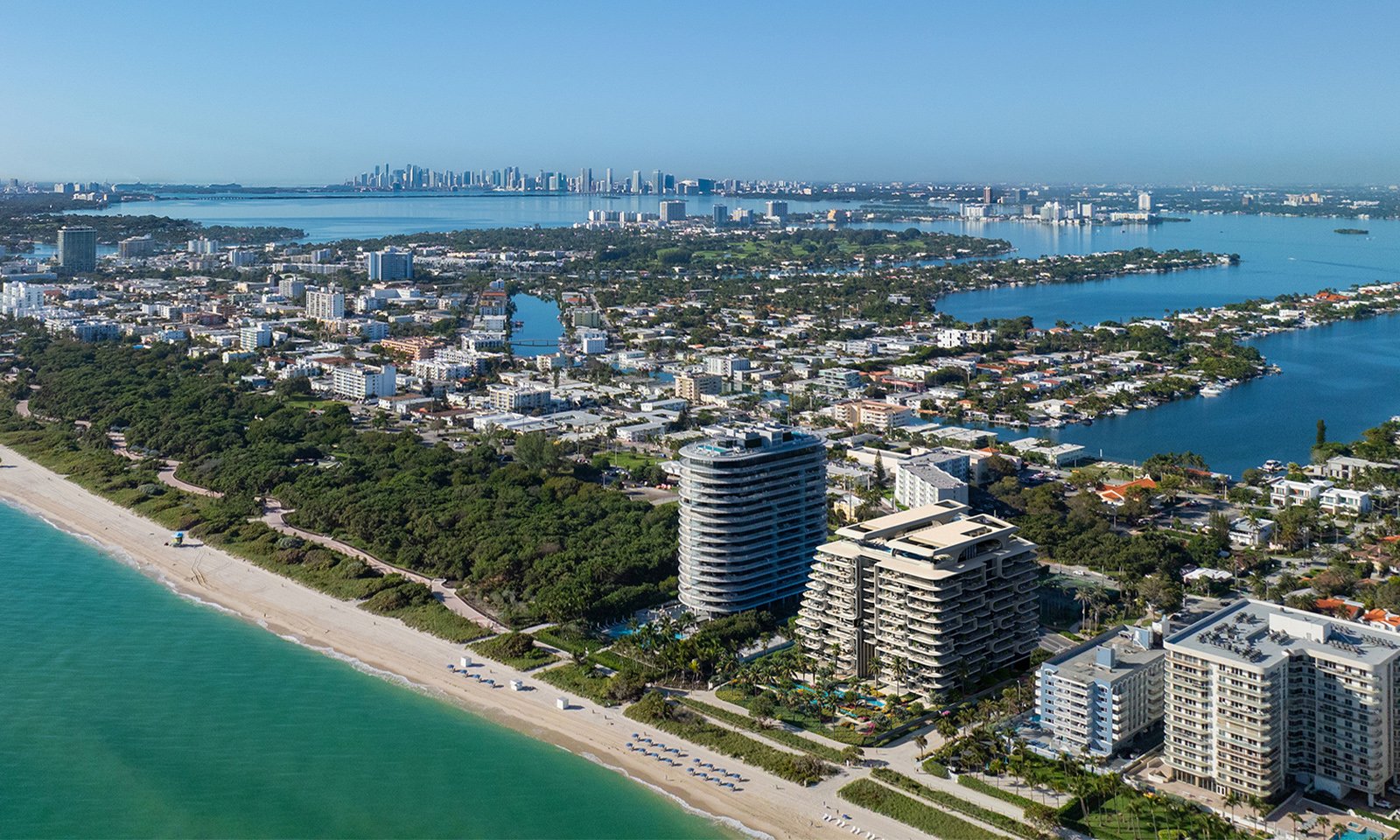
A beautiful view can make a first showing feel conclusive. In Surfside, that is exactly why it deserves caution. The ocean, the light, and the neighborhood’s calm scale can soften every practical question a buyer should still be asking. A boutique residence is not judged by drama alone. It is judged by whether the daily experience remains composed after the first impression fades.
The strongest Surfside homes make the view feel inevitable, not compensatory. They do not ask you to forgive awkward circulation, shallow outdoor space, compromised privacy, or noisy service choreography simply because the water is visible. Before a buyer becomes attached to a Waterview, the more disciplined question is whether the apartment would still feel exceptional on a cloudy morning, with guests arriving, deliveries moving through the building, and every room being used as intended.
Boutique buildings invite an intimate rhythm, but intimacy only works when the plan is intelligent. Begin at the front door. Is there a graceful transition from arrival to living space, or does the entry reveal the heart of the residence too quickly? Does the plan support formal entertaining, family privacy, staff movement, and quiet retreat without forcing every function into the same visual field?
The best layouts separate public and private zones with subtlety. Bedrooms should feel protected, not merely placed at the edge of the plan. Kitchens should support both presentation and real use. Corridors should have purpose rather than becoming wasted square footage. Storage should be treated as part of luxury, not an afterthought concealed behind a glossy finish schedule.
A buyer comparing The Delmore Surfside with other coastal options should look beyond render-level seduction and study how the residence behaves in daily life. The view may sell the emotion, but the plan determines whether the home lives with ease.
Surfside buyers often value discretion as much as scenery. Privacy begins before the elevator opens. Consider how many residences share the arrival sequence, how visible the entry is from common areas, and whether the elevator experience feels residential rather than transient. The smaller the building, the more every shared moment matters.
Inside the residence, privacy is both visual and acoustic. A bedroom with water exposure may still feel compromised if sightlines from neighboring terraces are direct. A generous living room may lose its calm if the primary suite opens too close to entertaining areas. A powder room in the wrong location can disturb the entire flow of a dinner evening.
This is where Oceanfront romance must be balanced with architectural discipline. The ocean-facing rooms should feel open, but not exposed. The building should create a sense of separation without feeling defensive. In a village-scale market such as Surfside, restraint is often the truest luxury.
A Terrace is not automatically valuable because it faces east. It must be usable. Step outside and imagine breakfast, reading, an evening drink, or a small gathering. Is there enough depth for real furniture, or only enough space for a visual gesture? Does the railing height interrupt seated views? Is the exposure pleasant at the times you will actually use it?
The terrace should extend the residence, not simply decorate it. Access matters. If only one room opens comfortably to the outdoors, the terrace may function less often than expected. If the outdoor area connects the main living space and primary suite too directly, it may create privacy conflicts. If shade, wind, or furniture placement are ignored, the most photogenic part of the home may become the least used.
When touring Ocean House Surfside or similar boutique coastal residences, pause long enough to understand how outdoor space performs in real time. A terrace should invite repetition, not just admiration.
In a boutique residence, service should feel precise, quiet, and proportionate. More amenities do not always create a better ownership experience. The question is whether the building offers the right level of support for the number of homes, the expectations of the residents, and the operating culture implied by the design.
Look closely at arrivals, valet movement, package handling, guest management, maintenance access, and beach-related logistics where applicable. These details rarely dominate a sales presentation, yet they shape everyday satisfaction. A beautiful lobby cannot compensate for awkward circulation. A serene pool deck cannot overcome a service sequence that feels improvised.
Surfside appeals to buyers who do not always want the scale or velocity of larger coastal markets. That makes operating quality especially important. A boutique building has fewer margins for error. Every staff interaction, common area, and shared space becomes part of the ownership experience.
Surfside should not be evaluated in isolation. A buyer may also be looking at Bal Harbour, Miami Beach, or Sunny Isles, each with a different rhythm and sense of scale. The point is not to declare one superior. The point is to understand what you are buying into, emotionally and practically.
A residence such as Arte Surfside may appeal to someone who wants a quieter, design-forward coastal context, while Eighty Seven Park Surfside can sit in the same mental conversation for buyers drawn to the meeting of architecture, landscape, and water. Nearby, The Surf Club Four Seasons Surfside often enters the comparison when buyers want a branded hospitality sensibility within the Surfside frame.
The right choice depends on temperament. Some buyers want the energy of a larger amenity environment. Others want fewer neighbors, fewer transitions, and a more private cadence. Surfside rewards those who know the difference before they tour.
Luxury finish packages can be persuasive, but a careful buyer should distinguish presentation from permanence. Open drawers, study stone transitions, inspect door hardware, and notice how materials meet at corners. Does the residence feel considered at close range, or only impressive from ten feet away?
The most convincing interiors do not announce themselves loudly. They have proportion, tactile depth, and consistency. Cabinetry should feel substantial. Lighting should flatter both art and architecture. Bathrooms should feel serene without relying on novelty. Flooring should carry the residence rather than compete with the view.
This is also where restraint matters. In a boutique Surfside home, excessive ornament can age faster than quiet execution. The ocean already supplies drama. The interior should supply calm.
A boutique building is a small community with significant shared responsibility. Before committing, buyers should understand rules, reserve posture, maintenance expectations, rental policies where relevant, pet policies, renovation protocols, and the general tone of decision-making. Governance is not glamorous, but it protects the ownership experience.
Ask how the building handles repairs, capital planning, insurance discussions, and vendor access. Ask how residents communicate. Ask what is easy, what is restricted, and what requires approval. The answers reveal whether the building’s culture aligns with your own.
This is especially important for second-home owners. If the residence will be used seasonally, management quality becomes central. If it will be a primary home, daily predictability matters even more.
Before falling for a view, imagine the next buyer. Will the residence appeal beyond your own emotional response? Does it have a floor plan that many affluent buyers can understand quickly? Is the outdoor space genuinely livable? Does the building have a clear identity within Surfside? Is the address easy to explain without over-selling it?
The most resilient boutique residences combine scarcity, livability, and clarity. They are not merely rare. They are easy to love for rational reasons. They offer privacy without isolation, design without fragility, and water exposure without sacrificing function.
In Surfside, the view may open the door. It should not be the only reason to walk through it.
What should I evaluate first in a Surfside boutique residence? Start with the floor plan, arrival sequence, privacy, and service flow before allowing the view to dominate your judgment.
Is an ocean view enough to justify a premium? No. A premium is strongest when the view is paired with a livable plan, usable outdoor space, and a well-run building.
How important is terrace depth? Very important. A terrace should comfortably support furniture and daily use, not simply provide a place to stand.
What makes a boutique building feel truly private? Controlled arrivals, limited exposure to neighbors, thoughtful elevator access, and quiet service movement all contribute to privacy.
Should I compare Surfside with nearby coastal markets? Yes. Comparing Surfside with nearby areas helps clarify whether you prefer intimacy, scale, branding, or a larger amenity environment.
Are amenities less important in a boutique residence? They are not less important, but they should be proportionate. Quality, staffing, and ease of use matter more than quantity.
What finish details should I inspect during a showing? Study cabinetry, hardware, stone transitions, lighting, flooring, and how materials meet in corners and high-touch areas.
Why does building governance matter? Governance shapes maintenance, renovations, rental rules, reserves, and the overall tone of ownership within a small community.
Is Surfside better for primary homes or second homes? It can suit either, provided the building’s management, privacy, and service model match how often and how formally you will use it.
How do I avoid overpaying for the view? Separate emotion from structure by judging layout, terrace usability, privacy, operations, and likely future buyer appeal.
When you're ready to tour or underwrite the options, connect with MILLION.
If branded residences are on your mind — as a home or as an allocation — we would be glad to share what we are seeing, privately.
Begin a quiet conversation