A refined buyer’s guide for choosing a South Florida coastal home that prioritizes quiet beach living, privacy, service, access, and long-term usability.
For buyers arriving from Silicon Valley, the South Florida beach home is rarely a simple vacation purchase. It is a privacy decision, a design decision, and often a quality-of-life reset. The question is not only where the water looks most compelling. It is where the beach remains composed when the calendar turns social, where a building operates with discretion, and where daily life does not depend on competing for calm.
Sunny Isles Beach naturally enters that conversation because it offers a coastal skyline, residential scale in the sky, and direct proximity to sand. Yet the more sophisticated search extends beyond one name on a map. A buyer should compare the full rhythm of a coastal address: how residents arrive, how elevators and amenity spaces feel at peak moments, how beach access is managed, and whether the surrounding streets support a quieter routine.
The most successful purchase is not the loudest trophy. It is the home that preserves energy.
A quiet beach residence begins before the front door. The threshold matters: valet approach, lobby volume, elevator privacy, service corridors, beach path, and the ease of returning from the sand without entering a crowded public sequence. A beautiful view loses value if every arrival feels exposed.
For a Silicon Valley buyer accustomed to controlled campuses, private offices, and seamless logistics, this is the coastal equivalent of interface design. The building should reduce friction. Ask how guests are received, how deliveries are handled, how beach equipment is stored, and whether the pool deck feels like a retreat or a stage. These practical details are often more revealing than a dramatic rendering.
Oceanfront living also requires a distinction between view and use. Some buyers want the constant presence of the Atlantic from every major room. Others value a softer relationship with the water, where the beach is close but the residence remains insulated from activity below. Neither approach is inherently better. The right answer depends on how often the home will be used, who will occupy it, and whether the owner prefers sunrise ritual, entertaining, or a quieter second-home pattern.
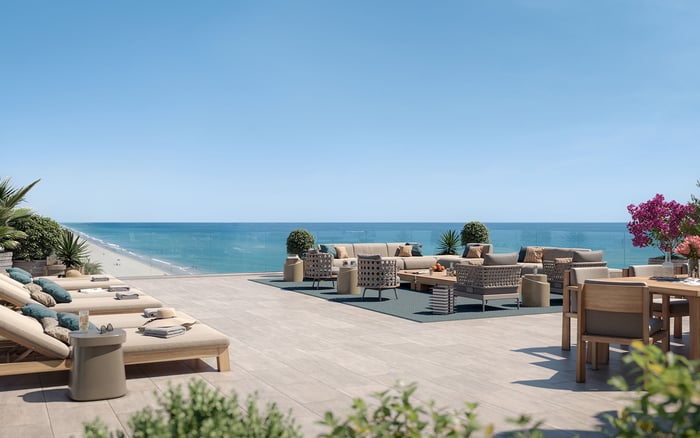
Sunny Isles Beach can appeal to buyers who want a polished coastal address with a high-rise residential experience. The essential choice is not simply height, but how a building choreographs privacy. Larger residences, considered elevator access, and well-proportioned terraces can distinguish a beautiful apartment from a true coastal home.
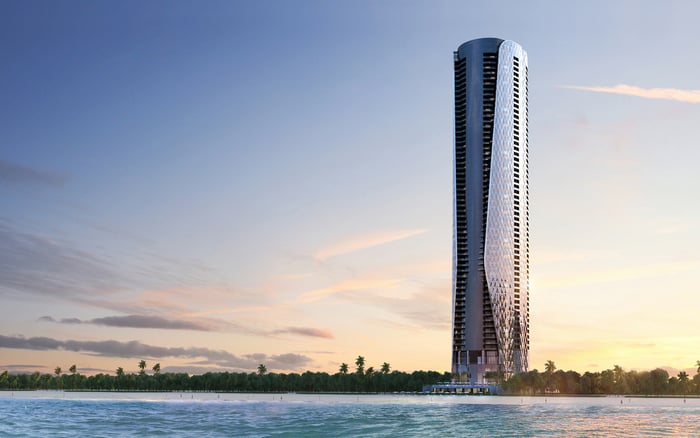
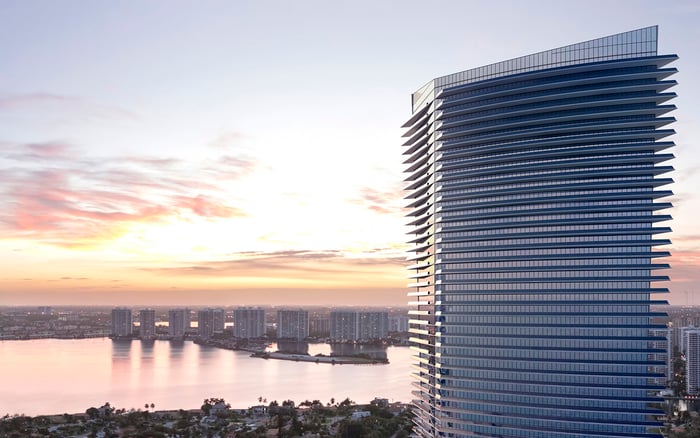
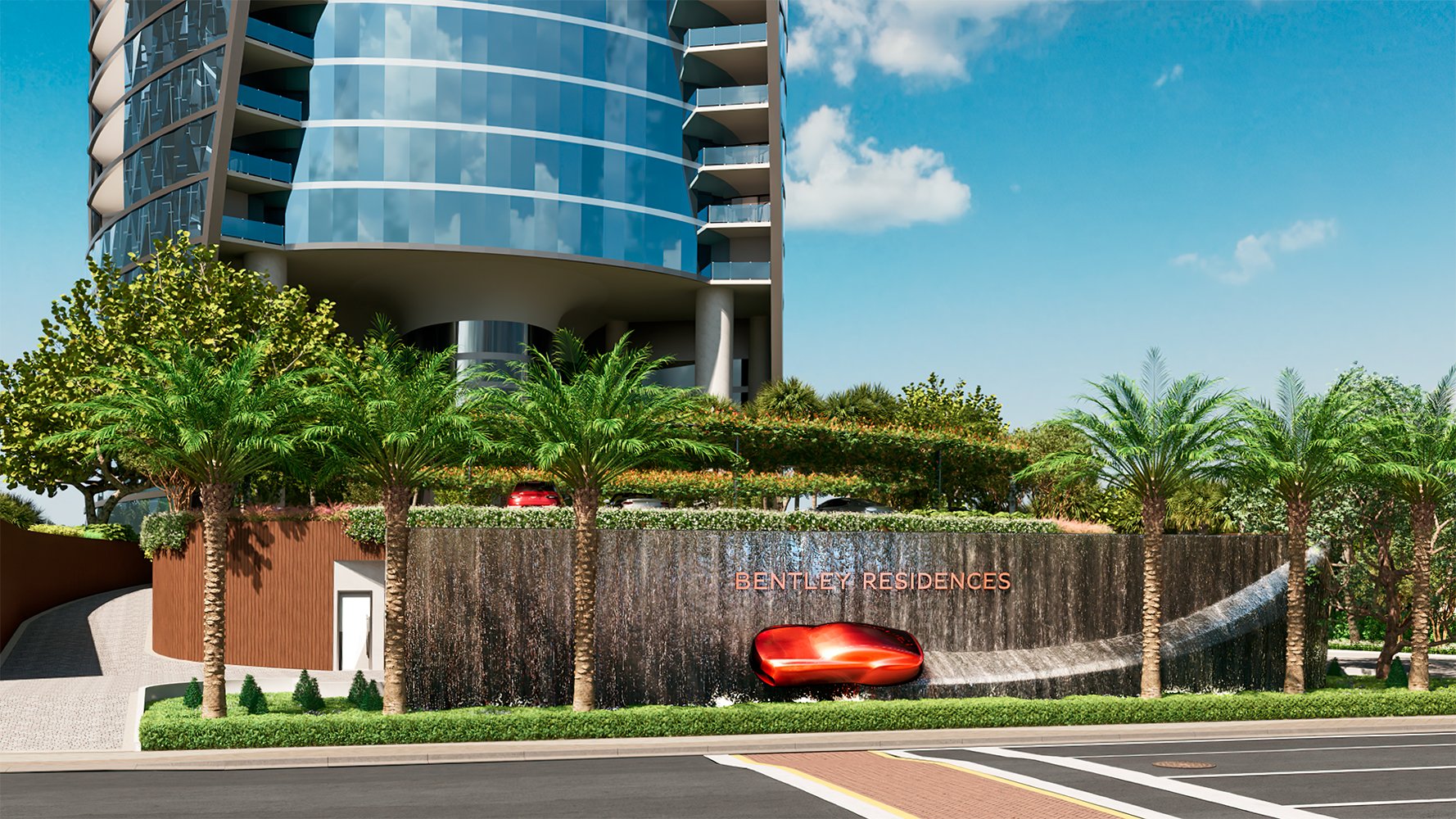
In this context, Bentley Residences Sunny Isles belongs in the conversation for buyers evaluating a more design-forward interpretation of Sunny Isles living. It is the kind of project a tech founder or investor might study not only for architecture, but for how the private-residence experience is intended to operate from arrival to amenity to terrace.
The key is to visit at different times of day. Morning reveals the residential temperament. Late afternoon shows the pressure points. Evening clarifies whether the building feels serene after beach traffic fades. A buyer should not rely on a single perfect showing window. Quiet is not a marketing adjective; it is a pattern.
For buyers who want proximity to Miami Beach energy without living inside its most animated corridors, Surfside can offer a more restrained frame for the coastal search. The appeal is less about spectacle and more about proportion: how the building meets the street, how residents move to the sand, and whether the surrounding environment supports a slower daily cadence.
A residence such as The Delmore Surfside may interest buyers comparing Sunny Isles Beach with a more boutique-feeling coastal alternative. The question is simple: does the residence feel like a private club you live in, or a resort you pass through? For many ultra-premium buyers, the former is the higher luxury.
Surfside should be evaluated for its softness. Look at walking routes, beach entry points, driveway exposure, and how easily one can host family without creating logistical theater. A home that allows guests to arrive gracefully, then disappear into a private rhythm, often outperforms a louder address over time.
A buyer focused on fewer seasonal crowds should also study coastal options beyond the most familiar Miami-Dade names. Hallandale Beach, Pompano Beach, and Hillsboro Beach may be relevant depending on how the household balances privacy, restaurant access, airport patterns, boating, and the desire for a more residential beach mood.
At the southern Broward edge, 2000 Ocean Hallandale Beach may suit buyers who want to compare the feel of a quieter oceanfront building with the intensity of better-known luxury corridors. Farther north, Rosewood Residences Hillsboro Beach introduces another lens: a coastal setting where the home can be evaluated for discretion, service culture, and a less hurried approach to the shoreline.
This does not mean choosing isolation. It means choosing the right amount of distance. Many buyers want restaurants, private aviation access, family conveniences, and cultural life within reach, without having those elements define every hour at home. The best coastal addresses create optionality.
Begin with the building’s resident profile. A high percentage of transient use can change the feeling of lobbies, pools, and elevators. A building with a more settled ownership culture may feel calmer, even in a prominent location. Ask direct questions about rental policies, guest procedures, and how amenities are monitored during peak periods.
Next, study beach access. A private-feeling path, thoughtful storage, outdoor showers, and a graceful return sequence can make daily beach use feel effortless. If the route to the sand requires navigating public congestion or crowded amenity decks, the address may not deliver the quiet promised by the view.
Then consider the floor plan. Flow-through layouts, deep terraces, separated guest suites, and work-capable dens can matter more than a marginal difference in square footage. A Silicon Valley household may need a home that supports early calls, visiting family, wellness routines, and long weekends that become longer stays.
Finally, test the soundscape. Stand on the terrace in the morning and again after sunset. Walk the lobby without an appointment mindset. Observe whether staff appear rushed or composed. The calmest luxury is often visible in the absence of strain.
The strongest South Florida coastal purchase is aligned with use. If the home will be a winter base, prioritize service depth, guest comfort, and storage. If it will become a more regular residence, evaluate schools, healthcare proximity, dining routines, and the ease of moving between the coast and the mainland. If it is primarily a second home, focus on lock-and-leave confidence, management quality, and whether the residence feels immediately restorative after travel.
Do not let the search be controlled by the most recognizable skyline. Sunny Isles Beach, Surfside, Hallandale Beach, and Hillsboro Beach each invite a different version of coastal life. The point is not to find the quietest place in absolute terms. It is to find the place where privacy, access, architecture, and service align with the way you make decisions.
For the Silicon Valley buyer, that usually means choosing a home with a clean operating system: intuitive arrival, protected views, reliable service, and a beach experience that remains graceful when South Florida is at its busiest.
What should Silicon Valley buyers prioritize first in a South Florida beach home? Prioritize privacy, arrival sequence, beach access, and building culture before focusing on finishes or views.
Is Sunny Isles Beach a good fit for buyers seeking quiet coastal living? It can be, especially for buyers who want vertical oceanfront living and carefully managed residential services.
How can I judge whether a beach will feel crowded in season? Visit at different times, observe access points, and study how the building handles guests, amenities, and beach flow.
Why compare Surfside with Sunny Isles Beach? Surfside may offer a more restrained coastal mood while still keeping major South Florida lifestyle options within reach.
Should I choose oceanfront or slightly set-back coastal living? Choose oceanfront if the daily presence of the water is essential; choose set-back calm if insulation matters more.
What building details affect privacy most? Elevator design, lobby scale, valet choreography, guest policies, and amenity circulation all shape privacy.
Are smaller boutique buildings always quieter? Not always. Quiet depends on resident culture, management, rental rules, and how shared spaces are designed.
What should second-home buyers examine closely? Second-home buyers should focus on lock-and-leave service, storage, maintenance, and ease of arrival after travel.
How important is terrace design? Very important. A well-proportioned terrace can turn a coastal residence into a true outdoor living environment.
What is the best way to shortlist comparable options for touring? Start with location fit, delivery status, and daily lifestyle priorities, then compare stacks and elevations to validate views and privacy.
To compare the best-fit options with clarity, connect with MILLION.
If branded residences are on your mind — as a home or as an allocation — we would be glad to share what we are seeing, privately.
Begin a quiet conversation