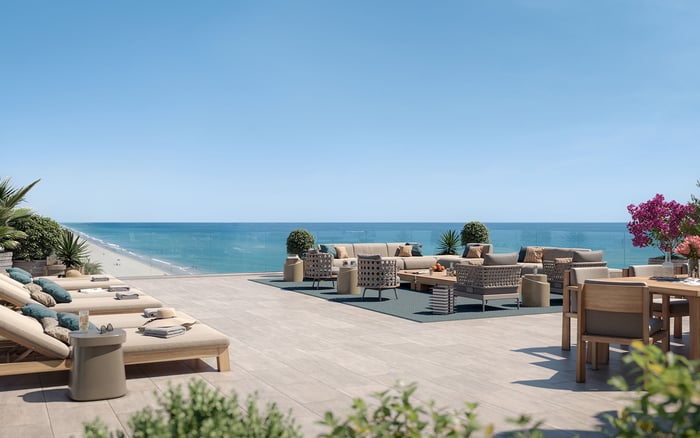
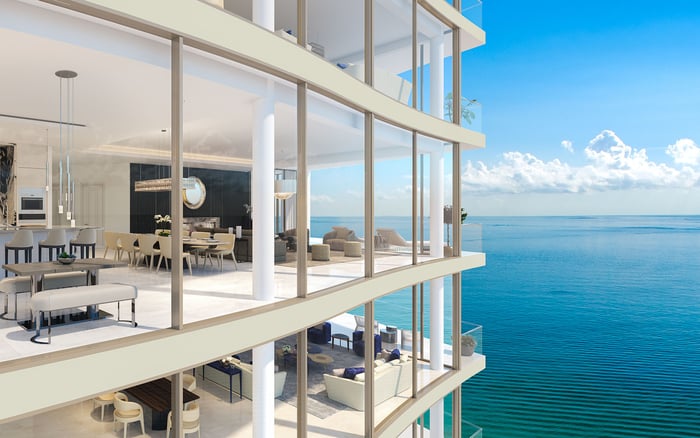
A disciplined exit plan for an oceanfront branded residence begins with unit-level positioning, verified leasing rules, and a realistic view of the likely resale audience.
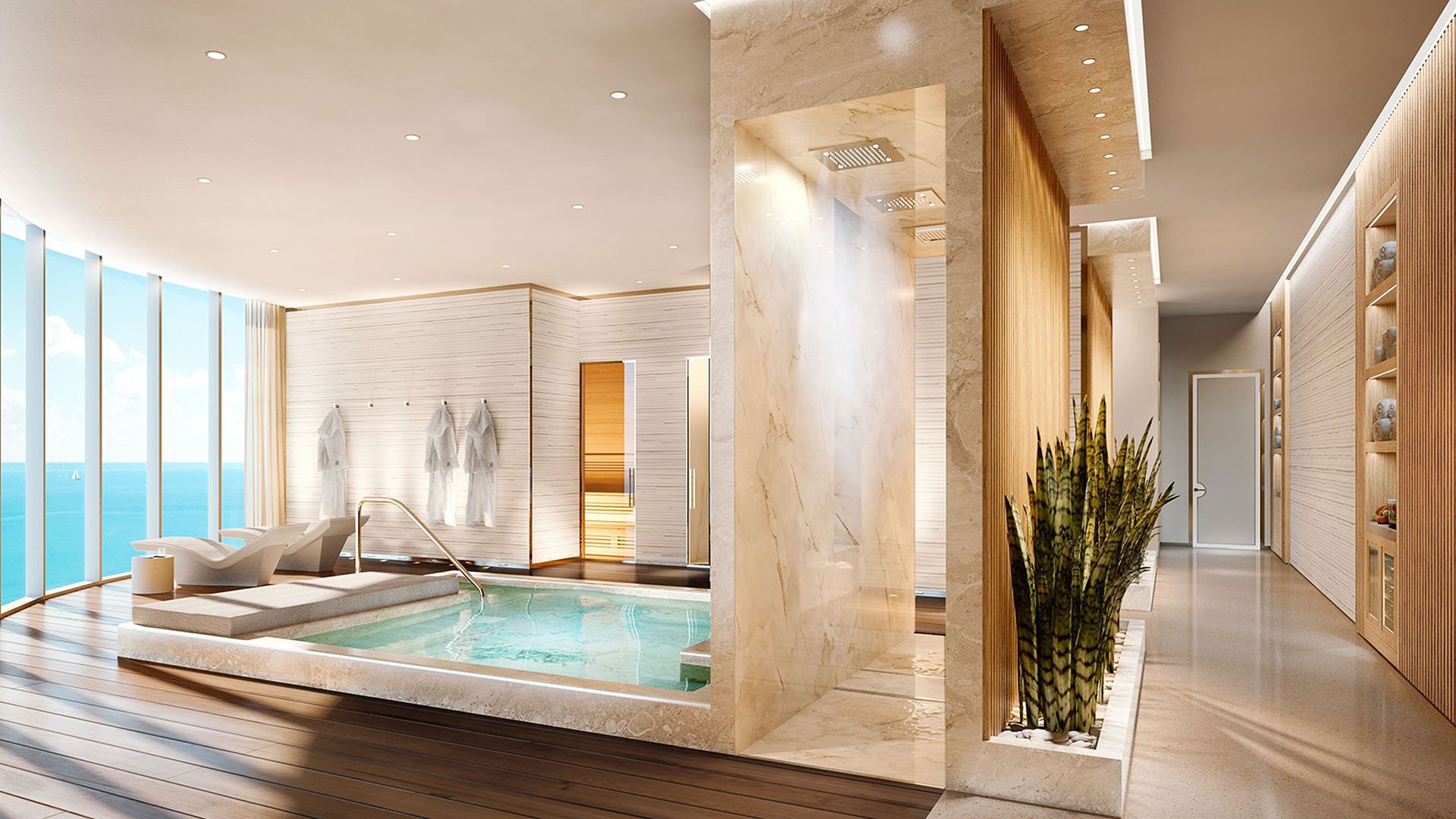
At The Ritz-Carlton Residences® Sunny Isles, an intelligent exit strategy begins with a precise understanding of the asset being sold. This is a private oceanfront condominium residence in Sunny Isles Beach-not a conventional hotel or a condo-hotel organized around transient accommodations. The property has no transient hotel rooms.
That distinction matters. The building combines private residences, direct beach access, resort-level amenities, and hotel-style residential service under The Ritz-Carlton brand. Its natural positioning is therefore as an end-user residential asset, with ownership value anchored in privacy, service, international name recognition, and a direct oceanfront setting.
For owners, the central question is not simply when to list. It is how to present a particular residence to the deepest credible audience while preserving optionality before, during, and after the marketing period.
There is no fixed “best” resale window for every owner or residence. A practical decision should instead align three elements: the seller’s timeline, the unit’s presentation, and the competing choices available to buyers when the property enters the market.
Unit-level distinctions can be decisive. Floor level, view orientation, condition, furnishings, layout, and tenancy status all influence how quickly a sophisticated buyer can assess value. A turnkey residence may appeal to someone seeking immediate use, while a home requiring personalization asks the market to price both its potential and the inconvenience of future work.
Owners should work backward from the desired closing period. That means resolving condition issues, organizing relevant condominium materials, deciding whether furnishings strengthen the offering, and establishing a pricing strategy before launch. If a residence is tenant-occupied, showing access and delivery terms should be addressed early. A broad building average cannot replace this unit-specific analysis.
Rental optionality can support an investment thesis, but it should never be assumed based on the presence of a globally recognized hospitality brand. The residence’s private, non-hotel structure differs materially from a condo-hotel rental program. Hotel-style service does not, by itself, establish short-term rental rights or unrestricted leasing.
Before relying on rental income, an owner or buyer should review the current declaration, bylaws, rules, lease application materials, and any association approval requirements. Minimum lease duration, permitted lease frequency, waiting periods, tenant screening, deposits, and renewal procedures should all be confirmed in the governing documents then in effect.
This diligence protects both pricing and execution. A listing marketed with unsupported rental claims risks attracting the wrong audience. Conversely, clearly verified leasing terms allow a residence to be positioned accurately for buyers who value occasional occupancy, longer-term leasing potential, or the ability to hold the home between periods of personal use.
The likely audience begins with buyers who want a serviced private residence rather than transient lodging. The combination of branded service, direct beach access, and an established Sunny Isles Beach location can resonate with primary residents, second-home purchasers, and buyers assessing a luxury condominium as a longer-horizon holding. Each group will evaluate the same asset through a different lens.
An end user may prioritize privacy, arrival experience, views, and condition. A second-home buyer may focus on ease of ownership and immediate usability. An investment-minded purchaser may concentrate on verified lease rules, carrying costs, tenancy, and eventual marketability. Sellers should not treat these motivations as interchangeable.
Cross-shopping also shapes buyer-pool depth. A prospect considering Armani Casa Sunny Isles Beach, St. Regis® Residences Sunny Isles, or Turnberry Ocean Club Sunny Isles may be evaluating several interpretations of luxury high-rise living within the same broader market. The seller’s task is not to make unverified building-wide comparisons, but to articulate why the specific Ritz-Carlton residence aligns with the buyer’s priorities.
Branded residences can benefit from immediate name recognition, but the brand should frame-not replace-the property narrative. Here, the strongest verified pillars are the Ritz-Carlton affiliation, private condominium format, absence of a hotel component, resort-level residential service, and direct oceanfront access.
Marketing should then move from the building to the home. Photography, showing preparation, furnishing decisions, and disclosure of occupancy status should reinforce the unit’s individual character. Pricing should reflect the exact residence and its competitive context, not merely the prestige of the flag above the entrance.
A disciplined exit plan also establishes decision points in advance. Owners can define an initial positioning period, a date for reviewing buyer feedback, and the conditions under which price, presentation, or occupancy strategy may change. This creates room to respond without appearing reactive and keeps negotiations aligned with the seller’s actual objectives.
Before going to market, confirm the intended closing timeline and whether the residence will be delivered vacant, furnished, or occupied. Review current condominium documents for leasing and transfer procedures. Prepare the home to a standard consistent with its service-led environment, then assess direct competition through the lens of floor, view, condition, furnishings, and availability.
Finally, distinguish flexibility from speculation. Rental rights should be documented, resale timing should be tailored, and buyer-pool assumptions should be tested against the residence actually being offered. For a private branded condominium, clarity is itself a luxury.
Is The Ritz-Carlton Residences® Sunny Isles a hotel? No. It is a private condominium residence without transient hotel rooms.
Is the property a condo-hotel? No. Its structure is distinct from the condo-hotel model used for transient stays and rental programs.
Does the residence have direct beach access? Yes. Residents have direct access to the beach from its oceanfront setting.
Is there one ideal time to resell? No fixed best window is established. Timing should reflect unit readiness, seller objectives, and current competition.
What most affects unit-level resale positioning? Floor, views, condition, furnishings, layout, and tenancy status can materially shape buyer response.
Can owners use the residence for short-term rentals? Short-term rental rights should not be assumed. Current condominium documents must be reviewed before making that claim.
Which leasing details should a buyer verify? Confirm minimum terms, annual lease limits, waiting periods, approvals, screening, deposits, and renewal rules.
Who is the natural buyer for this property? The positioning favors buyers seeking a private, serviced oceanfront residence rather than transient lodging.
Does the Ritz-Carlton brand guarantee resale liquidity? No. Brand recognition can differentiate the property, but pricing and liquidity remain specific to the unit and market.
How should an owner prepare for sale? Clarify delivery terms, assemble condominium materials, refine the presentation, and price against relevant unit-level competition.
For a tailored shortlist and next-step guidance, connect with MILLION.
If branded residences are on your mind — as a home or as an allocation — we would be glad to share what we are seeing, privately.
Begin a quiet conversation