A discreet guide for South Flagler buyers weighing walkable convenience against privacy, arrival control, sightlines, outdoor exposure, and daily lifestyle friction.
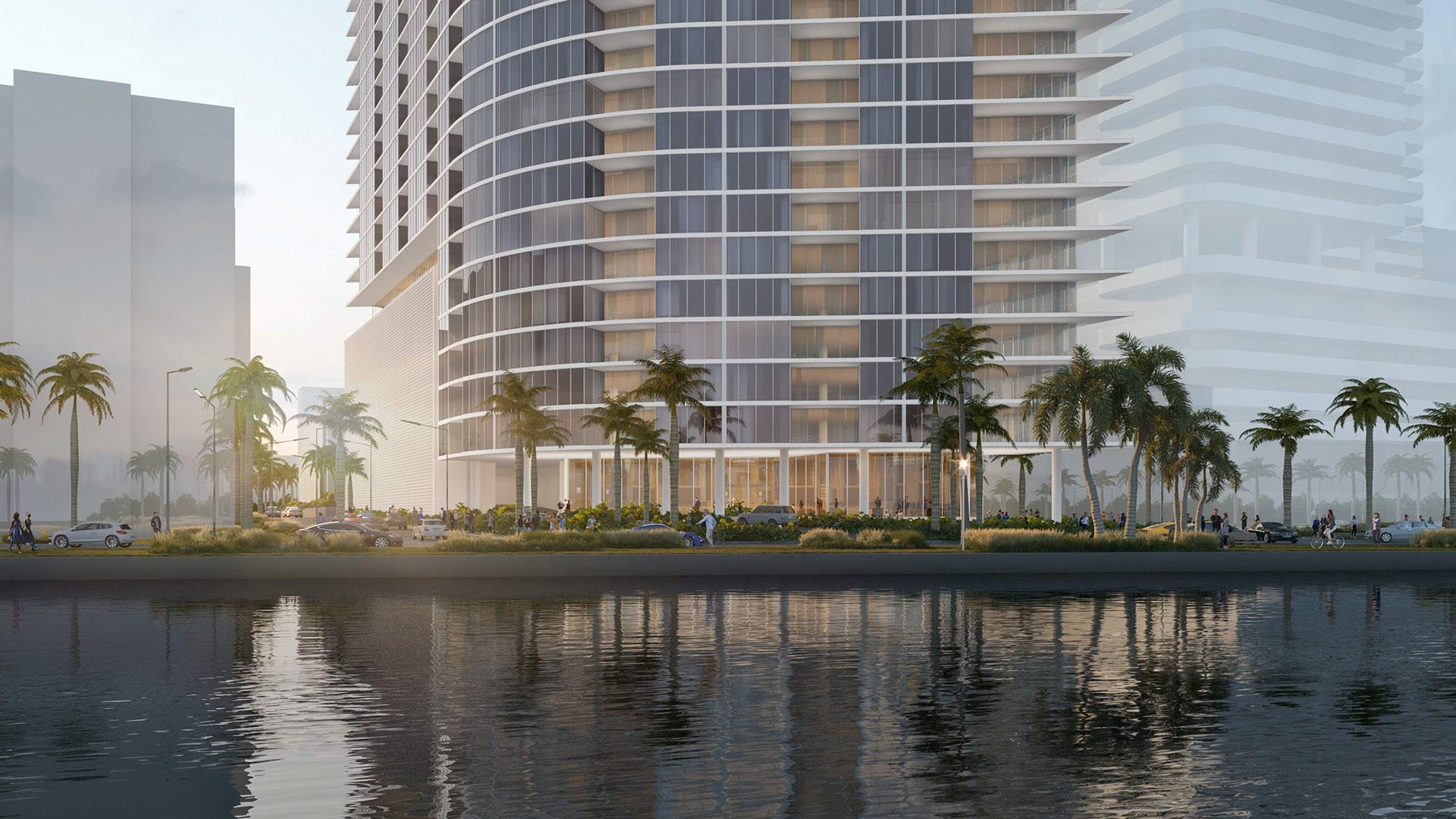
For many buyers considering South Flagler, walkability is not simply a matter of being close to restaurants, cultural stops, errands, or the waterfront. The more important question is whether a residence allows daily life to unfold with ease while preserving the privacy that makes a home feel personal. A short walk can be a luxury. It can also become a form of exposure when the building, residence, and surrounding streets do not give the owner control over how they arrive, leave, entertain, and retreat.
The most sophisticated buyers evaluate walkability as a sequence of thresholds: the public realm outside the building, the semi-private zone at the curb, the lobby, the elevator, the corridor, the residence, and the outdoor space. Each layer should feel deliberate. If one layer fails, even a highly walkable location can begin to feel too visible.
This is especially important for a West Palm Beach buyer who wants the rhythm of an urban waterfront address without surrendering the quiet expected from a primary residence or seasonal home. The goal is not to avoid activity. The goal is to choose where activity ends and privacy begins.
Do not begin with a broad idea of walkability. Begin with your actual week. A useful South Flagler radius should reflect the places you would truly visit on foot, not the amenities that sound appealing in a sales conversation. Think in terms of a morning coffee route, an evening dining route, a waterfront stroll, a pet walk, a quick errand, and a guest arrival.
Then test those routes at the hours you would actually use them. A walk that feels graceful at midday may feel very different after dinner, during valet activity, or when guests are arriving for events nearby. Pay attention to lighting, sidewalk comfort, traffic behavior, crosswalk confidence, and the moments when you feel observed. The best walkable address remains composed across several time periods.
Consider South Flagler House West Palm Beach in this framework not as a name on a map, but as a prompt for sharper questions. How does the arrival sequence feel from the street? Does the building separate residential life from public movement? Can an owner step out casually, or does every departure feel like a performance?
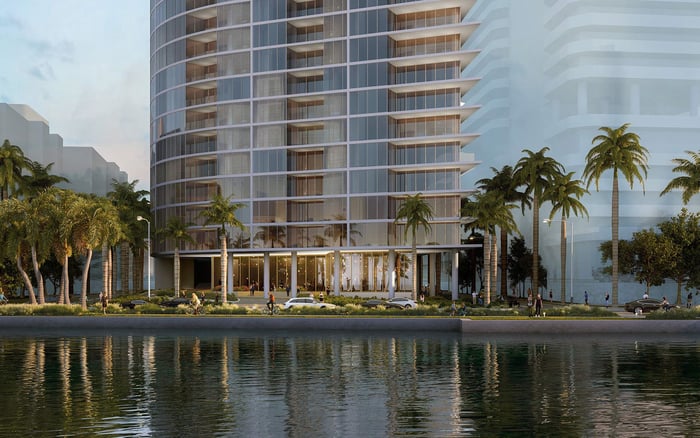
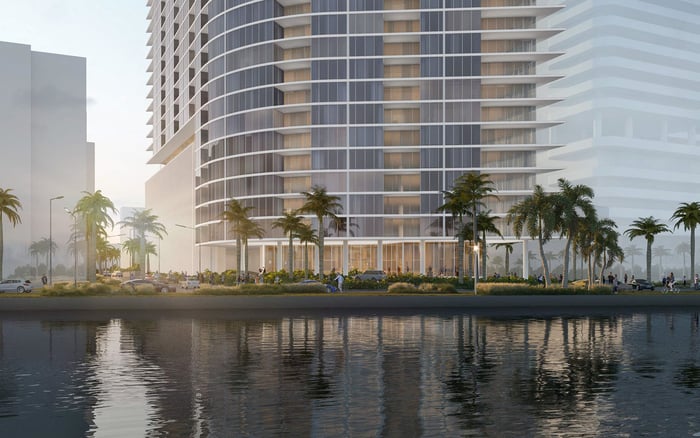
Privacy is often lost at the edge of a building, not inside the residence. The curb, porte-cochère, valet area, lobby doors, and elevator approach matter as much as the floor plan. A private building should allow residents to move from street to home without lingering in spaces that feel exposed or overly theatrical.
During a tour, slow down before you enter. Stand where a car would stop. Notice whether pedestrians can easily see residents waiting for vehicles or greeting guests. Observe whether delivery activity and resident arrival share the same visual plane. Ask how visitors are received and how service access is managed. These operational details often determine whether a walkable building feels discreet in daily use.
For buyers comparing Forté on Flagler West Palm Beach with other South Flagler options, the question is not simply which address is closer to a favorite destination. It is which arrival environment feels most controlled when life is busy, social, or intentionally low-profile.
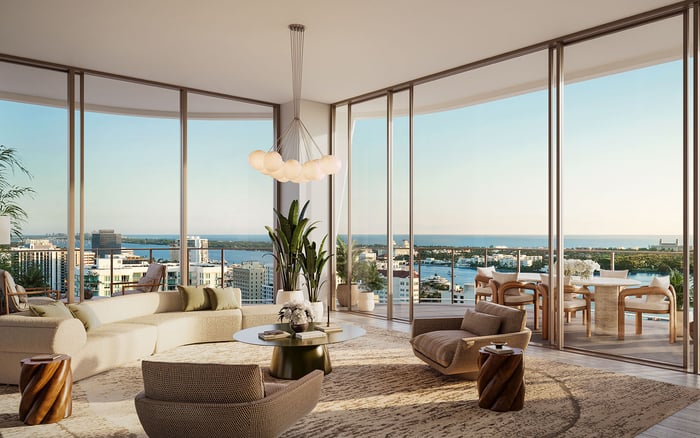
Once inside the residence, evaluate walkability from the windows, not only from the sidewalk. The more active the setting, the more important it becomes to understand sightlines. A beautiful view can coexist with exposure if neighboring buildings, sidewalks, or common areas look directly into living spaces.
Stand in the primary bedroom, kitchen, living room, and bath areas at different angles. Consider where you would sit with a laptop, host dinner, or step outside in the morning. A water view may be desirable, but the best version is one that does not require constant shading or self-conscious movement. Likewise, a terrace should be assessed for both pleasure and privacy. Can it be used naturally, or only at certain times of day?
Window treatments, balcony depth, glass reflections, and building orientation can all shape the experience. The point is not to make the residence invisible. It is to understand whether the home allows you to relax without managing your visibility minute by minute.
A building can be less than perfectly central and still deliver the better lifestyle if it reduces daily friction. Privacy-minded buyers should compare how each property handles guest arrival, package movement, dog walking, fitness access, parking, service providers, and short errand departures. These routines reveal more than any broad claim of walkability.
The appeal of Shorecrest Flagler Drive West Palm Beach, for example, should be evaluated through these lived questions. Does the setting support a graceful walk, then an equally graceful return? Does the building allow casual movement without funneling residents into highly visible common areas? Does it feel residential first, even if the neighborhood offers convenience?
For new-construction buyers, this is the moment to scrutinize plans and renderings with a privacy lens. Ask where elevators open, how amenity levels are accessed, whether outdoor areas face public activity, and how the building separates residents from staff, vendors, and visitors. Convenience is only a luxury when the circulation is intelligent.
South Flagler buyers often want both: the ease of stepping out and the completeness of staying in. That balance can be powerful. If the building’s amenities are refined enough to make the home feel self-contained, walkability becomes optional rather than compulsory. Optionality is a quiet form of privacy.
A buyer looking at Alba West Palm Beach may ask whether the building experience can support days when one wants no public exposure at all. The most compelling residences make it possible to live beautifully inside the property, then move into the neighborhood only by choice. This is the difference between access and dependence.
Also consider how social the amenity areas feel. A lively pool deck or lounge may be desirable for some households and too visible for others. The same amenity can read as glamorous or intrusive depending on an owner’s temperament. Luxury is personal, and privacy is often the clearest expression of that personalization.
Before writing seriously, build a private scorecard. Rate each building on walking comfort, arrival discretion, elevator privacy, corridor calm, view exposure, terrace usability, guest handling, service access, and the feeling of returning home after dark. Do not let a single spectacular element obscure a weak daily sequence.
Bring the same discipline to the neighborhood. Walk without announcing yourself. Arrive by car, by foot, and with a guest if possible. Notice whether you would be comfortable repeating the routine weekly. The right South Flagler residence should make walkability feel effortless and privacy feel embedded, not negotiated.
The final decision is rarely about choosing seclusion over access. It is about selecting the address where public life enriches the day without entering the home uninvited.
Should I prioritize the closest building to restaurants and errands? Not automatically. A slightly longer walk can be preferable if arrivals, sightlines, and outdoor areas feel more protected.
How should I test walkability before purchasing? Walk your likely daily routes in the morning, afternoon, and evening. Pay attention to comfort, visibility, traffic behavior, and how relaxed you feel returning home.
What is the biggest privacy mistake buyers make? Many focus only on the residence interior and overlook the curb, lobby, elevator, and service paths. Those shared thresholds often shape daily discretion.
Can a highly walkable address still feel private? Yes, if the building manages arrival, circulation, views, and amenity access thoughtfully. Privacy depends on design and operations as much as location.
Why do sightlines matter in South Flagler residences? Active surroundings can make windows, terraces, and living areas feel more exposed. Buyers should study what can be seen into the home, not only what can be seen from it.
Should I tour a residence more than once? Ideally, yes. A second visit at a different time of day can reveal changes in noise, light, foot traffic, and the general feeling of privacy.
How important is the building entrance? Extremely important. The entrance determines whether daily arrivals feel calm and discreet or unnecessarily public.
Are higher floors always more private? Not always. Height can help, but orientation, neighboring buildings, glass exposure, and terrace placement may matter more.
What should seasonal buyers consider? Seasonal buyers should think about guest flow, service access, and the ability to arrive quietly after travel. A residence should feel easy to reopen and effortless to use.
What is the best way to shortlist comparable options for touring? Start with location fit, delivery status, and daily lifestyle priorities, then compare stacks and elevations to validate views and privacy.
To compare the best-fit options with clarity, connect with MILLION.
If branded residences are on your mind — as a home or as an allocation — we would be glad to share what we are seeing, privately.
Begin a quiet conversation