A buyer-focused comparison of Sunny Isles Beach and Surfside for New York residents seeking a refined South Florida base, with emphasis on privacy, scale, service, beach rhythm, and long-term lifestyle fit.
For buyers dividing life between New York and Florida, the choice between Sunny Isles Beach and Surfside is not simply a coastal preference. It is a question of arrival, decompression, entertaining, remote work, and the ease of returning north when the week turns back toward the city. Both addresses offer a refined South Florida beach life, yet they speak to very different temperaments.
Sunny Isles Beach often appeals to the buyer seeking a more vertical, resort-like expression of oceanfront living, with a strong emphasis on privacy, views, full-service buildings, and immediate separation from the intensity of Manhattan. Surfside, by contrast, tends to suit the buyer who values quieter scale, discreet luxury, and a more intimate neighborhood cadence. For the New York owner, that distinction can be felt within the first hour of arrival.
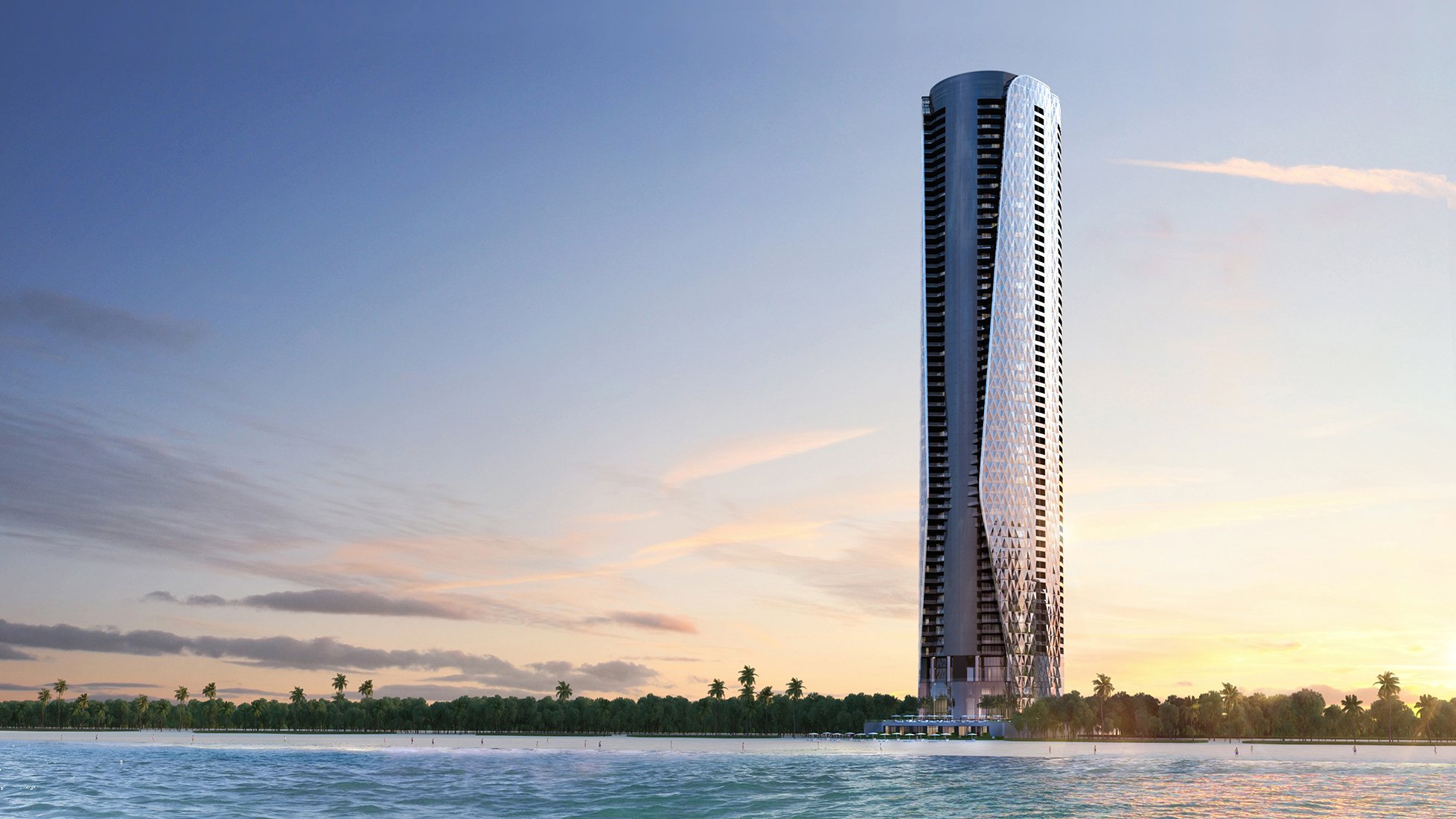
Sunny Isles Beach has long attracted buyers who want their Florida residence to function as a private, high-service retreat. The lifestyle is cleanly defined: secure entry, generous arrival sequences, amenities close at hand, and residences designed to make the ocean the dominant visual event. For someone coming from a New York co-op, townhouse, or penthouse environment, the appeal is clear. The Florida home can operate with a level of ease that feels deliberately opposite to the logistical demands of the city.
This is where projects such as Bentley Residences Sunny Isles enter the conversation naturally. Buyers considering this side of the coast are often thinking about architecture, discretion, parking, privacy, and the ability to land for a long weekend without resetting the entire household. Sunny Isles Beach is especially compelling for owners who host family, spend extended winter periods in Florida, or prefer a residence where the building itself carries much of the lifestyle burden.
There is also a psychological component. New Yorkers often value efficiency, even in leisure. A Sunny Isles residence can feel like an organized machine for relaxation: wake to water, work privately, use the beach or pool, dine nearby, and return without friction. Oceanfront living here is less about improvisation and more about control.
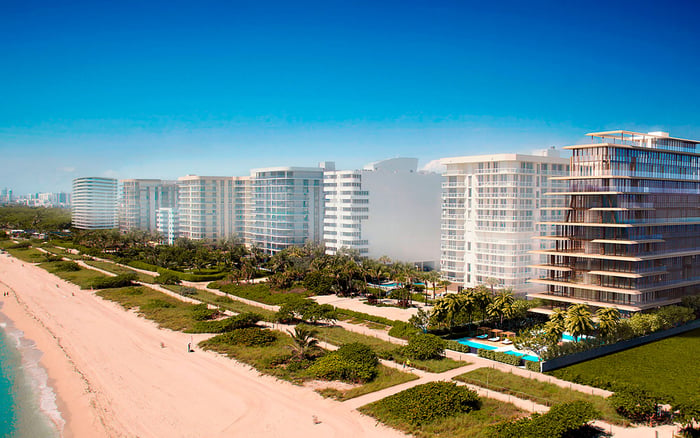
Surfside speaks a softer language. Its appeal is not necessarily the tallest profile or the most expansive amenity narrative. It is restraint, proportion, and the feeling of being in a coastal village rather than a resort corridor. For buyers who already live with intensity in New York, that quieter rhythm can be the luxury.
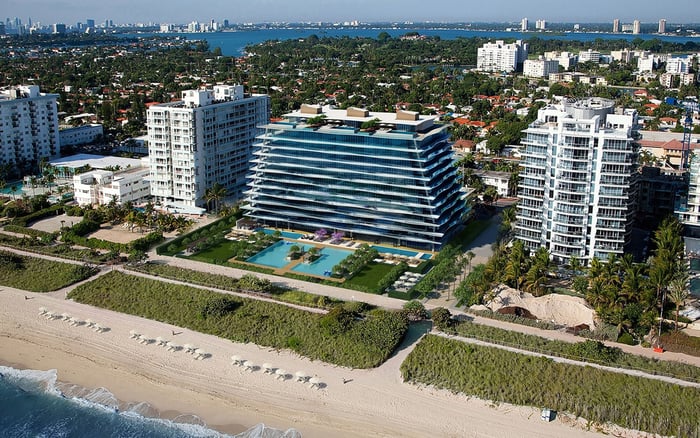
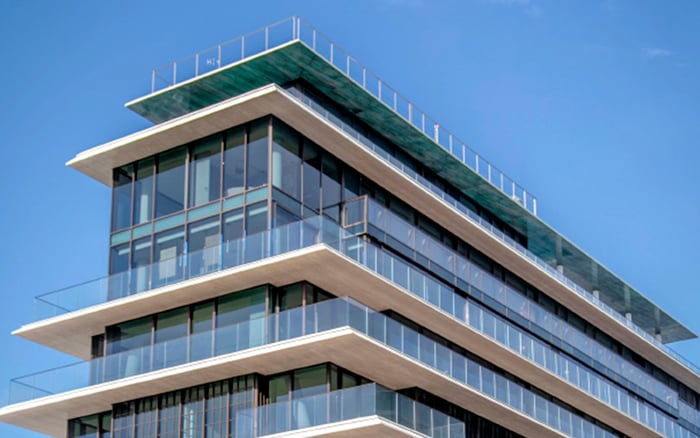
A residence such as The Delmore Surfside fits into this conversation because Surfside buyers often seek privacy without spectacle. The neighborhood can feel more residential in tone, and that matters to owners who want their Florida time to be restorative rather than performative. Morning walks, unhurried beach time, and a smaller social radius may carry more weight than a long menu of building programming.
Surfside also resonates with buyers who place a premium on understatement. The area has an established luxury identity, but it does not need to announce itself loudly. For those coming from the Upper East Side, Tribeca, or Brooklyn Heights, the attraction may be less about novelty and more about proportion: a setting that feels polished, coastal, and livable without asking the owner to participate in a scene.
The practical differences reveal themselves in small rituals. In Sunny Isles Beach, the day may revolve around the residence and its service ecosystem. The building is often the anchor, with the beach, pool, wellness spaces, and private entertaining areas forming a self-contained rhythm. For buyers who want a second home to function smoothly even after weeks away, that can be decisive.
In Surfside, the day may feel more porous. The beach, neighborhood walks, nearby dining, and a slower pace become part of the residential experience. Arte Surfside appeals to those who want design credibility and ocean proximity without losing the calmer tone that defines the area. Boutique sensibility matters here, not as a marketing phrase, but as a lifestyle preference.
The key is not which is better. It is which one allows the owner to exhale more quickly. Some New York buyers want to step into a complete vertical retreat with every convenience close at hand. Others want to feel embedded in a quieter coastal fabric, where luxury is measured in calm rather than volume.
For couples, families, and multigenerational owners, the decision often turns on how the home will be used. Sunny Isles Beach may be better suited to buyers who expect frequent guests, longer winter stays, or a more amenity-driven household. A residence connected to a larger service platform can simplify arrivals, departures, and everyday requests.
That is why St. Regis® Residences Sunny Isles will naturally interest buyers who associate Florida living with hotel-caliber polish and a high degree of residential support. The appeal is not merely the brand language. It is the promise of a home that can be activated quickly and maintained with minimal disruption to a New York schedule.
Surfside, on the other hand, may be more persuasive for buyers whose Florida life is intentionally quieter. It suits the owner who hosts selectively, prefers smaller gatherings, and wants the residence to feel personal rather than expansive. The privacy here is not only physical. It is social.
A second-home buyer from New York should consider four questions before choosing between the two. First, how often will the residence be used? Second, will it function as a family base or a couple’s retreat? Third, is the priority service depth or neighborhood intimacy? Fourth, should the home feel like a resort escape or an elegant coastal extension of daily life?
These questions matter more than broad market labels. The Sunny Isles Beach buyer may prioritize height, views, amenity range, and lock-and-leave confidence. The Surfside buyer may prioritize scale, discretion, walkability, and a sense of calm continuity. Both choices can be highly sophisticated. They simply reward different habits.
For the New Yorker who works remotely part of the week, Sunny Isles may offer the sensation of separation that helps mark a true change of state. For the buyer who wants Florida to feel less like a production and more like a quieter homecoming, Surfside may be the more natural fit.
Choose Sunny Isles Beach if you want an oceanfront residence that feels highly serviced, visually dramatic, and easy to operate from afar. It is particularly attractive if your Florida time includes guests, wellness routines, beach days, and a preference for amenities that reduce planning.
Choose Surfside if you want a more intimate address, a refined neighborhood mood, and a quieter version of coastal luxury. It is especially compelling if your New York life is already fast, social, and dense, and your Florida home is meant to create space rather than stimulation.
In the end, the decision is emotional, but it should be made practically. Spend a full day in each setting. Arrive as you would from New York, move through the lobby, take the walk you would actually take, imagine a winter month rather than a weekend, and ask which place makes your shoulders drop first. That answer is usually more revealing than any feature comparison.
Is Sunny Isles Beach better for New York buyers who want full-service living? Often, yes. Sunny Isles Beach tends to appeal to buyers who prioritize serviced buildings, privacy, and a highly managed second-home experience.
Is Surfside better for buyers seeking a quieter lifestyle? Surfside is often the stronger fit for buyers who prefer a calmer residential feel, smaller-scale luxury, and a more understated beach routine.
Which area feels more resort-oriented? Sunny Isles Beach generally feels more resort-oriented because many buyers associate it with larger oceanfront residences and amenity-rich living.
Which area feels more discreet? Surfside often feels more discreet, with a quieter coastal identity that appeals to buyers who value privacy without a highly visible lifestyle.
Should I choose based on building or neighborhood first? Start with lifestyle, then evaluate buildings. A perfect residence in the wrong daily setting can still feel misaligned after the novelty fades.
Is Sunny Isles Beach suitable for families splitting time with New York? It can be, especially for households that value space, services, beach access, and a building environment that supports frequent arrivals.
Is Surfside suitable for seasonal stays? Yes. Surfside can work beautifully for seasonal owners who want a refined, quieter base rather than a large resort-style environment.
What does boutique mean in this comparison? Boutique refers to a more intimate residential sensibility, often associated with privacy, restraint, and a less crowded day-to-day experience.
How should I compare Sunny Isles with Surfside in person? Visit both as if you already lived there. Test your morning routine, beach access, dining habits, guest expectations, and sense of arrival.
Which choice is more future-proof for a second home? The more future-proof choice is the one that matches your actual use pattern, from hosting and work habits to privacy and maintenance expectations.
For a tailored shortlist and next-step guidance, connect with MILLION.
If branded residences are on your mind — as a home or as an allocation — we would be glad to share what we are seeing, privately.
Begin a quiet conversation