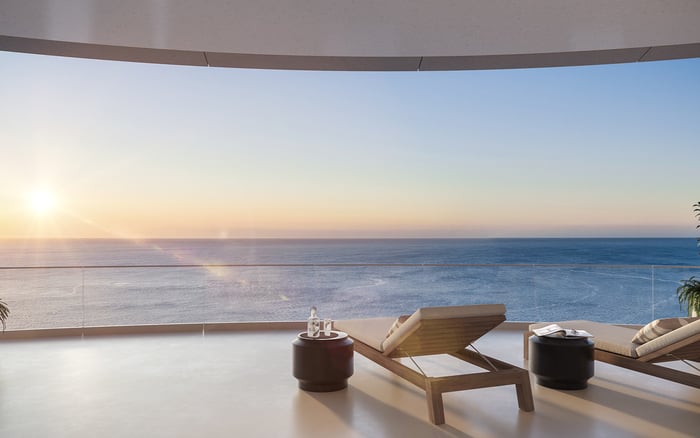
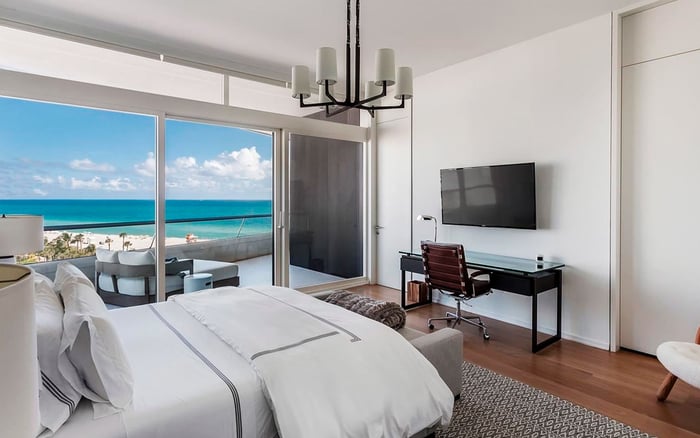
In Surfside, the value of walkability, club privileges, and private dining depends on how each feature changes recurring expenses, daily convenience, guest circulation, and residential privacy.
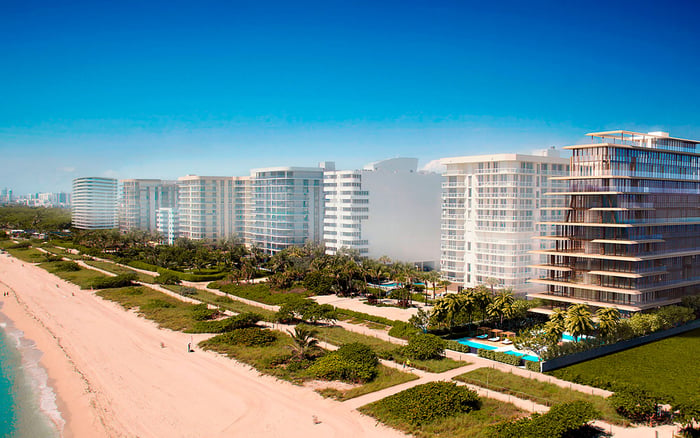
Surfside occupies a distinctive position between Miami Beach and Bal Harbour: quieter than its larger neighbor, yet close to luxury retail, dining, the beach, parks, cafés, and community amenities. Its short blocks and commercial core around 94th Street allow many routine errands to be completed on foot. For a luxury buyer, that convenience can reduce reliance on a car and make a second home immediately usable.
Yet walkability, club access, and private dining are not simply amenities. Each can shape monthly obligations, household routines, guest movement, and the level of discretion a residence provides. The right decision therefore begins with lifestyle fit, not an amenity count.
Surfside does not have one universally reliable walkability figure. One neighborhood assessment gives it a Walk Score of 82, or “Very Walkable,” while The Surf Club carries a score of 65. That difference offers a useful warning: building position, entrances, crossings, weather exposure, and the specific destination all matter.
Walk the routes that will define daily life. Test the trip to coffee, dinner, the beach, shops, parks, and parking at several times of day. Ocean House Surfside, at 9317 Collins Avenue, places coffee and surrounding amenities within walking distance, but every buyer should still assess the route personally.
Good beach access can have meaningful lifestyle utility. It may also affect how frequently residents and visitors pass through common areas. Convenience should be weighed alongside the building’s access controls and circulation plan.
Oceanfront ownership often combines association dues with taxes, insurance, utilities, parking expenses, possible assessments, and optional or mandatory club charges. Unit size can make the association component particularly consequential.
At The Surf Club Four Seasons Surfside, the average association fee is listed at $3.42 per square foot per month. At that rate, a 3,000-square-foot residence would carry an estimated association charge of about $10,260 per month. A 5,000-square-foot home would reach about $17,100 per month, before taxes, insurance, utilities, and other ownership expenses.
These examples are not quotations for a current purchase. They illustrate why buyers should compare total annual ownership costs rather than dues alone. Request the current budget, fee schedule, reserve information, assessment history, insurance details, parking and valet charges, and any club initiation fee or food-and-beverage minimum.
For boutique properties such as Arte Surfside and Fendi Château Residences Surfside, the more useful comparison is cost per service actually used. A smaller residence count may feel more intimate, but the documents must show how operating costs are allocated.
Branded residences can offer a polished service environment, but ownership does not automatically define the scope of club or private dining access. Privileges may be included, separately charged, invitation-only, limited by reservation priority, or governed by changing operating policies.
Ask for written answers. Who may book the dining room? Can owners entertain nonresident guests? Do minimum spends, service charges, cancellation fees, blackout periods, or dress standards apply? Is access attached to the unit, the named owner, or an optional membership? Marketing language should never substitute for governing documents and current operating rules.
A buyer considering The Delmore Surfside can apply the same discipline used for an established building: distinguish what is included, what is discretionary, and what may change after closing.
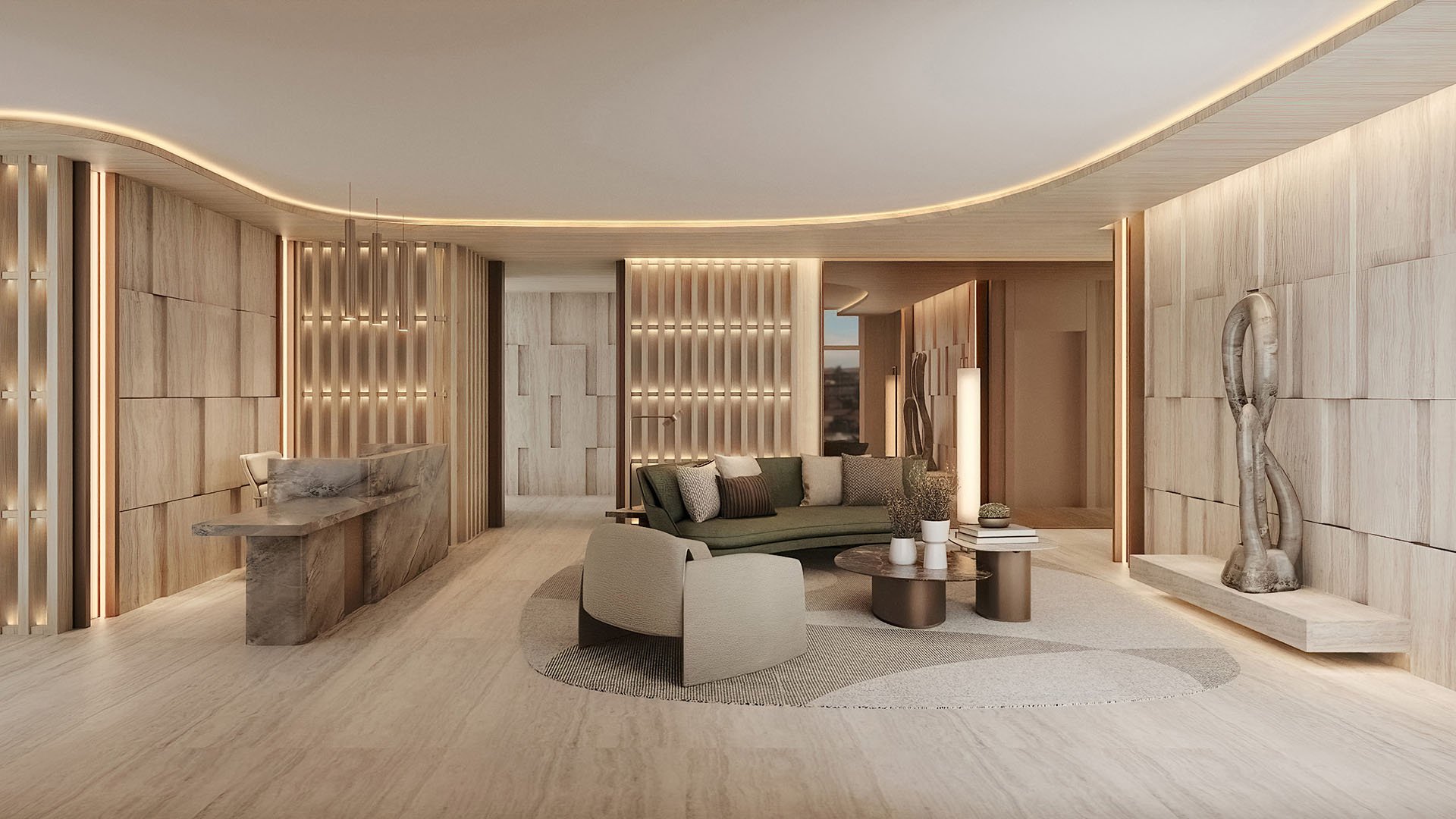
Private dining can reduce the need to leave home, yet a restaurant or hotel component may introduce additional visitors. Privacy therefore depends less on the presence of hospitality than on how people move through the property.
Inspect the drop-off, valet procedures, lobby traffic, guest registration, elevator controls, service entrances, and delivery protocols. Determine whether residents, hotel guests, restaurant patrons, and staff share entrances or elevators. Within the residence, consider orientation, sightlines, terrace exposure, and proximity to active amenity areas.
The best arrangement is personal. Some owners value a lively arrival and immediate service. Others prefer a nearly invisible threshold, controlled elevators, and minimal overlap with public-facing spaces.
Compare finalists across four columns: annual fixed costs, variable lifestyle spending, access rights, and privacy controls. Then assign value based on actual use. A household that walks daily and entertains frequently may justify robust services and dining access. An owner who visits occasionally and prizes seclusion may prefer fewer shared programs and simpler operations.
Also model the largest residence under consideration, not merely the least expensive one. Per-square-foot dues can cause carrying costs to rise sharply with scale. Confirm every figure and policy during due diligence, as fees, assessments, access terms, and owner benefits can change.
Is all of Surfside equally walkable? No. Building location, crossings, entrances, and proximity to daily destinations can produce materially different experiences.
Should buyers rely on a neighborhood Walk Score? Use it only as a starting point. Walk each important route from the building at different times.
How can walkability reduce lifestyle friction? Nearby shops, cafés, parks, beach access, and dining can make routine trips possible without a car.
Does private dining access always come with ownership? Not necessarily. Inclusion, fees, eligibility, reservation priority, and guest rights must be confirmed in writing.
What club costs should a buyer request? Ask for initiation charges, recurring dues, food-and-beverage minimums, service fees, cancellation rules, and guest costs.
Why does residence size matter to carrying costs? When association dues are calculated by square foot, a larger home can create a substantially higher monthly obligation.
What expenses sit outside association dues? Property taxes, insurance, utilities, parking, valet charges, assessments, club costs, and personal services may apply.
Can hospitality amenities reduce privacy? They can increase visitor traffic, although well-separated entrances, elevators, and service routes may limit overlap.
Which privacy features deserve an in-person review? Study drop-off activity, lobby circulation, guest registration, elevator controls, deliveries, service access, and residence exposure.
What is the clearest way to compare Surfside buildings? Compare total annual costs, actual access rights, daily walking routes, service use, and circulation-based privacy.
For a discreet conversation and a curated building-by-building shortlist, connect with MILLION.
If branded residences are on your mind — as a home or as an allocation — we would be glad to share what we are seeing, privately.
Begin a quiet conversation