A discreet allocation framework for ultra-high-net-worth buyers moving liquidity from a northern estate sale into Miami Beach real estate, reserves, lifestyle and optionality.

For a Silicon Valley founder, investor or family principal, selling a northern estate can create a rare moment of clarity. The asset is no longer tied to acreage, staff schedules, seasonal upkeep or a legacy address. It becomes cash, and cash can be assigned with intention.
Miami Beach requires a different allocation mindset. The decision is not simply whether to buy another trophy property. It is whether the next residence should function as a primary home, a seasonal compound, a second home, a family-office adjunct or a lifestyle asset that preserves optionality while the broader portfolio remains in motion.
The strongest buyers begin with a personal balance-sheet view before they tour. They separate what should be deployed into real estate from what should remain liquid for markets, philanthropy, operating companies, art, yachts, aviation or family commitments. A beautiful residence is only successful if the capital structure around it remains elegant.
Before discussing price, a buyer should decide what the Miami Beach address is meant to do. If it is replacing a northern estate, the emphasis may be privacy, staff efficiency, guest accommodation and secure parking. If it is a seasonal base, lock-and-leave convenience and building service may matter more than square footage. If it is a family convening point, access to schools, restaurants, marinas, wellness and airport routes can become part of the calculus.
Miami Beach also changes the relationship between indoor and outdoor space. A northern estate often measures itself through land and separation. In South Florida, value may be expressed through views, terraces, water access, building pedigree, service culture and neighborhood rhythm. Oceanfront living is not only about the sand. It is about light, arrival, privacy, sound, exposure and how the residence feels at different hours of the day.
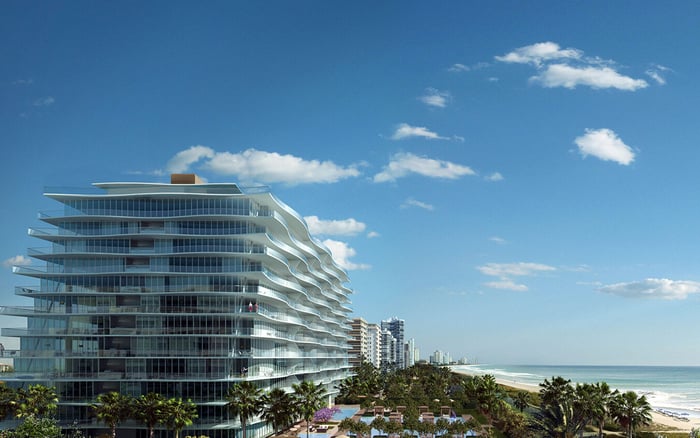
For buyers who want an architectural beachfront setting without maintaining a large single-family estate, The Perigon Miami Beach offers one way to think about the transition from private grounds to a serviced coastal environment.
A disciplined allocation framework usually begins with buckets. The first is the acquisition bucket: the amount reserved for purchase price, deposits, closing costs and immediate customization. The second is the operating reserve, which covers association costs, insurance, maintenance, staffing, security, utilities, furnishings and the first years of ownership without disrupting investment liquidity.
The third bucket is lifestyle capital. This may include club memberships, wellness routines, entertaining, art installation, boats, vehicles and aviation schedules. The fourth is opportunistic cash, held back because premier South Florida inventory can appear irregularly and may require speed. The fifth is strategic liquidity, which should remain outside the housing decision entirely.
Investment discipline matters because liquidity can feel abundant immediately after a sale. A buyer who deploys too much into a single residence may win the address but lose flexibility. A buyer who deploys too little may compromise on the very features that prompted the move. The art is not maximal spending. It is matching the residence to the role it will play in the family system.
Northern estate sellers often arrive with an estate owner’s instincts: privacy through land, control through ownership and customization through construction. Miami Beach luxury condominiums operate differently. The value proposition may include service, security, amenity depth, views, parking, managed arrivals and reduced operational complexity.
This is why new construction can be compelling for a buyer used to control. Newer residences may allow a cleaner transition, fewer legacy issues and a more contemporary lifestyle program. Yet resale properties can offer immediacy and proven building culture. Neither category is automatically superior. The right answer depends on timing, design tolerance, privacy needs and how much management the family wants to retain.
In South Beach, Apogee South Beach represents the established end of the spectrum, where location, scale and building familiarity may appeal to buyers who want to understand the finished product before allocating cash.
A move to Miami Beach does not require every dollar to stay on the barrier island. Some buyers want a beach residence and a separate urban pied-à-terre. Others prefer one principal home with access to Brickell for banking, dining, legal, family-office or professional meetings. The same buyer may also evaluate Surfside, Bal Harbour, Fisher Island, Coconut Grove or West Palm Beach depending on privacy, boating, schools and social cadence.
The allocation question becomes geographic as much as financial. Should the buyer place most of the residential capital into one irreplaceable waterfront home, or divide exposure between a Miami Beach base and another South Florida asset class? The answer often turns on time. A family spending ten months in Florida will think differently than one arriving for long weekends and winter holidays.
For a buyer who wants branded hospitality and historic Miami Beach energy, Shore Club Private Collections Miami Beach may sit in a different emotional category than a purely residential tower. For those balancing beach life with a financial-district routine, The Residences at 1428 Brickell illustrates how a second urban address can serve a different purpose from the coastal home.
The first year after selling a major estate is often a transition year. Even decisive buyers may need time to understand how they actually live in Miami Beach. Morning routines, guest patterns, travel frequency, staff needs and school calendars can look different once the family is in residence.
For that reason, buyers should avoid treating every dollar as immediately deployable. A cash reserve can support renovations, furniture changes, art logistics, household staffing or the discovery that the original brief should be refined. The best purchase is not merely the one that impresses at closing. It is the one that still feels strategically correct after the family has completed a full seasonal cycle.
Surfside can be part of that reflection for buyers who want a quieter coastal atmosphere while remaining close to Miami Beach. The Delmore Surfside is an example of how privacy-oriented coastal living may appeal to a family that wants serenity without leaving the northern beach corridor.
Cash allocation after a major sale should not be handled in isolation. The real estate advisor, attorney, tax counsel, insurance specialist, lender if financing is considered, family office and household manager should understand the same brief. Each sees a different risk. Together, they help determine whether the purchase should be simple, leveraged, held in a particular structure or staged over time.
This is especially important when the buyer is moving from a high-maintenance estate to a service-forward residence. The cost profile changes, but it does not disappear. Carrying costs, reserves, assessments, staffing preferences and customization should be modeled before signing. Privacy and security should also be reviewed in practical terms, from arrival sequences to guest protocols.
The most sophisticated buyers do not rush this step. They use advisory coordination to protect discretion, speed and certainty. In a competitive setting, that preparation can make an offer cleaner. In a private negotiation, it can help the family understand where to be flexible and where to remain firm.
Should I buy immediately after selling my northern estate? Not always. Many buyers benefit from defining liquidity buckets and lifestyle priorities before converting sale proceeds into a Miami Beach residence.
How much cash should remain outside the property purchase? The answer depends on portfolio design, family obligations and desired reserves. Buyers should plan for operating costs, customization and opportunistic liquidity.
Is a condominium a better fit than another estate? It can be if service, security and lock-and-leave convenience are priorities. Estate-style privacy may still matter for buyers who want full control.
Why do Silicon Valley sellers look at Miami Beach? Miami Beach offers coastal living, global connectivity and a luxury residential environment that can support both leisure and business routines.
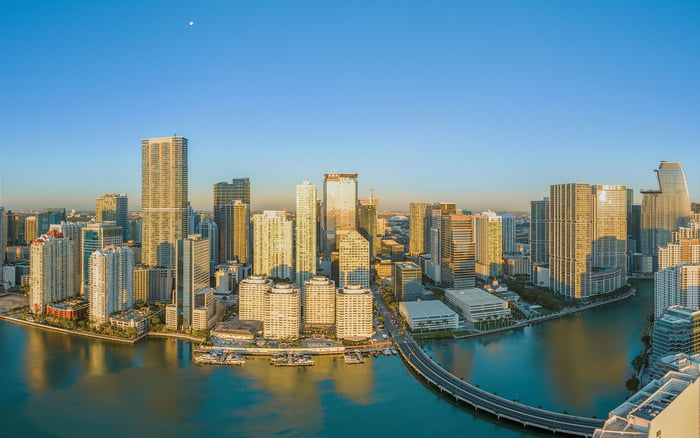
Should I consider Brickell as part of the plan? Yes, especially if meetings, finance, dining or urban convenience are part of the weekly rhythm. Brickell can complement rather than replace a beach base.
Does Surfside compete with Miami Beach? Surfside can appeal to buyers seeking a quieter coastal feel near Miami Beach. It may be useful for comparing privacy, scale and neighborhood atmosphere.
What does second-home planning require? It requires clarity around usage, maintenance, staffing, insurance and guest access. The less often a home is used, the more management structure matters.
Is oceanfront always the best allocation? Oceanfront can be compelling, but it should be weighed against privacy, exposure, building service, arrival experience and long-term usability.
How should investment thinking enter a lifestyle purchase? Investment discipline should frame liquidity, risk and resale logic without overwhelming the primary purpose of the residence.
What is the biggest allocation mistake after a sale? The common mistake is treating cash as a single pool. Separating acquisition, reserves, lifestyle and strategic liquidity creates a stronger decision.
When you're ready to tour or underwrite the options, connect with MILLION.
If branded residences are on your mind — as a home or as an allocation — we would be glad to share what we are seeing, privately.
Begin a quiet conversation