For Los Angeles buyers, choosing a South Florida home around a primary-residence strategy is less about chasing a view and more about building a credible, livable pattern of daily life.
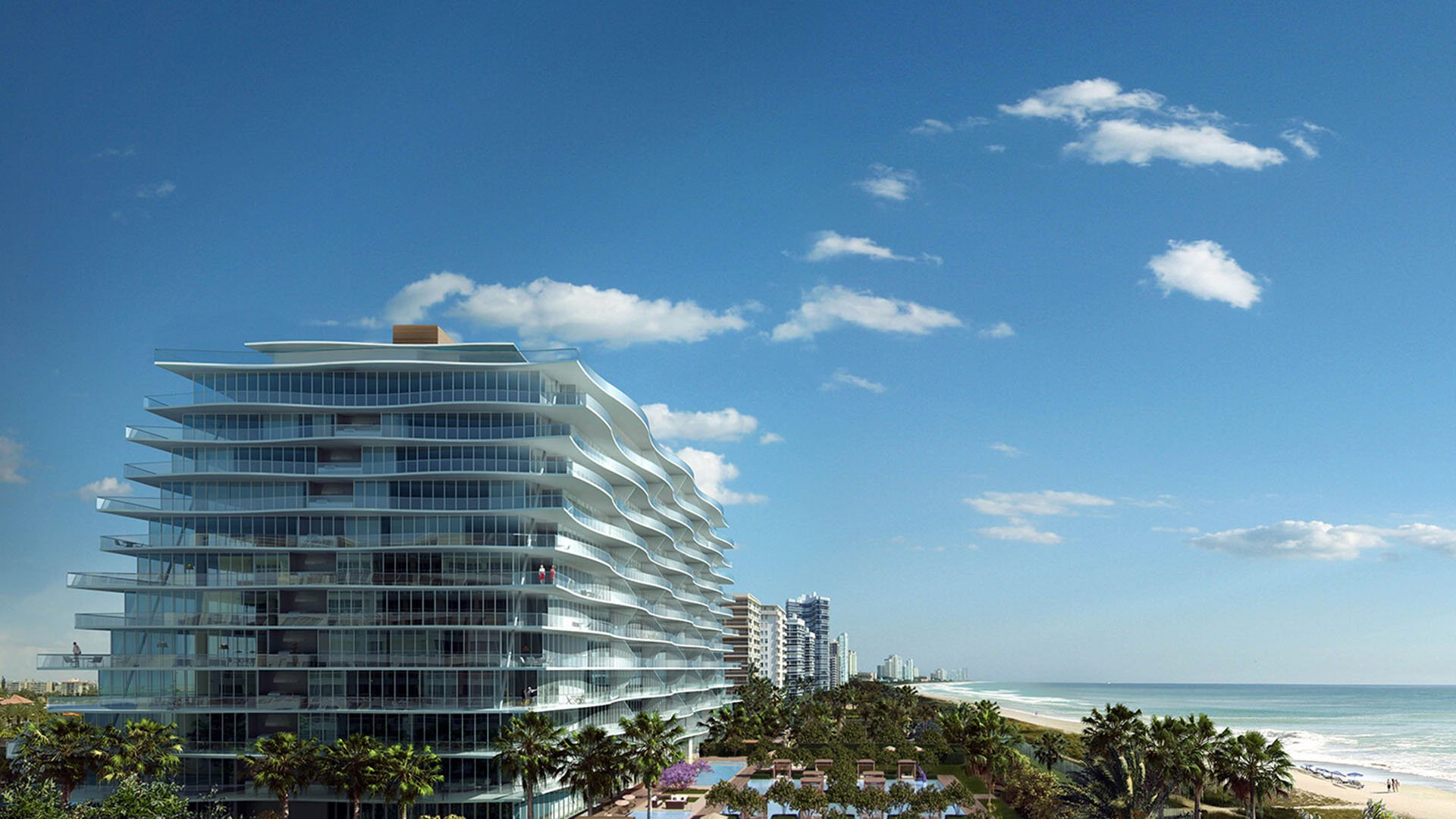
For a Los Angeles buyer considering South Florida, the defining question is not whether the home faces ocean, bay, skyline or garden. It is whether the property can support a coherent primary-residence strategy. That requires thinking beyond a winter escape, beyond a portfolio acquisition and beyond the familiar language of a trophy purchase.
A primary residence is a pattern of life. It is where mornings begin, where physicians, schools, clubs, routines and social obligations gradually settle. The most elegant purchase can still be strategically weak if it feels like a hotel suite used between flights. Conversely, a quieter address can become the right anchor if it makes daily life feel natural.
This is especially relevant for buyers relocating from Los Angeles, where neighborhood identity often shapes the entire rhythm of life. South Florida works differently. The distance between Miami Beach, Brickell, Coconut Grove, Surfside, Aventura, Boca Raton and Palm Beach is not merely geographic. It reflects differences in pace, privacy, building style, household composition and how one participates in the region.
Before comparing towers or waterfront exposures, define how the home will actually be used. Will it be occupied most weekdays, or primarily during long seasonal stays? Will business require regular access to Downtown Miami, Brickell or the airport? Will children be in school locally? Will the household rely on staff, drivers, club memberships, private aviation, boating or wellness routines?
Those answers matter because a primary-residence strategy should be legible. The address, services and location should all reinforce a credible lifestyle. A buyer who expects daily meetings in the financial core may find Brickell more practical than a romantic beach address. A buyer who wants calm, walkable dinners and a stronger residential atmosphere may prefer Coconut Grove or Surfside. A household centered on schools, space and quieter weekends may look farther north.
This is where professional guidance is essential. Domicile, tax, estate planning, homestead and legal-residence questions should be reviewed by appropriate advisers before a contract becomes emotional. The real-estate decision should align with that advice, not attempt to replace it.
Miami Beach is the intuitive starting point for many Los Angeles buyers because it carries an immediate sense of arrival. It offers water, design, culture and a social vocabulary that feels international rather than suburban. For those who want a refined beach lifestyle with a residential lens, a project such as The Perigon Miami Beach can be considered within a broader conversation about how much time one expects to spend on the beach versus across the causeway.
Brickell is different: denser, more vertical and more business-oriented. That can make it compelling for buyers whose primary-residence strategy is tied to daily work, finance, dining and a lock-and-leave urban cadence. The Residences at 1428 Brickell belongs in that conversation for buyers who want the address to feel connected to professional life rather than separate from it.
Coconut Grove offers another register. It is softer, greener and more village-like, which can appeal to buyers leaving Los Angeles neighborhoods where privacy, landscape and low-key sophistication matter. Four Seasons Residences Coconut Grove may suit buyers who want services and polish without surrendering the idea of neighborhood texture.
Surfside is often attractive to buyers who want ocean proximity with less overt intensity than South Beach. It can feel discreet while still remaining connected to Bal Harbour, Miami Beach and the broader northern corridor. The Delmore Surfside fits naturally into the question of whether the primary residence should feel coastal, private and contained.
For some households, the right answer is not Miami Beach at all. Boca Raton can make sense when the primary-residence strategy is organized around space, schools, clubs, medical routines or a more settled pace. Alina Residences Boca Raton is one example of how a buyer can remain within South Florida while choosing a lifestyle that is less Miami-centric.
Los Angeles buyers often underestimate how much their old habits influence their new search. In California, a buyer may accept driving as a condition of lifestyle. In Miami Beach, that same tolerance may change quickly if the household expects to cross bridges multiple times a day. A beautiful property can become inconvenient if school, work, friends, trainers and restaurants are all on the other side of the chosen routine.
Think in weekly movements. Where will you be on Monday morning? Where will dinner happen on Thursday? How often will you use the beach, the boat, the office or the airport? If the answer is vague, the purchase should slow down. Primary-residence decisions reward specificity.
The words Investment, Second-home, New-construction and Oceanfront should be treated as filters, not substitutes for daily use. A new building may be beautiful, an oceanfront position may be rare and an investment thesis may be persuasive. None of those elements alone makes the property the right legal and practical center of life.
Luxury buyers often want privacy, but a primary residence also needs infrastructure. Full-service buildings can be useful because they make daily occupancy easier: reception, valet, security, maintenance coordination and amenity programming can reduce friction. Yet service should not become a mask for non-use. If the home functions only when one is briefly in town, it may be better understood as a seasonal residence.
Single-family homes bring another kind of credibility. They can support pets, staff, outdoor living and family routines with a sense of permanence. They also require more management, which may or may not suit a buyer arriving from a fully serviced Los Angeles lifestyle. The choice between condominium and house should be framed around actual occupancy, not status.
A discreet way to test the decision is to imagine the home in August, not only in January. If the location, building, staff requirements and social setting still make sense outside peak season, the address is more likely to support a durable primary-residence strategy.
A successful move from Los Angeles to Miami Beach or broader South Florida is not measured by how dramatic the acquisition looks online. It is measured by whether the chosen residence makes consistency effortless. The correct home should encourage the buyer to spend time there, build routines there and make decisions from there.
That may lead to Miami Beach, Brickell, Surfside, Coconut Grove, Boca Raton or another South Florida address entirely. The common denominator is alignment. The property should support the life being created, the advice being received and the identity the buyer intends to establish over time.
Should a Los Angeles buyer choose Miami Beach first? Not automatically. Miami Beach can be excellent, but the right answer depends on work, school, privacy and daily movement.
Is a primary residence the same as a Second-home? No. A Second-home may be used often, but a primary residence should support the buyer's central routine and advisory strategy.
Should tax planning drive the real-estate search? It should inform the search, but it should not be handled through real estate alone. Legal and tax advisers should guide that structure.
Is Brickell practical for a primary residence? Brickell can be practical for buyers who want an urban, business-oriented rhythm with dining and services close at hand.
Why might Surfside appeal to relocating buyers? Surfside can offer a quieter coastal setting while remaining connected to Miami Beach, Bal Harbour and the northern corridor.
Does New-construction make a stronger residency case? Not by itself. New-construction may simplify maintenance and services, but actual use and lifestyle alignment matter more.
Should families look beyond Miami Beach? Often, yes. Families may prioritize schools, space, clubs and calmer routines in areas such as Coconut Grove or Boca Raton.
Is Oceanfront property always the best choice? No. Oceanfront living is compelling, but it must fit the buyer's real weekly schedule, privacy needs and access requirements.
Can Investment potential conflict with residency goals? It can. A property selected mainly for Investment logic may not be the most convincing or comfortable primary home.
What is the best way to shortlist comparable options for touring? Start with location fit, delivery status, and daily lifestyle priorities, then compare stacks and elevations to validate views and privacy.
To compare the best-fit options with clarity, connect with MILLION.
If branded residences are on your mind — as a home or as an allocation — we would be glad to share what we are seeing, privately.
Begin a quiet conversation