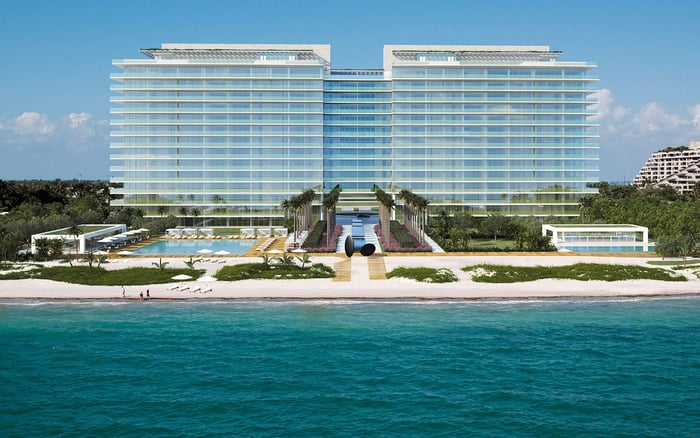
For South Florida waterfront buyers, the most compelling sightline should be evaluated alongside the full insurance structure. A disciplined model can clarify carrying costs, reveal building-level exposure, and make comparisons across coastal submarkets more precise before an offer is written.
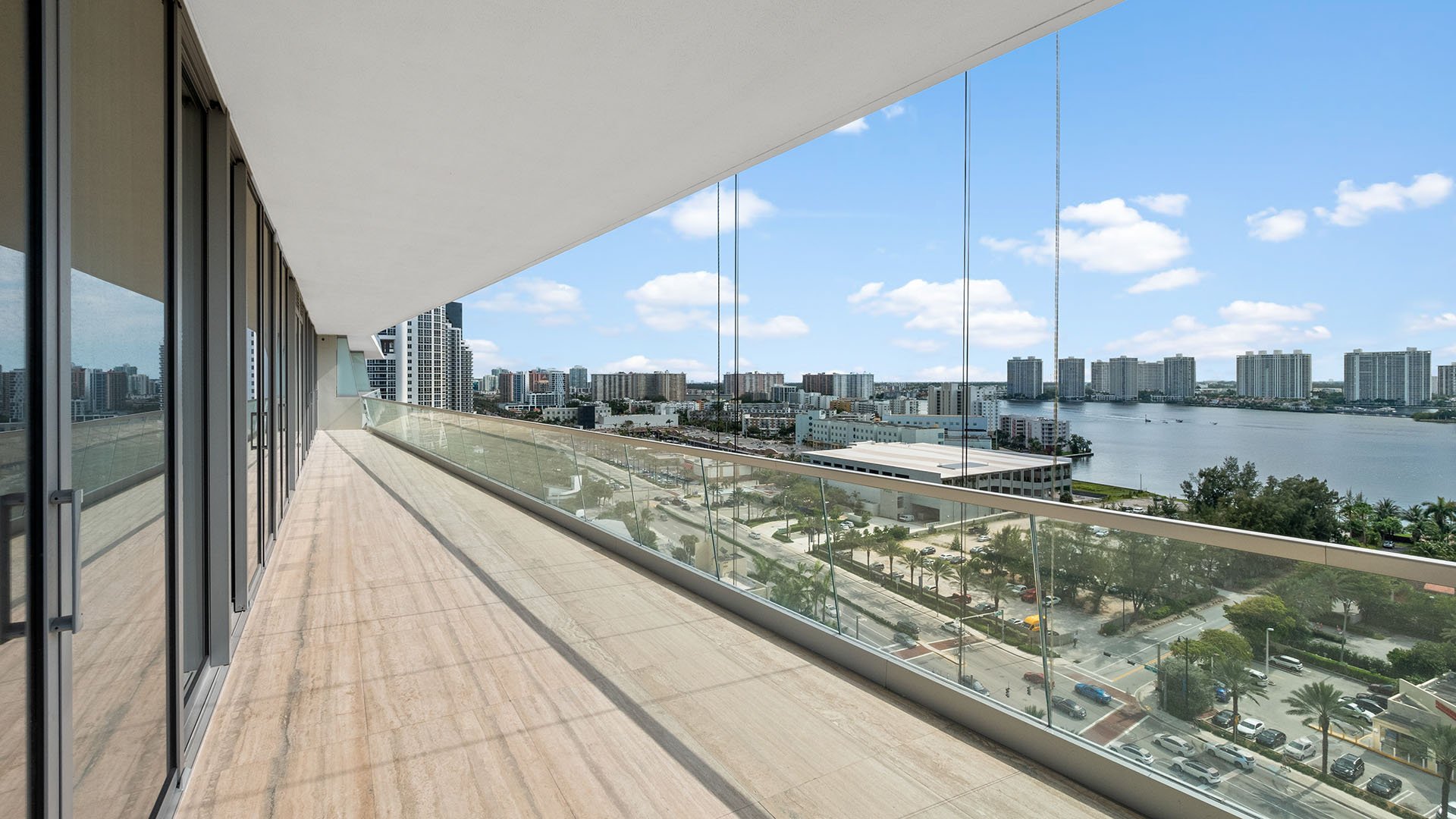
South Florida waterfront real estate invites an instinctive response. Ocean horizons, broad bay exposures, and sparkling city-water perspectives can define the emotional character of a residence. Yet the view should not determine the budget before insurance has been modeled with equal care.
For a buyer, the relevant question is not simply whether a residence is insurable. It is how the insurance structure interacts with the purchase price, monthly obligations, liquidity preferences, financing plan, and tolerance for variable costs. This buyer's guide framework is especially important when comparing waterfront properties whose visual appeal may be similar but whose ownership profiles can differ.
A prudent model does not diminish the value of a beautiful outlook. It establishes what that outlook may cost to own under several reasonable scenarios.
Insurance diligence should begin while the buyer still has several viable choices. Waiting until contract review can compress decisions that warrant time and specialist attention.
For a condominium, request current master-policy information, available coverage summaries, deductible details, and the requirements applicable to the individual residence. Determine which elements are expected to fall under the association’s policy and which require unit-owner coverage. The buyer’s insurance adviser, attorney, lender, and condominium specialist should review the materials within their respective roles.
For a single-family residence, the inquiry should address the structure, contents, liability, flood considerations, wind exposure, deductibles, exclusions, and any features requiring separate treatment. Quotes should reflect the specific property and intended use rather than a generalized estimate.
The objective is a decision-ready file: written assumptions, indicative coverage options, the buyer’s expected outlay, and a clear list of unresolved questions.
A buyer considering Miami Beach, Bal Harbour, Sunny Isles Beach, Fort Lauderdale, and bayfront neighborhoods should apply the same template to every candidate. Otherwise, a lower asking price may appear more compelling simply because parts of the carrying-cost picture remain unexamined.
Consider a buyer comparing The Perigon Miami Beach with Bentley Residences Sunny Isles. The exercise is not to presume a particular insurance outcome for either project. It is to request comparable documentation, apply consistent questions, and evaluate each residence using the same ownership horizon and cash assumptions.
Model at least a base case, a higher-cost case, and a case involving a large deductible or uncovered expense. Keep premium estimates distinct from deductibles, association obligations, maintenance, and reserves. That separation reveals which costs are recurring, which are contingent, and which may be shared.
In condominium ownership, an elegant interior is only part of the asset. Insurance analysis should extend to the building’s coverage framework, governance materials, maintenance planning, and potential allocation of costs among owners. Qualified professionals should interpret these documents; the materials are not a substitute for advice.
This approach is particularly useful when the shortlist spans different waterfront settings. A residence at Rivage Bal Harbour can be evaluated beside one at St. Regis® Residences Bahia Mar Fort Lauderdale without unsupported assumptions about either. Instead, the buyer can compare the scope and clarity of available information, expected personal coverage, deductible exposure, and treatment of potential common expenses.
Ask how a loss affecting common areas would be handled, where master coverage ends, and how the unit owner’s policy is intended to respond. The answers may shape both annual budgeting and the amount of liquid capital the buyer prefers to retain.
Oceanfront positioning often carries exceptional emotional value, but a water view should still be assessed within the buyer’s complete financial architecture. The strongest purchase is not necessarily the home with the lowest insurance estimate. It is the home whose total profile aligns with the buyer’s priorities, time horizon, and capacity for uncertainty.
A cash buyer may focus on liquidity and self-retained exposure. A financed buyer must also coordinate coverage with lender requirements. A second-home owner may need to discuss occupancy patterns with an adviser. These are not reasons to avoid the water. They are reasons to define the ownership structure before selecting the panorama.
Once diligence is organized, insurance becomes an input to valuation rather than a late-stage surprise. Add the expected premium to association charges, property taxes, maintenance, financing costs, and a contingency allowance. Then test the total over the anticipated holding period without treating any estimate as guaranteed.
The resulting figure can inform the buyer’s offer ceiling, preferred closing conditions, reserve allocation, and choice between otherwise comparable residences. It can also strengthen future resale preparation because the owner begins with an orderly record of policies, assumptions, property information, and updates.
The most sophisticated waterfront decision is not view versus insurance. It is a view selected after insurance, liquidity, and long-term ownership have been considered together.
When should a waterfront buyer begin insurance diligence? Begin before reducing the search to a single property, allowing competing homes to be assessed using consistent assumptions.
Is an online estimate sufficient for an offer decision? No. Seek property-specific guidance and written indications from qualified insurance professionals.
What should a condominium buyer request? Request available master-policy information, deductible details, unit-owner requirements, and relevant association materials for professional review.
Why examine both master and unit-owner coverage? The buyer needs to understand where association coverage may end and personal coverage may need to respond.
Should deductibles be included in the model? Yes. Keep potential deductible exposure visible and separate from recurring premium estimates.
How many scenarios should a buyer test? Use at least a base case, a higher-cost case, and a case involving a substantial out-of-pocket event.
Does paying cash make insurance analysis unnecessary? No. Cash removes lender coordination, but not the need to understand risk, coverage, and liquidity.
How should second-home use be handled? Describe the intended occupancy accurately and ask an insurance professional how it affects suitable coverage.
Can insurance determine which view is best? Insurance cannot rank beauty, but it can clarify which residence offers the most appropriate overall ownership profile.
Who should review the final model? The buyer should coordinate qualified insurance, legal, lending, and real-estate advisers as applicable.
When you're ready to tour or underwrite the options, connect with MILLION.
If branded residences are on your mind — as a home or as an allocation — we would be glad to share what we are seeing, privately.
Begin a quiet conversation