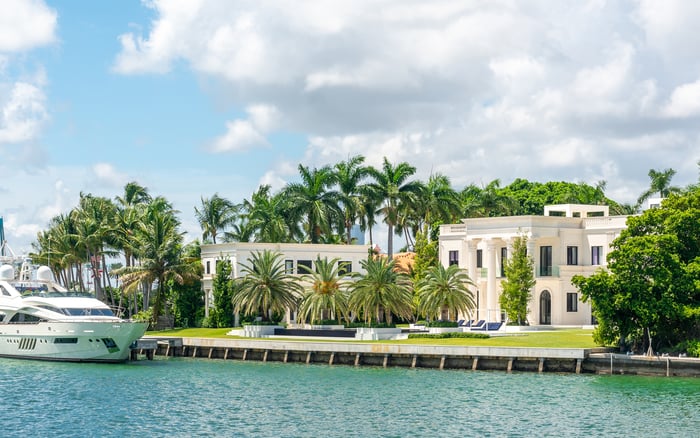
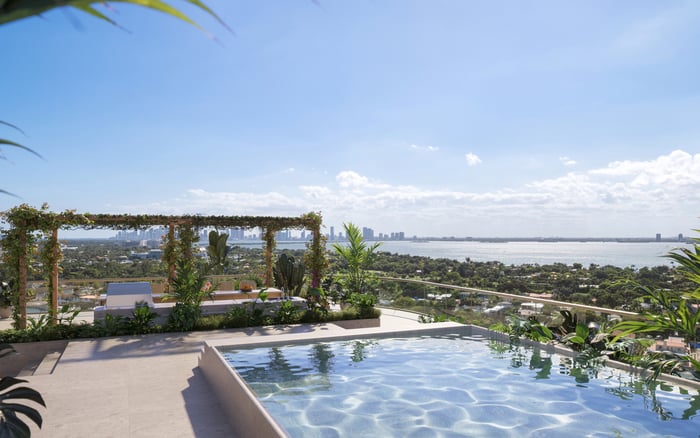
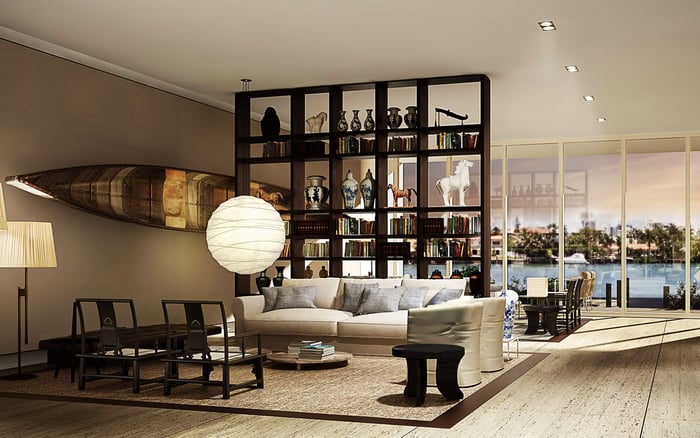
A discreet guide to using family-office conference season as a practical lens for evaluating a better-positioned Miami Beach pied-à-terre.
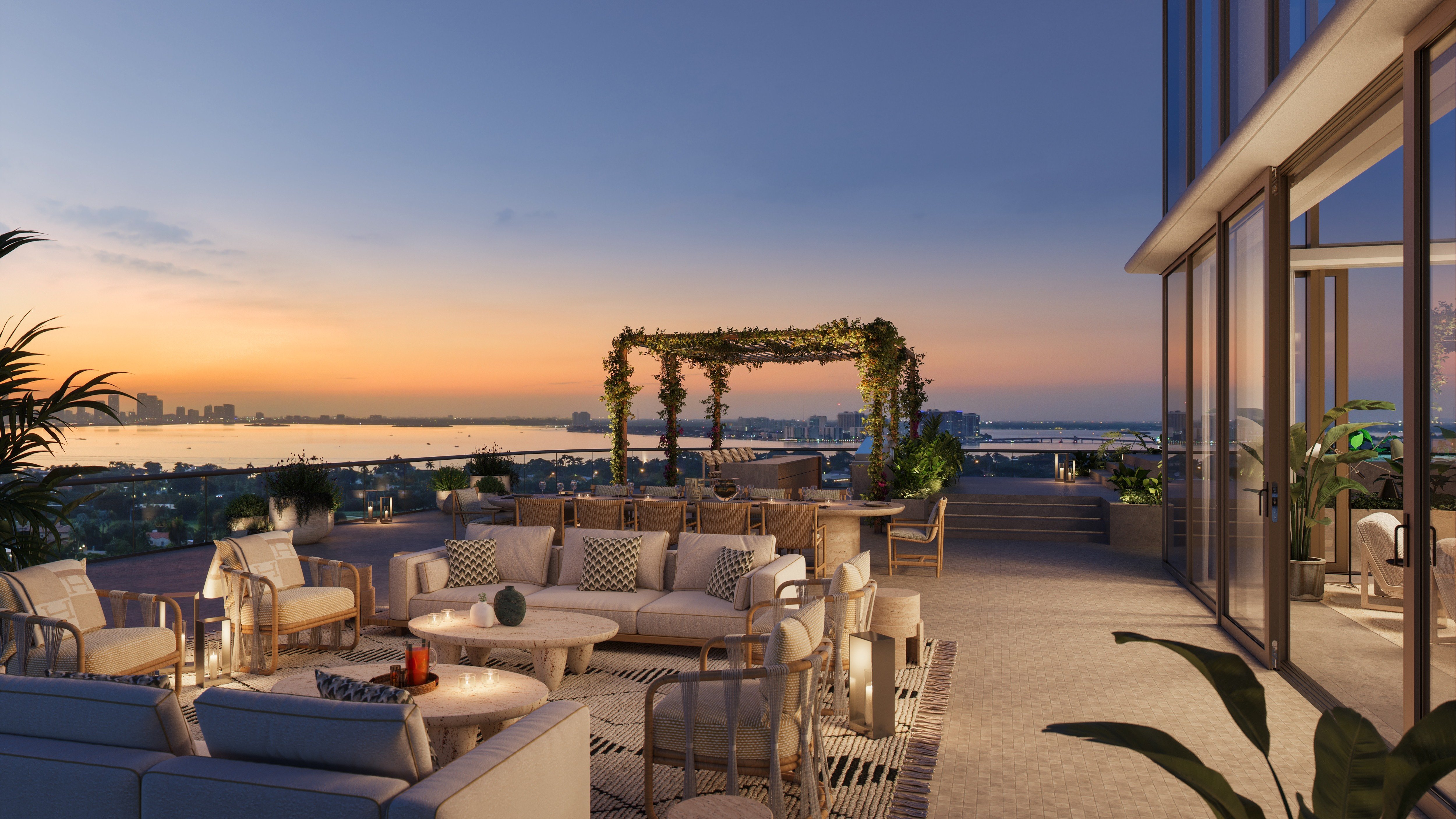
For global families, South Florida’s conference season is rarely just a week of panels and private dinners. It is a revealing stress test for how a residence performs under real conditions: a principal arriving late, a spouse extending the stay, adult children joining for a weekend, advisors needing quick access, and every hour between commitments carrying value.
That is why the Miami Beach pied-à-terre should be evaluated as more than a beautiful apartment. The right residence becomes a controlled environment: a place to regroup, host selectively, and move through the city without surrendering privacy. The wrong one, however polished, can feel like a hotel room with ownership costs attached.
A better-positioned pied-à-terre does not need to be the largest home in the portfolio. It needs to match the rhythm of the owner’s South Florida life. During family-office conference season, that rhythm becomes easier to see.
The most useful question is not “Where would we like to stay?” but “Where would this make the week easier?” A principal may want proximity to Miami Beach social dinners, Brickell meetings, private aviation routes, wellness routines, cultural programming, and the water. A family member may care more about walkability, discreet arrivals, or the ability to occupy the home without staff-heavy formality.
This is where the pied-à-terre becomes strategic. A second home that functions only during vacations has one type of value. A residence that supports three-day business visits, philanthropic weekends, art-season entertaining, and spontaneous family use has a different profile. It becomes part of the family’s infrastructure.
Miami Beach projects such as The Perigon Miami Beach can help frame the discussion around positioning, architecture, privacy, and the owner’s desired relationship to the shoreline. The point is not to chase every new offering. It is to identify the setting that matches the family’s actual pattern of use.
A pied-à-terre buyer often starts with interior scale, then later discovers that access and orientation matter more. During a compressed conference week, a few minutes of added friction may be repeated several times a day. Arrival sequence, parking or valet flow, elevator privacy, lobby energy, and the ease of moving between Miami Beach and mainland appointments become part of the ownership experience.
Oceanfront positioning can be compelling, but it should be weighed against the family’s tolerance for visibility, traffic, and seasonal intensity. Some owners want the ceremonial quality of being directly on the sand. Others prefer a quieter residential tone with quick access to the beach, restaurants, and private clubs. Neither approach is inherently superior. The better answer is the one that preserves the owner’s time and discretion.
In Miami Beach, Shore Club Private Collections Miami Beach may appeal to buyers who want a branded, design-conscious address within a familiar coastal context. Nearby, Five Park Miami Beach offers another way to think about vertical living, views, and access to the broader Miami Beach lifestyle. The comparison should be practical, not emotional: which building will the family actually use more often?
Investment discipline in this category is less about predicting the next headline and more about defining a buy box before the season’s social momentum takes over. The family should clarify acceptable building age, service level, view priority, renovation appetite, parking needs, pet rules, guest protocols, rental tolerance, and holding period.
A pied-à-terre also has a governance dimension. Who may use it? Can adult children host? Will staff maintain it year-round? Is the residence held for lifestyle, legacy, optionality, or a blend of all three? These questions are not romantic, but they prevent a discretionary purchase from becoming a recurring source of family negotiation.
The strongest Miami Beach acquisition is often the one that survives the morning-after test: after the dinners, introductions, and warm winter weather, does the residence still solve a real problem for the family? If it does, the case becomes more durable.
Conference season often reveals a split preference inside the same family. One principal wants to remain close to Miami Beach hospitality and the ocean. Another wants the directness of Brickell, Downtown, or Coconut Grove. This is not a conflict to avoid. It is a useful distinction.
Brickell may make sense for a buyer whose South Florida visits are meeting-heavy and finance-oriented. In that context, a property such as 888 Brickell by Dolce & Gabbana can serve as a reference point for a more urban expression of pied-à-terre living. The Miami Beach alternative, by contrast, may provide a stronger sense of retreat after the day’s schedule ends.
For many families, the answer is not purely geographic. It is psychological. Do they want their South Florida home to feel like an extension of the workweek, or the reward for having completed it? The best-positioned pied-à-terre is the one that can accommodate both, even if it leans clearly in one direction.
The luxury buyer has become more fluent in the difference between amenities and service. A long amenity menu may photograph well, but the true test is repeatability. Can the residence be opened efficiently before arrival? Can meals, transportation, fitness, wellness, and family needs be coordinated without drama? Can guests be received without compromising privacy?
Discretion also carries value. Family-office principals often need spaces where they can be present without performing. A lobby that feels too public, a pool deck that feels too social, or a building culture that does not match the family’s temperament can become a reason to avoid using the home. Underuse is the hidden cost in the pied-à-terre category.
This is why buyers should tour at the times they would actually occupy the residence. Morning, late afternoon, and evening can reveal different personalities in the same building. The right choice should feel calm under pressure, not merely impressive during a scheduled showing.
Conference season can strengthen the case for upgrading because it exposes the gap between ownership and utility. A family may already have access to hotels, clubs, friends’ homes, or an older condominium. Yet repeated high-value visits can make those arrangements feel inefficient. If the family returns to South Florida several times a year and consistently needs privacy, storage, familiarity, and control, a better-positioned pied-à-terre can become rational rather than indulgent.
The decision should still be made with restraint. Avoid buying for one glamorous week. Buy for the pattern that repeats after the calendar quiets down. The best Miami Beach pied-à-terre is not necessarily the one everyone notices. It is the one that makes every future arrival feel easier.
Why does family-office conference season matter for a Miami Beach pied-à-terre? It concentrates meetings, dinners, family visits, and logistics into a short period, revealing whether a residence truly supports the owner’s lifestyle.
Should a pied-à-terre be on Miami Beach or in Brickell? Miami Beach may suit buyers seeking retreat and coastal lifestyle, while Brickell can suit more meeting-driven schedules.
Is a larger residence always better for this use case? Not necessarily. Access, privacy, service, and ease of arrival may matter more than additional square footage.
What should families define before touring properties? They should clarify use rights, guest expectations, staff needs, parking, service preferences, view priorities, and holding period.
How important is oceanfront positioning? Oceanfront living can be highly desirable, but it should be weighed against privacy, traffic patterns, and the owner’s daily rhythm.
Can a pied-à-terre support both lifestyle and investment goals? Yes, but the purchase should first solve a real use case and then be evaluated through disciplined ownership assumptions.
Why is building culture important? The tone of a building affects privacy, comfort, and how often the family will actually choose to use the residence.
Should buyers tour during busy periods? Yes. Seeing a building when Miami Beach is active can reveal service flow, arrival ease, and overall atmosphere.
What makes a pied-à-terre feel better positioned? It aligns location, service, discretion, and access with the family’s repeated South Florida routine.
When is it time to upgrade from hotel stays? When repeat visits require more privacy, storage, control, and continuity than even the best hotel arrangement can provide.
For a discreet conversation and a curated building-by-building shortlist, connect with MILLION.
If branded residences are on your mind — as a home or as an allocation — we would be glad to share what we are seeing, privately.
Begin a quiet conversation