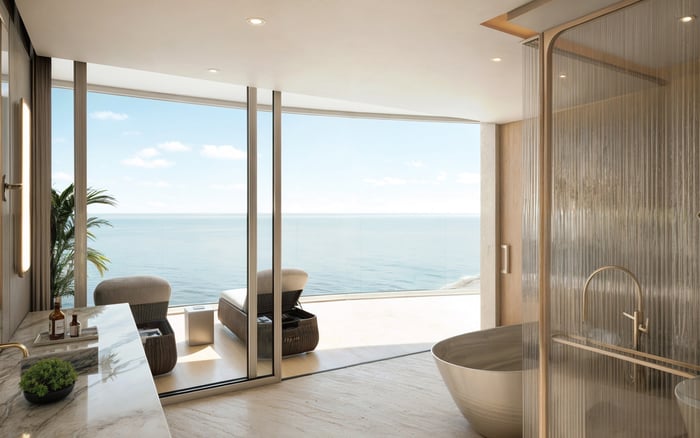
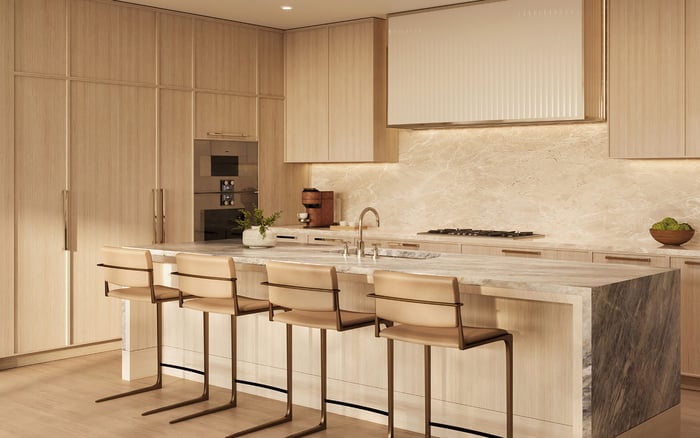
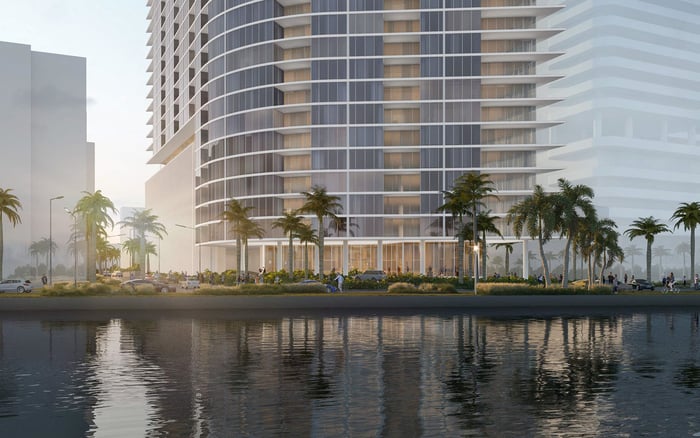
A buyer-focused comparison of Shorecrest Flagler Drive West Palm Beach and Rivage Bal Harbour for private work-from-home use, advisor visits, balcony rules, outdoor-kitchen diligence, and terrace weather tolerance.
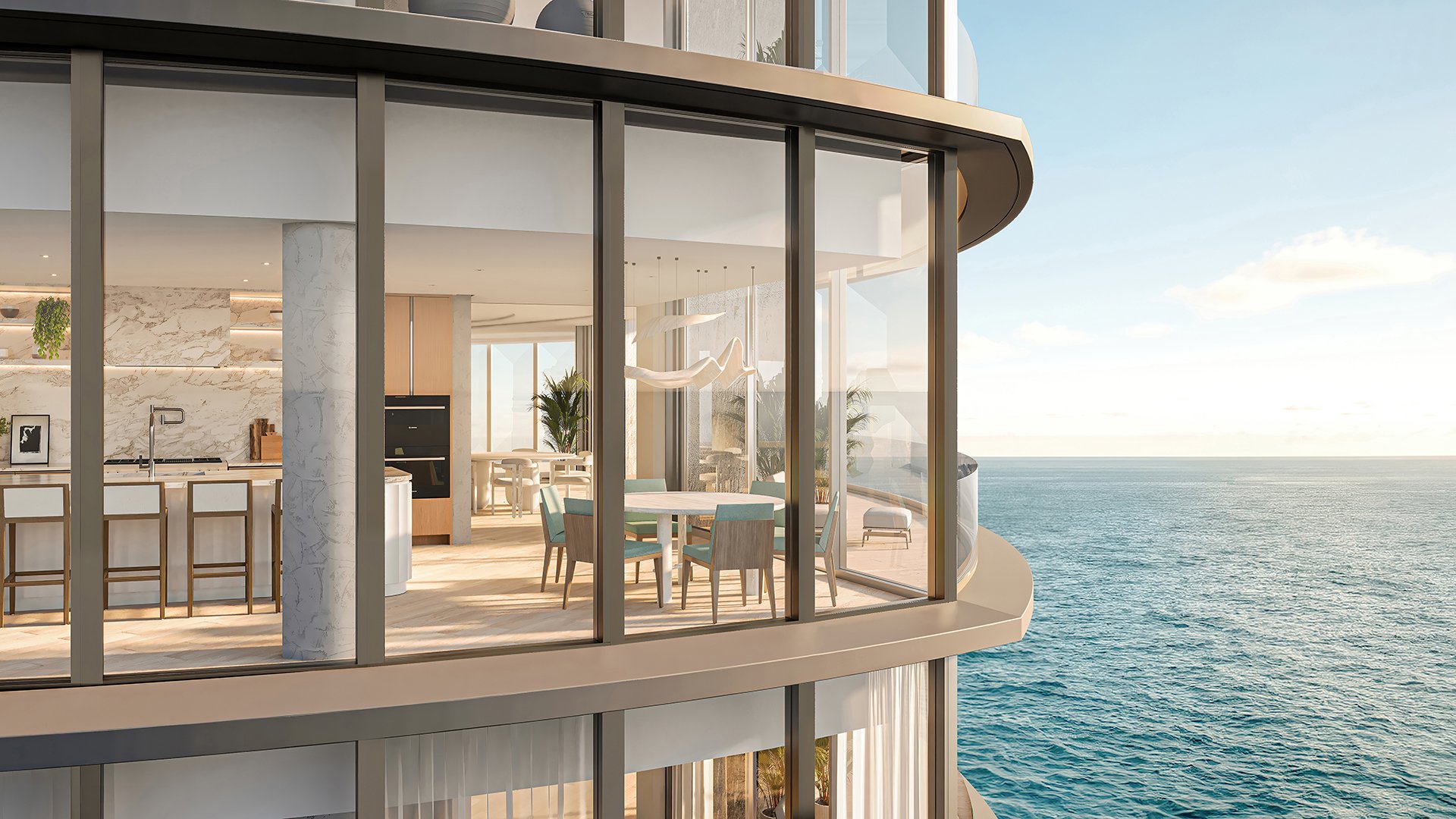
For buyers weighing Shorecrest Flagler Drive West Palm Beach against Rivage Bal Harbour, the defining terrace question is not which residence feels more glamorous at sunset. It is whether the outdoor space can operate as a private, reliable extension of a home office during actual workdays. That requires a close look at balcony rules, outdoor-kitchen permissions, weather tolerance, privacy, and the practical choreography of hosting visiting advisors.
Shorecrest belongs to the Flagler Drive and West Palm Beach side of the decision. Its waterfront setting makes outdoor usability especially relevant for buyers who want Intracoastal-facing exposure, access to West Palm Beach, and a residence where terrace space may support quiet calls or informal meetings. Rivage Bal Harbour sits on the Bal Harbour side of the comparison, positioned as an ultra-luxury coastal residence where private terraces are part of the broader trophy-building experience, not incidental outdoor square footage.
This is ultimately a West Palm Beach versus Bal Harbour lifestyle decision as much as a building comparison. The disciplined buyer will test each terrace against daily use: morning calls, midday glare, late-afternoon heat, storm interruptions, privacy from neighbors, and the association rules that determine what can actually happen outside.
A beautiful terrace can become functionally limited if the governing documents restrict how it may be used. At Shorecrest, buyers who expect to take confidential calls outdoors should review balcony and terrace rules for permitted furniture, noise, business use, guest use, smoking, speakers, and after-hours activity. The issue is not whether a buyer imagines a discreet work setting. The issue is whether the condominium documents and rules allow the setup without friction.
At Rivage Bal Harbour, the same discipline applies, though the stakes may feel different because private terraces are central to the luxury proposition. Buyers should separate the aesthetic promise of a large coastal terrace from the enforceable rights in the declaration, bylaws, rules, and purchase documents. If a residence is being selected partly for advisor hosting, the terrace must be evaluated as a governed space, not as a private estate lawn.
For both buildings, diligence should be precise. Can a shaded seating group remain outside year-round? Are speakers restricted? Are guests allowed to use the terrace during evening advisory meetings? Are laptop sessions, video calls, or small business conversations treated differently from casual residential use? Is there any rule affecting privacy screens, umbrellas, planters, fans, or storage? The answers may determine which floor plan is truly suitable.
Remote buyers often overestimate the privacy of outdoor space. A terrace may feel secluded during a brief showing, then perform differently during a market call, family-office update, or legal conversation with advisors. At Shorecrest, buyers should test whether terrace depth, orientation, shade, wind exposure, and building rules support true office-adjacent use. A chair and a view are not the same as a secure, comfortable work zone.
Rivage Bal Harbour buyers should assess whether the outdoor environment can support calls, laptop sessions, and advisor meetings without excessive wind, glare, heat, or exposure. Privacy should be judged from multiple angles: neighboring units, amenity areas, beach activity, adjacent sightlines, and the sound path between outdoor seating areas. Door quality and acoustic separation also matter, because an indoor study may need to serve as the fallback when the terrace becomes too windy or too public.
The strongest setup is usually layered. The residence should offer an interior workspace for fully confidential calls, plus an outdoor area suitable for less sensitive conversations, casual advisor discussions, and short laptop sessions. Buyers should avoid treating any balcony as guaranteed business space until the rules, acoustics, and sightlines have been tested.
Outdoor kitchens can be one of the most seductive features in a coastal condominium, especially for buyers who host advisors, family members, or private dinners after work. They also require careful verification. At Shorecrest, diligence should include whether built-in grills, refrigeration, sinks, venting, gas or electric connections, and water lines are included, optional, or prohibited. If those features are not clearly documented, they should not be assumed.
At Rivage Bal Harbour, buyers should review condominium documents and sales materials for any limits on outdoor kitchens, grills, appliances, storage, service access, and terrace modifications. A marketing image may suggest a lifestyle, but the purchase documents determine whether appliances, cabinetry, utility connections, and ongoing maintenance responsibilities are actually permitted.
For work-from-home buyers, the outdoor-kitchen question is also about meeting flow. If a visiting advisor arrives for a late-afternoon review, can the terrace comfortably support a small dining table, shaded seating, refreshments, and a discreet conversation? At Shorecrest, that question must be balanced against balcony rules. At Rivage, it must be balanced against privacy, service logistics, and whether the terrace remains comfortable beyond ideal weather windows.
In South Florida, terrace value is inseparable from weather behavior. Shorecrest buyers should evaluate the terrace by time of day and season, including afternoon heat, summer storms, humidity, wind, and glare during video calls. An outdoor workspace that feels serene at 10 a.m. may become impractical during late-day sun or unsettled summer conditions.
Rivage buyers should focus on oceanfront exposure, salt air, wind, storm conditions, and the durability of outdoor work zones. The question is not whether the terrace is spectacular in perfect weather. It is whether it remains usable often enough to count as functional lifestyle space. Covered areas, privacy walls, door performance, shaded zones, and distance from neighboring outdoor seating can all affect whether a terrace supports quiet work or simply offers a beautiful backdrop.
Buyers at both properties should ask about exterior outlets, lighting, Wi-Fi coverage, screens, shades, fans, and approved enclosures. These details are not decorative. They determine whether a terrace can support a laptop, an evening call, a shaded advisor meeting, or a quick change of setting between intense work sessions.
Shorecrest may appeal to the buyer who wants a West Palm Beach waterfront setting and is willing to study terrace usability in relation to Intracoastal-facing exposure and urban convenience. The strongest Shorecrest buyer is not merely shopping for a view. This buyer is asking whether a terrace can hold a small meeting setup, a shaded seating area, or a dining table without conflicting with the building’s rules.
Rivage Bal Harbour may appeal to the buyer who wants a Bal Harbour luxury setting where terrace design is part of the overall residential experience and advisor-hosting environment. The strongest Rivage buyer is looking at trophy-building presence, private outdoor space, and the way the terrace contributes to the rhythm of a high-end coastal residence.
Neither option should be judged only by photographs. A disciplined buyer will visit at different times of day, stand where a call would occur, sit where an advisor would sit, and listen for sound from adjacent terraces or amenity areas. The final decision should come down to enforceable rights, weather-tested comfort, and whether the outdoor space improves the buyer’s workday rather than complicating it.
Before relying on any terrace as office-adjacent square footage, buyers should request the relevant condominium documents and confirm the rules affecting furniture, noise, guest use, business use, smoking, speakers, after-hours activity, and terrace modifications. They should also confirm which outdoor-kitchen features are included, optional, restricted, or prohibited.
The physical test is equally important. Measure where a table, two advisor chairs, a laptop, and shaded seating would actually fit. Check whether doors open cleanly around the setup. Test the Wi-Fi signal outside. Look for glare on a screen. Ask how wind behaves on the preferred line or floor. Confirm whether exterior lighting is sufficient for early evening use, and whether outlets are positioned where work would occur.
The best residence is the one that makes private work feel effortless. In this comparison, balcony rules and terrace weather tolerance are not secondary details. They are central to how Shorecrest Flagler Drive West Palm Beach and Rivage Bal Harbour should be compared by buyers whose home is also a confidential workplace.
Should I assume either building allows business calls on the terrace? No. Buyers should verify the condominium rules for business use, noise, guests, and after-hours activity before relying on outdoor space for confidential work.
Is Shorecrest better for a work-from-home buyer? Shorecrest may fit buyers who want a West Palm Beach waterfront setting, but terrace depth, shade, wind, rules, and privacy still require careful review.
Is Rivage Bal Harbour better for advisor hosting? Rivage may fit buyers seeking a Bal Harbour luxury environment, but privacy from neighbors, amenity areas, beach activity, and sightlines should be tested.
Can I count terrace space as office-adjacent square footage? Only after confirming it works in practice. The terrace must be comfortable, private, rule-compliant, shaded, connected, and usable in varied weather.
What balcony rules matter most for private calls? Review permitted furniture, noise limits, business use, guest use, smoking, speakers, after-hours activity, and any rules affecting privacy features.
What should I verify about outdoor kitchens? Confirm whether grills, refrigeration, sinks, venting, gas or electric connections, water lines, storage, and modifications are included or restricted.
Why does weather tolerance matter so much? Heat, humidity, storms, glare, wind, salt air, and seasonal exposure can determine whether a terrace is useful for work or only occasional leisure.
How should I test terrace privacy during a showing? Stand and sit where calls would happen, observe neighboring sightlines, listen for ambient sound, and check exposure from amenities or beach areas.
What terrace features help remote work? Covered areas, outlets, lighting, Wi-Fi reach, shade, fans, privacy walls, strong doors, and acoustic separation can make outdoor work more practical.
What is the safest way to compare the two? Compare enforceable rules, physical terrace usability, weather behavior, privacy, and the comfort of hosting advisors before weighing lifestyle appeal.
For a discreet conversation and a curated building-by-building shortlist, connect with MILLION.
If branded residences are on your mind — as a home or as an allocation — we would be glad to share what we are seeing, privately.
Begin a quiet conversation