A practical luxury buyer’s guide to terrace drainage diligence in Bal Harbour, focused on design intent, visible warning signs, building documents, ownership responsibilities and resale considerations.
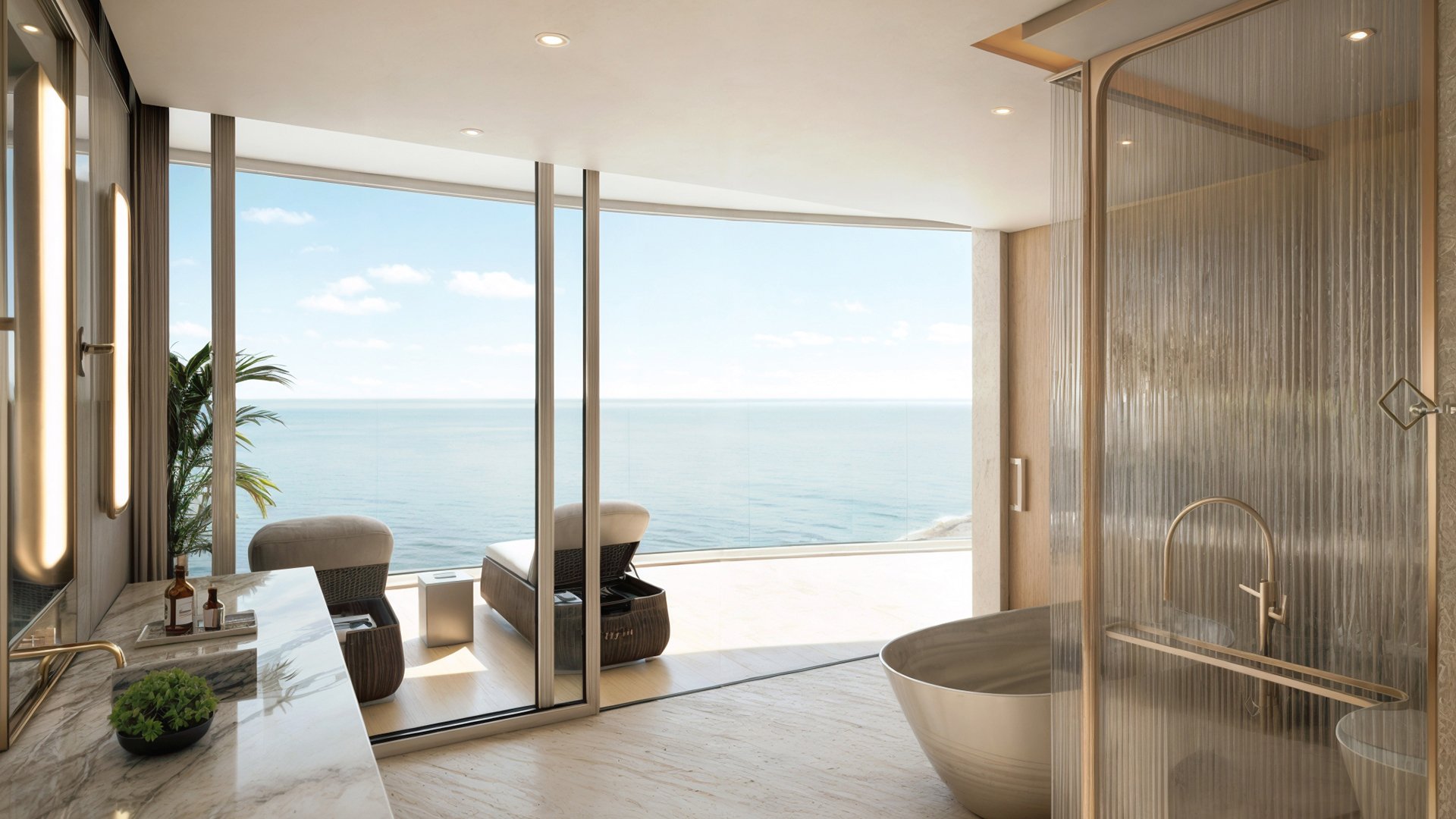
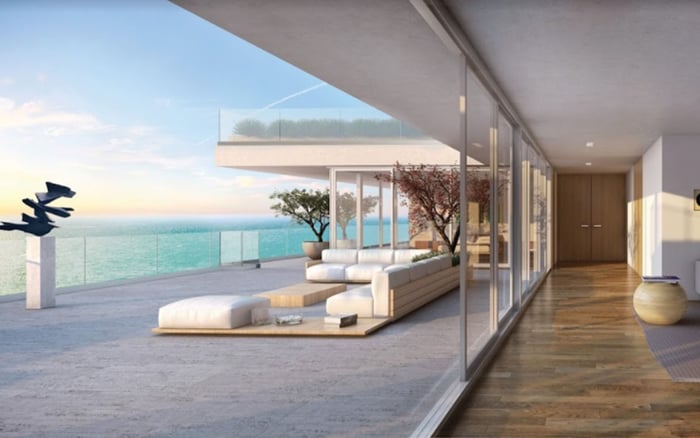
In Bal Harbour, a terrace is rarely a secondary amenity. It is the open-air living room, the breakfast salon, the sunset observatory and, in the most coveted residences, the emotional reason a buyer chooses one home over another. Yet the most seductive terrace is not always the safest one to acquire. Before marble pavers, planters, outdoor kitchens or collectible furniture enter the conversation, a buyer should ask a simpler question: where does the water go?
Terrace drainage is not glamorous, but it is one of the most revealing forms of due diligence in luxury coastal condominium ownership. A well-designed terrace should move water away from thresholds, walls and occupied spaces with quiet competence. A compromised one can create staining, nuisance repairs, interior moisture concerns, neighbor disputes and unexpected association conversations. The issue is not whether a terrace gets wet. It is whether the building, unit and ownership documents treat that water intelligently.
For buyers comparing Rivage Bal Harbour with established oceanfront inventory such as Oceana Bal Harbour, drainage diligence belongs beside view, service, privacy and finish quality. This is Bal Harbour terrace diligence, not merely balcony styling, especially for an oceanfront home where outdoor space carries real market weight.
Begin with design intent. Ask whether the terrace drains through surface drains, linear drains, scuppers, concealed assemblies or a combination of methods. Ask where the water ultimately discharges and whether any portion of that path passes through common elements, neighboring areas or concealed building systems. The goal is not to become an engineer during a showing. The goal is to understand whether the system has a clear logic.
A luxury terrace may be finished with stone, porcelain, pedestal pavers, decking or custom surfaces. Those finishes can conceal the true drainage plane below. Ask whether the visible surface is the waterproofing layer or simply a finish installed above it. If pavers sit on pedestals, ask whether the space beneath has been inspected, cleaned and maintained. If planters or outdoor kitchens were added after delivery, ask whether they were approved and whether they altered slope, drain access or load paths.
A terrace should not be evaluated only on a dry afternoon. If possible, request a visit after rain or ask for recent photos taken after a storm. Look for standing water that remains in the same location, discoloration at corners, efflorescence, swollen baseboards near thresholds, corrosion at railings, patched grout lines, lifted pavers or drains hidden beneath furniture. None of these signs automatically defeats a purchase, but each deserves a documented explanation.
In luxury real estate, verbal comfort is not the same as transferable confidence. Ask for records of terrace repairs, waterproofing work, drain cleaning, leak investigations, insurance claims, contractor invoices, permit files where applicable and board approvals for any alterations. If a seller installed planters, summer kitchens, built-in seating, pergolas or lighting, ask whether the work was formally reviewed by the association and whether future maintenance access was preserved.
The most important document may be the condominium declaration and its maintenance matrix. Buyers should know whether the terrace surface, waterproofing membrane, drains, railings, sliders, thresholds and structural components are considered unit owner responsibilities, association responsibilities or shared responsibilities. A terrace can feel private while remaining technically tied to common systems. That distinction matters when a repair is urgent, expensive or disruptive.
At nearby boutique and waterfront properties such as The Delmore Surfside and Bay Harbor Towers, the same principle applies: exterior living space is most valuable when its boundaries are clearly understood. A buyer should not wait until closing week to learn who may approve work, who pays for access and who controls the repair schedule.
Terraces evolve. Owners add heavier furniture, decorative gravel, irrigation, planters, privacy screens, kitchens, fire features and shade systems. Each addition can be tasteful and appropriate, yet each may also affect drainage if it blocks a low point, traps debris or directs water toward a threshold. Ask for a complete inventory of terrace modifications and confirm that the visible design matches the approved design.
Pay special attention to landscaping. Planters can soften a residence beautifully, but irrigation lines, root systems, soil loads and clogged drain paths can introduce maintenance concerns. Ask whether planters are freestanding or integrated, whether they have independent drainage and whether any overflow is directed toward terrace drains. If there is an outdoor kitchen, ask how cleaning water, rainwater and equipment condensation are handled.
Sliders and thresholds deserve their own inspection. The transition from interior flooring to exterior terrace is where architecture, weather and daily living meet. Ask whether there have been prior leaks at doors, whether tracks drain properly and whether any interior flooring replacement was related to moisture. A flawless great room can still conceal a history that only careful questions reveal.
A single terrace is part of a larger building discipline. Ask how often terrace drains are inspected or cleared, whether the association has written protocols before storms, whether owners receive reminders about keeping drains accessible and whether management documents terrace-related incidents. A refined building should treat water management as routine stewardship rather than crisis response.
For high-service coastal living, the quality of operations matters as much as the specifications. A building may have elegant architecture and attentive staff, yet still rely on owners to keep private terrace areas clear. Ask whether housekeeping teams, maintenance teams or outside vendors are permitted to access terrace drains and under what notice requirements. If a unit is used seasonally, confirm how the terrace is monitored when the owner is away.
In towers and full-service residences from Bal Harbour to Sunny Isles, including The Ritz-Carlton Residences® Sunny Isles, buyers should distinguish service polish from technical responsibility. The staff may be excellent, but the governing documents still control who must maintain, repair and pay.
A general home inspection is useful, but a significant terrace may require more specialized eyes. Depending on the property, a buyer may want a building envelope consultant, waterproofing specialist, structural engineer or contractor experienced with condominium terraces. The review should be coordinated with the association and seller so that invasive testing is not assumed and access rules are respected.
A specialist can evaluate slope, drain placement, surface condition, membrane clues, railing penetrations, door thresholds and evidence of prior repairs. They can also identify questions that should be answered by building management rather than guessed by the buyer. In a premium transaction, the cost of a targeted review is modest compared with the value of certainty.
Ask your advisor to make the drainage questions part of the offer strategy. If documents are unavailable, timelines are tight or terrace modifications appear undocumented, the contract should preserve enough room for review. A spectacular view should not pressure a buyer into accepting technical ambiguity.
The best terrace is not merely beautiful today. It is defensible tomorrow. Future buyers will ask many of the same questions, especially in the luxury segment, where outdoor living space can materially influence desire. If you cannot explain the drainage system, maintenance history and responsibility structure now, your future buyer may hesitate later.
Good diligence can become an ownership advantage. Keep records of drain cleaning, approved alterations, repairs, inspections and association communications. Avoid placing furniture or planters over drains. Photograph the terrace after major weather events. Treat small symptoms early, before they become complicated narratives.
Bal Harbour buyers often focus on view corridors, privacy, security, service and architectural pedigree. Those qualities matter. But the enduring luxury of a terrace is the ability to use it without concern. Drainage is the hidden infrastructure of that ease.
What is the first terrace drainage question to ask before buying? Ask how water is intended to leave the terrace and whether that path has been maintained, repaired or altered.
Should I worry if water remains on the terrace after rain? Persistent ponding in the same area deserves review, especially near thresholds, walls, drains or railings.
Are terrace drains usually private or common elements? The answer depends on the condominium documents, so buyers should review the declaration and maintenance matrix.
Can planters create drainage problems? Yes, if they block drains, add unmanaged irrigation, trap debris or redirect water toward the residence.
Should I inspect beneath pedestal pavers? If access is permitted, the area below finished pavers can reveal debris, drainage paths and signs of prior work.
Who should review a large luxury terrace? A qualified inspector may be enough for simple conditions, but major terraces can merit a waterproofing or envelope specialist.
What documents should I request from the seller? Ask for repair records, alteration approvals, contractor invoices, warranties and any correspondence about leaks or drainage.
Can a beautiful terrace still have hidden risk? Yes, premium finishes can conceal slope issues, blocked drains, membrane concerns or undocumented modifications.
Does terrace drainage affect resale value? It can affect buyer confidence, negotiation leverage and the perceived quality of outdoor living space.
What is the best way to shortlist comparable options for touring? Start with location fit, delivery status, and daily lifestyle priorities, then compare stacks and elevations to validate views and privacy.
For a tailored shortlist and next-step guidance, connect with MILLION.
If branded residences are on your mind — as a home or as an allocation — we would be glad to share what we are seeing, privately.
Begin a quiet conversation