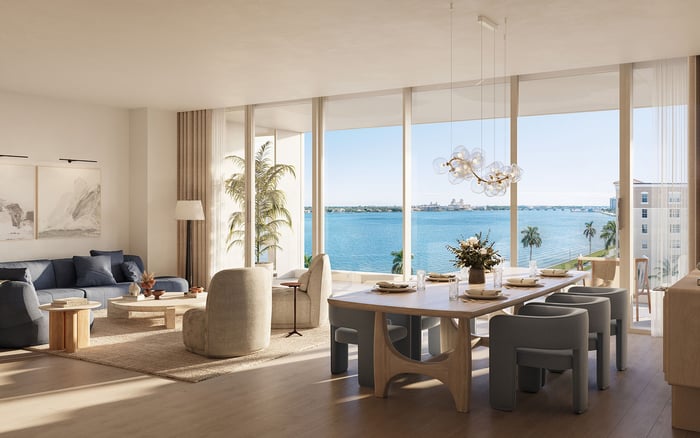
A discreet due-diligence guide to summer-kitchen ventilation at Shorecrest Flagler Drive West Palm Beach, focused on ownership, control, maintenance, renovation approval, and resale risk.

At Shorecrest Flagler Drive West Palm Beach, the summer kitchen is more than a lifestyle amenity. It is also a technical and ownership question that can affect renovation control, maintenance obligations, insurance posture, and eventual resale value. On a private terrace, the visible elements are easy to appreciate: the grill, cabinetry, refrigeration, sink, ice maker, stone surfaces, and the seamless transition between indoor entertaining and open-air living. The more consequential question is often hidden from view.
Who owns and controls the ventilation infrastructure that makes the summer kitchen workable?
For a buyer, that question should not be reduced to who paid for the grill or who uses the terrace. The answer may turn on exhaust ducts, hoods, fans, exterior terminations, wall penetrations, shared mechanical chases, waterproofing conditions, and any building systems serving more than one residence. A balcony or terrace may feel private, but condominium ownership is defined by documents, boundaries, and systems rather than intuition.
Luxury buyers often evaluate outdoor kitchens through a hospitality lens: Can dinner be prepared outside, will smoke clear properly, and does the terrace function as a true outdoor room? Counsel and technical consultants tend to ask a different set of questions. Is the exhaust system dedicated to one unit or shared? Does the duct pass through a common wall, slab, ceiling, or chase? Is there a roof fan or exterior-wall termination? Does the association control the penetration through the building envelope?
Those distinctions matter because a summer-kitchen ventilation element may be characterized as part of the unit, a common element, a limited common element, or an association-controlled building system. Each classification can create different rights and responsibilities. A unit owner may control the appliance and cabinetry, yet still need association approval before touching a duct, termination, fan, sleeve, fire-rated assembly, waterproofing detail, or exterior wall condition.
In a West Palm Beach condominium setting, this is not a minor technicality. The terrace can be part of the value proposition, and buyers often view outdoor cooking as central to daily use. If the ventilation system is limited, shared, difficult to service, or subject to strict association control, the practical value of the summer kitchen can change.
The most useful due-diligence exercise is to separate the visible kitchen from the hidden ventilation path. The visible package may include the grill, side burner, undercounter refrigerator, sink, ice maker, cabinetry, and finish materials. The hidden package may include the exhaust hood, ductwork, inline or remote fans, dampers, grease pathways, electrical connections, mechanical chases, exterior discharge points, and any penetrations through walls, slabs, ceilings, or the exterior envelope.
A dedicated duct serving only one residence may invite one type of analysis. A shared exhaust riser, common mechanical chase, or roof-mounted fan may invite another. An exterior-wall termination can raise additional questions because the building envelope is often more tightly controlled than interior finish work. Even a small penetration can carry implications for waterproofing, fire safety, corrosion control, and responsibility for future repairs.
This is why buyers should not assume that terrace equipment is entirely private simply because it sits within a residence’s outdoor area. The documents and mechanical design should be read together. The most elegant terrace can still depend on infrastructure that is not fully within the owner’s unilateral control.
For Shorecrest buyers, the safest path is a layered review rather than a single yes-or-no assumption. The condominium declaration should be examined alongside recorded plats, unit-boundary definitions, common-element definitions, limited-common-element schedules, plans, and association rules. The key is to understand where the unit ends, where the association’s control begins, and how terrace systems are treated when they cross boundary lines.
The declaration may define the unit by finished surfaces, structural components, or other boundary conventions. The plats and plans may show whether the relevant terrace area, walls, ceilings, shafts, or chases are inside the unit, outside the unit, or subject to limited use rights. Rules and architectural guidelines may address grills, smoke, grease, noise, exterior appearance, alterations, maintenance access, and permitted equipment types.
The mechanical plans are equally important. A summer kitchen with a dedicated downdraft system may present a different ownership profile than a kitchen tied into a shared riser or remote fan. The location of the fan, the duct route, and the point of exterior termination can all shift the practical answer. Buyers should also ask how access is achieved for cleaning, repair, replacement, and emergency conditions.
Ventilation systems do not remain static. Over time, they may require cleaning, repair, corrosion control, waterproofing attention, and eventual replacement. In a coastal environment, exposure, moisture, and salt air can make maintenance planning especially important. The question is not only who enjoys the amenity, but who pays when the system needs attention.
If ventilation components are unit-owned, the owner may bear maintenance and replacement obligations, subject to association approval for work affecting shared or exterior elements. If they are common or limited common elements, the association may have maintenance authority, with costs allocated according to the governing documents. If the system is shared, one owner’s use or alteration can affect others, making access, cleaning, and enforcement more sensitive.
Liability is another reason to investigate early. Smoke damage, grease buildup, fire risk, water intrusion, and failed penetrations can create disputes that are expensive to resolve after closing. A buyer who intends to cook frequently outdoors should understand whether the system is designed, approved, maintainable, and enforceable as represented. A buyer who expects to renovate should understand whether changes are possible at all.
Documents are foundational, but practice after turnover can matter as well. Maintenance history, prior approvals, enforcement patterns, and repair protocols can reveal how responsibility is handled day to day. If owners have previously modified summer-kitchen ventilation, the approval file may be instructive. If the association has required specific contractors, inspection steps, cleaning intervals, or waterproofing details, those practices can shape the buyer’s expectations.
This is not a substitute for legal review. It is a practical recognition that condominium living is governed by both recorded rights and operational precedent. A well-advised buyer should ask whether any prior issues have involved smoke complaints, grease accumulation, failed penetrations, fan noise, water intrusion, exterior staining, or access disputes. The answers can clarify whether the summer kitchen is a straightforward amenity or a more complex building-system responsibility.
The most prudent conclusion is not that the ventilation system belongs entirely to the owner or entirely to the association. The prudent conclusion is that the answer must be verified through Shorecrest-specific condominium documents, mechanical plans, association rules, and professional review. The more the ventilation pathway touches shared systems, exterior walls, slabs, chases, or roof equipment, the more careful the buyer should be.
For a luxury buyer, this is not about dampening enthusiasm. It is about protecting the experience that made the residence desirable in the first place. A terrace kitchen should perform beautifully, remain serviceable, and transfer cleanly at resale. That requires understanding the invisible infrastructure behind the appliance package.
Florida condominium counsel can interpret the ownership documents. A qualified mechanical or code consultant can evaluate the system path, equipment, termination, and serviceability. Together, they can help a buyer understand what may be altered, who must approve it, who maintains it, and how risk is allocated.
Does the grill automatically belong to the unit owner? Not necessarily. The appliance may be private, while ducts, fans, penetrations, or exterior terminations may be treated differently.
Can a Shorecrest owner change a summer-kitchen hood without approval? The answer depends on the governing documents and system design. Any work affecting ducts, chases, exterior walls, or shared systems should be reviewed before alteration.
Why is a wall penetration so important? A penetration can implicate waterproofing, fire separation, exterior appearance, and common-element control. Even a small opening may require association approval.
What documents should a buyer request? Buyers should review the declaration, plats, unit-boundary language, common-element definitions, limited-common-element schedules, plans, and rules.
Could ventilation ownership affect resale? Yes. Buyers may value a terrace kitchen more highly when it is functional, code-compliant, maintainable, and clearly documented.
Who pays for cleaning or repairs? Responsibility depends on whether the component is unit property, common property, limited common property, or association-controlled infrastructure.
Does a shared exhaust riser change the analysis? It can. Shared systems often create stronger association control and more complex maintenance and approval obligations.
Should buyers ask about association history? Yes. Prior approvals, maintenance records, enforcement patterns, and past complaints can reveal how responsibility is handled in practice.
Is this issue limited to Shorecrest? No. Similar questions can arise in any luxury condominium where outdoor kitchens rely on concealed ventilation infrastructure.
Is this legal advice? No. Buyers should consult Florida condominium counsel and a qualified mechanical or code consultant for project-specific guidance.
If you'd like a private walkthrough and a curated shortlist, connect with MILLION.
If branded residences are on your mind — as a home or as an allocation — we would be glad to share what we are seeing, privately.
Begin a quiet conversation