A buyer’s guide for New Yorkers evaluating South Florida residences through the lens of building culture, daily rhythm, privacy, amenities and full-time livability.
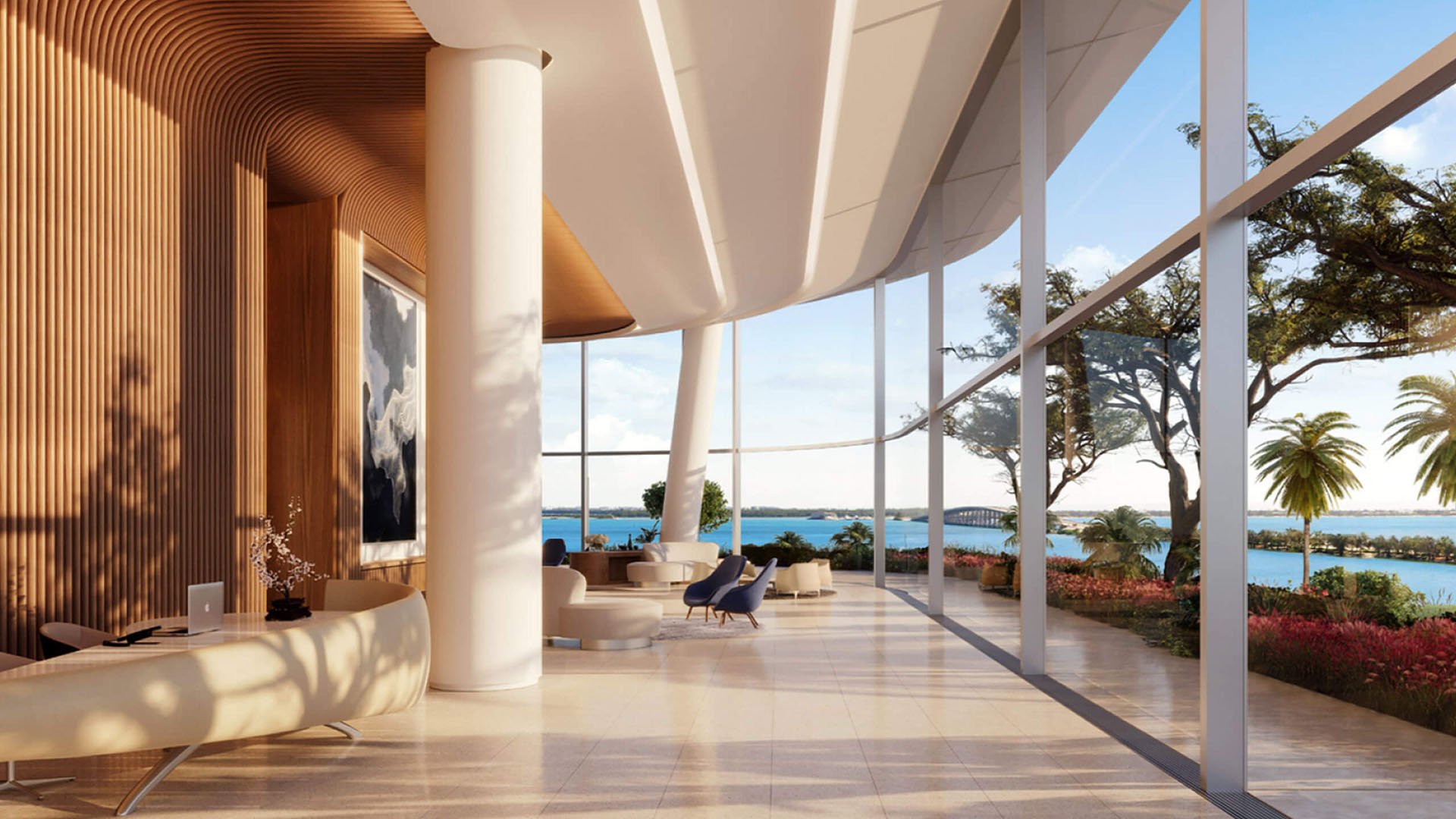
For many Brooklyn buyers, the South Florida decision begins with sunlight, space and tax-season conversations. The lasting choice, however, is usually more intimate: building culture. A residence may photograph beautifully and still feel wrong if its daily rhythm does not suit the way a household actually lives.
In New York, a building’s culture often reveals itself in small cues: the tone of the lobby, the discretion of the staff, whether neighbors linger or disappear, how packages are handled, how dogs move through common spaces, and whether the elevator ride feels social or anonymous. Those same cues matter in South Florida, but the setting raises the stakes. Terraces, pools, wellness areas, valet courts, marinas, club rooms and private dining spaces become part of the household ecosystem.
The question is not simply whether to choose Boca Raton, Brickell, Coconut Grove, Fort Lauderdale or West Palm Beach. It is whether the building will support full-time life after the initial pleasure of arrival has faded.
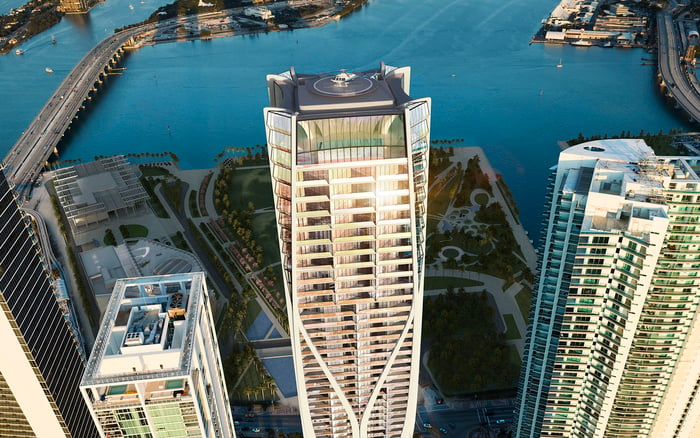
A Brooklyn household accustomed to walkable errands, neighborhood restaurants and an active lobby may find Brickell familiar in energy, even if the skyline and climate are unmistakably different. A residence such as Baccarat Residences Brickell speaks to buyers who want a highly serviced urban address with a polished arrival and ready access to the city’s business and dining rhythm.
That pace is not for everyone. Some buyers want South Florida to feel like an exhale. They are less interested in vertical intensity and more focused on quiet mornings, outdoor meals, low-friction parking, room for visiting family and a neighborhood where days can unfold without constant scheduling.
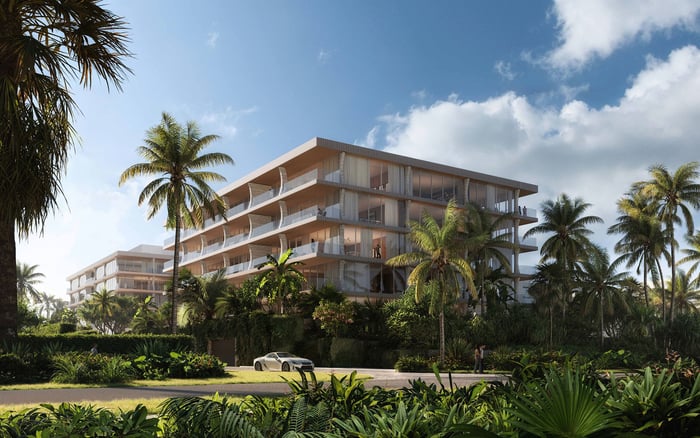
This is where Boca Raton becomes especially compelling. Its appeal for full-time living is not limited to private-club shorthand or a manicured sense of order. It is the sense that life can be elegant without becoming performative. At Alina Residences Boca Raton, the buyer conversation naturally centers on calm, service, design and proximity to the everyday pleasures that make a primary residence feel grounded.
In South Florida, amenities can be abundant, but culture is revealed by how they are used. A pool deck may be serene at noon and social by late afternoon. A fitness center may feel like a private wellness studio or a hotel gym. A residents’ lounge may operate as a true extension of home, or it may sit beautifully staged and rarely inhabited.
Full-time buyers should observe the building as they would a co-op or condominium in Brooklyn, but through a Florida lens. Who is present on weekday mornings? Do residents greet staff by name? Are children, guests and pets accommodated gracefully? Does the valet court remain composed during busy hours? Is there a sense of privacy around arrivals and departures?
A building’s culture is not good or bad in the abstract. It is right or wrong for you. Some buyers want a quiet, discreet environment where neighbors are known but not intrusive. Others enjoy a building with a social current, especially if they are relocating without an established local circle. The distinction is essential.
The resort-residential category has obvious appeal, particularly for buyers leaving dense urban life. The promise is seductive: service, wellness, dining, pool life and a sense of vacation at home. Yet full-time living requires a more disciplined reading.
Ask whether the amenity mix supports ordinary days. A spa is valuable if it becomes part of a weekly routine. Private dining is meaningful if it solves real entertaining needs. Guest suites, if available, matter most when family visits frequently. A children’s space, dog-friendly circulation, storage and service elevators may have more daily impact than a dramatic rendering.
In Boca Raton, The Residences at Mandarin Oriental Boca Raton may appeal to buyers who want hospitality associations and a recognizable service language while still orienting their purchase around a settled South Florida lifestyle. The key is to separate the pleasure of being hosted from the requirements of living well every day.
Coconut Grove often resonates with Brooklyn buyers who do not want to give up texture. Its appeal is less about height and spectacle than canopy, village atmosphere and a more residential cadence within Miami. For buyers who want design, greenery and a softer daily tempo, Four Seasons Residences Coconut Grove offers a relevant reference point for a full-time lifestyle shaped around service and setting rather than pure urban velocity.
Fort Lauderdale can suit buyers who want waterfront ease, boating adjacency, beach access or a less compressed urban experience while remaining connected to a larger regional network. West Palm Beach offers another version of the full-time equation, with a polished city center, cultural conveniences and proximity to Palm Beach’s established social world. Mr. C Residences West Palm Beach fits buyers weighing hospitality-inflected living in a downtown environment that still feels manageable.
The most successful relocations tend to begin with household identity. Are you urban by habit, coastal by temperament, club-oriented, wellness-driven, family-centered, boating-focused or privacy-first? The answer should narrow the map before finishes or views enter the conversation.
A seasonal home can be chosen for delight. A primary residence must be chosen for repeatability. That means looking past the best hour of the day and asking how the building functions on an ordinary Tuesday.
Consider the commute patterns of the people who will actually live there. Consider where groceries come from, where the dog goes out, how often guests will arrive, whether a second car is practical, and where children or grandchildren will spend time. Evaluate whether the building’s rules feel protective or restrictive. Ask how deliveries, contractors, housekeepers, trainers and private chefs are managed, because these interactions shape the household’s day-to-day experience.
Lifestyle should not be treated as a decorative word. In luxury real estate, lifestyle is operational. It is the sum of service, privacy, movement, sound, storage, sunlight, views, neighbors and neighborhood rhythm.
Brooklyn buyers often bring a useful sophistication to this decision. They understand that a building is a social organism. They know the difference between good design and livable design. They are sensitive to sound, circulation, staff culture and the unspoken codes of shared space.
That sensibility translates well to South Florida. The best move is not to abandon urban discernment, but to adapt it. In Brooklyn, one might study the block, the lobby, the elevator and the board culture. In South Florida, add the pool deck, valet sequence, terrace exposure, storm protocols, amenity etiquette and the balance between residents and guests.
Boca Raton may ultimately be the answer for buyers seeking composure and continuity. Brickell may be right for those who still want a metropolitan pulse. Coconut Grove may suit those who want atmosphere and greenery. Fort Lauderdale and West Palm Beach may offer a middle path for buyers who want coastal life with urban conveniences. The right building culture is the one that makes the new life feel natural, not staged.
What does building culture mean in South Florida luxury real estate? It refers to the daily rhythm of a residence, including service style, resident interaction, amenity use, privacy and the overall tone of shared spaces.
Why should Brooklyn buyers focus on culture instead of only location? Location determines access, but culture determines how the building feels every day. For a primary home, that daily experience is decisive.
Is Boca Raton better for full-time living than Miami? It depends on the household. Boca Raton often appeals to buyers seeking calm and order, while Miami may suit those who want stronger urban energy.
How should I evaluate amenities for year-round use? Prioritize amenities that support your actual routines, such as wellness, dining, guest needs, pet circulation, storage and outdoor living.
Does a branded residence always have a more formal culture? Not always. Branding can suggest a service language, but the lived culture depends on management, residents, rules and daily operations.
What should I observe during a building tour? Watch the lobby, valet, elevators, staff interactions, pool deck and resident behavior. These details reveal more than finishes alone.
Is Brickell too urban for buyers leaving Brooklyn? For some buyers, Brickell feels comfortably familiar because of its density and pace. Others may prefer a quieter coastal or village-like setting.
Why consider Coconut Grove for a full-time move? Coconut Grove can offer a softer residential rhythm with greenery, design character and proximity to Miami’s core without feeling overly vertical.
How do Fort Lauderdale and West Palm Beach fit into the decision? Fort Lauderdale may suit waterfront and boating-oriented buyers, while West Palm Beach can appeal to those seeking polish, convenience and scale.
What is the simplest test for choosing the right building? Imagine a normal weekday, not a holiday weekend. If the building supports that day beautifully, it is likely worth serious consideration.
When you're ready to tour or underwrite the options, connect with MILLION.
If branded residences are on your mind — as a home or as an allocation — we would be glad to share what we are seeing, privately.
Begin a quiet conversation