A discreet buyer’s checklist for evaluating acoustic privacy at Muse Residences Sunny Isles Beach, from STC and IIC ratings to unit orientation, building systems, house rules, and resale due diligence.
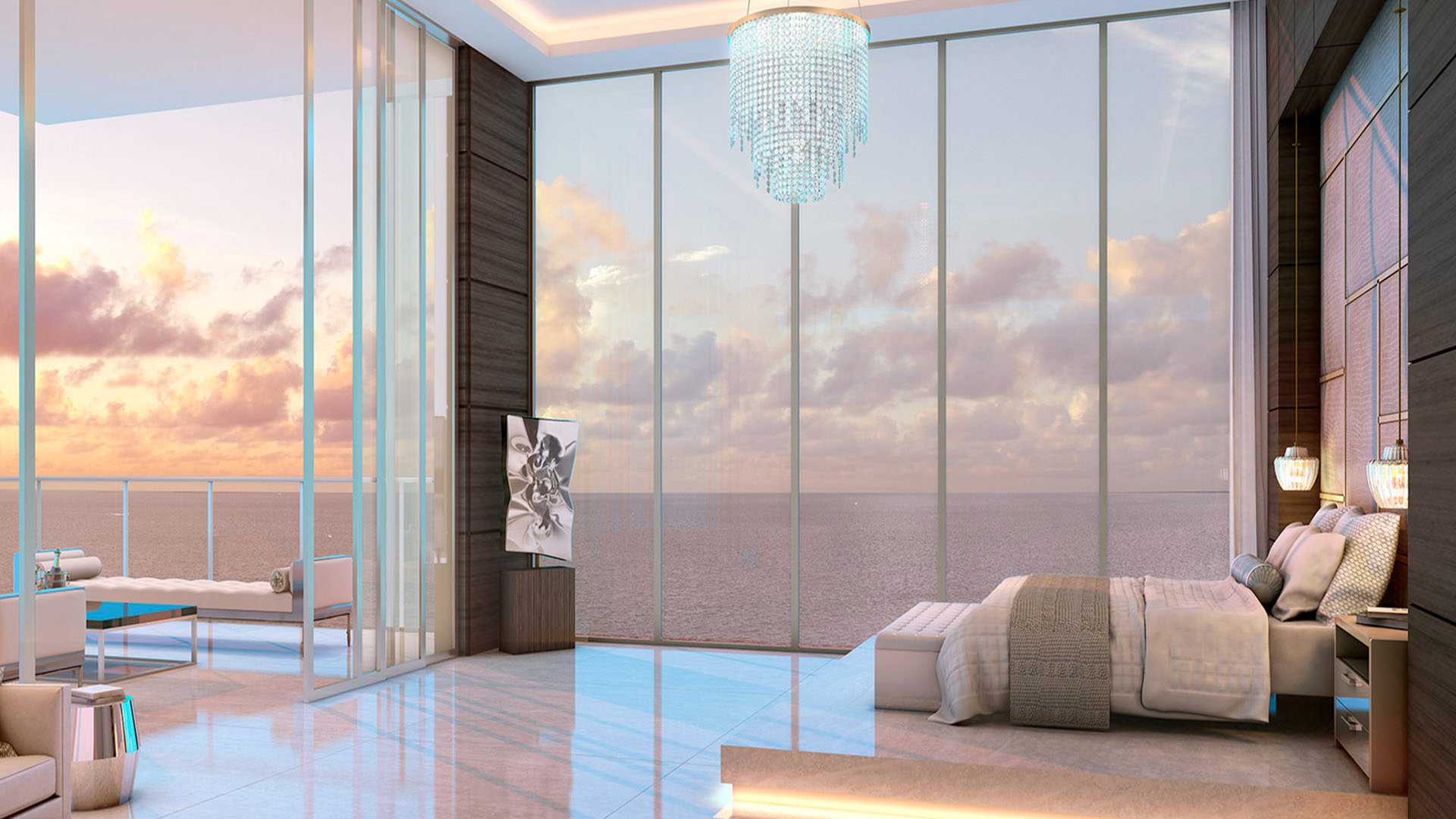
At the top end of Sunny Isles Beach, silence is not merely the absence of noise. It is a form of privacy, a marker of construction quality, and a daily amenity that becomes more valuable the longer one lives with it. For buyers considering Muse Residences Sunny Isles Beach, the acoustic review should be as deliberate as the evaluation of views, finishes, service, and building condition.
The right question is not simply whether a residence feels quiet during a single showing. It is whether the specific home, on its specific floor, with its specific orientation and neighbors, is protected from three categories of sound: exterior noise, neighbor-to-neighbor transmission, and building-system noise. A true buyer’s guide approach treats acoustic privacy as due diligence, not ambience.
Ask how many residences share each floor, then study the plan with particular attention to primary bedrooms, living rooms, offices, media rooms, and nurseries. The goal is to understand whether sensitive rooms are positioned against quieter buffers or placed beside neighboring living areas, corridors, elevator zones, trash rooms, service spaces, or vertical shafts.
In an oceanfront tower, the view may dominate the first impression, but the floor plan often defines the acoustic experience. A bedroom buffered from elevators and corridors can live very differently from one beside active circulation. A media room adjoining a neighbor’s bedroom can create concerns in both directions. Buyers comparing Muse with other Sunny Isles choices, such as Bentley Residences Sunny Isles or St. Regis® Residences Sunny Isles, should apply the same plan-level discipline rather than relying on brand positioning alone.
Marketing language can describe serenity, but documents explain how sound is controlled. Ask for acoustic specifications for demising walls, corridor walls, floor-ceiling assemblies, and any party walls adjoining elevators, trash rooms, mechanical areas, or service spaces. The key is to determine whether assemblies were designed merely to satisfy minimum requirements or to support a higher standard of luxury-level acoustic privacy.
Ask specifically for Sound Transmission Class, or STC, ratings for walls and glazing. STC is especially relevant around bedrooms, offices, media rooms, and corridor-adjacent spaces. Also ask for Impact Insulation Class, or IIC, ratings for the floor-ceiling system, since IIC addresses footfall, dropped objects, furniture movement, and other impact sounds from residences above.
A buyer does not need to become an acoustical engineer, but the buyer’s advisory team should be able to interpret whether the disclosed ratings align with the intended use of the home. A quiet primary suite, for example, deserves a more rigorous review than a secondary storage zone.
Design specifications matter, but actual performance can vary after construction, renovations, flooring changes, door adjustments, and normal building wear. Ask whether post-construction field acoustic tests were performed, and request the actual reports if they exist. The practical difference between a stated assembly rating and measured in-place performance can be meaningful.
Field testing may help identify how walls, slabs, glazing, doors, and penetrations perform together. Even when test reports are not available, the request itself tends to sharpen the conversation. It moves the discussion from general luxury language to verifiable comfort.
For resale purchases, this step becomes more important. A prior owner may have changed flooring, added built-ins, modified doors, or completed mechanical work. Ask what was altered, whether approvals were obtained, and whether any upgrades were designed to improve acoustic performance.
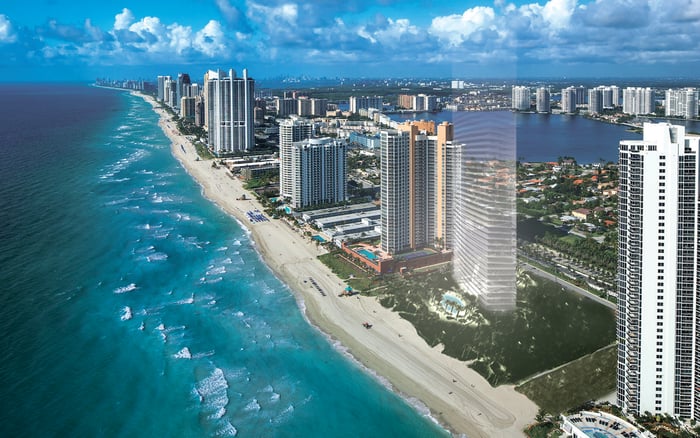
Sunny Isles Beach has multiple sound environments. Ocean-facing residences may experience waves, wind, and storm conditions differently than western exposures, where Collins Avenue traffic and surrounding building systems may be more relevant. Neither side is automatically better; each should be evaluated in person.
Ask whether exterior glazing and balcony doors were selected for acoustic control in addition to hurricane, wind, and energy performance. In coastal high-rise living, glazing is a complex envelope decision. A door that performs well structurally should also close, seal, and operate in a way that supports interior calm.
Visit the exact residence at different times of day. Weekday traffic periods, evening amenity hours, windy days, and high-surf conditions can each reveal something different. A short midday tour may not expose corridor use, deliveries, social activity, traffic peaks, or weather-related sound.
Some of the most consequential sound issues in luxury towers come from systems rather than people. Ask whether mechanical systems, elevators, plumbing risers, pumps, generators, trash chutes, and HVAC equipment are acoustically isolated from residences. The issue is not only airborne sound, but also vibration and intermittent equipment cycling.
Review the location of mechanical rooms, shafts, amenity decks, elevators, and service functions in relation to the specific unit. Ask whether the primary bedroom is buffered from vertical shafts and whether living areas sit above, below, or beside active building uses. Buyers considering nearby high-end alternatives such as The Ritz-Carlton Residences® Sunny Isles or established Sunny Isles towers such as Jade Signature Sunny Isles Beach should apply this same scrutiny across every candidate property.
House rules can be as important as construction details. Ask whether the condominium rules address amplified music, balcony noise, contractor hours, pet noise, amenity events, deliveries, and move-ins. These rules indicate how the building manages predictable sources of sound after closing.
Also ask management whether there is a history of noise complaints involving neighbors, equipment, amenity areas, corridors, elevators, or service operations. The point is not to search for perfection, but to understand patterns. A well-managed building should have procedures, documentation, and a practical framework for resolving issues.
Request condominium documents, house rules, architectural guidelines, engineering materials, and maintenance logs that may reveal how acoustic comfort is managed in practice. If planned nearby construction, façade work, amenity upgrades, or mechanical replacements are anticipated, ask how those activities may affect daily life after purchase.
If the seller has completed acoustic upgrades, ask for details. Secondary glazing, door seals, underlayment, wall treatments, and mechanical vibration mitigation can all matter, but they should be documented. Improvements to floors, ceilings, exterior doors, windows, or mechanical systems may require condominium association approval, and a buyer should understand those requirements before waiving diligence.
The most elegant outcome is not necessarily a residence that needs no improvement. It is a residence where the buyer understands the baseline, the rules, the approval process, and the realistic options for refinement. In luxury real estate, quiet should feel effortless, but the decision to buy it should be exacting.
What is the first acoustic question to ask at Muse Residences Sunny Isles Beach? Start by asking how many residences share the floor and whether bedrooms or living areas share walls with neighbors, corridors, elevators, or service zones.
Why do STC ratings matter? STC ratings help evaluate airborne sound transmission through walls and glazing, especially around bedrooms, offices, media rooms, and corridor-adjacent spaces.
Why do IIC ratings matter? IIC ratings help assess impact noise through floor-ceiling assemblies, including footfall, dropped objects, and furniture movement from above.
Should I rely on a quiet showing? No. Visit the exact residence at different times, including traffic periods, evening amenity hours, and windy or high-surf conditions if possible.
Does ocean-facing always mean quieter? Not necessarily. Ocean-facing homes may experience wind and surf, while western exposures may be more affected by traffic or nearby building systems.
What documents should I request? Ask for acoustic specifications, field test reports if available, condominium rules, architectural guidelines, engineering materials, and maintenance logs.
Can building systems affect acoustic privacy? Yes. Elevators, risers, pumps, generators, trash chutes, HVAC equipment, and mechanical rooms should be reviewed in relation to the specific residence.
Are seller upgrades important? Yes. Ask whether secondary glazing, door seals, underlayment, wall treatments, or vibration mitigation were installed and approved.
Do association rules affect future acoustic improvements? They can. Changes to floors, ceilings, exterior doors, windows, or mechanical systems may require condominium association approval.
Is acoustic privacy a resale concern? Yes. Quiet, well-documented residences can be easier to evaluate, especially for buyers who value privacy, sleep quality, and discretion.
For a discreet conversation and a curated building-by-building shortlist, connect with MILLION.
If branded residences are on your mind — as a home or as an allocation — we would be glad to share what we are seeing, privately.
Begin a quiet conversation