Acoustic privacy is an understated cost driver in South Florida full-service towers, shaping livability, renovation risk, long-term value and the way a residence performs beyond its view and service package.
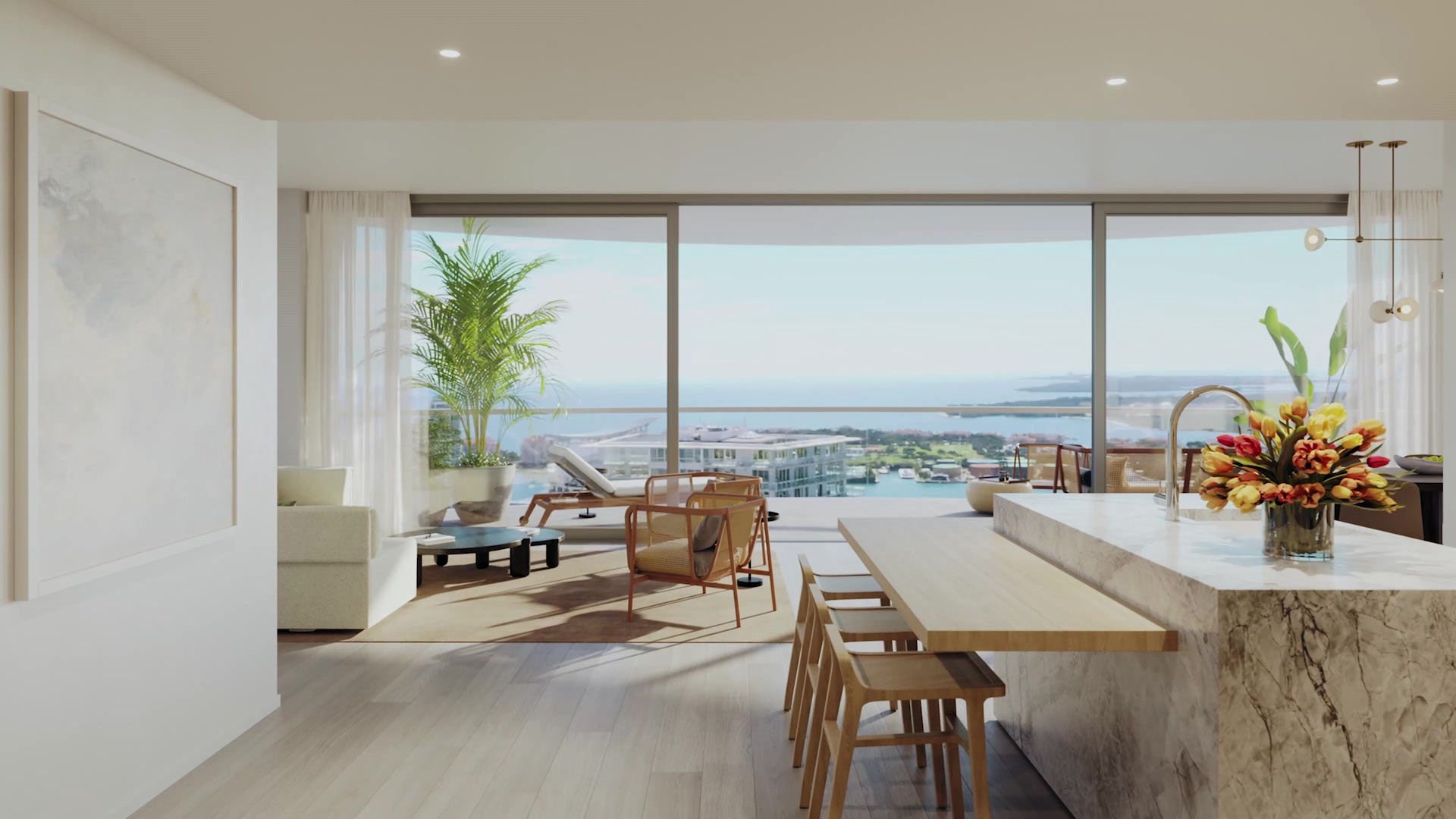
In South Florida, the first impression of a full-service tower is usually visual. A private elevator opens. The bay, ocean or skyline comes into view. Stone, millwork and glass make their case quickly. Yet the more durable form of luxury often reveals itself later, in the evening, when the residence is asked to perform quietly.
Acoustic privacy is not a decorative feature. It is an everyday condition that shapes sleep, conversation, entertaining, remote work and the psychological ease of being at home. In a market where buyers routinely compare views, brands, wellness spaces, parking and service culture, sound control can quietly change the real cost of ownership.
The issue is not whether a building is noisy in a simplistic sense. It is whether the residence protects private life from adjacent units, corridors, elevators, mechanical systems, traffic, nightlife, wind, water activity and amenity use. A home that photographs beautifully but carries sound poorly may require corrective work, altered routines or a lower tolerance from future buyers. A quieter home can feel more valuable every day.
The purchase price is only the first line item. Acoustic weakness can create costs that are financial, practical and emotional. Some are direct, such as upgraded interior doors, specialty wall assemblies, floor underlayment, window treatments, acoustic panels or mechanical adjustments. Others are indirect, limiting where a bedroom can function, where a piano can be placed, or how often guests can be entertained without disturbing others.
In a full-service tower, the premium is partly about removing friction. Valet, reception, amenity staffing and security all support ease. But if the residence itself does not deliver acoustic composure, that service layer can feel incomplete. A buyer may pay for a lifestyle that still requires compromise.
Acoustic privacy also affects liquidity. The next buyer may not identify the issue during a quick showing, but persistent sound transmission tends to become known during ownership. In the upper tier, word-of-mouth matters. Quiet is not always marketed as aggressively as view or square footage, but it can influence whether a residence feels truly finished.
South Florida towers occupy dynamic environments. Brickell carries urban intensity. Miami Beach mixes oceanfront calm with social energy. Sunny Isles Beach places high-rise living close to wide water, major roads and neighboring towers. Fort Lauderdale adds boating corridors, bridges, beach activity and a growing vertical residential scene.
That variety makes acoustic review more important, not less. A residence may face a dazzling view and still sit near a drop-off lane, pool deck, restaurant terrace, service corridor, mechanical room or elevator bank. Height helps with some sounds and amplifies others. Wind, traffic and reflected noise can behave differently from one stack to the next.
For a buyer comparing The Residences at 1428 Brickell with a waterfront or beach-adjacent address, the evaluation should go beyond neighborhood preference. The question is how the specific residence filters the environment it occupies. In South Florida, the most desirable setting can also be the most acoustically complex.
A serious showing should include moments of stillness. Stand near the entry door and listen for corridor activity. Pause by bedroom walls that adjoin neighboring residences. Open and close terrace doors slowly. Listen near return-air grilles, laundry areas, bathrooms and any wall shared with elevators, trash rooms or service spaces.
If possible, visit at more than one time of day. Morning deliveries, afternoon amenity use and evening traffic can produce different sound profiles. A weekend showing may reveal a different building rhythm than a weekday appointment. Even without technical instruments, a patient buyer can learn a great deal by not rushing.
Ask practical questions as well. What separates the primary bedroom from neighboring units? Are floors floated or otherwise treated for impact sound? How are mechanical systems isolated? What rules govern hard-surface flooring, speakers, construction hours and amenity events? The answers may matter as much as the finishes.
In Miami Beach, buyers considering residences such as The Perigon Miami Beach should think about both exterior and interior privacy. Oceanfront living can be serene, but tower living still depends on the quality of the envelope, the planning of adjacent spaces and the discipline of building operations.
Quiet architecture gives owners more choices. A well-protected residence can accommodate a media room, office, library, nursery, fitness area or entertaining salon with less fear of conflict. It allows a primary suite to feel restorative even when the building is active. It can make open-plan living feel elegant rather than exposed.
This is where design and architecture become more than a visual conversation. Plans that separate public and private zones, buffer bedrooms from corridors, and avoid placing sensitive rooms against noisy neighbors often live better over time. Materials matter, but planning matters first.
A buyer looking at St. Regis® Residences Sunny Isles or another Sunny Isles Beach tower may be drawn initially to outlook, service and arrival sequence. The deeper question is whether the layout preserves silence where silence is expected. Luxury is not simply the presence of amenities. It is the absence of unwanted intrusion.
Acoustic problems are often easier to prevent than to repair. Once a residence is finished, meaningful improvements may require opening walls, changing doors, adding seals, modifying ceilings or working within condominium rules. The most elegant solution may not be the most practical after occupancy.
That is why buyers should treat acoustic diligence like moisture, structure or mechanical review. It does not diminish the romance of the purchase. It protects it. Before planning custom millwork, imported stone or specialty lighting, understand whether the underlying acoustic conditions support the intended lifestyle.
In Fort Lauderdale, where full-service living increasingly appeals to buyers who want water access, beach proximity and a more relaxed urban rhythm, projects such as Four Seasons Hotel & Private Residences Fort Lauderdale remind buyers to weigh hospitality energy against residential calm. The best residences balance both.
Buyers at the high end often make emotional decisions, then justify them with analysis. Sound influences both sides. A quiet residence feels more private during a showing. Conversations seem more intimate. Bedrooms feel more credible. Outdoor space feels more usable when interior calm is not constantly interrupted.
On resale, the advantage may be subtle but powerful. A buyer who experiences calm may stay longer during a tour. A spouse may approve more quickly. A family may imagine routines with less negotiation. These are not line items on a spreadsheet, yet they can affect perceived value.
The same applies in more discreet residential settings. A buyer comparing tower living with lower-scale enclaves, or reviewing wellness-oriented communities such as The Well Coconut Grove, may find that acoustic comfort becomes part of the wellness equation. Privacy is not only visual. It is sensory.
Approach acoustic privacy in three layers. First, evaluate the exterior envelope: glass, terrace doors, exposure, height and surrounding activity. Second, evaluate internal separation: walls, floors, ceilings, doors, shafts and adjacency to service areas. Third, evaluate operational discipline: house rules, amenity scheduling, renovation standards and staff responsiveness.
Then assign the issue a personal value. A seasonal owner who visits for long weekends may tolerate different conditions than a family relocating full-time. A collector with frequent guests may care about entertainment spillover. A remote executive may prioritize daytime quiet over nighttime calm. There is no universal answer, but there is a disciplined way to ask the question.
For serious buyer's guides, acoustic privacy belongs beside view corridor, maintenance profile, reserves, service culture and finish quality. It is one of the least visible elements of luxury, which is precisely why it deserves early attention.
Why does acoustic privacy matter in a full-service tower? It affects how private, restful and usable a residence feels every day. Service cannot fully compensate for a home that carries unwanted sound.
Can a beautiful residence still have sound issues? Yes. Finishes and views do not automatically indicate strong acoustic separation between units, corridors or exterior noise sources.
What should buyers listen for during a showing? Listen for corridor voices, elevator movement, traffic, mechanical hum, impact noise from above and activity near amenity or service areas.
Is higher always quieter in South Florida towers? Not always. Height may reduce certain street sounds, but wind, mechanical systems and reflected noise can still affect upper floors.
Can acoustic problems be fixed after closing? Some can be improved, but meaningful corrections may require construction, approvals and compromises. It is better to evaluate early.
Do floor plans influence acoustic privacy? Yes. Bedrooms buffered from corridors, elevators and neighboring living areas typically offer a more private residential experience.
Should seasonal owners care as much as full-time residents? They should still care. Even short visits can feel less luxurious if sleep, work or entertaining are disrupted by avoidable noise.
How does acoustic privacy affect resale? Quiet can strengthen perceived quality during showings and reduce objections from future buyers who prioritize comfort and discretion.
What documents can help clarify sound standards? Building rules, renovation guidelines and flooring requirements can reveal how seriously a condominium manages noise control.
Is acoustic privacy a luxury feature or a technical detail? It is both. The technical assembly creates the emotional experience of calm, privacy and control.
For a discreet conversation and a curated building-by-building shortlist, connect with MILLION.
If branded residences are on your mind — as a home or as an allocation — we would be glad to share what we are seeing, privately.
Begin a quiet conversation