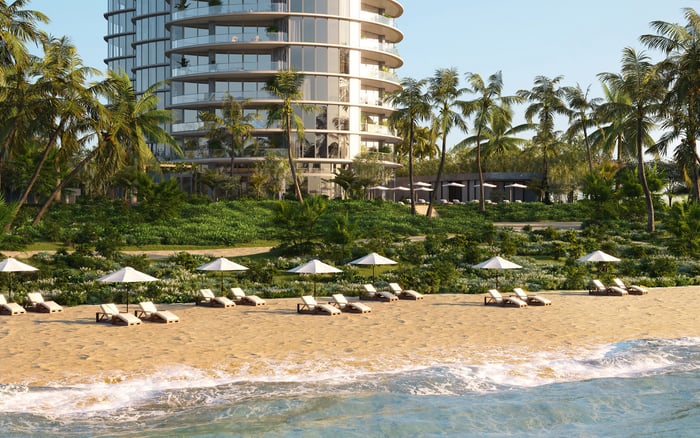
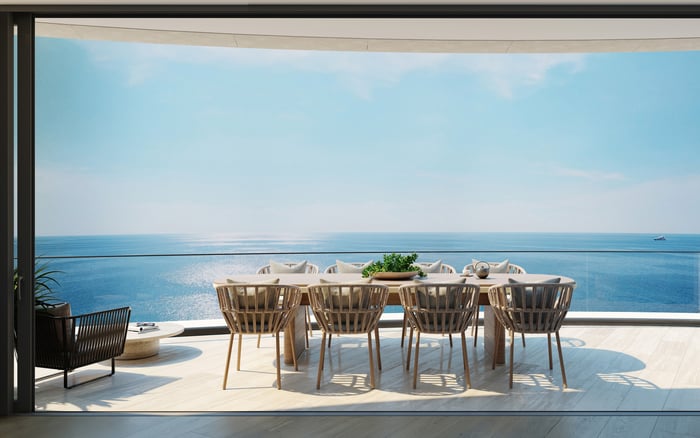
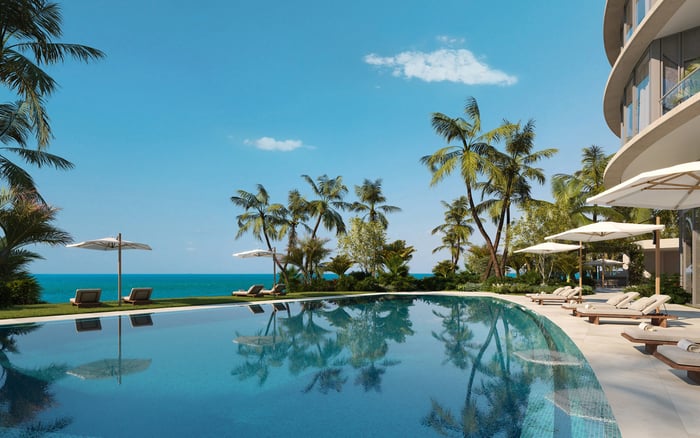
In South Florida’s most discreet coastal enclaves, lifestyle is often decided long before you reach the front door. The real differentiators are not the lobby materials or the pool deck renderings, but the mechanics of daily arrival: where the car goes, how guests are received, and whether the transition from public to private is seamless. Bal Harbour’s oceanfront market illustrates this shift with unusual clarity. Established, full-service towers have long delivered a polished hotel-style experience. The next generation is pushing further into ultra-low density planning, private garages, and direct-to-residence circulation, with an operations layer that reads less like a condominium staff directory and more like an estate household. Below, MILLION Luxury considers what today’s buyers should look for, using publicly disclosed details from two oceanfront references in Bal Harbour and, more broadly, the expectations those choices are setting across Miami-beach and the wider luxury condo landscape.
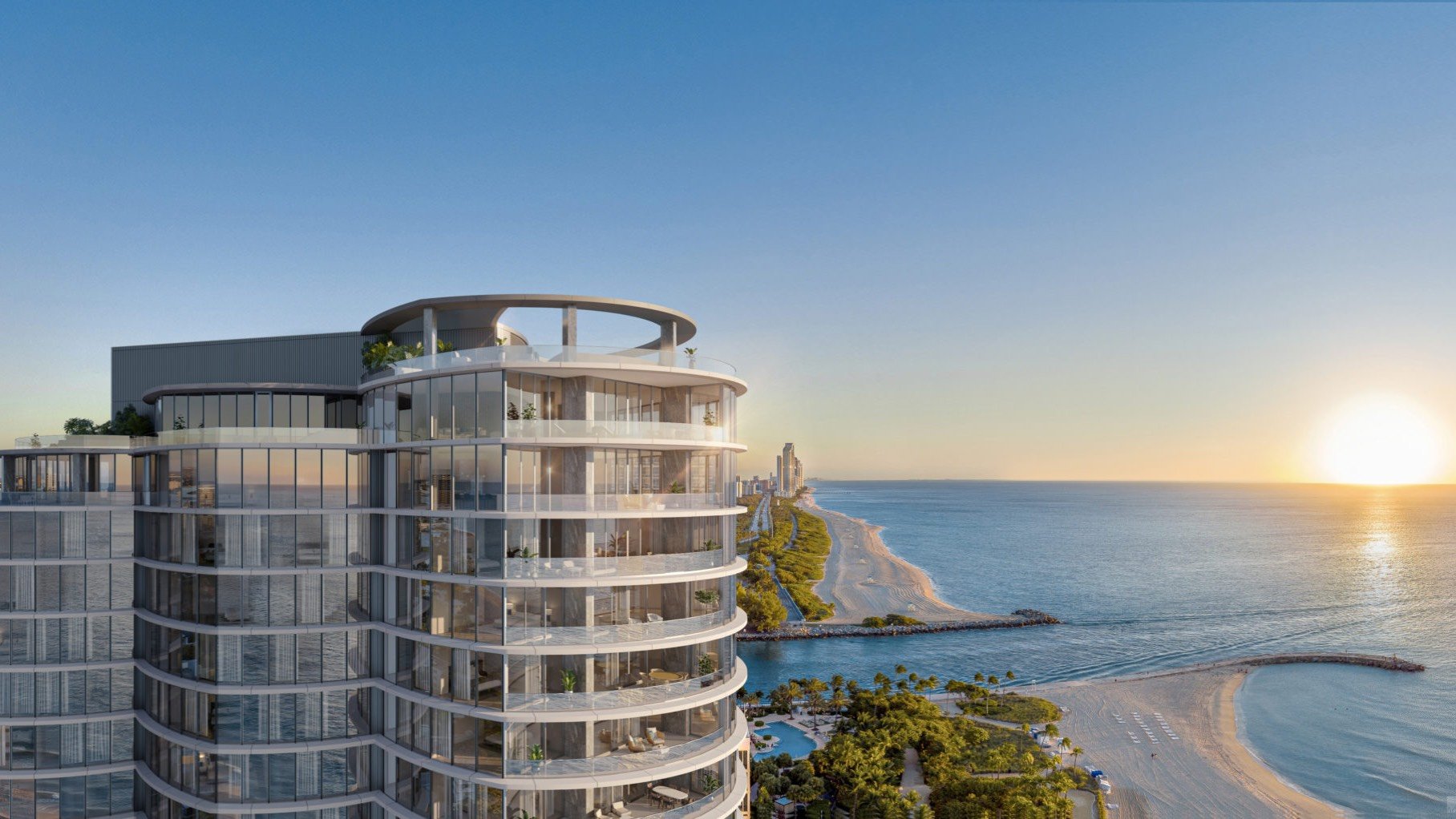
In ultra-premium oceanfront living, “privacy” is not an aesthetic. It is a sequence. Who sees you arrive, how long you are exposed to public view, and whether the transition feels like entering a private residence or checking into a destination.
For buyers who value discretion, the most important questions are operational:
These decisions shape comfort, resale posture, staffing expectations, and the long-term friction of ownership. In Bal Harbour, where day-to-day privacy is often non-negotiable, arrival mechanics can matter as much as the view.
Bal Harbour offers a clear contrast between an established, larger-format oceanfront condominium and a planned, ultra-low density tower that approaches each residence like a private home.
Rivage Bal Harbour is positioned as an oceanfront condominium tower with 56 total residences and an intentionally low-density plan, with no more than three residences per floor. That single planning choice affects nearly everything: corridor activity, elevator demand, and the sense of separation that defines truly discreet living.
By comparison, Oceana Bal Harbour is an oceanfront condominium completed in 2016 with 240 residences in a 28-story tower. A higher residence count can introduce more movement and operational complexity, but it can also support a deeper bench of hotel-style staff and a highly systematized resident experience.
Both formats can be luxurious. The better fit depends on what you want your building to feel like: an extension of a private estate, or a meticulously managed resort residence.
Cars create the most visible moments of ownership. In South Florida, where many residences function as second homes, the daily arrival ritual often becomes the defining touchpoint of convenience, discretion, and control.
At Rivage Bal Harbour, each residence is designed to include a private, air-conditioned two-car garage, paired with dedicated storage positioned as part of the private garage and arrival experience. Add private elevator access with direct entry to the home, and the strategy is clear: reduce shared circulation and keep the path from street to residence as controlled as possible.
Oceana Bal Harbour reflects a more traditional luxury model anchored in managed operations. Its parking is structured as two levels of underground parking, and it highlights valet parking as part of the lifestyle. For many owners, valet is the most effortless version of luxury: arrive, hand off the keys, and move upstairs without thinking about the logistics.
The decision is often less about taste and more about use case:
One operational note worth tracking in any new development is the full parking program. Rivage marketing materials have cited 160 total parking spaces through third-party reporting, but final allocation, guest rules, and service parking protocols should be confirmed in the governing condominium documents once available.
In this tier of the market, storage is rarely a headline feature, yet it can meaningfully influence satisfaction over time. Seasonal wardrobes, sporting equipment, and owners who rotate residences across markets all create the same requirement: dedicated, secure space that is easy to access.
At Oceana Bal Harbour, “Private Storage” is included among amenities alongside “Bicycle Storage,” signaling a clear separation between personal storage and mobility-related storage. That distinction can reduce clutter, protect common areas, and make day-to-day living feel more organized.
Rivage Bal Harbour’s approach ties storage to the private garage experience, reinforcing a more residential, house-like model. For buyers who view an oceanfront condominium as an alternative to a waterfront single-family home, that integration can feel intuitive and efficient.
When evaluating any oceanfront condo, ask directly how storage is assigned, how it is accessed, and what security measures are in place. The most valuable arrangement is the one you can use without planning your day around it.
Luxury buildings have long offered concierge desks. What is changing is the specificity of service roles and the expectation that operations remove friction for owners who travel frequently, host often, or keep residences in multiple markets.
Rivage Bal Harbour publicly describes a resident services model that includes a Lifestyle Concierge, an Estate Manager, a Residential Butler, and a House Car. The terminology matters. “Estate Manager” signals stewardship beyond standard building management, and “Residential Butler” suggests hands-on support that can extend into day-to-day living and hosting.
Oceana Bal Harbour also promotes concierge services as part of its resident experience, paired with valet parking and managed common facilities. This is the classic luxury condominium framework: staffing that supports a smooth, hotel-style environment with predictable systems.
If you are comparing service models, it helps to separate three categories:
The best buildings perform well across all three, whether they describe the offering in traditional terms or in newer, more residential vocabulary.
Bal Harbour’s standards influence the broader luxury market, particularly Miami Beach, where many buyers expect a residence to operate with the cadence and discretion of a flagship hotel.
For those exploring branded or hospitality-adjacent living, properties such as Faena House Miami Beach, Setai Residences Miami Beach, and Shore Club Private Collections Miami Beach are often discussed in the same breath, not because every property offers identical services, but because expectations have converged: responsiveness, privacy boundaries, and a polished arrival that feels intentional rather than improvised.
In practice, the most important diligence is less about brochure language and more about what becomes formalized in documents and daily operations:
This is where Miami Beach and Bal Harbour align. True luxury is a building that anticipates what you need and executes it quietly.
In any ultra-premium purchase, the lived experience is shaped by rules, staffing, and circulation patterns more than by finishes.
Before you commit, prioritize these confirmations during diligence:
Parking rights and guest logistics. Confirm your assigned spaces, whether valet is optional or standard, and how guests are handled.
Elevator access and entry sequence. Private elevator access with direct entry can feel transformative, but understand how it works for visitors and service providers.
Storage assignment and access. Verify whether storage is deeded, assigned, or managed, and how convenient it is day-to-day.
Service menu and accountability. A “concierge” can mean a receptionist, or a full lifestyle team. Review what is actually offered and what is optional.
Operational culture. The best-managed buildings excel in the unglamorous details: response time, discretion, consistency, and the ability to scale up for events and seasonal occupancy.
At this level, buyers are not only purchasing square footage. They are purchasing the building’s capacity to protect time and privacy.
What does ultra-low density mean in a condo tower? Ultra-low density typically refers to fewer residences per floor, which can reduce shared traffic and increase privacy.
How many residences are planned at Rivage Bal Harbour? Rivage Bal Harbour is planned with 56 total residences.
How many residences are at Oceana Bal Harbour? Oceana Bal Harbour has 240 residences.
Is Oceana Bal Harbour a high-rise tower? It is commonly described as a 28-story tower.
What is distinctive about Rivage Bal Harbour’s arrival concept? Residences are designed with private, air-conditioned two-car garages and private elevator access with direct entry.
Does Oceana Bal Harbour offer valet and concierge? Yes, it highlights valet parking and concierge services among amenities.
What kinds of storage are disclosed at Oceana Bal Harbour? Oceana includes private storage and bicycle storage as published amenities.
What services has Rivage Bal Harbour publicly listed? Its service lineup includes a Lifestyle Concierge, an Estate Manager, a Residential Butler, and a House Car.
Why does parking type matter for privacy? Parking determines how visible arrivals are and whether owners move through shared spaces or a more controlled, private sequence.
What should buyers verify for new developments? Confirm final parking allocation, guest rules, and operational details in official condominium documents.
For discreet guidance on South Florida’s most exacting residences, connect with MILLION Luxury.
If branded residences are on your mind — as a home or as an allocation — we would be glad to share what we are seeing, privately.
Begin a quiet conversation