A buyer-focused guide to evaluating discreet ownership, service protocols, and delivery logistics across Baccarat Residences Brickell, Shell Bay by Auberge Hallandale, and Kempinski Residences Miami Design District.

For a certain South Florida buyer, privacy is not an amenity. It is the operating system of daily life. The relevant question is not simply whether a residence is beautiful, branded, or well located. It is whether the ownership structure, building rules, and staff procedures can support a life that includes art handlers, bonded couriers, climate-sensitive wine shipments, couture deliveries, watch service, and guests who should arrive without spectacle.
That is the real comparison behind Baccarat Residences Brickell, Shell Bay by Auberge Hallandale, and Kempinski Residences Miami Design District. Baccarat Residences Brickell belongs in the Brickell market conversation. Shell Bay by Auberge is tied to Hallandale Beach. Kempinski Residences Miami Design District enters as the design- and collecting-oriented urban counterpart named in the buyer brief. For all three, the prudent conclusion is disciplined rather than theatrical: the best ownership model is the one whose documents and operating protocols specifically match the buyer’s service life.
In luxury real estate, service language can sound similar from one project to another. The legal and operational reality can be very different. A traditional condominium, a branded residence, a private club-style community, and a residence with hotel-influenced services may each deliver a refined lifestyle, but they can allocate control, costs, liability, access, staffing, and guest privileges differently.
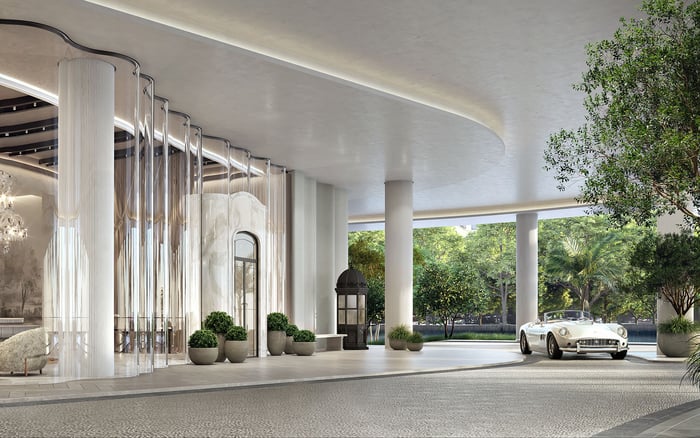
For art, wine, and high-value deliveries, the key is not whether service exists in the abstract. The key is who authorizes access, where delivery vehicles stop, how packages are logged, whether staff may enter a residence when the owner is absent, how vendors are credentialed, and what insurance rules apply. A residence feels effortless only when these details are quiet, repeatable, and embedded in the building’s way of operating.
New-construction buyers should request the governing documents, rules and regulations, service agreements, vendor access policies, insurance requirements, move-in procedures, package protocols, and any private storage policies before assuming that a branded name automatically solves logistics.
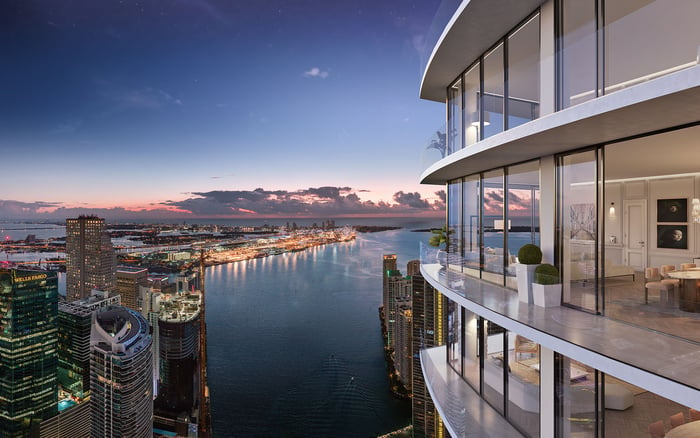
Baccarat Residences Brickell is associated with the Brickell market, making it relevant for buyers who want proximity to an urban rhythm. In this setting, discretion is often about choreography under density. The question is how a building separates owners, guests, staff, service providers, couriers, and larger deliveries during peak city hours.
For a buyer considering Baccarat Residences Brickell, due diligence should focus on operational separation. Ask how art crates are received, whether advance scheduling is required, how elevator reservations are handled, where insured handlers wait, and whether building staff coordinate directly with owner representatives. Wine collectors should ask whether temperature-sensitive shipments can be received promptly, where they are staged, and how long they may remain before transfer to the residence.
The best fit here is a buyer who wants Brickell energy but expects the residence to behave with private-house precision. If the documents and rules confirm a polished back-of-house experience, the urban model can be compelling. If they do not, the glamour of location may not fully answer the owner’s logistical needs.
Shell Bay by Auberge is associated with Hallandale Beach, placing it in a different lifestyle register than Brickell. Hallandale can appeal to buyers who want South Florida access without making the dense downtown core the center of every day. For discreet deliveries, that distinction matters because the buyer may value arrival sequence, controlled access, and a more composed residential pace.
The question for Shell Bay by Auberge Hallandale is whether the ownership model supports a residential life that may include extended absences, second-home usage, family offices, and staff-managed receiving. A buyer should clarify how the property handles vendor lists, recurring authorized personnel, large-object deliveries, private appointments, and high-value shipment notifications.
The Hallandale context may be especially attractive for owners who want a more resort-like personal routine while remaining connected to Miami and Broward. Still, the decisive issue is not atmosphere alone. It is whether the rules allow trusted representatives to operate efficiently without creating friction at every delivery.
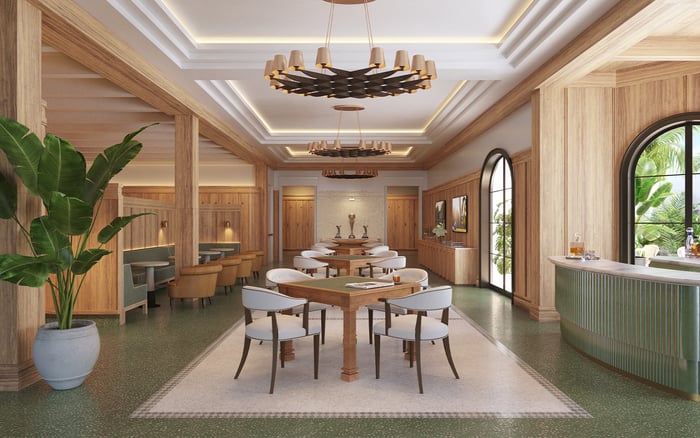
Kempinski Residences Miami Design District naturally raises a different buyer concern: art adjacency. The Miami Design District context can make a residence attractive to owners whose homes function as both private residences and carefully curated environments.
For those buyers, the most important questions are concrete. Can fine art specialists access the building without passing through highly visible public areas? Are oversized works handled through a defined service route? Are certificates, crates, packing materials, and temporary staging treated with discretion? Does the building permit third-party conservators, framers, installers, lighting consultants, and collection managers to work under a clear protocol?
Kempinski may be appealing in concept for a design-focused owner, but concept is not enough. The buyer should verify the ownership model, service scope, staff authority, vendor access policy, and any limits on in-residence work before relying on the building for collection-level support.
The right choice begins with the owner’s pattern of use. A full-time resident who receives weekly luxury shipments needs different infrastructure than a seasonal owner who wants a family office or personal assistant to coordinate occasional art and wine deliveries. A collector who installs major works has different needs than a buyer whose primary concern is discreet concierge handling of fashion, jewelry, and hospitality items.
For Brickell, the core question is urban execution. For Hallandale, it is controlled calm and second-home practicality. For the Miami Design District, it is art-related vendor choreography and privacy during high-visibility cultural moments. None of these models is automatically superior. Each can be right if the documents, staff training, and physical plan support the buyer’s life.
A serious buyer should also ask who pays for special handling, whether overtime staffing is available, how after-hours deliveries are treated, whether insurance certificates are required from vendors, and whether the association can refuse a delivery method. These are not secondary questions. They are the difference between a residence that feels serene and one that forces the owner’s team to negotiate every detail.
Before committing, buyers should request written answers to several operational points. How are high-value packages recorded? Can an owner pre-authorize specific couriers and art handlers? Are service elevators reservable? Is there a loading area suitable for delicate objects? Who accepts liability once an item is received? Are temperature-sensitive deliveries prioritized? Can staff coordinate with a house manager, private banker, art adviser, or cellar consultant?
The most discreet buildings are not necessarily the most verbal about discretion. They are the ones whose procedures are already calm, documented, and practiced. For high-net-worth owners, especially those moving between residences, that procedural maturity can matter as much as views, finishes, or brand affiliation.
The most persuasive ownership model for art, wine, and luxury deliveries is the one that converts privacy into a system. Baccarat Residences Brickell should be evaluated for its ability to deliver urban discretion in the Brickell environment. Shell Bay by Auberge Hallandale should be evaluated for its Hallandale Beach cadence and its ability to support private, recurring service needs. Kempinski Residences Miami Design District should be evaluated through the lens of collection support and vendor choreography.
The best answer is not a universal ranking. It is a fit analysis. Buyers who demand quiet service should treat ownership documents, staff protocols, and delivery infrastructure as primary due diligence, not afterthoughts.
Which project is best for discreet art deliveries? The best fit depends on documented service routes, vendor policies, elevator access, and staff authority rather than the project name alone.
Is Baccarat Residences Brickell primarily a Brickell option? Yes. It is presented here as the Brickell choice, making urban service choreography a central question for buyers.
Where does Shell Bay by Auberge fit in this comparison? Shell Bay by Auberge is associated with Hallandale Beach, offering a different cadence than the Brickell urban core.
Can buyers assume branded residences handle wine deliveries well? No. Buyers should verify temperature-sensitive receiving, staging procedures, staff notification rules, and liability terms.
What should art collectors ask before signing? They should ask about oversized delivery access, installer approvals, insurance certificates, elevator reservations, and staging areas.
Does the ownership model affect privacy? Yes. The model can determine who controls access, who provides services, what fees apply, and how vendors are approved.
Are second-home buyers affected differently? Often yes. Seasonal owners may rely more heavily on house managers, authorized representatives, and advance receiving procedures.
Why is the Miami Design District relevant for collectors? It is relevant because buyers considering Kempinski Residences Miami Design District should focus on how a residence handles art-related service needs.
Should buyers review building rules before choosing? Yes. Rules and service agreements can reveal whether daily luxury logistics will feel seamless or require constant negotiation.
What is the simplest way to compare these residences? Match your real delivery patterns to each building’s written protocols, then confirm the staff can execute them consistently.
For a tailored shortlist and next-step guidance, connect with MILLION.
If branded residences are on your mind — as a home or as an allocation — we would be glad to share what we are seeing, privately.
Begin a quiet conversation