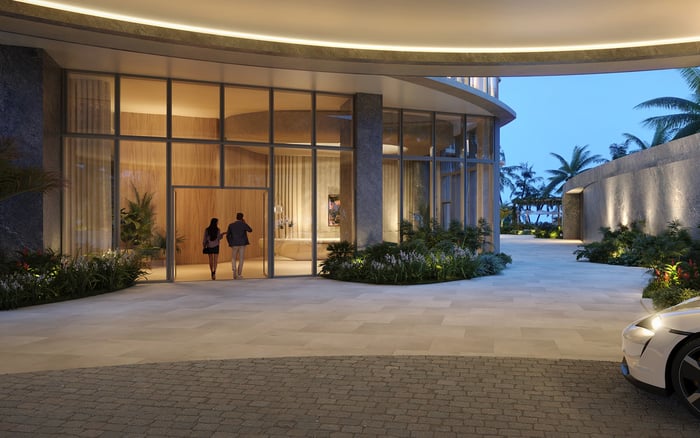
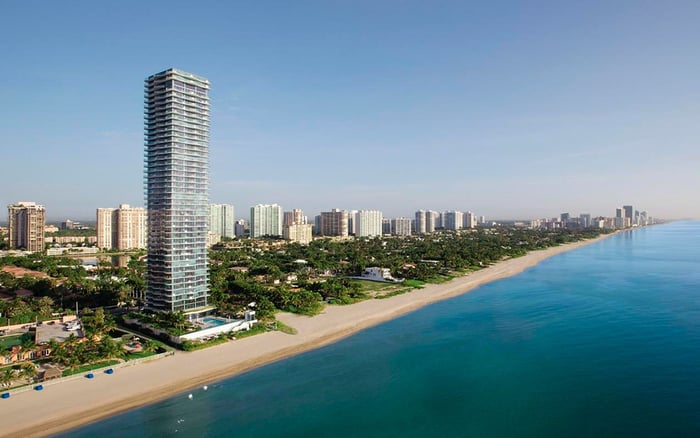
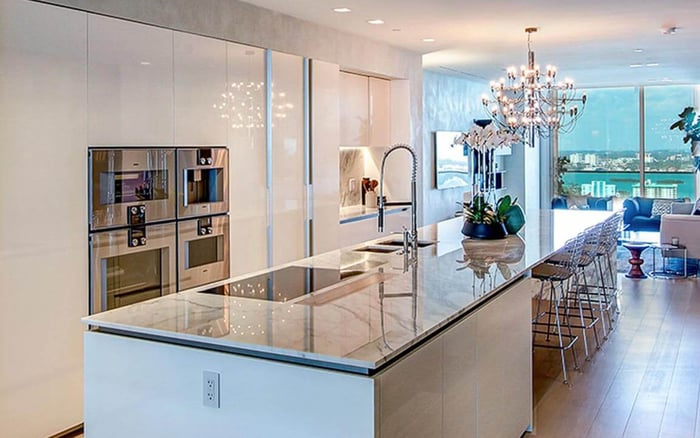
In Bal Harbour, the decision between a finished icon and a future address often comes down to time horizon, risk tolerance, and how personal you want your home to feel on day one. Oceana Bal Harbour offers immediate occupancy and established daily rhythms, while Rivage Bal Harbour appeals to buyers who value pre-construction flexibility and a longer runway to curate finishes and lifestyle.
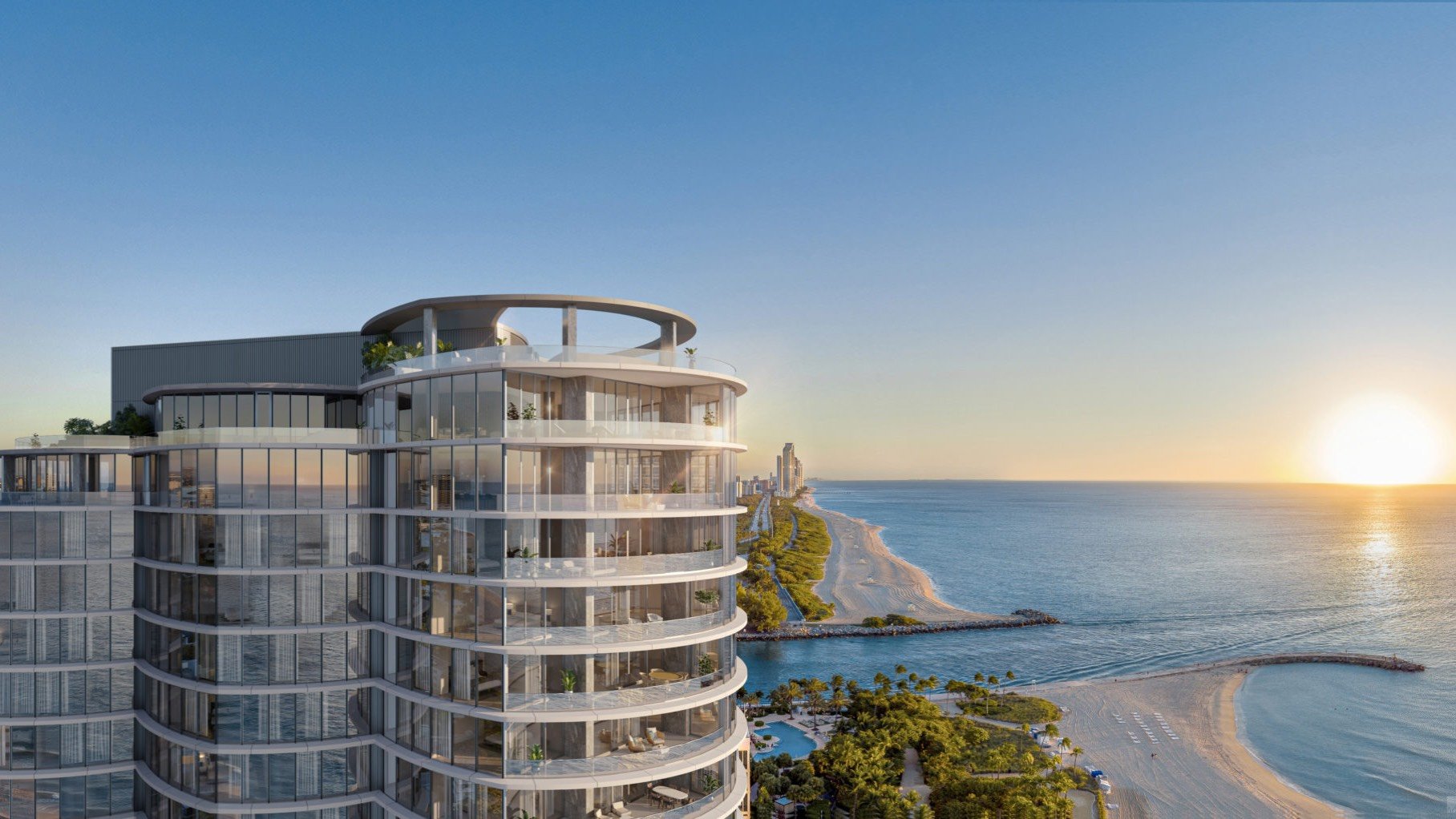
Bal Harbour is a rare South Florida enclave where “resort living” isn’t a marketing layer-it’s an operating reality: walkability, privacy, and an oceanfront cadence that feels composed rather than loud. Against that backdrop, Oceana Bal Harbour and Rivage Bal Harbour represent two distinct buyer philosophies.
Oceana is the completed, lived-in option: you can tour a specific line, verify views and natural light at the hour that matters to you, and step into a building culture that’s already established. Rivage is the forward-looking option: you’re buying into a vision and a timeline, with the potential upside of shaping the residence to your personal standard before move-in.
For the ultra-premium buyer, this is less about which name is “better” and more about which risk profile and lifestyle rhythm aligns with how you actually use South Florida.
A finished oceanfront condominium offers an advantage that’s hard to replicate in pre-construction: you can evaluate it as a complete experience, not a future promise. With Oceana, diligence is tangible. You can confirm how arrival feels, how quiet the corridors are, what the pool deck sounds like on a weekend, and how staff handles the daily moments that define real ease.
Practically, completed living compresses the gap between decision and benefit. If you want to use the home this season, entertain immediately, or relocate without a prolonged interim plan, a delivered building is inherently aligned with that urgency.
There’s also an intangible luxury: community norms. Completed buildings develop patterns around privacy, guest management, pet etiquette, and resident expectations. For many buyers, that predictability is the product.
Pre-construction, done well, is the closest thing to commissioning a bespoke apartment without taking on the complexity of a ground-up custom home. Rivage’s advantage is runway: time to plan interiors, rationalize storage, and land on an aesthetic that feels personal on day one-rather than gradually refined over years.
Customization isn’t just materials. It’s aligning the home with how you live in Bal-harbour: whether you host frequently, need a quieter work-from-home zone, or prefer a kitchen designed for service flow rather than casual cooking. A longer timeline can also support a more disciplined art and furniture plan, so the residence arrives finished rather than “in progress.”
That said, pre-construction requires comfort with variables: schedule, final building operations, and the reality that you’re underwriting a future environment. The right buyer doesn’t see that as a drawback-just the price of authorship.
When clients ask MILLION Luxury to compare a completed icon versus a future address, the conversation typically resolves into four questions.
First, when do you need the home to perform: now, or on a future date that can flex? Second, how important is personalization: are you content refining an already-excellent canvas, or do you want to shape the canvas itself? Third, what is your tolerance for process: do you prefer certainty and immediate utility, or are you comfortable managing steps over time? Fourth, how do you expect to exit: is liquidity and comparability important, or is this a long-hold lifestyle asset?
A fifth question quietly matters in Bal Harbour: how private do you want daily life to feel. Some buyers prefer a building with established norms and a known resident culture; others prefer the clean slate of a new community forming around a new property.
In a completed building like Oceana, the financial model is relatively clean: you close, you carry, and you receive immediate utility. Renovations, if any, are elective-and you can scope them more precisely once you’ve lived in the home.
In pre-construction like Rivage, capital deployment is staged. That can be attractive if you prefer keeping liquidity invested elsewhere during the build period. The tradeoff is that the “total cost” can be less visible until later, because upgrades, design work, and move-in finishing often become a meaningful secondary budget.
Optionality is the differentiator. With pre-construction, optionality comes from choice and timing. With a completed building, optionality comes from immediacy and decision-making based on proven performance.
Bal Harbour buyers are rarely one-dimensional. Many are dual-home owners, seasonal residents, or families who want a predictable base near the water-without the administrative load of a single-family estate.
If your ideal day is spontaneous, Oceana’s edge is that the “resort” elements are already operating at full volume, with a rhythm you can adopt immediately. You’re choosing a known lifestyle.
If your ideal day is curated, Rivage’s edge is the ability to plan the residence to support that curation. You’re choosing to craft the lifestyle.
For buyers cross-shopping nearby oceanfront options, it can be useful to calibrate the broader coastline. Arte Surfside, for example, speaks to a boutique, design-forward preference just down the road in Surfside, while Fendi Château Residences Surfside signals a fashion-house brand sensibility and a very specific aesthetic point of view. Those comparisons help clarify whether you prefer a finished experience or a home you shape over time.
In Bal-harbour, resale considerations tend to be less about short-term speculation and more about durability: how well the property holds its appeal across market cycles, and how easily the next buyer can understand the value proposition.
A completed building like Oceana benefits from comparability. Prospective buyers can evaluate existing resales, tour the grounds, and form a judgment quickly. That clarity can support liquidity-especially for owners who may eventually rotate into a larger footprint or shift their South Florida base.
A newer, pre-construction-to-delivered property like Rivage may follow a different arc: the early years can feel especially crisp, and the “newness” can command a premium when the building is first delivered and fully operational. The question is whether you want to own that early chapter and its potential uplift, or whether you prefer to enter once the building’s culture and operations are more seasoned.
Oceana often fits the buyer who values:
Immediate occupancy and an already-proven building lifestyle
The ability to verify a specific residence, view corridor, and light
Lower appetite for timeline risk and process management
Rivage often fits the buyer who values:
A longer runway to tailor finishes and plan furnishings precisely
The psychological comfort of “new” and the clean-slate feel
The patience to wait in exchange for personalization and future delivery
Neither is inherently more sophisticated. They’re simply different expressions of luxury: one is certainty and access; the other is intention and customization.
If you’re deciding between these two, you’re already at the highest end of the coastal condominium conversation. Still, a quick cross-market check can sharpen your instincts.
In Sunny Isles, ultra-modern vertical living can feel more overtly resort-driven and skyline-oriented, as seen in Bentley Residences Sunny Isles. In Miami Beach, the conversation often shifts to neighborhood texture and social energy. In Bal-harbour, the premium is discretion: an environment that’s close to everything while feeling deliberately insulated.
That insulation is why the “completed vs pre-construction” question matters so much here. You’re not only buying an apartment. You’re buying a daily operating system.
For Oceana, treat the tour as an operational audit. Visit at two different times of day. Stand quietly in the residence and listen. Ask yourself whether the building’s pace matches yours. Verify the arrival sequence, the transitions from car to lobby to elevator to residence, and how private the route feels.
For Rivage, treat the decision as an authorship exercise. Review plan functionality: storage, circulation, and how the entertaining zones relate to the view. Consider where you’ll place art, where you’ll conceal service functions, and whether the plan supports how you host. Your best pre-construction decisions are rarely about trends; they’re about proportion and daily flow.
In both cases, the most useful question is simple: will this home feel effortless in year five-not just impressive in week one?
Is Oceana Bal Harbour better for buyers who want to move in immediately? Yes. A completed building generally supports immediate occupancy and easier verification of views and finishes.
Does Rivage Bal Harbour offer more ability to personalize a residence? Typically, yes. Pre-construction can provide more flexibility to select finishes and tailor details before move-in.
Which option feels more predictable from a lifestyle standpoint? Oceana usually does because building operations and resident culture are already established.
Is pre-construction always riskier than buying completed? It can be, primarily due to timeline and delivery variables, but some buyers accept that in exchange for customization.
Which choice is better for a seasonal South Florida schedule? Oceana often aligns well with seasonal use since it is ready now; Rivage can fit if your timeline is flexible.
How should I think about resale between these two? Completed buildings often offer clearer comparables, while new delivery can carry early “newness” appeal.
Do I need an interior designer for pre-construction? It is strongly recommended if you want the residence to feel finished at move-in rather than evolving over time.
What matters most when touring a completed oceanfront building? Test privacy, sound, arrival flow, and how the amenities function in real conditions-not just on quiet days.
What matters most when buying pre-construction in Bal-harbour? Focus on plan functionality, upgrade strategy, and whether the project’s timeline matches your life plan.
How can I compare Oceana and Rivage based on my use case? The right choice depends on timing, customization appetite, and how you intend to live in Bal Harbour.
When you're ready to tour or underwrite the options, connect with MILLION Luxury.
If branded residences are on your mind — as a home or as an allocation — we would be glad to share what we are seeing, privately.
Begin a quiet conversation