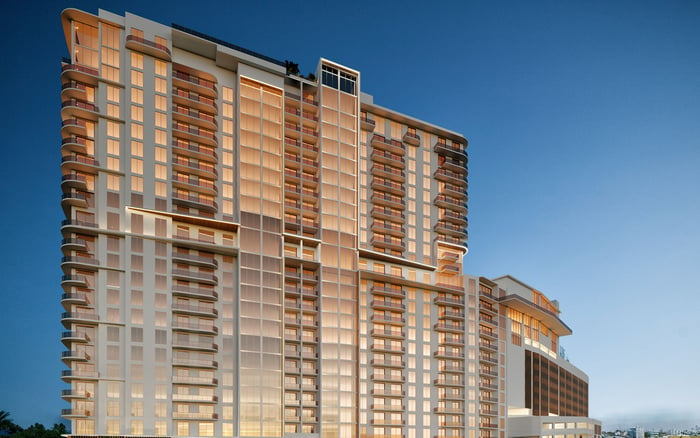
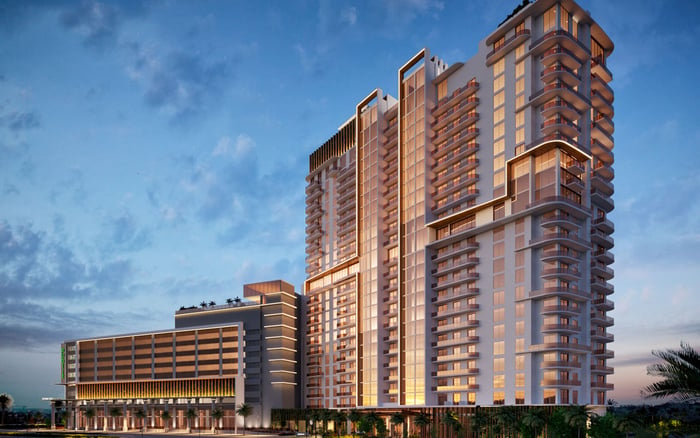
A discreet 2026 due-diligence framework for cash buyers comparing Shoma Bay, The Residences at Six Fisher Island, and Alma Bay Harbor Islands across leverage, closing risk, concessions, and resale discipline.
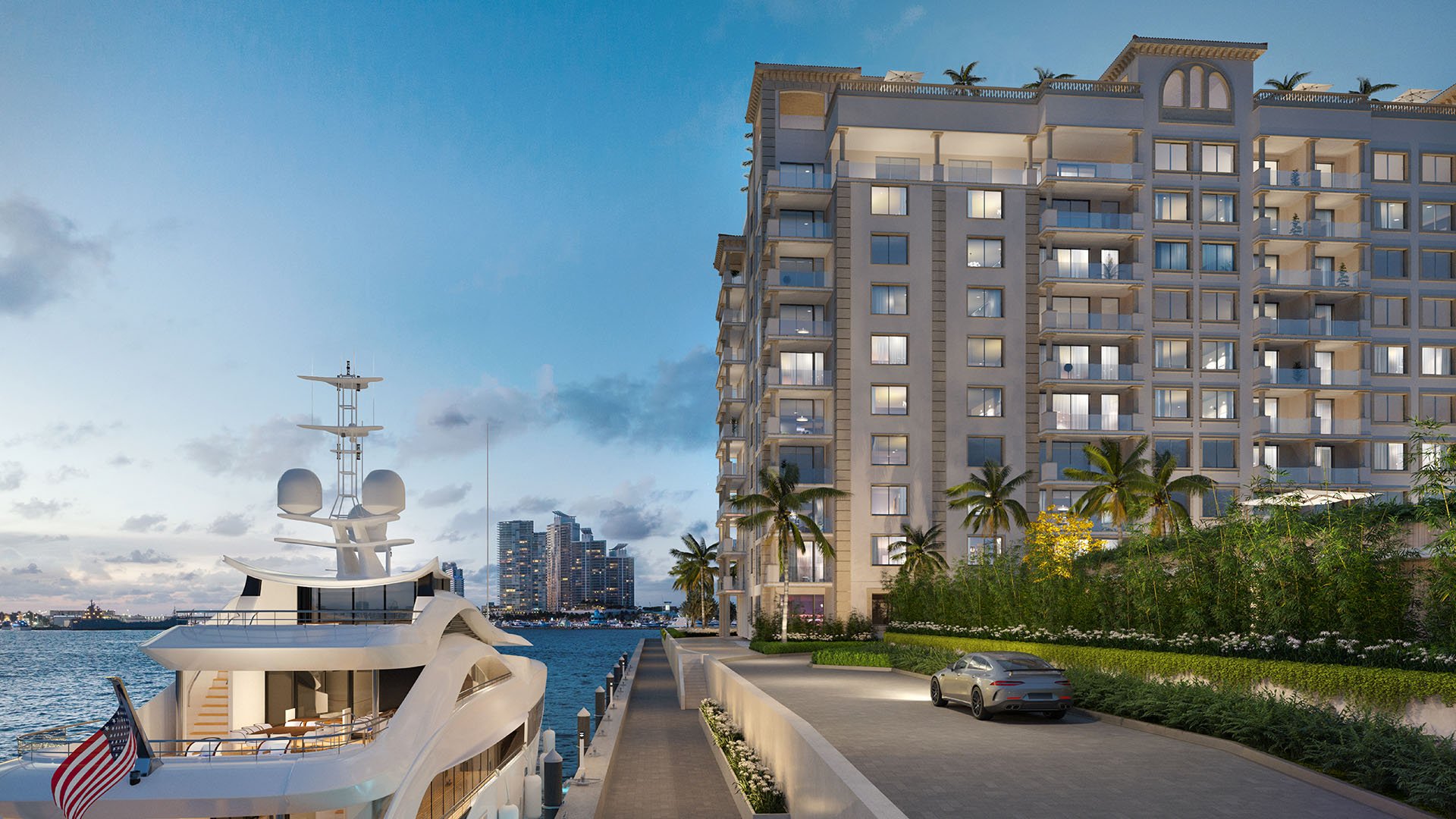
For South Florida’s luxury condominium buyer, 2026 is less about chasing the loudest launch and more about understanding where certainty of closing has real economic value. The comparison between Shoma Bay North Bay Village, The Residences at Six Fisher Island, and Alma Bay Harbor Islands is not a simple beauty contest. It is a study in leverage, closing risk, and the forms of value a sophisticated cash buyer can reasonably pursue.
The three properties occupy very different positions on the South Florida waterfront spectrum. Shoma Bay belongs to North Bay Village, an emerging and transitional waterfront submarket where the buyer’s thesis depends heavily on continued repositioning. Six Fisher Island sits at the opposite end, inside an established ultra-prime enclave where scarcity, access, and long-term exit liquidity shape the conversation. Alma Bay Harbor Islands sits between them, grounded in Bay Harbor Islands’ boutique-luxury context, with a more mature neighborhood story than North Bay Village but less scarcity power than Fisher Island.
This is also an investment question, a resale question, and a negotiation question. In search behavior and buyer vocabulary, North Bay Village, Fisher Island, Shoma Bay North Bay Village, and The Residences at Six Fisher Island each imply a different level of risk tolerance.
Cash does not automatically produce a discount in the ultra-luxury market. Its power depends on the problem the buyer is solving for the seller, developer, or sales team. In a project where timing, absorption, and delivery confidence matter, a cash buyer may reduce friction in a meaningful way. In a scarce private-island setting, cash may be expected rather than exceptional.
That distinction matters. At Shoma Bay, the leverage case is more practical: closing credits, contract flexibility, assignment rights, or other buyer-protective terms may be more plausible than a dramatic headline price concession. The buyer is not merely buying views or lifestyle language. The buyer is underwriting whether North Bay Village can deliver sufficient resale depth and price durability when the unit is ready to close.
At Six Fisher Island, leverage becomes more refined. The buyer may focus on allocation, bespoke structuring, legal protections, finish-related matters, and optionality rather than expecting broad negotiability. The property behaves more like a scarce private-club asset than a conventional launch. The question is not whether Fisher Island is established; it is whether the buyer is disciplined enough to protect liquidity at ultra-prime pricing.
At Alma Bay, the negotiation case is balanced. Cash buyers may have room to seek tailored incentives or stronger protections if comparable waterfront inventory creates competitive pressure. Yet the project benefits from Bay Harbor Islands’ mature boutique-luxury context, where walkability, waterfront product, zoning constraints, and school demand can all support long-term positioning.
Shoma Bay is the clearest case for a buyer who believes certainty of closing should translate into tangible value. The North Bay Village thesis is compelling precisely because it is not fully settled. An emerging waterfront submarket can reward early conviction, but it also demands more rigorous due diligence.
For 2026, the core question is whether North Bay Village’s repositioning will support the unit after delivery. A buyer should examine how the broader submarket feels at that point, whether competing inventory is pressuring pricing, and whether the preferred floor plan still feels liquid beyond the building’s initial newness.
The negotiable value here may appear in less glamorous places: closing-cost support, greater assignment flexibility, improved buyer remedies, timing accommodations, or contract terms that reduce exposure if delivery and market conditions diverge. Nearby North Bay Village activity, including projects such as Continuum Club & Residences North Bay Village, reinforces that buyers should view the area as a developing waterfront corridor rather than a finished ultra-prime island.
A cash buyer should not mistake concessions for weakness. In a transitional market, concessions can be the price of certainty. The disciplined move is to quantify value in the contract, not merely in the brochure.
Six Fisher Island requires a different temperament. Fisher Island is already an established luxury enclave, so the buyer is not underwriting the same emerging-submarket risk present in North Bay Village. Instead, the burden shifts to valuation discipline, estate-planning considerations, and long-term liquidity at a very high level of pricing.
The cash buyer’s leverage is likely to be subtle. Rather than pressing for a gross price reduction, the buyer may seek better positioning within available inventory, more carefully negotiated legal protections, customization or finish-related clarity, and contract structures that preserve future options. In this segment, the ability to close is important, but it may not be rare.
That is why the best Fisher Island buyer thinks like a steward of capital, not merely a collector of scarcity. The asset may be private, rare, and emotionally powerful, but exit liquidity still matters. Optionality is the quiet luxury here: the ability to hold, transfer, finance later, restructure ownership, or resell without being trapped by preventable contractual limitations.
Alma Bay sits in the most nuanced position of the three. Bay Harbor Islands is not an emerging bet in the same way North Bay Village is, but it also does not carry the private-island scarcity psychology of Fisher Island. Its strength comes from a mature boutique-luxury environment where walkability, waterfront orientation, zoning constraints, and school demand shape buyer conviction.
For cash buyers, the negotiation case should focus on design specificity, association health, rental and resale depth, and long-term carrying costs. A beautifully conceived boutique building can be highly desirable, but narrow buyer pools can affect future liquidity if the design, maintenance profile, or monthly cost structure becomes too specialized.
Comparable Bay Harbor Islands inventory is therefore central to the conversation. Projects such as Onda Bay Harbor and Origin Bay Harbor Islands remind buyers that waterfront boutique product can create both desirability and competition. Alma Bay’s advantage, if negotiated well, is that a cash buyer may be able to convert closing certainty into tailored incentives without relying solely on broad price concessions.
The right buyer will ask whether the property’s design, neighborhood fit, and carrying-cost profile remain compelling after the first wave of launch enthusiasm has faded.
Across all three projects, the most important diligence is contractual and operational. Cash buyers should focus on developer delivery obligations, remedies for delay or material changes, assignment language, closing conditions, association reserves, insurance exposure, and the ability to preserve optionality if personal or market circumstances change before closing.
This does not mean every buyer should negotiate aggressively in the same way. Shoma Bay is where concessions and buyer-protective flexibility appear most plausible. Six Fisher Island is where protection may be more valuable than discounting. Alma Bay is where tailored incentives can matter if comparable inventory gives the buyer credible alternatives.
The final test is simple: does the delivered unit still support the original investment thesis at the moment capital is required? If the answer depends only on optimism, the buyer has not done enough diligence. If the answer is supported by contract terms, resale logic, carrying-cost discipline, and clear liquidity assumptions, the buyer has turned cash into leverage.
Which project gives cash buyers the most likely concession opportunity? Shoma Bay appears to offer the clearest path to concessions or flexible terms because its leverage case is tied to timing, absorption, and delivery risk.
Is Six Fisher Island likely to offer major price discounts? Broad price negotiability is less central there. The stronger focus is likely allocation, protections, finish clarity, and bespoke structuring.
Where does Alma Bay fit in the comparison? Alma Bay sits between Shoma Bay and Six Fisher Island, with a mature boutique-luxury setting but less scarcity power than Fisher Island.
What is the main risk at Shoma Bay? The key issue is whether North Bay Village’s repositioning supports resale depth and price durability at delivery.
What is the main risk at Six Fisher Island? The key issue is valuation discipline and long-term liquidity at ultra-prime pricing, not basic emerging-market risk.
What should Alma Bay buyers diligence most carefully? They should review design specificity, association health, rental and resale depth, insurance exposure, and future carrying costs.
Does paying cash always improve negotiating power? No. Cash is most powerful when it solves execution risk, and less powerful when most buyers are already capable of closing.
What contract terms matter most for 2026 closings? Assignment rights, delivery obligations, remedies, closing conditions, reserve health, insurance exposure, and buyer protections matter most.
Should buyers focus more on price or terms? In many luxury pre-closing situations, terms can be as valuable as price because they protect optionality and reduce downside risk.
What is the best overall project among the three? The better question is where the buyer’s cash certainty creates measurable value: concessions at Shoma Bay, protections at Six Fisher Island, or tailored incentives at Alma Bay.
To compare the best-fit options with clarity, connect with MILLION.
If branded residences are on your mind — as a home or as an allocation — we would be glad to share what we are seeing, privately.
Begin a quiet conversation