A practical luxury buyer’s guide to evaluating private in-residence wellness systems against shared wellness amenities in Miami and Palm Beach condominiums.
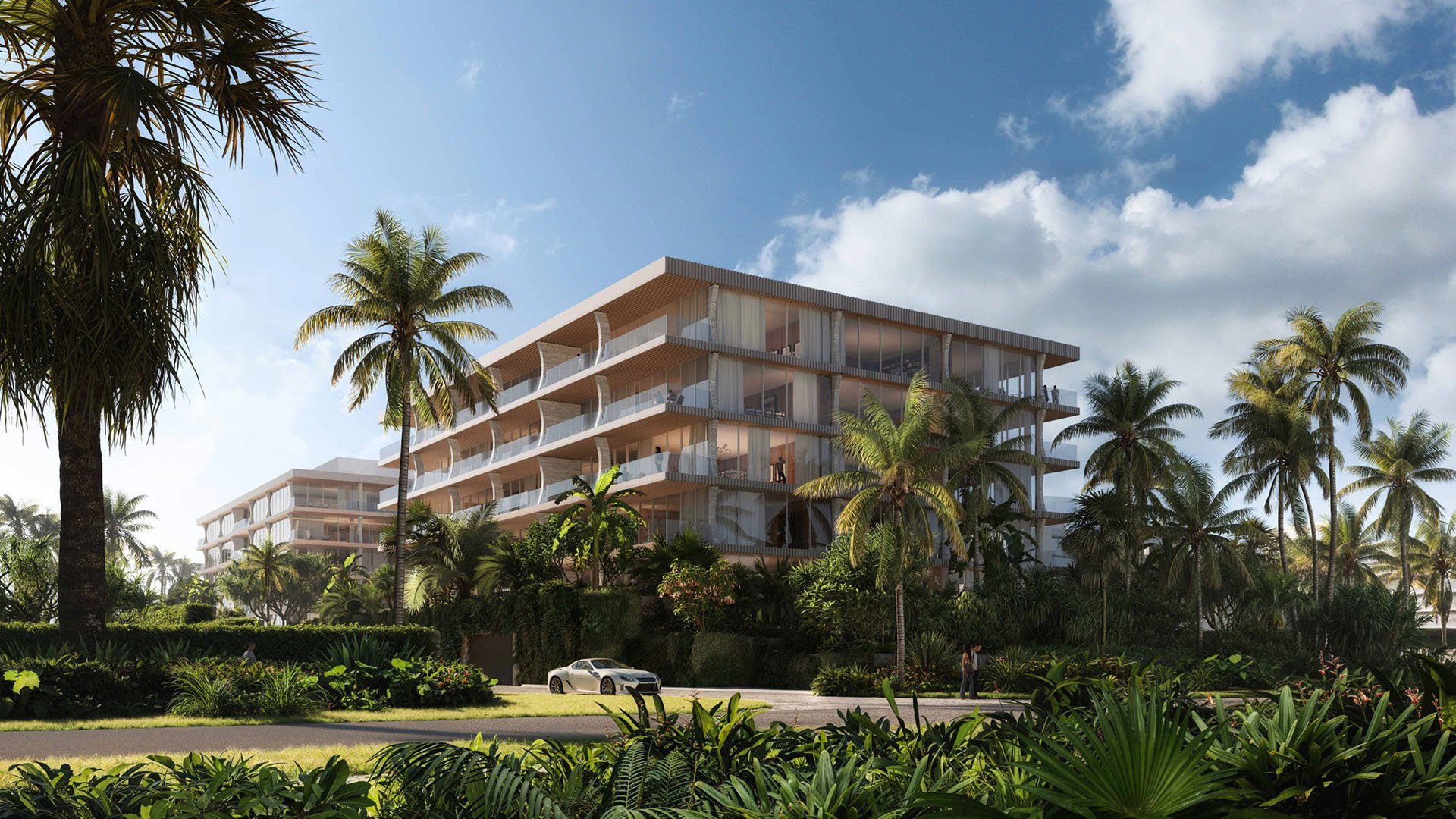
In Miami and Palm Beach, wellness has moved well beyond brochure language around a gym, spa room, or yoga deck. For high-net-worth buyers, it is now a material purchase consideration tied to daily comfort, privacy, recurring cost, health control, and eventual resale positioning. The sharper question is not whether a residence offers wellness, but where that wellness lives: inside the private home, within the shared building environment, or in a carefully calibrated balance of both.
That distinction matters in South Florida. Climate, humidity, hurricane exposure, seasonal occupancy patterns, and a health-conscious buyer base all influence how wellness features should be evaluated. A beautifully photographed amenity space may be meaningful for one buyer and peripheral for another. A private air system, circadian lighting plan, or dedicated recovery room may be used every day by a full-time family, yet sit largely underused by a seasonal resident who values staffed shared amenities and lock-and-leave simplicity.
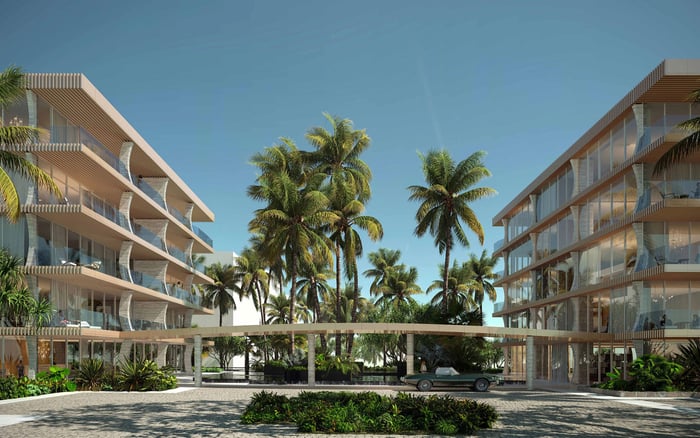
Buyers comparing residences such as The Well Bay Harbor Islands, The Well Coconut Grove, or Brickell offerings such as The Residences at 1428 Brickell should separate wellness claims into two columns: what the residence itself gives you direct control over, and what the building operates on your behalf.
Private wellness begins with control. Inside the residence, the buyer can determine whether health-oriented features are truly integrated into everyday living or simply added as optional finishes. Indoor environmental quality is the central starting point. Ask how air purification is handled, whether systems are independent or building-connected, what maintenance is required, and who is responsible for filters, service calls, replacements, and long-term performance.
Lighting deserves the same rigor. Circadian lighting can be valuable when it is designed around the rhythms of bedrooms, bathrooms, kitchens, work areas, and evening entertaining spaces. A single programmable fixture is not the same as a coordinated lighting strategy. Buyers should ask whether controls are intuitive, whether scenes can be customized, and whether the system will remain serviceable years after closing.
Privacy is another decisive advantage. A private sauna, plunge feature, massage room, meditation space, or fitness area may appeal to buyers who prefer discretion, irregular schedules, or family-only use. For confidentiality-sensitive individuals, the ability to train, recover, and receive wellness services without entering a shared amenity zone can matter more than the scale of the building spa.
The tradeoff is responsibility. In-unit wellness often brings direct ownership of upkeep. Buyers should review warranties, service obligations, replacement cycles, insurance implications, and whether specialized equipment affects mechanical rooms, ventilation, moisture control, or noise transfer. In a luxury tower, the best private wellness feature is one that still feels effortless after the novelty has passed.
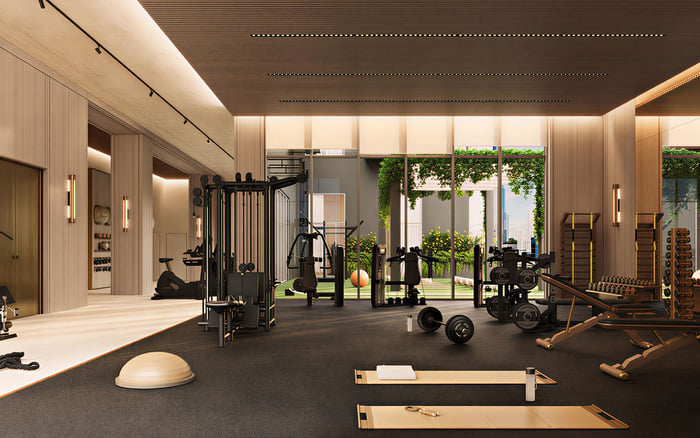
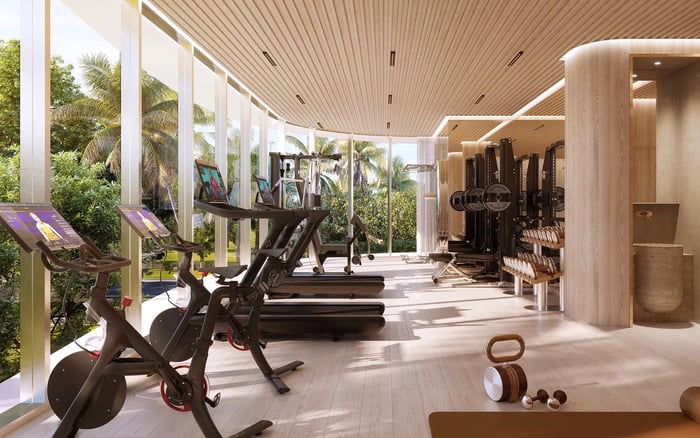
Shared wellness is about operations. A building can present serene amenity renderings, but the enduring value depends on management standards, staffing, access rules, cleanliness, programming, and crowd control. Buyers should ask how often facilities are serviced, whether reservations are required, how peak seasonal demand is handled, and whether guest use is limited or expansive.
Quality also depends on relevance. A pool, spa, fitness studio, treatment room, or movement space should match the resident profile. Full-time families may care about daily availability and practical convenience. Seasonal residents may care more about a curated environment that feels ready on arrival. Social buyers may value programming, while privacy-focused buyers may prefer fewer shared touchpoints.
Association costs should be reviewed with particular care. Shared wellness amenities can influence recurring expenses, staffing requirements, maintenance reserves, and future capital needs. A spectacular amenity program can support lifestyle and resale appeal, but only if the cost structure is transparent and the resident body continues to value the offering over time.
For buyers considering oceanfront or waterfront settings, including The Ritz-Carlton Residences® Palm Beach Gardens, shared wellness should be evaluated alongside exposure, humidity management, elevator access, parking flow, and the practical ease of using amenities during peak periods. The setting may be restorative, but operations determine whether that promise holds up day after day.
The right mix depends on how the residence will actually be lived in. A full-time family may prioritize private air quality, quiet bedrooms, adaptable lighting, daily fitness access, and durable systems. For them, wellness is less about ceremony and more about routine. They should focus on the parts of the home that support sleep, recovery, concentration, and calm during an ordinary week.
A seasonal resident may take a different view. If the property is used for concentrated periods, shared amenities with strong management can be more valuable than equipment that sits idle. The questions shift toward access, staffing, maintenance while away, and whether the association can preserve quality during high-demand months.
A discreet buyer may place privacy above abundance. For that buyer, the best wellness plan may be a smaller private suite of features supported by selective use of shared spaces. The goal is not to maximize every amenity, but to reduce friction and visibility.
Brickell buyers, in particular, often weigh wellness against urban convenience, dining, work proximity, and vertical living. New-construction buyers should be careful not to treat every wellness label as equal. The practical distinction is whether the feature improves daily life, whether it can be maintained, and whether future buyers will understand its value.
Before signing, buyers should bring wellness into the same due-diligence conversation as floor plans, views, finishes, reserves, and association governance. Ask the developer or seller which wellness systems are included, which are upgrades, which are personal property, and which are maintained by the association. Ask the attorney to review documents for rules affecting private equipment, service providers, moisture-producing features, and alterations.
Financially, wellness should be examined on two levels: personal operating cost and shared association cost. Private systems may require periodic servicing, while shared amenities may require staffing, maintenance, insurance, and reserves. Neither is inherently better. The stronger choice is the one that aligns with actual usage and remains understandable at resale.
Resale value depends on clarity. Future buyers are more likely to reward wellness features that are practical, documented, well-maintained, and integrated into the residence or building experience. Vague wellness language fades. A clear record of systems, service standards, and operating costs gives the feature substance.
Should I prioritize in-unit wellness or shared wellness? Prioritize the option you will use most often. In-unit wellness favors privacy and control, while shared wellness favors breadth, staffing, and convenience.
What is the first in-unit wellness feature to evaluate? Start with indoor environmental quality. Air purification, humidity management, and maintenance responsibility affect daily comfort in South Florida.
Are shared wellness amenities good for resale? They can support resale when they are well-managed, appropriately funded, and valued by the resident profile. Poorly operated amenities can become a cost concern.
Why does privacy matter so much in wellness residences? Private wellness allows residents to train, recover, or receive services without relying on shared spaces. That can be important for families and confidentiality-sensitive buyers.
How should seasonal residents evaluate wellness? They should focus on ease of use, staffing, maintenance while away, and peak-season access. A beautifully run shared program may be more useful than private equipment.
What should full-time families look for? Full-time families should assess air quality, lighting, sleep environments, daily fitness access, and durable systems. Routine usability matters more than novelty.
Do wellness amenities increase association costs? They may, especially when staffing, specialized maintenance, programming, and reserves are required. Buyers should review the budget and governing documents carefully.
Is circadian lighting worth considering? It is worth considering when it is integrated throughout the residence and easy to control. Isolated lighting features may have limited daily impact.
What should my attorney review? Your attorney should review rules for private equipment, alterations, service access, association obligations, and any recurring costs tied to wellness amenities.
What is the best way to shortlist comparable options for touring? Start with location fit, delivery status, and daily lifestyle priorities, then compare stacks and elevations to validate views and privacy.
For a confidential assessment and a building-by-building shortlist, connect with MILLION.
If branded residences are on your mind — as a home or as an allocation — we would be glad to share what we are seeing, privately.
Begin a quiet conversation