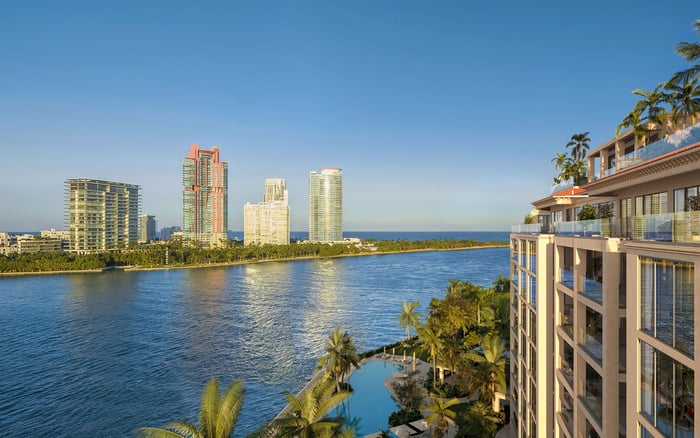
A buyer-focused editorial guide to evaluating Fisher Island branded residences through the lenses of service quality, premium discipline, governance, and future resale positioning.
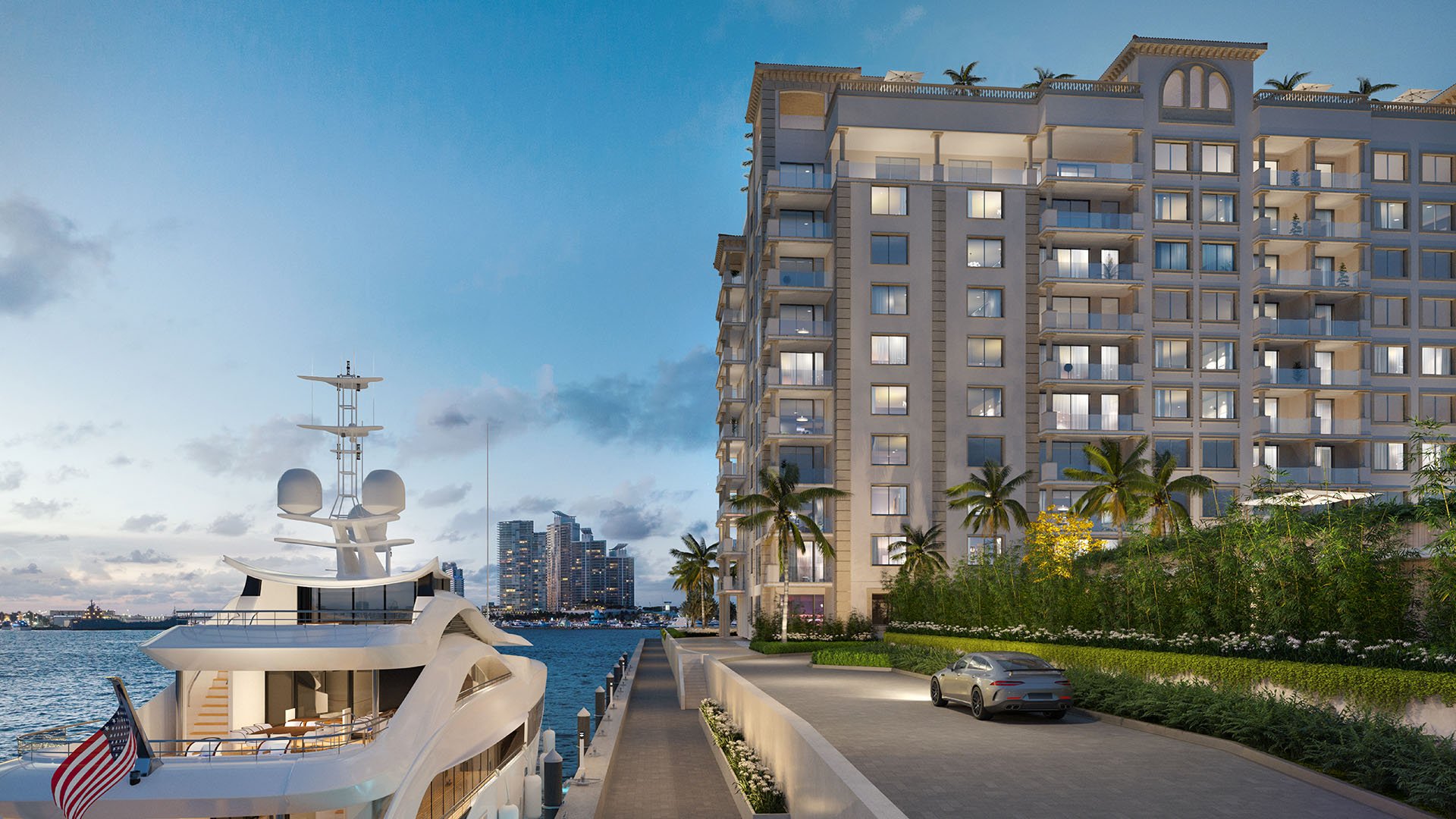
In the highest tier of South Florida real estate, the word luxury has become too broad to be useful. Finishes can be replicated, views can be marketed, and amenity decks can be photographed beautifully. Service is different. It is experienced over time, through the quiet consistency of daily life and the confidence that a residence will be managed with the discretion sophisticated owners expect.
That is the essential lens for Fisher Island branded residences. Buyers are not simply evaluating architecture or square footage. They are evaluating a residential ecosystem: how staff communicate, how common areas are maintained, how privacy is protected, how guests are received, and how issues are resolved when no one is watching. The strongest buildings feel calm because their operations are disciplined.
For a buyer comparing Fisher Island opportunities, projects such as The Residences at Six Fisher Island invite a broader question: what does the ownership experience feel like after the first season? The answer depends less on brochure language than on governance, staffing culture, service protocols, and the financial structure supporting them.
A branded residence should not be treated as a logo attached to a condominium. At this level, brand value is strongest when it translates into measurable residential behavior. That includes consistency of service, clarity of standards, thoughtful design choices, and continuity between the promise made during sales and the experience delivered after closing.
The challenge is that branding can mean different things across the market. In one building, the brand may shape hospitality and daily operations. In another, it may be more closely associated with design identity, lifestyle programming, or recognition among global buyers. Neither model is inherently superior, but a purchaser should understand exactly what is being purchased.
This is where premium discipline matters. A buyer considering Palazzo del Sol may be drawn to the Fisher Island context, while another evaluating Palazzo della Luna may prioritize a different blend of privacy, design, and residential feel. The analysis should move beyond name recognition and ask whether the building’s daily experience aligns with the buyer’s habits.
Premiums in ultra-luxury real estate are rarely explained by one feature. They are an accumulation of scarcity, address perception, views, condition, floor plan quality, service depth, building reputation, and the likelihood that future buyers will understand the same value proposition. The branded component can add confidence, but it should never replace due diligence.
The most disciplined buyers separate emotional preference from underwriting. They ask whether the premium is being paid for durable attributes or for a fleeting market moment. Durable attributes tend to be difficult to reproduce: a compelling setting, strong privacy, well-executed plans, a building culture that attracts like-minded owners, and management that protects the residential experience.
A premium can be rational if it buys time, comfort, discretion, and future market recognition. It becomes fragile when it depends too heavily on décor, temporary scarcity, or assumptions about endless appreciation. In an ultra-premium setting, the best purchase is often not the least expensive option. It is the residence whose quality, carrying structure, and buyer audience remain legible over many years.
For digital searches, Fisher Island may function as shorthand, but refined buyers quickly move past labels. The real decision is whether a specific residence fits the owner’s life, household structure, travel rhythm, and expectations for privacy.
Resale is not a future problem. It is part of the acquisition strategy from the first tour. A residence that feels personal should still be evaluated through the eyes of a future buyer. That does not mean choosing blandly. It means understanding which features are broadly desired and which decisions may narrow the audience later.
Floor plan logic matters. So do natural light, terrace usability, privacy from neighboring residences, elevator experience, parking convenience, storage, and the overall ease of living. In branded residences, the service reputation of the building can become part of the resale story, but only if it remains credible and consistent over time.
The buyer pool for Fisher Island is discerning, and often patient. That can be an advantage for a well-positioned residence, but it can also punish overcustomization or unrealistic pricing. Future liquidity depends on how clearly the property communicates its value to the next qualified buyer.
This is especially important when comparing condominium residences with estate-oriented alternatives such as The Links Estates at Fisher Island. The choice is not simply vertical versus horizontal living. It is a decision about maintenance expectations, household staffing, privacy preferences, and how a future buyer will interpret the asset.
The best questions are not always dramatic. How are service requests handled? Who makes decisions when standards slip? How are vendors controlled? What is the culture of the building staff? Are rules enforced consistently? Does the ownership structure encourage preservation of quality, or does it invite deferred decisions?
A polished sales environment can answer some of these questions, but not all. Buyers should review documents carefully, understand recurring costs, study governance, and pay attention to the tone of the building. A residence can be beautifully designed and still be less compelling if the operational foundation is unclear.
Service also includes restraint. In the most refined buildings, staff presence is attentive without becoming theatrical. The goal is not performance, but ease. Owners should feel that the building anticipates needs, protects privacy, and maintains standards without demanding constant involvement.
For many clients, this is where second-home, investment, and resale considerations intersect. A second residence must be effortless when the owner arrives, financially rational when held, and credible when eventually offered back to the market.
Fisher Island occupies a distinctive place in the South Florida conversation because buyers who consider it are often comparing not just buildings, but lifestyles. Some may also study waterfront options in Miami Beach, Surfside, Sunny Isles, Coconut Grove, Brickell, or Palm Beach. The question is not which address is universally best. The question is which setting offers the right balance of privacy, service, access, and long-term ownership comfort.
That is why comparisons should be precise. A branded tower in an urban district may offer energy and immediacy. A beachfront residence may emphasize resort rhythm. A Fisher Island residence may appeal to buyers who value discretion and a more self-contained ownership experience. Each model has a different resale audience and a different premium structure.
The most successful buyers do not chase the loudest narrative. They identify the form of luxury they will actually use. Then they test each residence against that standard, including service, governance, carrying costs, future buyer depth, and the emotional durability of the setting.
What is the main value driver in Fisher Island branded residences? Service consistency is often the most important variable because it shapes daily ownership long after the initial purchase.
Should a buyer pay more for a branded residence? A premium can be justified when the brand supports durable service, management quality, design discipline, and future buyer confidence.
How should I evaluate service standards before buying? Study governance, staffing culture, building rules, recurring costs, and how consistently the property appears to be maintained.
Does branding guarantee stronger resale? No. Branding can help recognition, but resale also depends on pricing, condition, floor plan, views, privacy, and buyer demand.
What makes a residence more liquid later? Broadly appealing layouts, strong maintenance, privacy, restrained customization, and credible building operations generally help.
Is Fisher Island better for a primary home or a second home? It depends on lifestyle. Buyers should weigh service expectations, household needs, travel patterns, and desired level of privacy.
How should carrying costs factor into the decision? They should be reviewed as part of the value proposition, since premium service requires a financial structure that supports it.
Can overcustomization hurt resale? Yes. Highly personal finishes may reduce the future buyer pool, even when the underlying residence is exceptional.
What should buyers compare across Fisher Island buildings? Compare service culture, privacy, governance, residence condition, floor plan quality, and the likely depth of future demand.
When should resale strategy be discussed? Before contract. The best acquisition decisions consider both the owner’s enjoyment and the next buyer’s likely response.
If you'd like a private walkthrough and a curated shortlist, connect with MILLION.
If branded residences are on your mind — as a home or as an allocation — we would be glad to share what we are seeing, privately.
Begin a quiet conversation