A buyer-focused look at Mr. C Residences West Palm Beach through the lens of staff circulation, back-of-house planning, service routes, privacy, and long-term operating discipline.
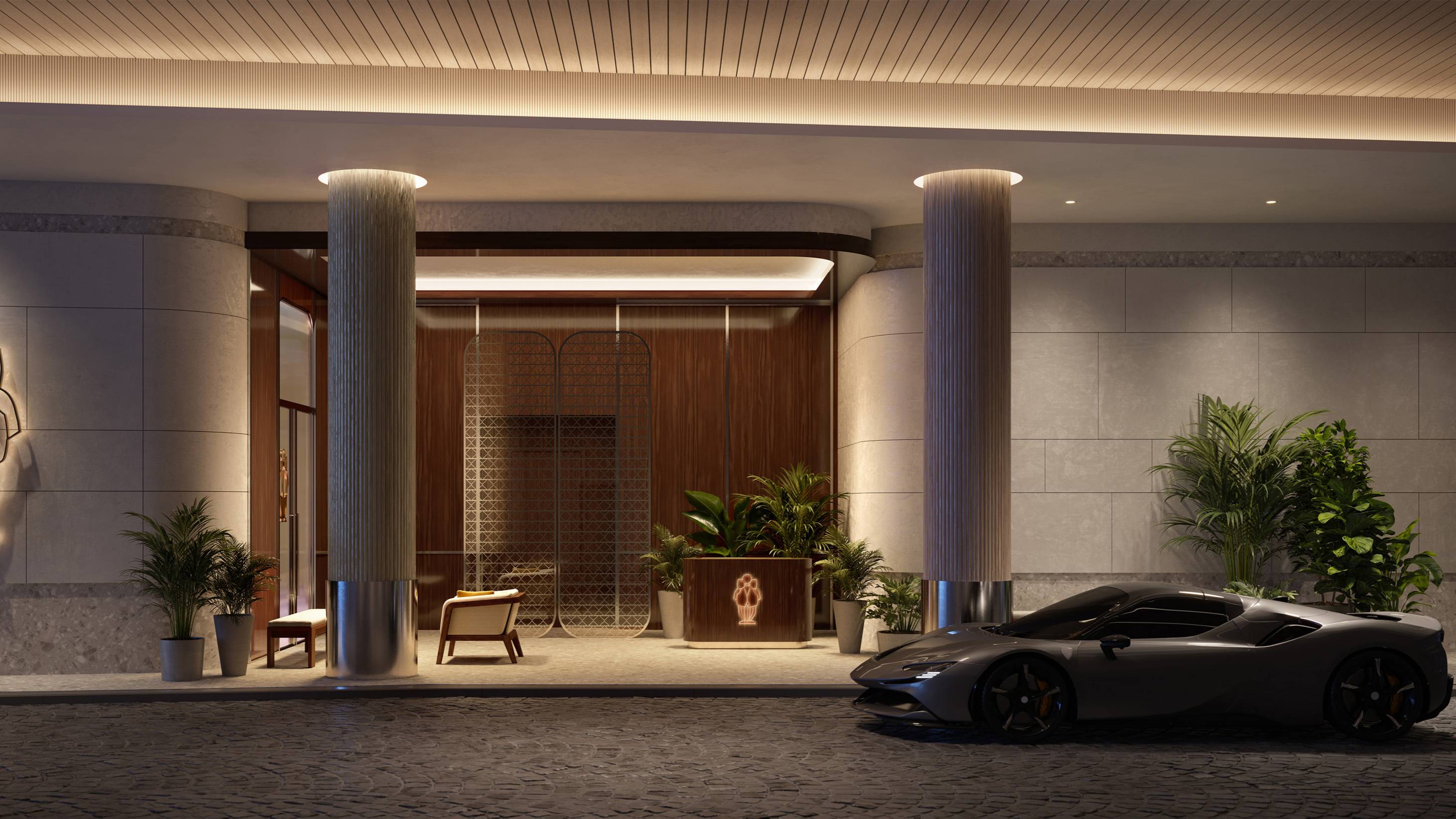
For a certain buyer, the most important amenity at Mr. C Residences West Palm Beach will not be the most photogenic one. It will be the one few people discuss in the sales gallery: how staff, vendors, carts, food, linen, engineering, valet, and deliveries move through the building while residents are trying to live privately.
That is the right lens for this project. The Mr. C name carries a hospitality implication, and hospitality is not merely a mood. It is an operating system. In a true high-service residential environment, the best experiences often happen because the mechanics are invisible. The resident never sees the delivery path, the housekeeping cart, the maintenance staging area, or the friction resolved before it reaches the front door.
For buyers who care more about staff flow than social amenities, the due diligence is not whether the building sounds luxurious. It is whether the building can operate luxuriously.
Visible amenities are easy to evaluate. Pools, lounges, wellness rooms, dining areas, and arrival spaces can be rendered beautifully and toured emotionally. Operational infrastructure is different. It asks less glamorous questions: where workers enter, where vendors wait, how carts move, where linen is stored, how food is staged, and whether staff movements overlap with resident circulation.
This distinction matters because daily convenience is often determined by invisible systems. A building can look serene while functioning awkwardly if service traffic is pushed through resident routes. Conversely, a more discreet building can feel exceptionally refined if service elevators, loading access, housekeeping routes, and back-of-house storage are properly coordinated.
At Mr. C Residences West Palm Beach, buyers should treat staff flow as a central ownership question, not a secondary technicality. The point is not to assume a flaw or a strength. The point is to verify whether the hospitality promise is supported by physical planning and future operating discipline.
Privacy in a high-service condominium is not only about private elevators, secure access, or residence separation. It is also about who passes through the threshold environment and how often. Housekeeping teams, maintenance personnel, food-service staff, delivery workers, and vendors all need to move. The question is whether that movement is choreographed in a way that protects the resident experience.
A service-focused buyer should ask directly whether housekeeping carts, deliveries, maintenance teams, and food-service staff use passenger elevators or separate service routes. The answer affects far more than optics. It shapes noise, timing, lobby congestion, corridor encounters, and the sense of calm outside each residence.
The most revealing questions are physical and procedural. Where do staff enter? Where do vendors park? Where are carts stored between runs? How does trash move? How does laundry move? Who resolves conflicts when peak-season demand compresses valet, concierge, food delivery, and maintenance needs into the same hour?
In South Florida, where seasonal occupancy can dramatically change the rhythm of a building, these questions are not theoretical. They determine whether service feels effortless or intrusive.
Branded residences invite a higher standard because the brand creates an expectation of hospitality rather than conventional condominium administration. For Mr. C Residences West Palm Beach, the operational question is especially important: is the building planned like a true hospitality-service environment, or like a traditional condo with elevated branding?
Back-of-house capacity is where that distinction becomes real. Buyers should review the practical depth of linen storage, housekeeping supply areas, engineering space, staff changing areas, loading functions, and staging zones. If these areas are insufficient, service quality can become dependent on improvisation. If they are thoughtfully planned, the resident may never notice them, which is precisely the point.
Food-and-beverage service deserves particular scrutiny. It is one thing to admire the lifestyle promise of in-building hospitality. It is another to understand how orders are staged, delivered, cleared, and separated from resident lobby and amenity traffic. The refined version is not theatrical. It is quiet, punctual, and cleanly routed.
For buyers accustomed to full-service buildings in New York, London, or Miami Beach, this is where benchmarking becomes valuable. The comparison is not merely about brand prestige. It is about whether service elevators, staff corridors, loading access, and back-of-house rooms are robust enough to sustain the promised experience.
West Palm Beach has entered a more sophisticated stage of luxury residential demand, and service expectations are rising with it. Buyers comparing Mr. C should look beyond amenity menus and study how each building proposes to manage daily operations. Nearby projects such as Alba West Palm Beach, Forté on Flagler West Palm Beach, and The Ritz-Carlton Residences® West Palm Beach can serve as part of a broader comparison set for buyers studying service models, arrival sequences, and ownership priorities.
The comparison should stay disciplined. Do not ask which presentation feels more glamorous. Ask which plan is most likely to function under pressure. Peak-season demand is the test. Valet, concierge, engineering, housekeeping, food delivery, package management, and vendor access should all be considered together, because residents experience the building as one system.
This topic sits squarely within the West Palm Beach and Palm Beach conversation, but it also belongs to the broader new-construction and pre-construction due-diligence mindset. The earlier a buyer asks operational questions, the more leverage there is to understand the building before ownership habits are fixed.
The strongest staff-flow analysis does not end with floor plans. It continues into the condominium documents, budget, staffing assumptions, service standards, and post-turnover governance structure. A building can be designed with ambition, but long-term service quality depends on whether the association is funded and governed to protect that ambition.
Buyers should review whether staffing levels appear sustainable, whether operating costs reflect the desired service standard, and whether the future board will have clear incentives to maintain the service culture. After developer turnover, priorities can shift. Some owners may value lower monthly costs over staffing depth. Others may insist that the building preserve its hospitality identity. That tension should be understood before purchase.
Maintenance discipline is part of the same equation. Service elevators, corridors, loading zones, engineering areas, and storage rooms are not glamorous, but they require care. If those systems decline, the resident-facing experience eventually feels it.
This article is not for the buyer who wants the loudest amenity deck or the busiest social calendar. It is for the buyer who notices whether a lobby feels congested, whether deliveries arrive discreetly, whether staff know where to go, and whether a residence can remain calm even when the building is active.
For that buyer, the ideal outcome at Mr. C Residences West Palm Beach would be a high-service, low-friction home where staff presence is effective but largely unobtrusive. The best luxury is not always the thing one can photograph. Sometimes it is the absence of interruption.
Why does staff flow matter at Mr. C Residences West Palm Beach? Staff flow affects privacy, convenience, service quality, and how calm the building feels during daily life.
Should buyers focus less on social amenities? Not less, but differently. Social amenities are visible, while operational infrastructure often determines whether the residence remains effortless over time.
What are the most important service-route questions? Ask about service elevators, loading access, housekeeping routes, food delivery paths, and whether staff share resident corridors.
How should food-and-beverage service be evaluated? Buyers should understand where orders are staged, how they are delivered, how cleanup works, and whether service traffic is separated from resident areas.
What back-of-house areas deserve review? Linen storage, housekeeping supplies, engineering space, staff changing areas, cart storage, and staging zones are all important.
Does the Mr. C brand guarantee strong operations? The brand raises the expectation, but buyers should verify that the physical plan, budget, and governance can support the promised service.
Why is peak season important in this analysis? Peak season places simultaneous pressure on valet, concierge, housekeeping, deliveries, engineering, and food service.
What should buyers review in condominium documents? They should study staffing assumptions, operating budgets, service standards, governance provisions, and post-turnover responsibilities.
Is this mainly a concern for full-time residents? Full-time residents may feel it most, but seasonal owners also benefit from discreet service and organized building operations.
What is the ideal outcome for this buyer profile? A residence where service is present, responsive, and largely invisible, preserving privacy without sacrificing convenience.
For a discreet conversation and a curated building-by-building shortlist, connect with MILLION.
If branded residences are on your mind — as a home or as an allocation — we would be glad to share what we are seeing, privately.
Begin a quiet conversation