A disciplined 2026 buyer test for lower-floor residences at Continuum Club & Residences North Bay Village, focused on line-by-line value, elevation, amenity adjacency, view quality, flood perception, and resale liquidity.
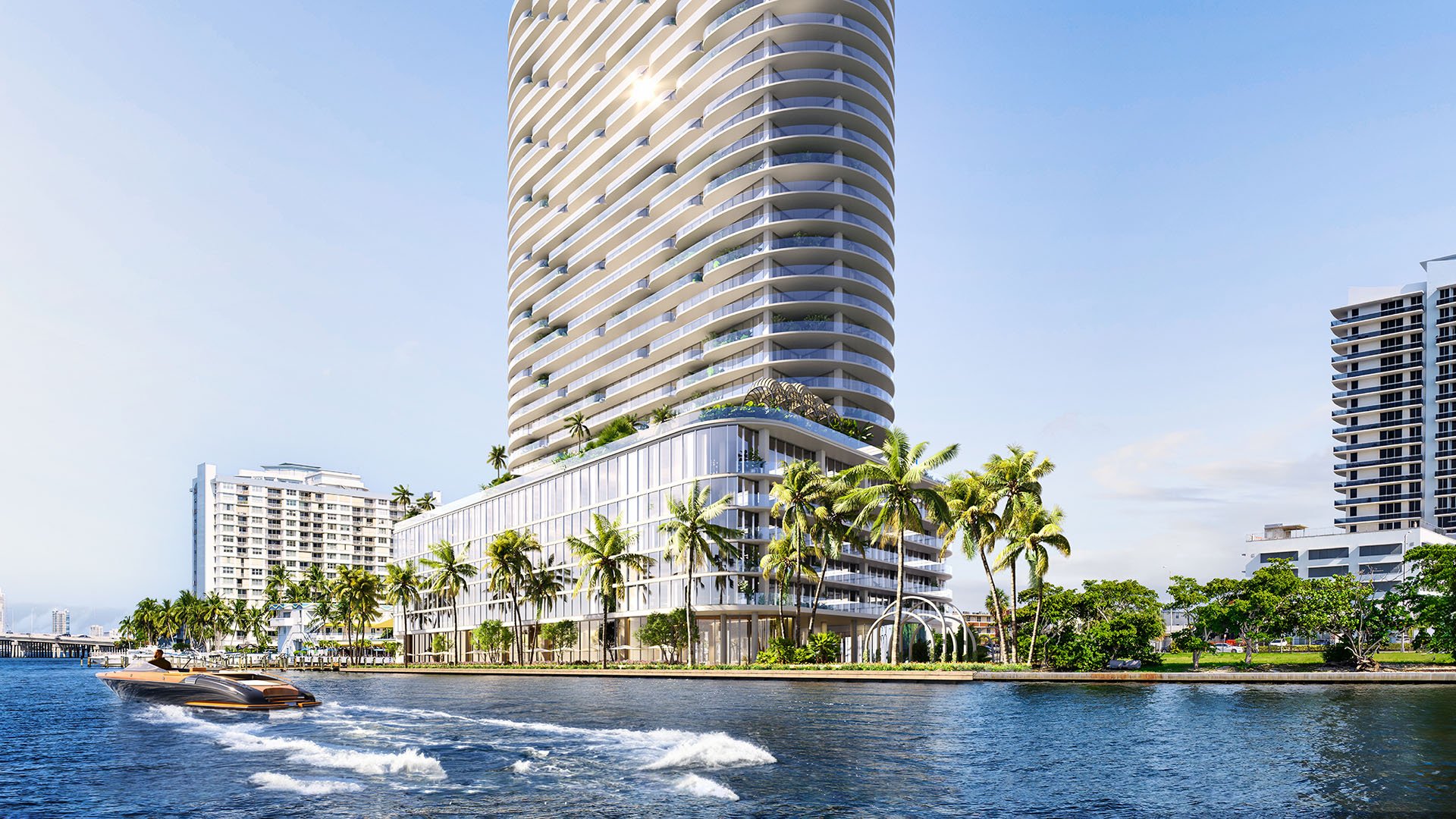
For buyers evaluating Continuum Club & Residences North Bay Village, the defining 2026 question is not whether higher is automatically better. It is whether a lower-floor residence can deliver superior risk-adjusted value once price, view utility, privacy, flood perception, amenity adjacency, and resale liquidity are weighed together.
That distinction matters in North Bay Village, where water exposure and elevation are not abstract lifestyle features. They sit at the center of how buyers interpret value. A bayfront setting can reward height with longer view corridors and greater separation from activity below. Yet lower floors can sometimes offer a more rational entry point if the discount is meaningful, the line is protected, and the daily-use experience remains genuinely residential rather than compromised.
For a buyer screening North Bay Village inventory, this is not simply a lower-floor debate. It is a waterview, marina, and investment question, because the best answer depends on the exact residence line, not the floor number alone.
The central mistake is treating all lower-floor residences as one category. In a bayfront building, two homes within the same elevation band can live very differently. One may face a cleaner water corridor with strong natural light and limited direct adjacency. Another may look into amenity activity, service movement, docks, or neighboring structures.
The buyer test should begin with the same line. Compare a lower-floor residence against mid- and upper-floor versions of that same plan, then isolate what the vertical premium actually buys. Does it deliver a materially better view, more privacy, quieter outdoor space, stronger light, and likely better resale liquidity? Or is the higher-floor premium mostly psychological, attached to a number in the elevator bank rather than a daily-use improvement?
This is where disciplined buyers can identify mispricing. A lower-floor home with strong exposure and a fair discount may outperform a higher-floor alternative with only modest incremental view benefit. Conversely, a lower-floor home with amenity noise, limited privacy, or visible service adjacency may need a far deeper discount before it becomes compelling.
A lower-floor opportunity is only real if the price gap is measurable against the same line. Buyers should avoid comparing a lower-floor two-bedroom in one exposure with a larger or differently oriented residence elsewhere in the stack. The sharper comparison is same plan, same orientation, different elevation.
The question is direct: does the lower-floor price per square foot compensate for reduced height, potentially weaker view quality, and future buyer sensitivity around flood perception? If the spread is thin, the lower floor may be offering a lower absolute price without better value. If the spread is meaningful and the residence still has privacy, water character, and functional light, the trade-off becomes more persuasive.
This is especially important in 2026, when buyers are more attentive to carrying costs, insurance sentiment, macro volatility, and downside protection. In that environment, the strongest purchase is rarely the cheapest unit. It is the residence where the discount is large enough to absorb the perceived compromises without weakening the exit story.
Lower-floor underwriting must go beyond what can be seen from the balcony. Finished-floor elevation, slab heights, lobby and garage design, mechanical placement, and stormwater or flood-mitigation systems all deserve scrutiny before a buyer treats any discount as value.
This is not a call to avoid lower floors. It is a call to separate design resilience from marketing language. A thoughtfully elevated residential level with critical systems placed intelligently may feel very different from a home that is simply closer to the ground plane. Buyers should understand how the building handles water, where essential equipment is located, and whether the arrival sequence, garage, and common areas support confidence in a storm-aware market.
The same logic applies to future resale. Even if a buyer is comfortable with the physical design, the next buyer may focus first on perception. In bayfront Miami-area locations, perception can influence liquidity. A lower-floor purchase must therefore be priced with enough margin to satisfy both personal comfort and eventual market skepticism.
In luxury buildings, proximity to amenities can be seductive. Shorter elevator rides, quick access to pools and lounges, and an easier relationship with the waterfront can make a lower-floor residence feel more connected to the life of the building. For some buyers, that convenience has real utility.
But adjacency has two sides. Pool decks, lounges, marina areas, service corridors, and social spaces can introduce sound, movement, light, and privacy trade-offs. A residence near the right amenity edge may feel effortless. A residence near the wrong one may feel exposed.
This is why walk-through timing matters. Buyers should study the residence during active hours, not only during a quiet appointment. Look at sightlines from shared spaces into private terraces. Listen for pool activity, marina operation, and service circulation. A lower-floor home that feels serene when amenities are active is materially more valuable than one that requires constant compromise.
Nearby waterfront comparisons can sharpen the eye. Projects such as Shoma Bay North Bay Village invite buyers to think carefully about how amenity programming, water orientation, and neighborhood context influence the lived experience, even when the basic appeal of bayfront living appears similar.
Waterfront value is not one-dimensional. A lower-floor residence may have intimate water presence, but the marina configuration and shoreline activity can shape that experience every day. Boats, docks, seawall movement, and maintenance activity may add visual texture for one buyer and feel intrusive to another.
The key is to decide whether the lower-floor view feels like a private water relationship or a front-row seat to operational activity. A higher floor may visually clear certain elements, while a lower floor may feel closer to the bay and more connected to the waterfront. Neither is automatically superior. The value depends on whether the discount reflects the exact condition.
This is also where cross-market intuition helps. Buyers who have evaluated boutique bayfront offerings such as La Baia North Bay Harbor Islands and Onda Bay Harbor often understand that waterfront orientation is a line-by-line exercise. The same waterfront address can contain very different resale stories.
A lower-floor residence should pass a simple exit test: will the next buyer understand the value quickly? If the answer requires too much explanation, the discount may not be enough. Strong lower-floor value usually has an obvious logic: fair pricing, protected exposure, credible elevation, acceptable privacy, and a view experience that still feels worthy of the building.
The strongest 2026 buyers will compare the vertical pricing curve with the actual differences in view, natural light, privacy, and exit liquidity. They will not pay blindly for height, and they will not chase a lower entry price without evidence of resilience.
At Continuum Club & Residences, the buyer test is therefore neither defensive nor contrarian. It is precise. If a lower-floor line preserves the qualities that matter and the price-per-square-foot discount is meaningful against higher floors in the same line, the value case can be credible. If the compromise is mainly absorbed by the buyer rather than reflected in the price, patience is the better luxury.
Can lower-floor residences at Continuum Club & Residences offer better value in 2026? Yes, but only if the discount compensates for view, privacy, elevation, and resale perception.
Should buyers compare lower floors to all higher floors? The cleanest test is same line, same exposure, and different elevation, because line quality can vary materially.
Is a lower absolute price enough to prove value? No. Buyers should study price per square foot and the practical trade-offs attached to the lower floor.
Why is finished-floor elevation important? It helps buyers understand how the residence relates to flood perception, storm design, and long-term confidence.
Can amenity proximity improve a lower-floor purchase? Yes, if it adds convenience without creating noise, privacy, or visibility issues.
What should buyers watch near marina areas? Boats, docks, seawall activity, and service movement can affect both view quality and daily livability.
Are higher floors always more liquid on resale? Not always. A well-priced lower-floor line with strong exposure can compete if its value is immediately legible.
How should insurance sensitivity affect underwriting? Buyers should leave enough pricing margin to account for future buyer concerns around carrying costs and risk.
Is North Bay Village different from inland luxury markets? Yes. Water exposure, elevation, and waterfront orientation play a larger role in buyer psychology.
What is the simplest lower-floor rule for 2026 buyers? Buy the line, not the floor, and demand a discount that clearly reflects every real compromise.
For a discreet conversation and a curated building-by-building shortlist, connect with MILLION.
If branded residences are on your mind — as a home or as an allocation — we would be glad to share what we are seeing, privately.
Begin a quiet conversation