A buyer-focused comparison of Shoma Bay in North Bay Village and Bay Harbor Towers in Bay Harbor Islands, viewed through ownership model, confidence factors, deposits, and due diligence.
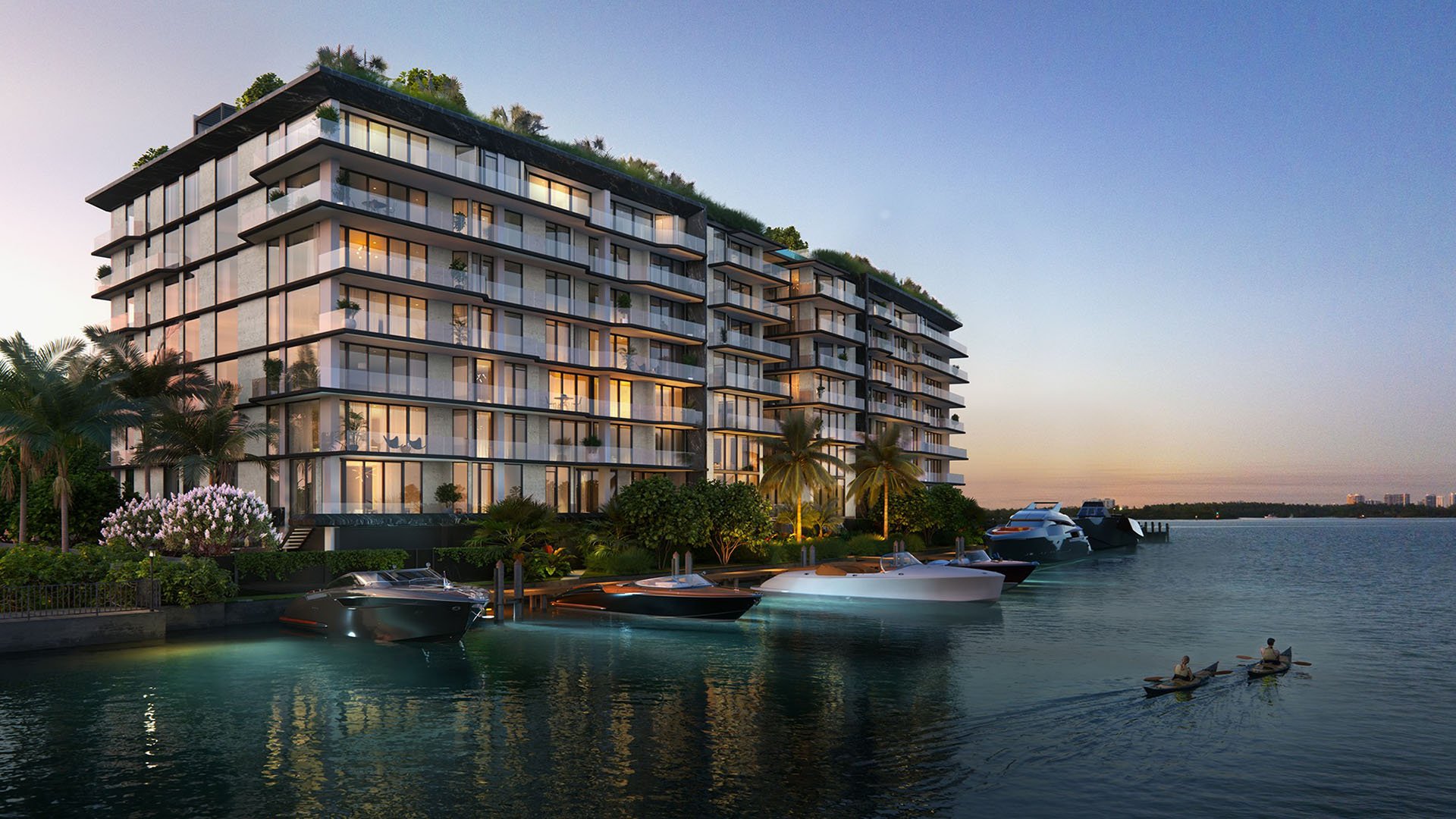
For sophisticated South Florida buyers, confidence in pre-construction is rarely defined by a single variable. It is not merely the rendering, the waterfront angle, or the first impression of the sales gallery. It is the alignment of ownership model, deposit structure, developer record, lifestyle expectation, and the buyer’s own tolerance for complexity.
That is where Shoma Bay North Bay Village and Bay Harbor Towers create a useful comparison. Both belong in the South Florida pre-construction conversation, yet buyers should approach each through project-specific documents rather than assumptions.
The distinction matters because ownership is not only about what a buyer owns inside the unit line. It is also about what surrounds that ownership. A buyer evaluating a more programmed residential environment may ask different questions than a buyer focused on a quieter, more traditional condominium setting.
The ownership model should be one of the first questions a buyer studies. Before comparing finishes, views, or amenity impressions, purchasers should understand what type of condominium structure is being offered, how shared areas are governed, and what the documents say about owner rights and obligations.
For Shoma Bay North Bay Village, buyers should review the offering materials, condominium documents, budget assumptions, rules, and any project-specific language that affects daily use. The goal is not to rely on marketing shorthand, but to understand how the building is intended to function once delivered.
For Bay Harbor Towers, buyers should apply the same discipline. Even when a project appears more residential in tone, confidence still comes from the written documents. Governance, use restrictions, association obligations, and delivery standards all deserve careful review.
A buyer’s preference may come down to temperament. Some purchasers want a building with more on-site activity and a fuller residential experience. Others prefer a calmer cadence, more discretion, and fewer perceived moving parts. Neither preference is universally superior; the stronger choice is the one that aligns with how the buyer expects to live.
Deposit structure should be treated as a verification point, not an assumption. Buyers evaluating Shoma Bay or Bay Harbor Towers should ask how deposits are staged, where funds are held, what conditions apply, and how cancellation rights are defined. Those details belong in project-specific documents, not broad market generalities.
The ownership model can shape how a buyer interprets the deposit obligation. A purchaser who values an active residential environment may want to understand how shared spaces, operating costs, and rules interact with the condominium structure. A purchaser focused on privacy and calm may concentrate on association budgets, unit delivery standards, and long-term operational expectations.
Neither approach is inherently more conservative. A larger or more programmed project can appeal to buyers seeking a fuller lifestyle proposition. A more restrained residential model can appeal to buyers seeking simplicity and quiet. The correct question is whether the deposit schedule and governing documents support the buyer’s expectations.
Developer track record is often discussed as if it were a single score. In practice, it works more subtly. Buyers want to know whether the vision can be executed, whether the finished building is likely to match the promise, and whether the ownership experience will feel coherent once the project is delivered.
That review should remain evidence-based. Buyers can evaluate prior delivery history, communication quality, document clarity, construction timeline language, and the way sales materials align with contract terms. A strong reputation may support confidence, but it should never replace legal, financial, and document review.
This is where new-construction buyers benefit from separating emotion from verification. Renderings create desire. Contracts define risk. Association documents shape daily life. Deposit terms determine commitment. The strongest purchasers keep all four in view.
The Shoma Bay buyer may be someone who values convenience, amenity depth, and a residential experience with more daily energy. That buyer may be comfortable with a building that feels like part of a broader lifestyle setting, provided the governing documents support the expectation.
The Bay Harbor Towers buyer may prioritize privacy, residential calm, and a more traditional sense of home. That buyer may prefer fewer distractions and a quieter ownership rhythm, provided the documents confirm how that experience will be protected.
The comparison is not a verdict. It is a filter. Shoma Bay and Bay Harbor Towers are useful because they clarify two different forms of confidence: one centered on a more active residential environment, the other centered on restraint and residential composure.
Before signing, buyers should review deposit timing, escrow terms, cancellation rights, construction and delivery language, rental rules, association documents, budget assumptions, and any provisions connected to amenities or shared-use areas. These are not decorative details. They determine how the ownership model operates once the marketing phase gives way to actual residency.
Buyers should also ask whether any materials are preliminary, whether specifications may change, and which representations are binding. In pre-construction, the safest approach is to treat every attractive promise as something that must be matched to a written provision.
The luxury buyer’s advantage is patience. When the ownership model, documents, and personal use case align, pre-construction can feel less speculative and more strategic.
Is this comparison focused on South Florida pre-construction buyers? Yes. It is framed for buyers evaluating Shoma Bay North Bay Village and Bay Harbor Towers through a South Florida pre-construction lens.
What is the most important first step before choosing between the two? Buyers should study the ownership model and project documents before relying on design impressions or lifestyle assumptions.
Should deposit structures be assumed from market norms? No. Deposit timing, escrow treatment, cancellation rights, and related terms should be verified in the project-specific contract materials.
Why does developer track record matter? It can help buyers assess execution confidence, but it should be reviewed alongside contracts, budgets, delivery language, and association documents.
Can a buyer rely on renderings alone? No. Renderings may help explain the vision, but the binding terms are found in the written agreements and condominium documents.
What should privacy-focused buyers review? They should review rules, governance, association structure, shared-space language, and any provisions that affect daily residential use.
What should lifestyle-focused buyers review? They should confirm how amenities, shared areas, operating costs, and use rights are described in the governing documents.
Are rental rules important before purchase? Yes. Rental rules can affect flexibility, personal use, investment planning, and long-term ownership strategy.
Should legal and financial advisors be involved? Yes. Pre-construction buyers should seek qualified legal and financial review before making a binding commitment.
What is the key takeaway for luxury buyers? The decision is less about declaring one project superior and more about matching the ownership model to the buyer’s lifestyle, documents, and risk profile.
For a discreet conversation and a curated building-by-building shortlist, connect with MILLION.
If branded residences are on your mind — as a home or as an allocation — we would be glad to share what we are seeing, privately.
Begin a quiet conversation