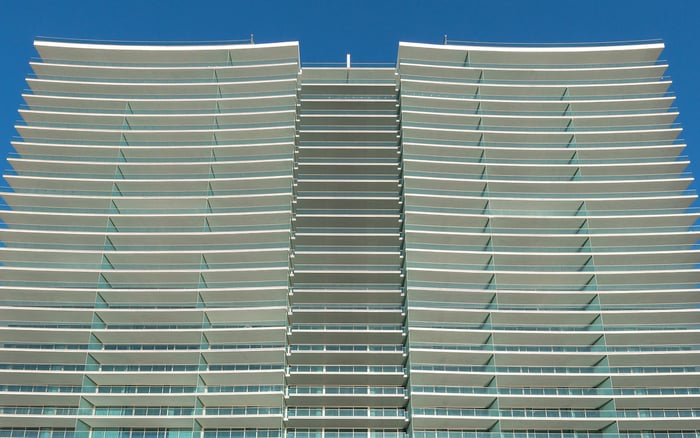
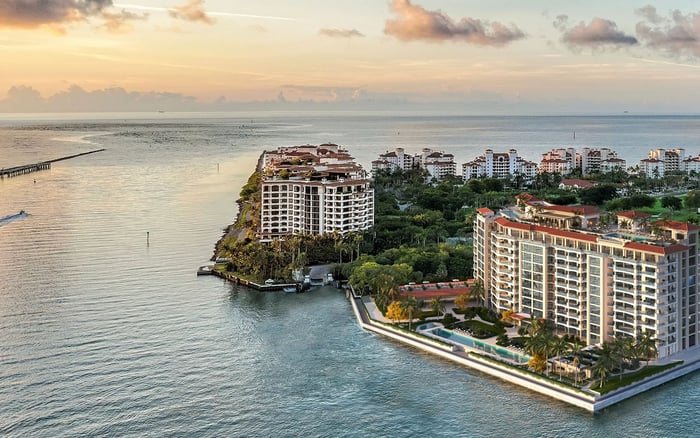
A discreet buyer’s guide to evaluating battery-backup, generator coverage, and resilience planning at Oceana Bal Harbour before purchasing an ultra-luxury oceanfront residence.
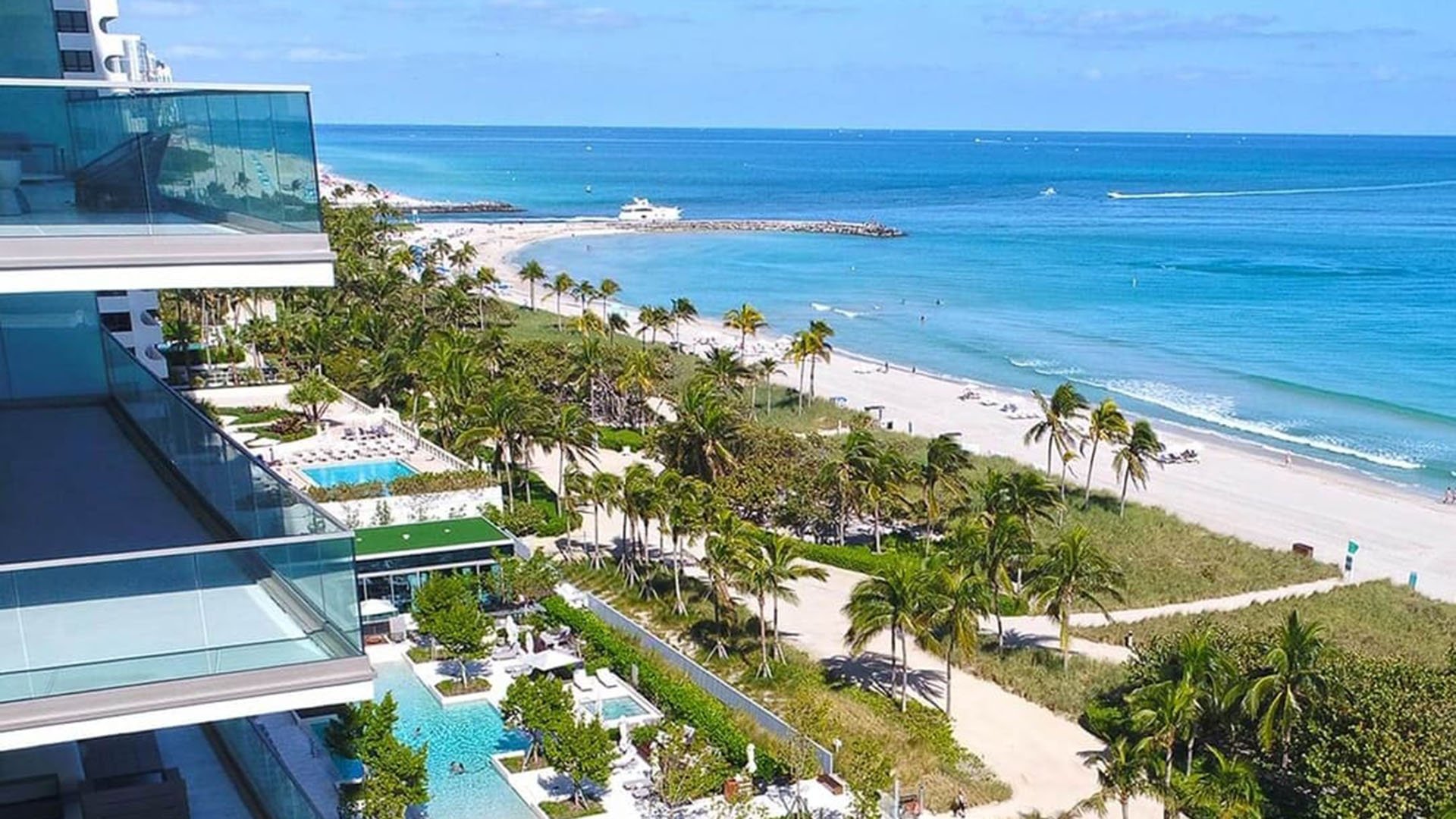
Oceana Bal Harbour is part of the ultra-luxury oceanfront conversation in Bal Harbour, where buyers often focus first on privacy, views, design, service, and the rhythm of coastal living. Those lifestyle priorities matter, but they should not crowd out a more practical question: how does the building perform when normal power is interrupted?
For sophisticated buyers in coastal South Florida, operational resilience is part of the luxury equation. Battery-backup options, generator coverage, transfer systems, maintenance discipline, and association planning can all influence how ownership feels during and after a storm-related or grid-related disruption.
Buyers should not assume that Oceana Bal Harbour has, or does not have, any specific residence-level battery system. The more precise posture is to verify what is installed, what is permitted, what is maintained, and what is planned. At this tier, backup power is not a technical footnote. It is a due-diligence issue tied to habitability, asset protection, and long-term resale confidence.
The first question is deceptively simple: what does backup power actually support? In a high-rise condominium, code-required emergency power and luxury-level continuity are not the same thing. Emergency systems may focus on life-safety needs such as emergency lighting, fire pumps, access control, and selected elevator service. A buyer should not infer that air conditioning, refrigeration, internet, in-unit outlets, or other comfort loads remain available during an outage.
This distinction matters because the lifestyle promise of a luxury Bal Harbour residence is one of ease, service, and coastal refinement. Luxury amenities, however, do not automatically translate into broad electrical continuity. Buyers should ask for a clear breakdown of supported loads, unsupported loads, and any optional owner upgrades that may be allowed within association rules.
The most useful answer will be specific. It should identify which systems are backed up, whether coverage is building-wide or limited to common areas, and whether any owner comfort loads are included. If the answer is broad or informal, the follow-up should be documentary: request the association’s written materials, recent maintenance records, and any summaries of planned modernization.
For high-rise buyers, elevator operation is one of the most tangible measures of backup-power usefulness. Ask how many elevators remain operational on generator power, whether service reaches all residential stacks, and whether service elevators are included. The answer affects daily convenience, emergency readiness, staff movement, and the ability to return to a residence after a storm event.
It is also worth asking how elevator priority works. Some buildings may rotate service or limit operation depending on load, fuel, and emergency protocols. A buyer does not need to become an engineer, but they should understand whether backup service is comprehensive, partial, or primarily life-safety driven.
For seasonal owners, this is especially relevant. A second-home owner may not be in residence when an outage occurs, but access, security, staff coordination, and post-storm inspections can still depend on functioning vertical transportation and controlled entry systems.
Beyond elevators, buyers should ask whether domestic water pumps remain functional during extended outages. In a vertical oceanfront building, water pressure is not a cosmetic detail. It influences the practical livability of upper-floor residences and the building’s ability to function under stress.
Cooling and ventilation deserve equal attention. Air conditioning is one of the clearest distinctions between basic emergency coverage and true residential continuity in South Florida. Buyers should ask whether any cooling systems remain operational, whether backup power serves mechanical ventilation in key areas, and whether humidity control is addressed in any manner when grid power is interrupted.
Garage access, security systems, access control, and communications infrastructure also belong in the discussion. A residence can have extraordinary views and still feel vulnerable if gates, doors, cameras, call systems, or connectivity fail during a prolonged outage. In an oceanfront setting, the best due diligence is not alarmist. It is simply realistic.
Buyers comparing Miami Beach coastal ownership, Bal Harbour condominium living, and other ultra-prime waterfront markets should treat these questions as part of the same evaluation as exposure, service, privacy, and maintenance culture.
Whole-residence battery backup has become increasingly attractive to luxury buyers, particularly those with art, wine storage, electronics, smart-home systems, and humidity-sensitive finishes. But in a high-rise condominium, installing a battery system is not the same as placing one in a single-family home.
Association rules may restrict what can be installed. Electrical-room design may limit the practical pathway. Fire-safety requirements may influence equipment type and placement. Utility interconnection rules may affect approvals. The building’s existing infrastructure may also shape what is feasible without broader association-level upgrades.
For that reason, buyers should ask whether owner-level battery systems are currently permitted, whether smart panels or selected-load backup options have been reviewed, and whether any prior requests have been approved or denied. They should also ask whether the association is considering future battery storage, electrical modernization, or related resilience improvements.
The key is not to negotiate against uncertainty. It is to convert uncertainty into written understanding before closing.
A strong buyer inquiry should go beyond the generic question, “Does the building have a generator?” More useful questions include: what is the generator capacity, what systems does it support, how is power transferred, what fuel is stored on site, how long is the intended operating duration, and what maintenance schedule is followed?
Buyers should also ask about transfer systems. The sophistication of backup power depends not only on generation, but also on how power is distributed when the grid fails. Transfer equipment, switchgear, testing procedures, and inspection discipline all influence reliability.
Maintenance records are particularly important in a salt-air environment. Coastal humidity and corrosion can affect electrical and mechanical systems over time. A buyer should ask about corrosion protection, inspection intervals, preventive maintenance, and whether any components have been identified for repair or replacement.
None of these questions imply a defect. They are the standard questions a serious buyer asks when purchasing into a rarefied coastal asset.
Backup-power infrastructure is not static. Equipment ages, owner expectations rise, and resilience technology evolves. For that reason, association planning matters. Buyers should ask whether capital reserves or budget plans contemplate future backup-power upgrades, battery storage, smart panels, generator improvements, or electrical infrastructure modernization.
This is especially relevant at the top of the market, where buyers often compare not only present beauty, but also future readiness. Oceana Bal Harbour’s appeal is linked to its ultra-luxury positioning, but the next layer of value is confidence that the building is being managed with the same seriousness that owners bring to their residences.
For buyers focused on resale, documented planning can be meaningful. Future purchasers may ask sharper questions about power continuity, storm preparedness, humidity protection, and building resilience. A well-organized association response can support confidence in the asset.
Before submitting an offer, buyers should organize their questions into three categories: building systems, residence-level options, and association planning. Building systems include elevators, life-safety loads, pumps, access control, security, emergency lighting, communications, cooling, and common-area systems. Residence-level options include whether in-unit battery backup, smart panels, or selected-load solutions are permitted. Association planning includes reserves, capital projects, maintenance records, and any contemplated upgrades.
The goal is not to turn a lifestyle purchase into an engineering audit. The goal is to protect the lifestyle being purchased. At Oceana Bal Harbour, views and amenities may draw the buyer in, but resilience helps determine how the property performs when conditions are less than perfect.
A disciplined buyer should also ask who can answer technical questions on behalf of the association and whether a qualified professional can review building documents during diligence. The most valuable response is written, current, and specific.
In South Florida’s best coastal buildings, resilience is becoming part of the premium ownership vocabulary. The question is no longer only whether a residence is beautiful in ideal conditions. It is whether the building’s infrastructure supports comfort, access, security, and asset protection when the grid is interrupted.
For Oceana Bal Harbour buyers, battery-backup options should be approached with care. Do not assume that emergency power equals full comfort. Do not assume that a private battery can be added without approvals. Do ask what works, for how long, under which circumstances, and with what maintenance record behind it.
That is the difference between admiring an oceanfront residence and truly understanding it.
Does Oceana Bal Harbour automatically include whole-residence battery backup? Buyers should not assume that. Residence-level battery options should be verified through building documents, association rules, and qualified electrical review.
What is the first backup-power question a buyer should ask? Ask which systems remain operational during an outage. The answer should distinguish life-safety systems from comfort loads.
Are elevators usually part of the due-diligence conversation? Yes. Buyers should ask how many elevators operate on backup power and whether service reaches all residential stacks.
Should buyers ask about air conditioning during outages? Yes. Cooling is often the dividing line between emergency coverage and true comfort continuity in South Florida.
Why do water pumps matter in a high-rise condominium? Domestic water pumps affect practical livability, especially for upper-floor residences during a prolonged outage.
Can an owner simply install a private battery system? Not necessarily. Association rules, electrical design, fire-safety requirements, and utility interconnection limits may apply.
What generator information should buyers request? Buyers should ask about capacity, supported loads, fuel storage, transfer systems, maintenance records, and planned upgrades.
Why is salt-air maintenance important? Coastal humidity and salt exposure can affect generators, switchgear, and electrical components without disciplined inspection.
Is this topic relevant for seasonal owners? Yes. Backup systems may affect interior protection, humidity control, access, security, and post-storm coordination when owners are away.
How does resilience affect resale confidence? Clear documentation and thoughtful planning can reassure future buyers that the building treats operational continuity seriously.
To compare the best-fit options with clarity, connect with MILLION.
If branded residences are on your mind — as a home or as an allocation — we would be glad to share what we are seeing, privately.
Begin a quiet conversation